

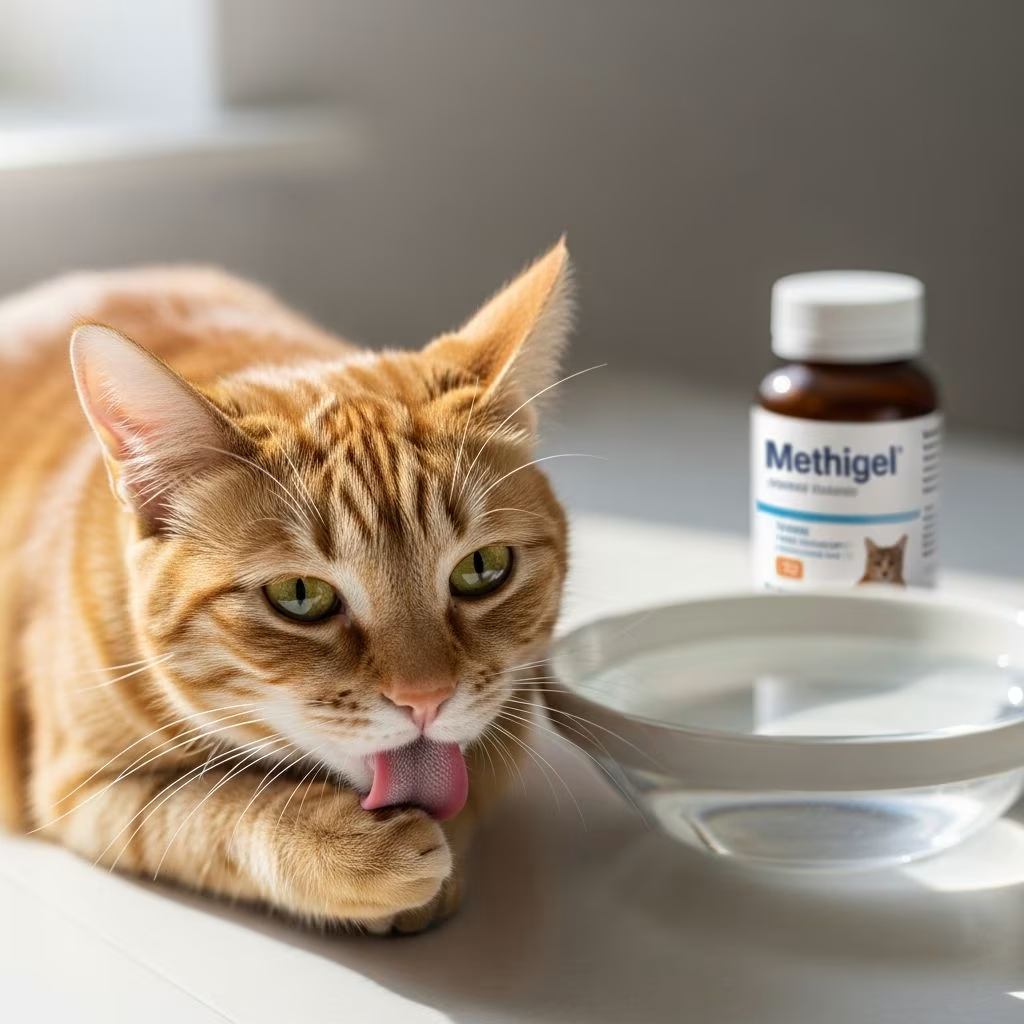
Methigel serves as a targeted supplement for cats, leveraging DL-Methionine to acidify urine and foster a healthier urinary environment. This gel formulation addresses common feline issues like struvite crystal formation and persistent urine odors, offering pet owners a practical tool for proactive care.
Understanding Feline Urinary Challenges
Cats frequently encounter urinary tract problems, including infections, crystal buildup, and bladder stones, which can cause discomfort and serious health risks if unmanaged. Struvite stones, in particular, thrive in alkaline urine, making pH balance crucial for prevention. Symptoms often include frequent litter box visits, straining, blood in urine, or vocalizing during urination. Early intervention with supplements like Methigel can mitigate these risks by promoting an acidic urinary pH where bacteria struggle to proliferate and crystals are less likely to form.
Breeds like Persians and Siamese may be predisposed, but any cat can be affected, especially those on dry food diets that encourage concentrated urine. Integrating wet food alongside supplements enhances hydration and dilutes urine, amplifying protective effects.
The Science Behind Methigel and DL-Methionine
DL-Methionine, the core ingredient in Methigel, is an essential amino acid that lowers urine pH, typically within 1-2 hours of administration, though full benefits accumulate over time. By creating an acidic milieu, it dissolves certain stones and inhibits new formations, while also curbing bacterial growth linked to infections. This dual action extends to odor reduction, as acidic urine evaporates less pungently.
Unlike prescription diets, Methigel provides a flexible, palatable gel that complements any feeding regimen. Veterinary texts like Plumb’s Veterinary Drug Handbook affirm its efficacy for struvite management when used judiciously.
Key Benefits for Your Cat’s Urinary System
- Prevents Struvite Stones: Acidification discourages crystal aggregation in the bladder and urethra.
- Fights Infections: Low pH inhibits bacterial proliferation, reducing UTI recurrence.
- Controls Odor: Neutralizes strong urine smells, improving household hygiene.
- Supports Bladder Function: Promotes smooth urination and overall tract health.
- Easy Administration: Gel form appeals to finicky eaters, lickable from nose or paw.
Proper Dosing and Administration Techniques
Veterinarians typically prescribe ½ teaspoon daily for cats, administered orally once a day. Squeeze the gel directly into the mouth, dab on the nose or paw for self-licking, or mix with food to mask any taste. Giving with meals minimizes stomach upset and may boost absorption.
| Pet Type | Daily Dose | Administration Tips |
|---|---|---|
| Cats (1+ year) | ½ teaspoon | Directly in mouth, on nose/paw, or in food |
| Dogs (for reference) | 1 teaspoon | Similar methods; consult vet for specifics |
Consistency matters—administer at the same time daily. A 4.25 oz tube lasts about 2-3 months for one cat. Monitor urine pH strips at home (ideal range: 6.0-6.5) to track progress, but rely on vet urinalysis for accuracy.
Safety Considerations and Contraindications
Safe for cats over 1 year, Methigel requires caution in those with kidney disease, liver issues, or pancreatic conditions, as methionine metabolism strains these organs. Avoid in kittens, pregnant, or breeding females due to unproven safety.
Common side effects include mild vomiting or diarrhea, often resolved by dosing with food. Overdose risks—such as lethargy, loss of appetite, or bluish gums from oxygen deprivation—demand immediate vet contact. Start low if your cat has sensitivities, and discontinue if symptoms worsen.
Vet Tip: Always consult your veterinarian before starting Methigel, especially if combining with other meds or diets.
Real-World Experiences from Cat Owners
Pet parents report success stories: one owner prevented UTIs in multiple cats post a tragic loss, noting palatability and efficacy. Another praised its role alongside wet food for struvite-prone felines, avoiding pricey Rx options. Reviews highlight reduced litter box issues and fresher homes, though some cats needed initial coaxing.
“This has been a game-changer for my crystal-prone cat—easy to give and noticeable odor improvement.” – Verified user.
Integrating Methigel into a Holistic Urinary Care Plan
Methigel shines within a broader strategy:
- Increase water intake via fountains or broth-added bowls.
- Prioritize wet or moisture-rich foods over dry kibble.
- Schedule regular vet checkups with urine cultures.
- Consider stress reducers like pheromone diffusers, as anxiety exacerbates FLUTD.
- Monitor weight—obesity heightens risks.
For chronic cases, pair with cranberry extracts or probiotics, but vet approval is essential to avoid pH conflicts.
Frequently Asked Questions (FAQs)
Can kittens use Methigel?
No, it’s not recommended for cats under 1 year due to developmental risks.
How quickly does Methigel work?
Urine acidification begins in 1-2 hours, but stone dissolution or prevention takes days to weeks.
Is Methigel safe long-term?
Yes, for suitable cats under vet supervision; periodic bloodwork monitors organ function.
What if my cat refuses the gel?
Try colder temps, mix with tuna juice, or use a syringe slowly. Palatability is high, per manufacturer.
Does it interact with other supplements?
Possible with alkalinizing agents; discuss with your vet.
Choosing Quality and Storage Best Practices
Opt for Vetoquinol’s Methigel for proven formulation in a 4.25 oz tube. Store at room temperature, away from light and moisture; discard if discolored. Shelf life post-opening is typically months, but check expiration.
When to Seek Veterinary Intervention
Methigel supports but doesn’t cure acute issues. Rush to the vet for bloody urine, lethargy, or no urination within 24 hours—these signal blockages, a life-threatening emergency in male cats.
In summary, Methigel empowers cat owners to safeguard urinary health proactively. With vet guidance, it fosters comfort, prevents crises, and enhances quality of life.
References
- Methigel for Dogs and Cats – Methionine Supplement — VetRxDirect. 2023. https://www.vetrxdirect.com/product/view/methigel-methionine-for-dogs-and-cats-otc
- Methigel DL-Methionine Supplement for Dogs and Cats — Tractor Supply Co. 2024. https://www.tractorsupply.com/tsc/product/methigel-dl-methionine-supplement-for-dogs-and-cats-425-oz
- Methigel, 400mg — Covetrus North America. 2024. https://northamerica.covetrus.com/Product?sku=000784
- DL-Methionine for Dogs and Cats — PetMD. 2023-10-15. https://www.petmd.com/pet-medication/dl-methionine-dogs-and-cats



