
Metallic Compounds in Veterinary Antisepsis and Disinfection
Understanding how metal-based agents protect animal health through antimicrobial action
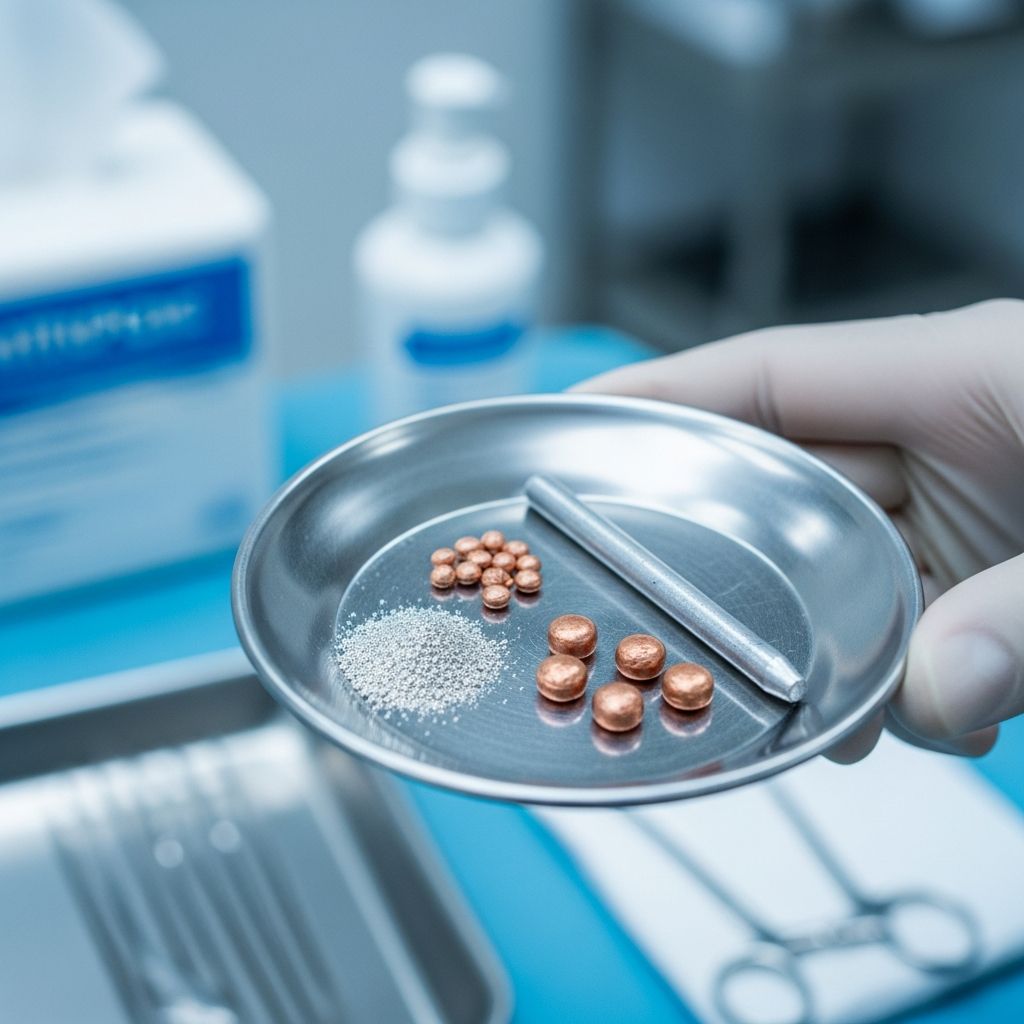
Introduction to Metal-Based Antimicrobial Agents in Veterinary Medicine
The use of metallic compounds in veterinary medicine represents one of the oldest and most reliable approaches to controlling infectious diseases in animals. For centuries, metal-based substances have been employed to prevent bacterial contamination, reduce infection rates, and maintain hygiene in animal care environments. Unlike synthetic chemical disinfectants that have emerged over the past century, metal-based antimicrobial agents offer unique advantages including broad-spectrum efficacy, durability, and compatibility with various veterinary applications. These compounds work through biochemical interactions with microbial cell structures, making them particularly valuable in modern veterinary practice where antimicrobial resistance continues to present significant challenges.
The Science Behind Metallic Antimicrobial Action
Metallic compounds exert their antimicrobial effects through several distinct mechanisms that differ fundamentally from traditional chemical disinfectants. The antimicrobial activity of metal-based agents depends primarily on the release and availability of bioactive metal ions that can penetrate and disrupt microbial cell membranes. When metals such as silver come into contact with water, body fluids, or tissue exudates, they undergo ionization, releasing charged particles that interact directly with bacterial and fungal cell components.
The bioactive metal ion acts as a biocidal agent by targeting proteins, amino acid residues, and cellular receptors on both prokaryotic and eukaryotic pathogenic organisms. This mechanism of action proves effective against a wide spectrum of microorganisms, including bacteria resistant to conventional antibiotics, fungi, and certain viruses. The effectiveness of these agents remains largely independent of organic matter contamination, a significant advantage in field and farm settings where environmental conditions may compromise other disinfectants.
Silver: The Cornerstone of Metal-Based Antimicrobial Therapy
Silver stands as the most extensively studied and widely utilized metallic antimicrobial agent in contemporary veterinary practice. The historical use of silver for food storage and medical applications reflects an intuitive understanding of its antimicrobial properties that modern science has now explained at the molecular level. Silver’s effectiveness derives from its ability to ionize readily in biological environments, releasing silver ions (Ag⁺) that possess remarkable antimicrobial potency against bacteria, fungi, and viruses.
The antibacterial activity of silver compounds proves particularly valuable in veterinary settings contaminated with multidrug-resistant pathogens. These resistant strains, which often fail to respond to conventional antibiotic therapies, remain susceptible to silver ion toxicity because the antimicrobial mechanism differs fundamentally from antibiotic action. Silver ions disrupt essential cellular processes through multiple pathways simultaneously, making the development of resistance extraordinarily difficult for microorganisms.
Applications of Silver in Veterinary Disinfection
Veterinary practitioners employ silver compounds across numerous applications ranging from wound management to environmental disinfection. Medical devices in surgical suites benefit from silver-based coatings that prevent biofilm formation and reduce nosocomial infection rates. Textiles used in veterinary facilities, including surgical drapes and protective equipment, have been treated with silver compounds to provide sustained antimicrobial activity during extended procedures.
Water treatment systems in veterinary hospitals increasingly incorporate silver compounds to prevent microbial proliferation in distribution systems and storage tanks. This application proves particularly important in large animal veterinary medicine, where water systems may serve multiple facilities and residual antimicrobial activity prevents contamination between uses. Home environments where companion animals reside also benefit from silver-containing products designed for surface disinfection and household hygiene.
Silver Nanoparticles: Advancing Antimicrobial Efficacy
Recent advances in nanotechnology have revolutionized the application of silver in veterinary medicine through the development of silver nanoparticles (AgNPs). These engineered particles demonstrate substantially greater antimicrobial efficiency compared to conventional silver ions because they maintain higher surface area-to-volume ratios and interact more effectively with microbial cell structures. Nanoparticles can penetrate biofilms and reach intracellular targets that ionic silver alone cannot access, making them particularly valuable against well-established microbial communities.
The mechanism of action for silver nanoparticles involves interaction with disulfide bonds present in glycoproteins and proteins comprising the structural and enzymatic components of pathogenic microorganisms. This multi-targeted approach overwhelms microbial defense mechanisms and prevents the emergence of resistant strains. As nanotechnology continues to advance, new formulations incorporating silver nanoparticles promise enhanced efficacy against emerging veterinary pathogens.
Copper-Based Antimicrobial Compounds
Copper represents another significant metallic antimicrobial agent employed in veterinary medicine, although with more limited applications compared to silver. Copper and copper compounds exert antimicrobial activity through ionization mechanisms similar to silver, releasing copper ions that interact with microbial cell membranes and proteins. Copper’s historical use in agriculture and water treatment provides a foundation of practical experience supporting its continued application in modern veterinary practice.
The antimicrobial spectrum of copper includes bacteria, fungi, and certain parasites that threaten animal health. Copper sulfate solutions have been traditionally employed for hoof care in large animal medicine, particularly for treating fungal and bacterial infections common in cattle and equine populations. The relative affordability and ready availability of copper compounds make them accessible to practitioners in resource-limited settings.
Zinc and Other Metallic Antimicrobial Agents
Zinc compounds participate in veterinary antimicrobial programs through multiple mechanisms, functioning both as direct antimicrobial agents and as essential cofactors that enhance immune function in treated animals. Zinc’s role extends beyond direct pathogen control to include supportive effects on wound healing and immune competence, making it valuable in post-operative care and recovery protocols.
Other metallic elements including mercury (though increasingly restricted due to toxicity concerns), iodine, and bromine have historical significance in veterinary antisepsis. Modern practice emphasizes safer alternatives, but understanding these historical applications provides context for the evolution of veterinary disinfection strategies. The periodic table continues to be explored for novel metallic compounds that might offer superior antimicrobial activity with improved safety profiles.
Practical Applications in Veterinary Healthcare Settings
Surgical and Clinical Environments
Veterinary surgical facilities represent the primary setting where metal-based antimicrobial agents provide critical protection against nosocomial infections. Surgical instruments benefit from metallic coating systems that prevent microbial colonization while maintaining the mechanical integrity necessary for precise surgical work. Operating room surfaces treated with metallic antimicrobial compounds create inhospitable environments for pathogenic microorganisms, reducing cross-contamination risks during complex procedures.
Preoperative skin preparation protocols in veterinary surgery increasingly incorporate both traditional iodine-based compounds and newer metallic systems to reduce resident skin flora and prevent surgical site infections. The synergistic application of multiple antimicrobial strategies—mechanical cleaning, chemical disinfection, and metallic antimicrobial agents—represents best practice in contemporary veterinary surgical asepsis.
Large Animal and Farm Applications
Livestock facilities and equine practices benefit substantially from metallic antimicrobial agents, particularly in managing endemic infections that threaten herd health and productivity. Copper-based solutions applied to animal housing surfaces reduce pathogen loads in environments housing multiple animals. Metallic compounds incorporated into flooring materials, water troughs, and feeding equipment provide sustained antimicrobial activity, reducing the need for frequent chemical disinfection.
Dairy operations employ silver and copper compounds in teat disinfection protocols to control mastitis, a disease of enormous economic significance in milk production. The residual antimicrobial activity of metallic agents means protection extends beyond the immediate application period, providing extended intervals between treatments and reducing labor requirements for frequent re-application.
Companion Animal and Shelter Environments
Shelters and rescue facilities caring for animals from diverse backgrounds face particular challenges in preventing cross-contamination and disease transmission. Metallic antimicrobial compounds incorporated into cage surfaces, bedding materials, and environmental fixtures provide non-toxic, sustained disinfection suitable for environments housing stressed animals with potentially compromised immune function. The safety profile of silver and copper compounds proves especially valuable in enclosed shelter environments where ventilation limitations restrict the use of volatile chemical disinfectants.
Comparative Advantages and Limitations
Advantages of Metal-Based Approaches
- Broad-spectrum efficacy: Effective against bacteria, fungi, viruses, and select parasites regardless of antibiotic resistance status
- Residual activity: Continues providing antimicrobial protection extended periods after initial application
- Organic matter tolerance: Maintains effectiveness in contaminated environments where other disinfectants fail
- Low toxicity profiles: Most metallic compounds prove safe for animals and human handlers at therapeutic concentrations
- Environmental compatibility: Many metallic agents biodegrade safely without accumulating persistent environmental contaminants
- Resistance resistance: The multi-target mechanism makes pathogen resistance development extraordinarily difficult
- Cost-effectiveness: Durability and extended activity periods reduce treatment frequency and overall expense
Limitations and Considerations
- Potential toxicity at high concentrations: Excessive exposure to some metallic agents can produce adverse effects in treated animals
- Material compatibility: Certain metallic compounds may damage soft metals or specialized equipment surfaces
- Variable efficacy against spores: Some metallic agents demonstrate reduced effectiveness against bacterial spores requiring extended contact times
- Initial cost: Premium-grade metallic antimicrobial products may cost more than conventional chemical disinfectants
- Application complexity: Achieving optimal therapeutic concentrations requires precise formulation and dosing protocols
- Regulatory constraints: Some metallic compounds face restrictions in specific jurisdictions based on environmental or safety considerations
Integration with Comprehensive Disinfection Strategies
Modern veterinary biosecurity emphasizes integrating metallic antimicrobial agents with other disinfection modalities rather than relying exclusively on any single approach. Combining mechanical cleaning with metallic compound application, supplemented by chemical disinfectants where appropriate, creates redundant protection against pathogen transmission. This layered strategy compensates for the limitations of individual agents while maximizing overall efficacy.
Environmental design in veterinary facilities increasingly incorporates materials impregnated with metallic antimicrobial compounds, creating self-disinfecting surfaces that reduce cleaning requirements and pathogen survival. Flooring, wall coatings, and equipment surfaces treated with silver or copper compounds provide continuous antimicrobial activity, complementing periodic chemical disinfection protocols.
Future Developments and Emerging Technologies
The convergence of nanotechnology and materials science promises exciting advances in metallic antimicrobial applications within veterinary medicine. Research continues exploring novel nanoparticle formulations combining multiple metals to achieve synergistic antimicrobial effects exceeding the capability of single-element compounds. Biomimetic approaches incorporating metallic antimicrobial agents into naturally-derived matrices offer enhanced biocompatibility and sustained-release kinetics.
Intelligent disinfection systems combining metallic antimicrobial compounds with sensors capable of detecting pathogen presence represent the frontier of veterinary biosecurity technology. These systems can activate or intensify antimicrobial activity in response to detected microbial contamination, optimizing resource utilization while ensuring maximum protection during periods of highest infection risk.
Safe Handling and Application Guidelines
Veterinary professionals must understand proper handling procedures for metallic antimicrobial agents to maximize efficacy while minimizing occupational and animal exposure risks. Concentrated solutions require appropriate dilution according to manufacturer specifications and clinical protocols specific to each intended application. Personal protective equipment including gloves and eye protection protects personnel during preparation and application of metallic antimicrobial compounds.
Storage of metallic antimicrobial products requires conditions preventing degradation while maintaining safety for concurrent storage of other materials. Light exposure, temperature extremes, and contact with incompatible substances can compromise antimicrobial potency or create hazardous chemical interactions. Proper labeling and inventory rotation ensure that expired or degraded products are not inadvertently used in clinical settings.
Conclusion
Metallic compounds represent a fundamental and increasingly important component of modern veterinary medicine’s antimicrobial arsenal. Silver, copper, zinc, and other metallic agents offer unique advantages including broad-spectrum efficacy, durability, and resistance-resistant mechanisms that address contemporary challenges posed by emerging pathogens and antimicrobial resistance. As nanotechnology advances and new application methods emerge, metallic antimicrobial agents will likely expand their role in veterinary biosecurity, complementing traditional chemical disinfectants and contributing to improved animal health outcomes across diverse veterinary settings. Understanding the science underlying metallic antimicrobial action empowers veterinary professionals to select and apply these agents optimally, protecting animal populations while advancing the science of infection prevention.
References
- Silver compounds – antimicrobial properties and applications — National Center for Biotechnology Information (NCBI). 2024. https://pmc.ncbi.nlm.nih.gov/articles/PMC11148928/
- Antiseptics and Disinfectants in Veterinary Medicine — Veterinary Key. 2024. https://veteriankey.com/antiseptics-and-disinfectants/
- Guideline for Disinfectant Choice in Feline Veterinary Hospitals, Shelters and Cat Households — American Association of Feline Practitioners (AAFP). 2024. https://www.abcdcatsvets.org/guideline-for-disinfectant-choice-in-feline-veterinary-hospitals-shelters-and-cat-households/
- Small animal patient preoperative preparation: a review of common antiseptics and disinfectants — Frontiers in Veterinary Science. 2024. https://www.frontiersin.org/journals/veterinary-science/articles/10.3389/fvets.2024.1374826/full
- MSD Veterinary Manual: Oxidizing Agents as Antiseptics and Disinfectants for Use With Animals — Merck Sharp & Dohme Corp. 2024. https://www.msdvetmanual.com/pharmacology/antiseptics-and-disinfectants/oxidizing-agents-as-antiseptics-and-disinfectants-for-use-with-animals
Similar Articles








Read full bio of medha deb


