

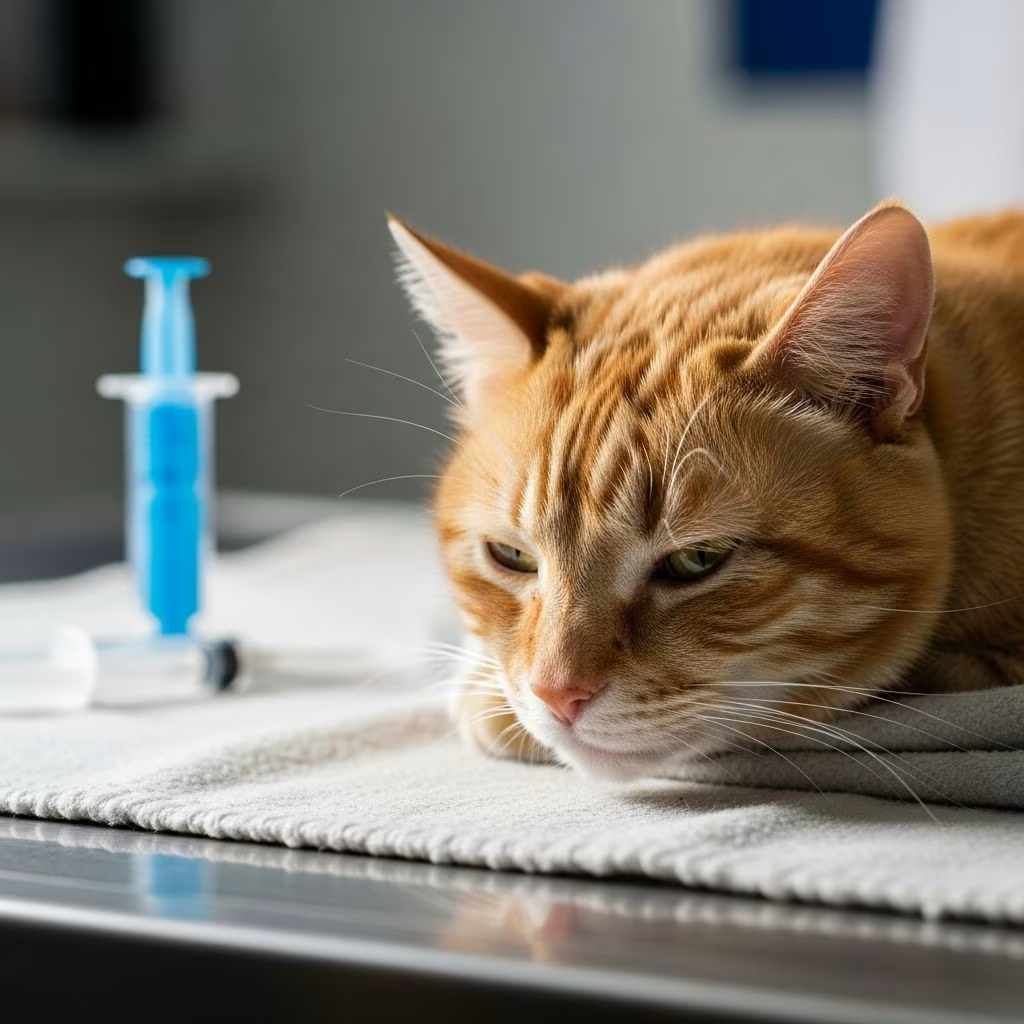
Metacam, known generically as meloxicam, serves as a non-steroidal anti-inflammatory drug (NSAID) commonly prescribed for cats to alleviate pain and inflammation from conditions like surgery or injury. While effective for short-term relief, its use demands caution due to potential adverse reactions, particularly affecting the kidneys and gastrointestinal system in felines.
Understanding Metacam’s Role in Feline Care
Cats often require pain management for post-operative recovery, acute injuries, or mild chronic issues like osteoarthritis. Metacam works by inhibiting enzymes that promote inflammation, providing relief typically within 24 hours and lasting 24-48 hours per dose. Vets prescribe it judiciously, favoring it when benefits outweigh risks, especially since cats metabolize NSAIDs slower than dogs, heightening vulnerability.
Despite its utility, the U.S. FDA mandates a boxed warning on meloxicam labels: repeated doses in cats link to acute renal failure and death, prohibiting additional injectable or oral administration beyond initial use. This underscores the need for veterinary oversight.
Common Adverse Reactions to Watch For
Most cats tolerate single, low doses well, but side effects range from mild to severe. Gastrointestinal disturbances top the list, manifesting as:
- Vomiting or diarrhea, often from stomach upset.
- Loss of appetite leading to weight reduction.
- Lethargy or behavioral shifts like restlessness.
Other signs include increased thirst, urination changes, or dehydration. Serious issues, rarer but critical, involve organ damage from prolonged or high dosing.
Primary Health Risks: Focus on Kidneys and Liver
NSAIDs like Metacam reduce kidney blood flow, a major concern for cats with their sensitive renal systems. Older cats (over 7-8 years), those dehydrated, or with pre-existing conditions face amplified risks. FDA reports highlight sudden kidney failure post-repeated doses.
Liver complications, though less frequent, present as jaundice (yellowing of gums, skin, eyes), weakness, or seizures. Cats on concurrent medications like corticosteroids heighten these dangers.
| Risk Factor | Associated Symptoms | High-Risk Groups |
|---|---|---|
| Kidney Damage | Increased drinking/urination, weakness, poor appetite | Elderly, dehydrated, CKD patients |
| GI Ulcers | Vomiting blood, black stools, appetite loss | All cats, especially long-term users |
| Liver Toxicity | Jaundice, lethargy, incoordination | Cats on multiple drugs |
Who Should Avoid Metacam Altogether?
Not all cats suit this medication. Contraindications include:
- Known bleeding disorders or prior NSAID allergies.
- Chronic kidney disease (CKD) or liver impairment.
- Pregnant, nursing, or very young kittens.
Vets assess via bloodwork and urinalysis before prescribing, weighing species-specific metabolism differences.
Safe Administration and Dosage Guidelines
For eligible cats, vets start with the lowest dose, often a one-time injection followed by oral if needed—but rarely beyond 1-3 days. Administer with food to minimize stomach irritation, and adhere strictly to prescriptions.
Effects peak around 24 hours, so monitor closely from the first dose. Never use human meloxicam or adjust doses independently.
Critical Monitoring Protocols During Treatment
Proactive surveillance prevents escalation. Baseline tests check kidney/liver values pre-treatment, with follow-ups soon after. Home checks include:
- Daily appetite and hydration assessment.
- Observing stool/urine consistency and frequency.
- Noting energy levels or unusual behaviors like hiding.
Report issues immediately: discontinue and seek vet care for vomiting, diarrhea, or lethargy.
Long-Term Use: Why It’s Generally Discouraged
Chronic pain like arthritis tempts extended use, but risks skyrocket. UK practices allow low-dose oral follow-ups, unlike stricter U.S. labels, yet experts limit to short courses. Alternatives prove safer for ongoing needs.
Exploring Safer Alternatives for Feline Pain
Vets prioritize non-NSAID options:
- Opioids like buprenorphine for post-surgery.
- Gabapentin for nerve pain or arthritis.
- Joint supplements (omega-3s, glucosamine).
- Physical therapy or acupuncture.
For CKD cats, focus on diet, fluids, and non-drug therapies.
Frequently Asked Questions
Is Metacam safe for a one-time dose in cats?
Yes, single low doses under vet guidance are generally safe for acute pain, with monitoring.
How soon do side effects appear?
GI issues may arise within hours; kidney signs take days. Watch closely.
Can I give Metacam with other meds?
Avoid combining with steroids or other NSAIDs; consult your vet.
What if my cat shows vomiting after Metacam?
Stop immediately, contact vet for blood tests to rule out organ issues.
Is Metacam FDA-approved for repeated cat use?
No—boxed warning prohibits it due to renal failure risks.
Empowering Cat Owners: Prevention and Preparedness
Knowledge equips you to advocate for your pet. Discuss full health history with vets, request pre-treatment screening, and explore multimodal pain plans. Early detection via vigilant observation saves lives—your attentiveness is key.
In summary, Metacam offers targeted relief but carries non-negligible risks, especially renally. Prioritize vet-directed, short-term use with rigorous monitoring for optimal outcomes.
References
- What is Metacam for cats? — UK Pet Drugs. 2024. https://ukpetdrugs.co.uk/blog/what-is-metacam-for-cats
- Metacam for Cats: Safety, Kidney Risks, Side Effects, Alternatives — VetLens. 2024. https://www.vetlens.com/blog/metacam-for-cats
- Meloxicam-Metacam — Sirius Veterinary Orthopedic Center (PDF). 2024. https://siriusvet.com/storage/app/media/Meloxicam-Metacam.pdf
- Meloxicam — VCA Animal Hospitals. 2024. https://vcahospitals.com/know-your-pet/meloxicam
- Meloxicam | Pet Medicine Info — Hastings Veterinary Hospital. 2024. https://hastingsvet.com/medication-information-sheets/meloxicam/
- Information About the Boxed Warning on Meloxicam Labels — U.S. Food and Drug Administration (FDA). 2024. https://www.fda.gov/animal-veterinary/product-safety-information/information-about-boxed-warning-meloxicam-labels-regarding-safety-risks-cats



