

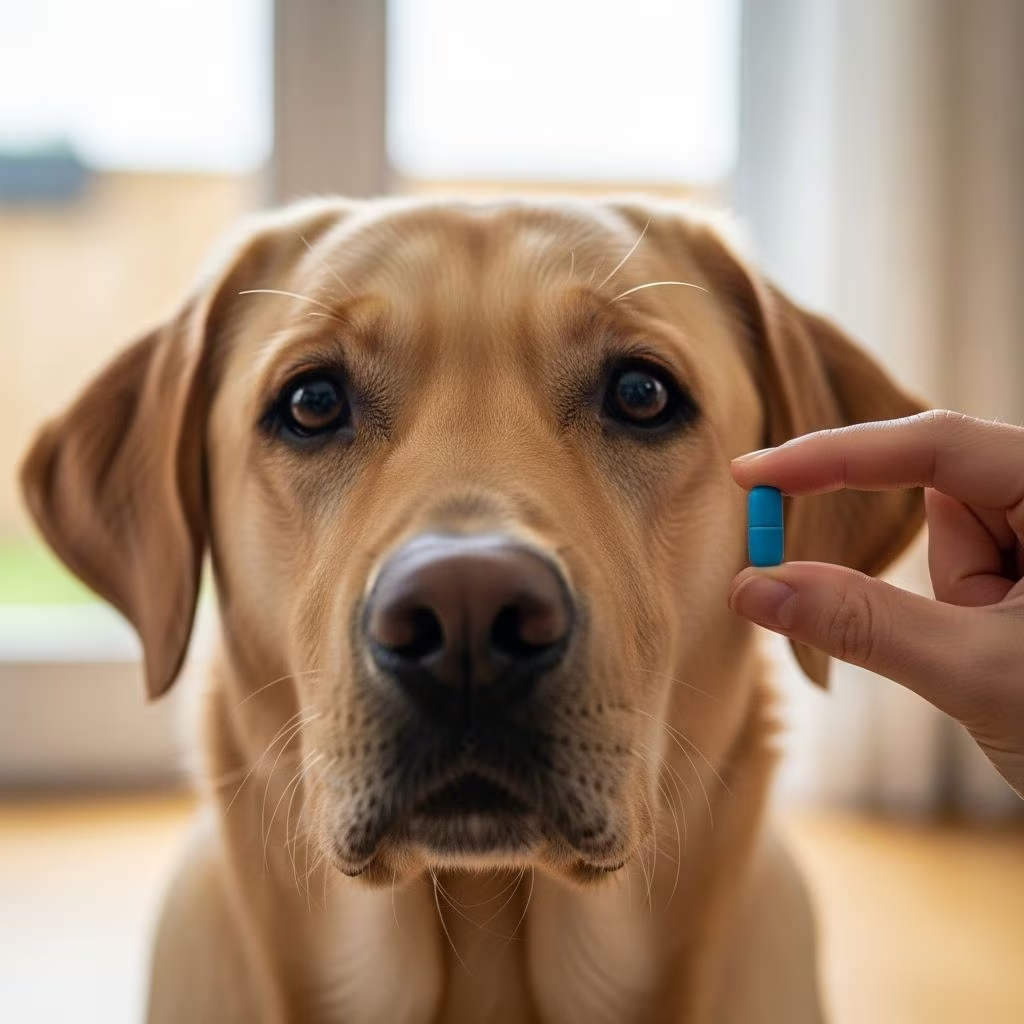
Metacam, known scientifically as meloxicam, serves as a vital non-steroidal anti-inflammatory drug (NSAID) designed specifically for canine use. It targets pain and inflammation primarily linked to osteoarthritis, enabling dogs to regain comfort and activity levels. Approved by regulatory bodies for veterinary application, this medication offers both injectable and oral forms to suit various treatment needs.
Understanding the Mechanism Behind Metacam’s Action
At its core, Metacam functions by inhibiting the COX-2 enzyme, which plays a central role in producing prostaglandins—chemicals that trigger inflammation, pain, and fever in the body. By blocking this pathway, the drug reduces swelling in joints and surrounding tissues, alleviating discomfort without the narcotic effects of opioids. This selective action minimizes interference with COX-1, which protects the stomach lining, though careful monitoring remains essential.
Pharmacokinetic studies reveal that meloxicam achieves nearly 100% bioavailability whether given orally or via subcutaneous injection. Peak plasma concentrations occur around 7.5 hours post-oral dose, with a terminal half-life of about 24 hours, supporting once-daily administration for steady relief. Protein binding stands at 97% in canine plasma, ensuring prolonged presence in the system.
Primary Applications in Canine Care
Veterinarians prescribe Metacam most frequently for osteoarthritis (OA), a degenerative joint disease affecting many aging dogs. Symptoms like limping, stiffness, and reluctance to play improve noticeably with treatment. It also aids post-surgical recovery, managing acute pain from procedures such as spays, neuters, or orthopedic repairs.
- Osteoarthritis management: Controls chronic joint inflammation and pain.
- Hip dysplasia: Eases mobility issues in affected breeds.
- Soft tissue injuries: Reduces swelling from sprains or strains.
- Post-operative care: Provides short-term relief after surgeries.
- General chronic pain: Supports dogs with ongoing discomfort from bone or tissue conditions.
Field trials involving over 300 dogs confirmed significant improvements in weight-bearing, lameness scores, and owner-reported mobility after 14 days of therapy.
Dosage Protocols and Administration Methods
Precise dosing is critical to maximize benefits while minimizing risks. The standard regimen begins with an initial loading dose, followed by a maintenance phase.
| Form | Initial Dose | Maintenance Dose | Frequency |
|---|---|---|---|
| Injection (IV or SQ) | 0.2 mg/kg | N/A | Single dose on day 1 |
| Oral Suspension | 0.2 mg/kg (day 1) | 0.1 mg/kg | Once daily starting day 2 |
The oral suspension, flavored for palatability, is accepted by over 90% of dogs when mixed with food or given directly. Tablets offer an alternative for precise measurement in larger breeds. Always use the lowest effective dose for the shortest duration, with regular veterinary check-ins. Body weight dictates the amount: for a 10 kg dog, that’s 2 mg initial oral, then 1 mg daily.
The “Painful-to-Playful” protocol recommends an in-clinic injection for rapid onset, transitioning to home oral dosing. Owners must receive client information sheets detailing observation for adverse effects.
Safety Profile and Clinical Trial Insights
Extensive safety studies underpin Metacam’s reliability. A three-day target animal safety trial at up to 5x the recommended dose showed no major clinical issues. Six-month oral administration at 1x, 3x, and 5x doses revealed minor gastrointestinal changes but no significant adverse reactions.
Effectiveness data from placebo-controlled studies (n=224 for injection, n=277 for oral) demonstrated statistically significant gains in veterinary-assessed parameters like pain on palpation and owner-evaluated limping by day 14.
Recognizing and Mitigating Potential Side Effects
While generally well-tolerated, NSAIDs like Metacam carry risks, especially with prolonged use or in sensitive dogs. Common mild effects include vomiting, diarrhea, and appetite loss, often resolving with dose adjustment.
Serious concerns involve gastrointestinal ulcers, kidney strain, or liver enzyme elevation, signaled by black stools, increased thirst, or lethargy. Pre-existing conditions like renal disease contraindicate use. Avoid in puppies under 6 months, pregnant/lactating females, or breeding dogs due to unestablished safety.
- Monitor closely: Watch for bloody vomit, jaundice, or seizures.
- Drug interactions: Caution with corticosteroids, other NSAIDs, or diuretics.
- Overdose risks: Can lead to poisoning with symptoms like breathing difficulties—seek emergency care immediately.
Routine blood work every 6 months supports long-term users, helping detect subclinical issues early.
Comparing Metacam to Other Canine NSAIDs
| Medication | Onset | Dosing Frequency | Common Uses | Key Risks |
|---|---|---|---|---|
| Metacam (Meloxicam) | Moderate | Once daily | OA, chronic pain | GI upset, renal effects |
| Rimadyl (Carprofen) | Fast | Twice daily | Acute pain, hip dysplasia | Similar GI/liver risks |
Vets select based on the dog’s profile; neither is universally superior.
Enhancing Treatment with Complementary Therapies
For optimal outcomes, integrate Metacam with non-drug strategies. Joint supplements containing glucosamine, chondroitin, and omega-3s bolster cartilage health. Weight management via diet reduces joint stress, while low-impact exercises like swimming maintain muscle without strain.
Physical therapy, acupuncture, or laser treatments offer adjunct relief. Nutritional support minimizes long-term NSAID reliance, as endorsed by veterinary professionals.
Frequently Asked Questions (FAQs)
Can all dogs safely take Metacam?
No, it’s unsuitable for dogs with kidney/liver issues, dehydration, or those under 6 months. Consult your vet for personalized advice.
How quickly does Metacam work?
Injectable forms provide relief within hours; oral effects build over 24 hours, with full benefits in 7-14 days.
Is Metacam addictive?
No, it’s non-narcotic and not habit-forming, but abrupt cessation after long-term use warrants veterinary guidance.
What if my dog refuses the oral suspension?
Mix with a favorite food or use tablets. Over 90% accept it willingly.
Are there natural alternatives to Metacam?
Yes, options like turmeric, fish oil, or green-lipped mussel supplements provide milder anti-inflammatory effects, ideal for mild cases or combo therapy.
Steps for Responsible Metacam Use at Home
- Obtain a veterinary prescription and full instructions.
- Weigh your dog accurately for dosing.
- Administer with food to reduce stomach upset.
- Track behavior, appetite, and stool daily.
- Schedule follow-ups with blood tests.
- Report changes immediately—discontinue if severe symptoms appear.
Empowering owners with knowledge ensures Metacam enhances quality of life safely. Transitioning to multimodal care sustains mobility long-term.
References
- METACAM Painful-to-Playful Detailer — Boehringer Ingelheim. Accessed 2026. https://docs.boehringer-ingelheim.com/METACAM%20Painful-to-Playful%20Detailer.pdf
- Metacam for Dogs: NSAIDs side effects & alternatives — Pooch & Mutt. Accessed 2026. https://www.poochandmutt.co.uk/blogs/health/metacam-for-dogs-nsaids-side-effects-alternatives
- METACAM Oral Suspension for Osteoarthritis — Boehringer Animal Health. Accessed 2026. https://bi-animalhealth.com/pets/canine/products/therapeutics/metacam-oral
- Meloxicam for Dogs: Uses, Side Effects, Dosage — GoodRx. Accessed 2026. https://www.goodrx.com/pet-health/dog/meloxicam-for-dogs



