

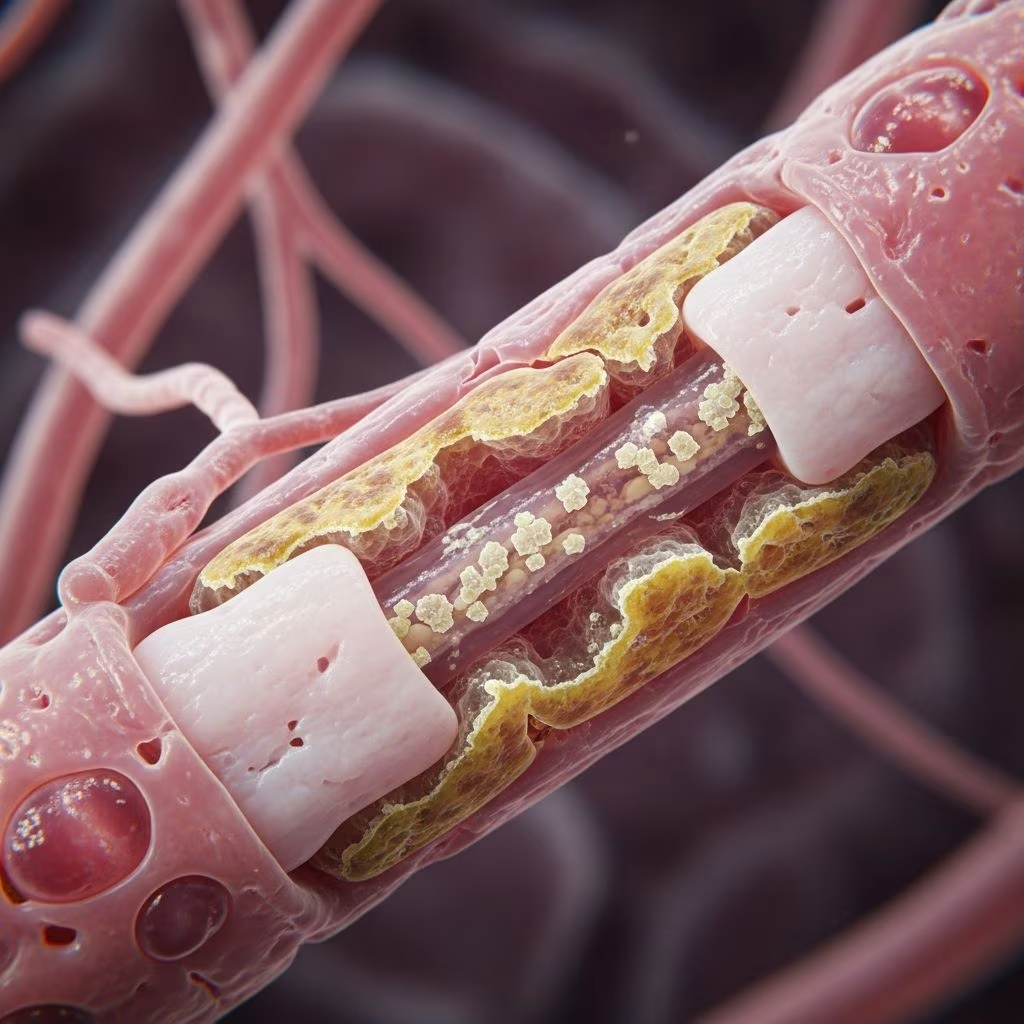
Metabolic disruptions can profoundly affect the peripheral nervous system in animals, leading to neuropathies and neuromuscular junction issues that impair mobility and sensation. These conditions arise when systemic imbalances, such as elevated blood sugar or hormone deficiencies, damage nerve fibers, myelin sheaths, or synaptic connections outside the central nervous system.
Understanding Peripheral Nerve Vulnerability to Metabolism
The peripheral nerves transmit signals for movement and sensory feedback, relying on precise metabolic support for insulation and conduction. Disruptions like chronic high glucose or low thyroid hormones trigger demyelination—loss of the protective myelin coating—and axonal breakdown, slowing or blocking impulses. In veterinary practice, these manifest as weakness, poor coordination, and muscle wasting, often in dogs and cats with underlying endocrine diseases.
Key vulnerabilities include endoneurial microvasculature compromise, where thickened vessel walls restrict nutrient flow, fostering ischemia. Oxidative stress from metabolic byproducts further exacerbates damage, creating a cycle of degeneration.
Diabetic Neuropathy: A Major Concern in Feline and Canine Patients
Among metabolic neuropathies, diabetic neuropathy stands out, particularly in cats where it’s more prevalent than in dogs. Prolonged hyperglycemia, a hallmark of uncontrolled diabetes mellitus, is the primary culprit, though exact mechanisms involve sorbitol accumulation, advanced glycation end-products, and vascular changes.
Cats often present with plantigrade posture—walking on hocks due to tibial nerve dysfunction—alongside hindlimb weakness, ataxia, and atrophy. Dogs show rarer, milder signs like distal paresis. Pathologically, nerves reveal multifocal demyelination-remyelination, axonal loss, and perineurial thickening, potentially causing ischemic damage.
| Species | Common Signs | Pathology |
|---|---|---|
| Cats | Plantigrade stance, weakness, ataxia | Demyelination, axonal degeneration, perineurial hypertrophy |
| Dogs | Mild paresis, muscle atrophy | Similar but less severe |
Diagnosis combines clinical observation, blood glucose confirmation of diabetes, and occasionally nerve biopsy. Prognosis improves with strict insulin management, yielding partial to full recovery in many cases, though monitoring prevents relapse.
Hypothyroid Polyneuropathy in Canine Populations
Hypothyroidism, especially in large-breed dogs, frequently underlies peripheral neuropathies without classic signs like weight gain or skin issues. Neurologic deficits may be the sole indicator, involving demyelination, remyelination, and axonal degeneration in peripheral nerves.
Clinical features include tetraparesis, hyporeflexia, proprioceptive deficits, vestibular signs, and sometimes concurrent myopathy or laryngeal paralysis. Large breeds like Retrievers and Shepherds are predisposed, with onset in adulthood.
- Motor effects: Progressive limb weakness, dragging gait.
- Sensory loss: Reduced paw position sense, ataxia.
- Cranial nerve involvement: Facial paresis, megaesophagus in severe cases.
Thyroid function tests (T4, TSH) confirm diagnosis, supplemented by response to levothyroxine therapy. Improvement occurs in weeks to months, though not universally.
Neuromuscular Junction Impacts from Metabolic Stress
Beyond nerves, metabolic disorders affect neuromuscular junctions, where motor neurons synapse with muscles. Hyperglycemia or hypothyroid states can alter acetylcholine release or receptor sensitivity, mimicking myasthenia gravis with fatigable weakness.
In diabetic cats, junctional changes compound nerve damage, worsening plantigrade stance. Hypothyroid dogs may show electromyographic abnormalities indicating junctional instability alongside neuropathy.
Diagnostic Approaches for Metabolic Neuropathies
Accurate diagnosis hinges on integrating history, exam, and targeted tests. Bloodwork screens for glucose, thyroid levels, and electrolytes. Nerve conduction velocity assesses demyelination speed, while biopsies reveal histopathology—essential when polyneuropathy mimics toxins or infections.
Electrodiagnostics differentiate neuropathy from myopathy: slowed velocities indicate nerve issues, while normal velocities with fibrillation potentials suggest muscle primary disease.
- Clinical neurologic exam for distribution and severity.
- Screening labs: CBC, chemistry, endocrinology panel.
- Advanced: EMG, nerve biopsy, CSF analysis to rule out central causes.
Treatment Strategies and Management
Treatment targets the metabolic root: insulin for diabetes, thyroid hormone replacement for hypothyroidism. Supportive care includes physical therapy, antioxidants to combat oxidative damage, and pain management.
Prognoses vary—diabetic cats often regain function within months of glycemic control, while hypothyroid dogs may need lifelong supplementation. Monitoring prevents comorbidities like megaesophagus.
Breed Predispositions and Genetic Links
Certain breeds face heightened risks. Large dogs for hypothyroidism; cats universally for diabetic complications. Genetic factors, like those in inherited polyneuropathies (e.g., NDRG1 mutations akin to human CMT), may interact with metabolism, causing hypomyelination.
In hypomyelinating disorders, Schwann cell defects lead to thin myelin, reversible in some puppies, highlighting metabolic-genetic interplay.
Preventive Measures for Pet Owners
Early diabetes screening in obese cats and thyroid checks in at-risk dogs prevent progression. Balanced diets, regular exercise, and prompt vet visits mitigate risks. Owners should watch for subtle gait changes signaling neuropathy.
Research Insights on Metabolic Nerve Damage
Studies link metabolic syndromes to neurodegeneration, with animal models showing inflammation, blood-brain barrier leaks paralleling peripheral changes. While focused on central disorders, parallels suggest shared pathways like α-synuclein aggregates in stressed nerves.
Rotenone or MPTP models reveal mitochondrial toxicity mimicking diabetic ischemia, informing therapies.
FAQs on Metabolic Nerve Disorders in Animals
Q: Can diabetic neuropathy in cats be reversed?
A: Yes, with rigorous insulin therapy, many cats recover plantigrade stance and strength within 3-6 months.
Q: What breeds are prone to hypothyroid neuropathy?
A: Large breeds like Golden Retrievers, Dobermans, and Great Danes show higher incidence.
Q: How is neuropathy diagnosed without biopsy?
A: Through clinical signs, blood tests confirming metabolic disease, and electrodiagnostics.
Q: Does diet help manage these conditions?
A: Yes, glycemic control diets aid diabetes; thyroid-supportive nutrition supports recovery.
Q: Are puppies affected by metabolic neuropathies?
A: Rare, but hypomyelination linked to metabolic storage diseases occurs.
Long-Term Outlook and Complications
Untreated cases risk permanent deficits, secondary infections from dragging limbs, or respiratory issues from megaesophagus. Regular follow-ups ensure sustained remission, with many pets achieving good quality of life.
References
- Animal Models of Metabolic Disorders in the Study of … — PMC – NIH. 2021-02-10. https://pmc.ncbi.nlm.nih.gov/articles/PMC7848140/
- Metabolic Disorders of the Peripheral Nerves and Neuromuscular … — Merck Veterinary Manual. 2023-01-15. https://www.merckvetmanual.com/nervous-system/diseases-of-the-peripheral-nerves-and-neuromuscular-junction/metabolic-disorders-of-the-peripheral-nerves-and-neuromuscular-junction-in-animals
- Disorders of the Peripheral Nervous System: Mononeuropathies and … — Veterian Key. 2022-05-20. https://veteriankey.com/disorders-of-the-peripheral-nervous-system-mononeuropathies-and-polyneuropathies/
- Neuropathic Disorders — IVIS.org. 2021-11-05. https://www.ivis.org/library/braunds-clinical-neurology-small-animals-localization-diagnosis-and-treatment/neuropathic
- Disorders of the Peripheral Nerves and Neuromuscular Junction in … — Merck Veterinary Manual. 2023-08-12. https://www.merckvetmanual.com/dog-owners/brain-spinal-cord-and-nerve-disorders-of-dogs/disorders-of-the-peripheral-nerves-and-neuromuscular-junction-in-dogs



