

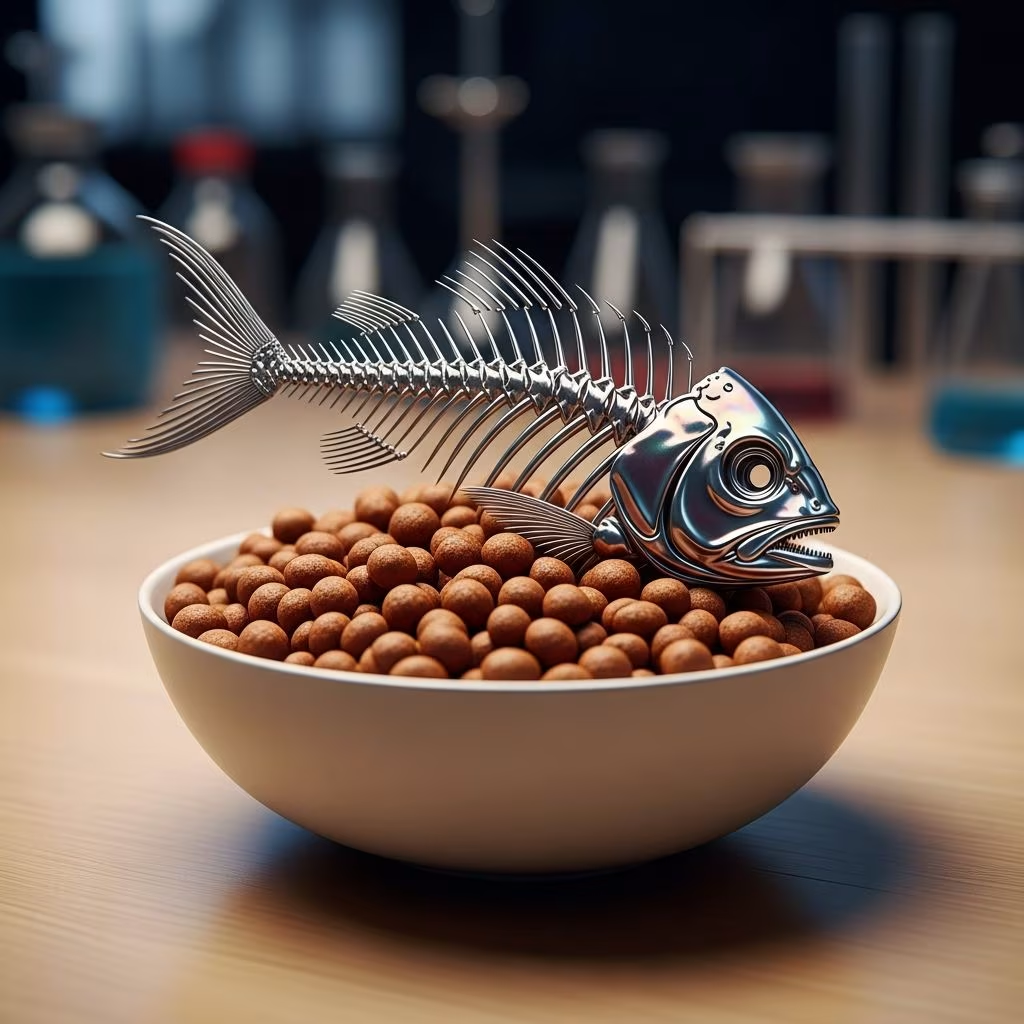
Commercial cat foods often contain trace amounts of mercury, a neurotoxic heavy metal that accumulates primarily from fish ingredients, posing potential long-term health risks to cats despite most products staying below acute toxicity thresholds.
Understanding Mercury and Its Presence in Feline Diets
Mercury enters the food chain through environmental pollution, particularly from industrial emissions like coal-fired power plants, which have tripled ocean mercury levels over the past 75 years. Small fish absorb it, and it biomagnifies up the food chain in predatory species like tuna, swordfish, and salmon—common in cat foods. Methylmercury, the most toxic form, makes up over 90% of mercury in these fish, easily crossing the blood-brain barrier to disrupt neuron signaling.
Studies analyzing dozens of cat foods reveal widespread but variable mercury presence. A comprehensive University of Nevada, Reno investigation tested 35 wet cat foods and 17 dry varieties, finding most below National Research Council maximum tolerable levels, yet many exceeded safe chronic consumption thresholds. Only two samples surpassed acute danger points, but the top 10 highest included six cat foods, highlighting elevated risks in seafood-heavy formulas.
PubMed research emphasizes the need for routine mercury quantification in pet foods, as current levels erode trust amid recalls and lawsuits, calling for FDA and AAFCO standards on contaminants like methylmercury.
How Mercury Accumulates in Popular Cat Food Ingredients
- Fish-Based Formulas: Tuna frequently tops ingredient lists in high-mercury samples; no single source dominates, but seafood blends amplify exposure.
- Dry vs. Wet Foods: Both categories show concerns, with dry cat foods prominent in the highest rankings alongside wet varieties.
- Other Proteins: Non-fish foods generally have lower levels, though organ meats or by-products can contribute if sourced from contaminated animals.
Genetic testing in the Nevada study exposed label inaccuracies: products claiming premium fish or novel proteins often contained cheaper alternatives like chicken, complicating mercury risk assessment. Fishmeal and oils concentrate mercury during processing, carrying it into final kibble or cans.
Health Impacts of Mercury Exposure on Cats
Cats face heightened vulnerability due to their obligate carnivore physiology and fish-loving preferences. Chronic low-dose methylmercury triggers subtle, cumulative damage, overlapping with common age-related issues.
| Symptom Category | Specific Effects | Linked Mechanisms |
|---|---|---|
| Neurological | Tremors, ataxia (wobbliness), head tilt, vision loss, seizures | Neurotoxin disrupts signaling, damages brain tissue |
| Renal | Kidney failure, increased thirst, dilute urine, anemia, weight loss | Accumulates in kidneys, impairs filtration |
| Immune | Recurrent infections, poor wound healing | Suppresses immune response |
| Behavioral | Anxiety, aggression, confusion, excessive meowing | Alters brain chemistry |
| Reproductive | Smaller litters, miscarriages, male sterility | Toxicity affects fertility organs |
These signs mimic hyperthyroidism, CKD, or cancer, delaying diagnosis without targeted blood/hair heavy metal tests. Veterinary experts note cats develop symptoms at lower doses than dogs or humans.
Regulatory Landscape: Why Mercury Oversight Lags
Unlike human foods or baby formulas, U.S. pet foods lack enforceable mercury limits from FDA or AAFCO. This gap allows products up to 670 times higher in heavy metals than human equivalents. The Nevada researchers advocate policy changes for chronic safe levels and accurate labeling, as current voluntary guidelines fail.
Historical studies, like the 2016 analysis of 101 foods finding 16 exceeding tolerable intakes (mostly tuna-based), spurred calls for methylmercury-specific data and DNA verification—now partially addressed but unregulated.
Evaluating Brands and Formulas for Lower Risk
Independent testing reveals patterns: seafood-dominant foods lead in mercury. Reputable brands may test inputs, like one limiting tuna/salmon to 0.07ppm—a veterinary-endorsed safe target far below many averages.
- Avoid routine tuna or high-trophic fish as primary ingredients.
- Rotate proteins: alternate fish-free formulas (chicken, beef, novel like duck).
- Prioritize transparency: brands sharing test results or using low-mercury fish (sardines, mackerel).
- Opt for variety packs to dilute exposure.
Pet parents should request vet guidance on hair analysis for at-risk cats showing vague symptoms.
Strategies to Minimize Mercury in Your Cat’s Diet
Beyond selection, support detoxification:
- Nutritional Aids: Selenium-rich foods (e.g., certain fish in moderation) bind mercury; antioxidants like vitamin E combat oxidative stress.
- Hydration: Wet foods promote kidney flushing.
- Monitoring: Track weight, litter habits, gait for early signs.
- Supplements: Chlorella or cilantro under vet supervision may aid elimination (evidence preliminary).
Advocate for change: support research funding and petition AAFCO for standards mirroring human food protections.
Recent Research Breakthroughs and Future Directions
The 2021 Nevada study, crowdfunded for independence, advanced beyond total mercury to methylmercury and genetics, archiving data for brand comparisons. It urges species-specific safe levels, as pet data lags human toxicology.
PubMed calls for adulteration checks via real-time PCR, ensuring labels match contents to predict risks accurately. Ongoing work pressures reformulation toward cleaner sourcing.
FAQs: Mercury Concerns for Cat Owners
Is all fish-based cat food dangerous?
No, but high-mercury species like tuna pose greater risks; test results vary widely even within brands.
How do I know if my cat has mercury poisoning?
Look for neurological or kidney signs; confirm via blood/hair tests requested from your vet.
Are there safe mercury levels for cats?
Vets target below 0.07ppm; most foods comply acutely but risk chronic buildup.
Should I switch from fish flavors immediately?
Rotate gradually; consult your vet for personalized plans.
Will regulations change soon?
Independent studies build momentum, but no timelines exist.
Empowering Cat Owners with Informed Choices
While mercury lurks in many cat foods, awareness equips owners to select lower-risk options, rotate diets, and monitor health. Backed by rigorous science, these steps mitigate neurotoxic threats, ensuring longer, vibrant lives for feline companions. Stay vigilant, diversify feeding, and support transparent industry practices for safer futures.
References
- Mercury levels in pet food cause for concern — University of Nevada, Reno. 2021-02-01. https://www.unr.edu/nevada-today/news/2021/mercury-in-pet-food
- What is in commercial cat and dog food? The case for mercury and adulteration testing — PubMed/Elsevier. 2019-06-01. https://pubmed.ncbi.nlm.nih.gov/31153074/
- Mercury In Pet Food: A Real Risk? — The Natural Dog Store (informed by Nevada study). 2023-01-01. https://thenaturaldogstore.com/blogs/health/mercury-in-pet-food-a-real-risk
- The Dangers of Heavy Metals in Pet Food — Pet Age. 2024-01-01. https://www.petage.com/science-technology-the-dangers-of-heavy-metals-in-pet-food/



