

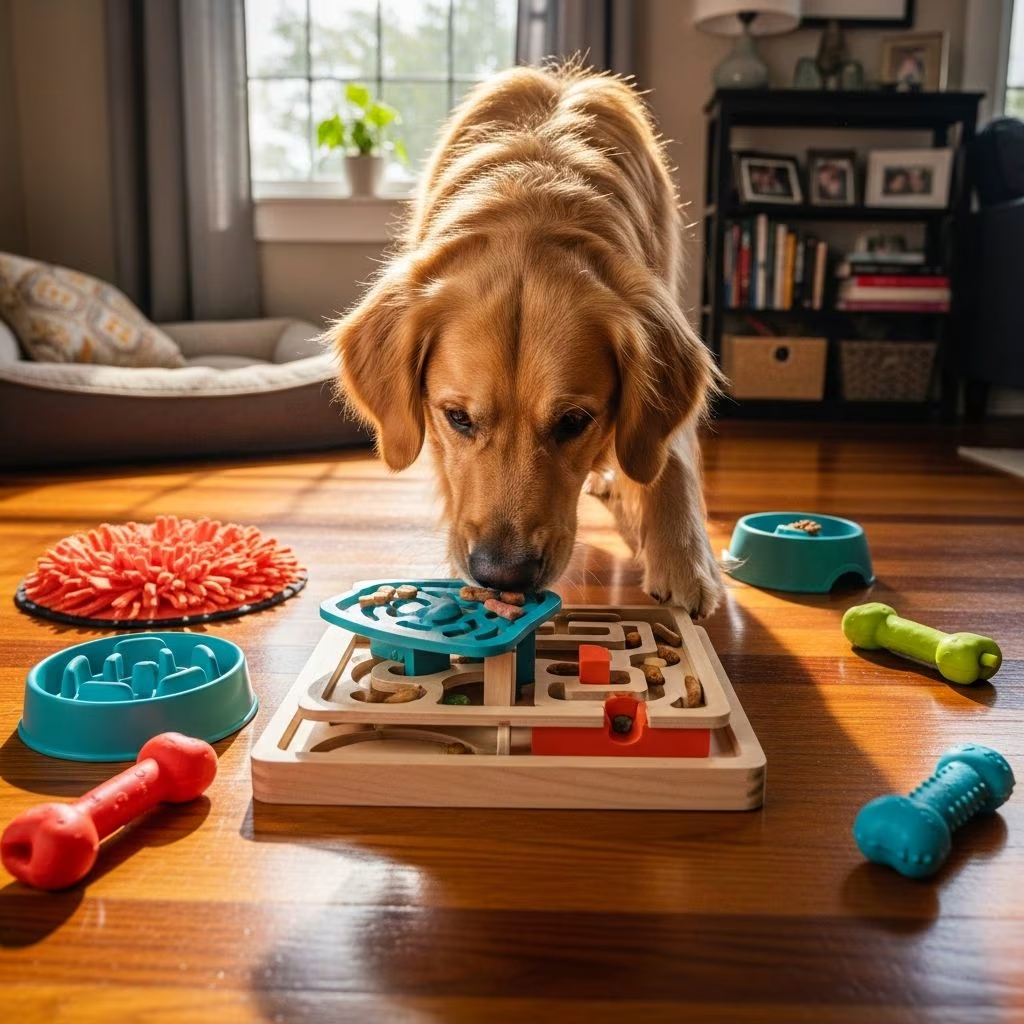
Engaging your dog’s mind through targeted mental workouts is essential for their overall health, offering benefits that rival physical exercise in importance. These activities sharpen cognitive skills, alleviate boredom-induced issues, and foster a deeper connection between you and your pet.
Why Mental Stimulation Matters for Canine Health
Dogs thrive on intellectual challenges just as much as they do on runs or walks. Without sufficient brain engagement, they can develop problematic behaviors like excessive barking, chewing, or hyperactivity. Regular mental workouts promote neural growth, enhance problem-solving abilities, and maintain sharpness into old age.
Research highlights that dogs receiving consistent cognitive challenges show improved memory, better emotional regulation, and even a potentially longer lifespan—up to 15% in some surveys. This isn’t just about fun; it’s a proactive step against age-related decline, similar to brain games for humans.
Key Advantages of Brain Training for Dogs
Mental exercises deliver multifaceted gains, impacting everything from daily obedience to long-term wellness. Here’s a breakdown:
- Cognitive Enhancement: Builds new neural pathways, improving learning speed and retention.
- Behavioral Correction: Redirects energy from destructive habits to constructive tasks, reducing anxiety and impulsivity.
- Emotional Resilience: Lowers stress hormones, leading to calmer, more confident dogs.
- Physical Synergy: Complements exercise by tiring the mind, often resulting in better sleep and less hyperactivity.
- Bonding Boost: Shared activities strengthen trust and communication, making training more effective.
| Benefit | Impact on Dog | Owner Perk |
|---|---|---|
| Sharper Focus | Quicker command mastery | Easier daily management |
| Reduced Stress | Less whining or pacing | Quieter home environment |
| Better Health | Slower aging effects | Lower vet costs long-term |
Essential Principles for Effective Mental Training
Success hinges on proven methods rooted in positive reinforcement. Reward successes with treats, praise, or play to encourage repetition—punishment only breeds fear. Keep sessions short (5-15 minutes) to match attention spans, gradually increasing complexity as skills grow.
Tailor challenges to your dog’s breed, age, and energy level. High-drive breeds like Border Collies need intricate puzzles, while laid-back companions like Bulldogs benefit from simple scent games. Consistency is key: aim for daily sessions to build habits.
Beginner-Friendly Brain Games to Try Today
Start with household items for zero-cost fun. These games build foundational skills like focus and impulse control.
- Treat Hide-and-Seek: Hide kibble under cups or blankets. Teach “find it” to engage sniffing instincts.
- Name Game: Place toys in view, say a toy’s name, and reward correct selection. Expands vocabulary up to 200 words for smart pups.
- Muffin Tin Challenge: Stuff a tin with treats under tennis balls. Promotes dexterity and patience.
Progress to interactive toys like Kongs filled with peanut butter or snuffle mats, which mimic foraging and slow eating.
Advanced Challenges for Peak Performance
Once basics are mastered, level up to sophisticated tasks that mimic working dog roles. These demand strategy and adaptability.
- Puzzle Boards: Multi-step feeders requiring levers or sliders. Ideal for independent thinkers.
- Shell Game: Shuffle cups with a treat underneath. Teaches tracking and deception recognition.
- DIY Agility Mazes: Cardboard tunnels with decision points. Combines mental and mild physical effort.
- Trick Ladders: Chain commands like “spin, paw, rollover.” Boosts sequencing and memory.
For service dog aspirants, incorporate scent discrimination or task simulation, focusing on reliability under distraction.
Age-Specific Mental Routines
Puppies: Building the Foundation
Young dogs have sponge-like brains—capitalize with socialization games and basic puzzles. Short bursts prevent overwhelm, setting lifelong learning patterns.
Adults: Sustaining Peak Cognition
Prime age for variety: rotate toys weekly to prevent habituation. Nosework classes excel here, tapping natural talents.
Seniors: Combating Decline
Gentle memory games and familiar routines preserve dignity. Studies confirm these slow dysfunction, keeping seniors engaged and independent.
Common Roadblocks and Fixes
Frustration arises if games are too hard—scale back and rebuild confidence. Monitor for over-arousal; end sessions positively. Track progress in a journal to spot trends.
Pro Tip: Rotate activities to maintain novelty, as familiarity reduces challenge.
Integrating Mental Work into Daily Life
Transform routines: use meal times for puzzles, walks for scent hunts, downtime for tricks. This seamless approach ensures sustainability without extra time.
Group playdates or obedience classes add social cognition, vital for well-rounded development.
Frequently Asked Questions
How often should I do mental workouts with my dog?
Daily 10-20 minute sessions yield best results, adjusted for energy levels. Consistency trumps intensity.
Can mental games help with separation anxiety?
Yes, by building independence and confidence. Pair with gradual alone-time practice.
What if my dog loses interest?
Switch games, add high-value rewards, or shorten sessions. Novelty reignites engagement.
Are puzzle toys safe for all dogs?
Supervise initially; choose durable, non-toxic options sized appropriately to avoid choking.
Does breed matter for these activities?
Adapt to traits—herding breeds love complexity, hounds prefer scents—but all benefit.
Tools and Resources Overview
| Type | Examples | Best For |
|---|---|---|
| Interactive Toys | Kong, Nina Ottosson puzzles | Solo play, mealtime |
| Apps/Tracks | Scent trails, flirt poles | Outdoor adventures |
| Classes | Nosework, agility | Social stimulation |
Invest in quality items; they pay off in saved furniture and vet bills from better health.
References
- Understanding Dog Cognitive Training: Enhance Your Pet’s Mind — iPuppee. 2023. https://ipuppee.com/blogs/news/understanding-dog-cognitive-training
- 5 Powerful Benefits of Mental Stimulation for Dogs — Pawparazzi Resort. 2023. https://pawparazziresort.com/mental-stimulation-for-dogs/
- Games That Provide Cognitive Training And Entertainment For Dogs — Vets of the Seas. 2023-04-10. https://vots.vet/2023/04/10/games-that-provide-cognitive-training-and-entertainment-for-dogs/
- Mental Stimulation for Dogs: Activities, Benefits, and Rules — Woofz. 2023. https://www.woofz.com/blog/more-mental-stimulation-for-dog/
- The Benefits Of Training A Dog For Its Mental And Emotional Well-Being — VetIQ UK. 2023. https://vetiq.co.uk/pet-tips/dog-tips/the-benefits-of-training-a-dog-for-its-mental-and-emotional-well-being/
- The Surprising Benefits of Teaching Your Dog Tricks — K9 University. 2023. https://myk9u.com/surprising-benefits-of-teaching-your-dog-tricks/
- The Benefits of Providing Your Dog Mental Stimulation — Rover.com. 2023. https://www.rover.com/blog/mental-stimulation-for-dogs/



