

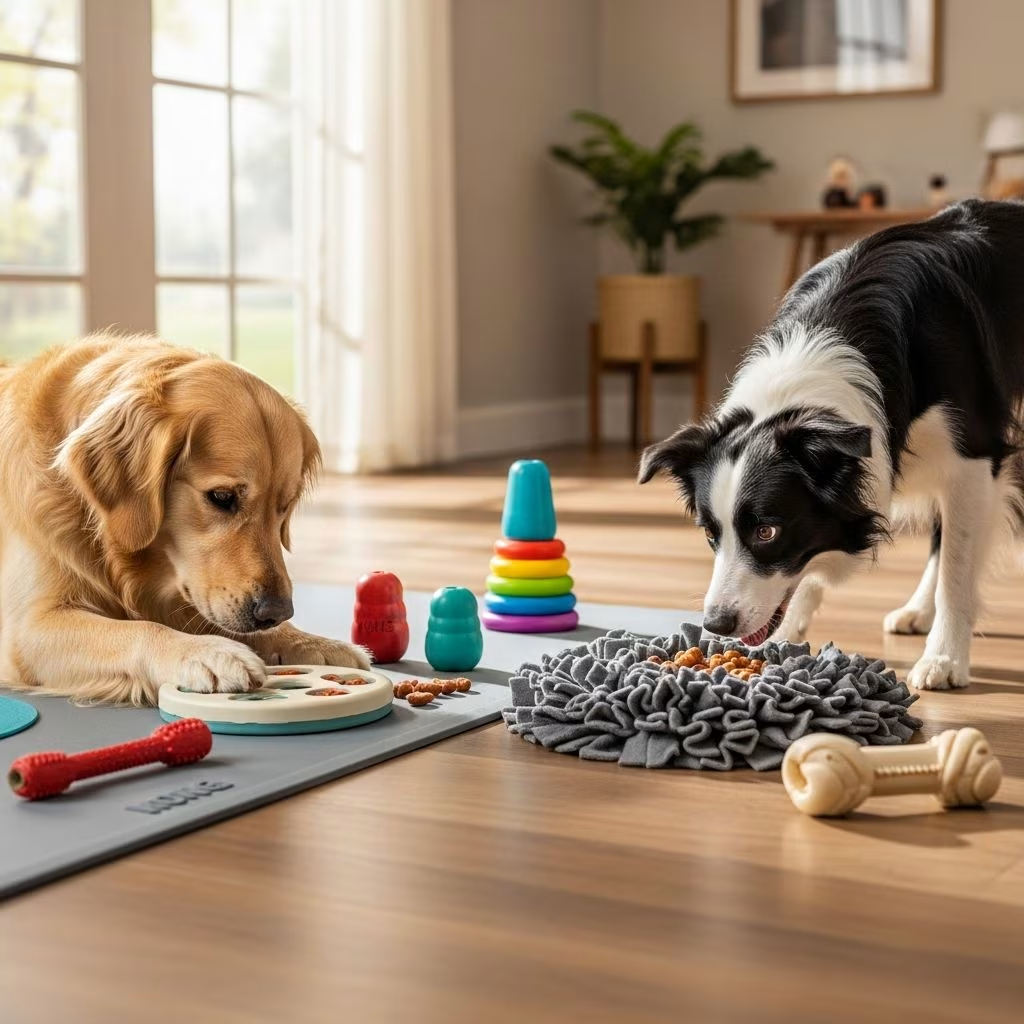
Mental Stimulation for Dogs: Best Activities and Exercises
Keeping your dog’s mind engaged is crucial to keeping them happy and healthy. A dog who has proper mental stimulation will typically be well-behaved, calm, and content. If you find your dog getting into a lot of trouble, being disruptive, destroying things around the house, or they seem very hyper, then giving their mind what it needs to stay engaged is super important. Mental stimulation encompasses activities and exercises designed to challenge your dog’s cognitive abilities and encourage them to think, problem-solve, and engage in natural behaviors.
Importance of Mental Stimulation for Dogs
Mental stimulation is a critical component of your dog’s overall well-being. When dogs are made to follow too many strict rules and fit into the human world without a chance to be a dog, certain behavioral issues may arise. Similar to how physical exercise keeps your muscles loose and your body healthy, it is equally important to keep your dog’s brain active and strong.
Key benefits of mental stimulation include:
- Prevents boredom and destructive behaviors
- Builds confidence and problem-solving skills
- Reduces stress and anxiety levels
- Helps prevent cognitive decline in older dogs
- Creates balance and emotional satisfaction
- Promotes overall happiness and well-being
Mental stimulation provides creates balance in your dog’s life and prevents behavioral problems. When dogs engage their minds through enrichment activities, they tap into their natural instincts and ancestral behaviors, which leads to a more content and well-adjusted pet. Dogs have an extensive range of natural behaviors, including physical exercise, problem-solving, exploring, digging, chewing, and social interactions with both people and other dogs.
How to Provide Mental Stimulation for Dogs
Providing the right stimulation for your pup is very specific to that individual dog. Just like each human enjoys certain types of exercise, certain dogs enjoy different types of mental stimulation better than others. The key is to recognize your dog’s individual needs and tailor activities accordingly.
Keeping your dog’s brain active means that you are allowing them to partake in behaviors that bring them back to their roots before they were domesticated. Allowing them to sniff, dig, and search are great ways to start. Certain breeds of dogs may require higher levels of enrichment in their daily lives to meet their physical and emotional needs. For example, a long sniff walk and cuddle with their pet parent may be perfectly adequate for one dog, but another may require multiple enrichment activities combined throughout the day.
Best Activities for Mental Stimulation
Playing Hide and Seek
Did you know you could play hide and seek with your dog? This game is fun for everyone involved and provides excellent mental stimulation. Ask your dog to sit or have someone hold them on a leash while you hide behind the door in another room, on the side of the couch, or in other locations around your home. Once hidden, call your dog to come find you. This activity engages their tracking instincts and problem-solving abilities while strengthening your bond through interactive play.
Using Puzzle Toys
Puzzle toys allow your dog to build confidence and problem-solving skills. These interactive toys require dogs to figure out how to access treats or toys hidden within them, mimicking the foraging behaviors that dogs would naturally engage in. When picking a puzzle for your dog, it is important to know your dog’s temperament and abilities. If they are timid or get nervous easily, pick an easy puzzle and work your way up. You can even leave some of the pieces open or easily available for them to encourage success and maintain confidence.
Treat-puzzle games are a fun and easy way to stimulate the dog’s senses and encourage them to use their natural instincts. Playing and chewing releases feel-good chemicals in the brain, which keeps dogs happy, busy, and using up energy in positive ways.
Taking Them to an Agility Course
Agility courses build your dog’s focus, concentration, problem-solving skills, and impulse control. All of these are great ways to tap into your dog’s mental stimulation. When a dog hits the agility course, they are working on many different skills that make them use their brain to figure out the course. They need to determine their speed, what piece of equipment their human wants them to take, navigate obstacles, and much more. Agility training provides both mental and physical exercise, making it an excellent enrichment activity for energetic dogs.
Letting Them Munch on Frozen Treats
Frozen snacks are a great form of mental stimulation, especially in the hot summer months. Dogs are instinctively driven to chew; this is another way to allow them to get in touch with their ancestral behaviors. By fulfilling this primal need, you can help provide emotional satisfaction and relief. Frozen treats slow down consumption and require sustained engagement, keeping your dog mentally occupied for extended periods. Always watch your dog when they are chewing on something to make sure they are doing it safely and not attempting to swallow large pieces.
Practice Training
Training with your dog for a five-minute session, working on behaviors they know or you want them to learn, is great mental stimulation for them. It allows them to do critical thinking and get their wheels turning. Training sessions can include teaching new tricks such as high-five, crawl, sit pretty, spin, unwind, or hoop jumping. Each training session gives your dog plenty of mental stimulation and confidence-building opportunities. Keeping the sessions short and fun is the best way to build a bond with your pup while maintaining their engagement and enthusiasm.
Taking Nature Walks with New Routes
Switching your route allows your dog an entirely new outlook. A new route provides your dog with new smells, views, and textures. Scent games or sniff walks are a way to allow your dog to engage in their ancestral behaviors, tapping into those natural sniffing abilities. Changing up your route allows you to prevent your dog from getting bored or too familiar with their typical walking spot. Each new environment presents different olfactory and visual stimuli, keeping your dog’s mind engaged and curious throughout your walks together.
Additional Enrichment Activities
Beyond the main activities listed above, there are numerous other enrichment ideas that can provide mental stimulation for your dog:
- Snuffle mats that encourage foraging and sniffing behaviors
- Lure coursing that taps into prey drive in controlled environments
- Frisbee and running games for active engagement
- Herding and treibball that provide enrichment through problem-solving
- Training games that switch between excitement and discipline
- Providing choices to your dog about which way to walk or what to sniff
- Creating a safe refuge or retreat space for relaxation
Mental Stimulation and Behavioral Issues
Mental stimulation can help your behavioral dog by giving them an outlet. It can also help ease their stress and anxiety. Boredom can show up in unwanted behaviors such as barking, destroying household items, apathy, aggression, licking and chewing, and pooping or peeing inside. When dogs lack adequate mental stimulation, they often express their frustration through destructive or disruptive behaviors.
If your dog is suffering from behavioral issues, it is important to seek the help of a trainer to figure out the best way to assist your dog. A professional trainer can assess your dog’s individual needs and help develop a customized enrichment plan. The goal of enrichment is not unlimited chances to engage in problematic behaviors, but to create enjoyable and appropriate opportunities for your dog to express natural behaviors in constructive ways.
Types of Mental Stimulation
Mental stimulation can take many forms and isn’t limited to just enrichment games. Dog sports, play, training, foraging and walks all offer dogs an opportunity to use their brains in beneficial ways. Social enrichment is also essential for dogs and can help individuals cope with stress. This is particularly important for dogs that may struggle with being left alone, as well as for those that might be a bit overenthusiastic about meeting new friends.
The right balance of social interactions can help your dog learn what’s appropriate, reducing the likelihood of unwanted behaviors. Dogs are a social species and require interactions with other dogs, other pets, and people. They tend to form close bonds with others, and it is important to maintain these positive social interactions to prevent individuals becoming afraid or losing the ability to know how to interact appropriately with others.
Food-Based Mental Stimulation
Providing enrichment opportunities that involve food, such as foraging or problem-solving tasks via puzzles or food dispensing toys, are great ways to add variety and mental stimulation at meal times and prevent boredom. Treat-dispensing toys provide plenty of mental enrichment and can be used to distribute your dog’s regular meals in more engaging ways. Making dogs work to get treats or even all of their food by solving the puzzles offered by enrichment toys is a natural fusion of feeding and mental exercise.
Bottom Line
Mental stimulation is important to have a balanced dog. A dog who has a proper amount of mental stimulation will be a happy and well-behaved dog. This can keep your dog’s mind in tip-top shape as they age; it will also build their confidence, problem-solving skills, and help reduce their anxiety. No matter their age, breed or size, all dogs have a natural desire to engage in enriching mental and physical activities. Just because you don’t have a working dog doesn’t mean your dog doesn’t love to be busy.
By incorporating various mental stimulation activities into your daily routine, you provide your dog with the cognitive engagement they need to thrive. Whether through puzzle toys, training sessions, scent games, or varied walking routes, mental stimulation is an investment in your dog’s long-term health, happiness, and behavioral well-being.
Frequently Asked Questions (FAQs)
Q: What are the benefits of mental stimulation for dogs?
A: Mental stimulation can help build confidence, reduce anxiety, prevent destructive behaviors, and help create a well-mannered dog. It also helps prevent cognitive decline in older dogs and promotes overall happiness and emotional balance.
Q: How can mental stimulation help with behavioral issues in dogs?
A: Mental stimulation can help your behavioral dog by giving them an outlet. It can also help ease their stress and anxiety. If your dog is suffering from behavioral issues, it is important to seek the help of a trainer to figure out the best way to assist your dog.
Q: How often should I provide mental stimulation activities for my dog?
A: Mental stimulation should be incorporated into your dog’s daily routine. This can include short training sessions (5-10 minutes), varied walking routes, puzzle toy play, and other enrichment activities throughout the day based on your dog’s individual needs and energy levels.
Q: What types of puzzle toys are best for dogs?
A: Choose puzzle toys appropriate for your dog’s skill level and temperament. Start with easier puzzles if your dog is timid or new to puzzle toys, and gradually increase difficulty. Options include treat-dispensing toys, snuffle mats, and interactive puzzle games that require problem-solving.
Q: Are there mental stimulation activities for dogs with limited mobility or older dogs?
A: Yes, older dogs and those with limited mobility can benefit from low-impact mental stimulation such as puzzle toys, sniff walks at a slower pace, training sessions focusing on tricks they know, and problem-solving games that don’t require physical agility.
Q: Can mental stimulation help prevent behavioral problems?
A: Yes, providing adequate mental stimulation helps prevent boredom-related behaviors like excessive barking, destructive chewing, and aggression. It also reduces stress and anxiety, contributing to a calmer and better-behaved dog overall.
References
- Mental Stimulation for Dogs: Best Activities and Exercises — Kinship. 2024. https://www.kinship.com/dog-behavior/mental-stimulation-for-dogs
- How to Make Your Dog’s Life Better with Canine Enrichment — Kinship. 2024. https://www.kinship.com/dog-behavior/enrichment-ideas-for-dogs
- 5 Types of Enrichment Every Dog Needs — Kinship. 2024. https://www.kinship.com/uk/dog-behaviour/types-of-dog-enrichment
- How to Tell if Your Dog Is Bored and What to Do About It — Kinship. 2024. https://www.kinship.com/dog-behavior/bored-dogs



