

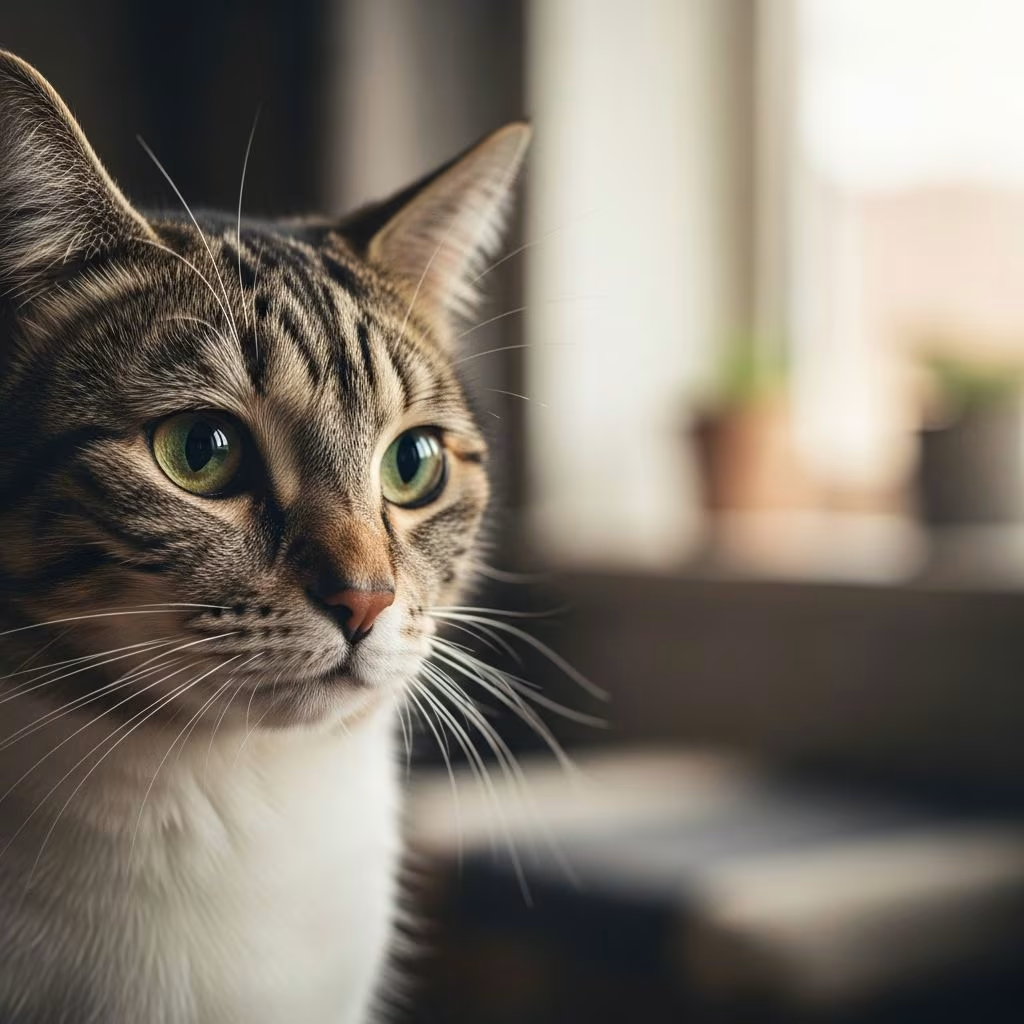
Pet owners often wonder whether cats experience psychological conditions similar to humans. The reality is more complex than a simple yes or no. While cats cannot develop schizophrenia as humans understand it, they do experience various mental health challenges that can significantly impact their quality of life. Understanding these conditions is essential for recognizing when your feline companion needs professional help.
The Reality of Feline Mental Health
Cats possess complex nervous systems and emotional capabilities that make them susceptible to psychological disturbances. Mental illness in pets is a recognized veterinary concern, though the manifestations differ from human psychiatry. Cats can experience depression, anxiety disorders, obsessive-compulsive behaviors, and cognitive decline as they age. These conditions are not simply behavioral quirks; they represent genuine psychological distress that warrants veterinary attention.
The challenge lies in recognizing that cats cannot communicate their emotional state through words. Instead, their psychological distress manifests through behavioral and physical changes that observant owners can learn to identify.
Anxiety Disorders in Feline Companions
Anxiety is one of the most common mental health issues affecting cats. Anxiety disorders in cats display through multiple recognizable symptoms, ranging from behavioral changes to physical manifestations.
Key Indicators of Feline Anxiety
- Excessive vocalization — While cats naturally meow for communication, anxious cats often produce excessive meowing in different tones than their typical vocalizations
- Appetite fluctuations — Anxiety can cause cats to eat significantly more or less than usual
- Gastrointestinal disturbances — Some anxious cats experience vomiting or diarrhea related to their emotional state
- Increased reactivity — Anxious cats may respond defensively or aggressively toward their owners, other pets, or household visitors
- Restlessness and pacing — Continuous movement without apparent purpose often indicates underlying anxiety
- Inappropriate elimination — Stress-related urination or defecation outside the litter box is common
- Hiding behavior — Withdrawal from family and retreat to secluded spaces reflects anxiety or fear
Depression in Cats: A Serious Condition
Feline depression shares similar symptoms with anxiety but carries distinct characteristics. Depression significantly alters a cat’s behavior, appearance, and health. Unlike humans who can articulate their sadness, depressed cats communicate their emotional state through withdrawal and behavioral changes.
Behavioral Manifestations of Depression
A previously playful and active cat may suddenly show disinterest in favorite toys and activities. Depressed cats often isolate themselves, spending excessive time resting while ignoring family members they previously enjoyed. The shift from normal social interaction to withdrawn behavior serves as an important diagnostic clue.
Physical Symptoms Associated with Depression
Depression produces tangible physical changes in cats. Weight fluctuations represent among the most visible signs of depressive episodes. A cat may lose significant weight through reduced appetite or gain weight through stress-related overeating. Additionally, increased vocalization patterns, including unusual sounds like whining or yowling, often accompany depression.
Environmental and Internal Causes
Depression rarely emerges without underlying causes. Chronic pain or physical discomfort frequently triggers depressive behaviors in cats, including arthritis, dental problems, and undiagnosed injuries. Additionally, hormonal imbalances from conditions like hyperthyroidism can profoundly affect mood and behavior.
Environmental factors also play significant roles. Stressful living conditions including overcrowding, pet conflicts, and exposure to loud noises can lead to stress and depression. Changes in social dynamics matter greatly; cats struggle with losses (such as when a household member moves away) and also become depressed when new individuals arrive, including new babies or newly adopted pets.
Obsessive-Compulsive Disorder in Felines
Obsessive-compulsive disorder in cats involves repeated, exaggerated behaviors lacking apparent purpose. Unlike occasional grooming or play, OCD behaviors consume excessive time and often result in self-injury.
Common OCD Manifestations
- Over-grooming to the point of exposing bare skin and causing irritation
- Constant pacing or repetitive movement patterns
- Excessive vocalization without environmental triggers
- Sucking, chewing, or consuming non-food items like fabric or plastic
- Overeating or undereating beyond normal variation
- Tail chasing that persists beyond playful behavior
- Swatting at or attacking imaginary prey
Certain cat breeds, particularly Siamese and other Asian breeds, demonstrate higher susceptibility to OCD. This suggests genetic predisposition plays a role in developing these conditions.
Distinguishing OCD from Medical Issues
Veterinarians emphasize thorough medical evaluation before diagnosing psychological OCD. Behavioral abnormalities warrant investigation into parasites, fungal infections, bacterial infections, allergies, and skin cancer. Testing should also examine lead poisoning, thyroid disorders, high blood pressure, vitamin deficiencies, and liver or kidney problems. Brain lesions, neurological disorders like epilepsy, spinal disc ruptures, and hearing loss can all produce behaviors resembling OCD.
Feline Hyperesthesia Syndrome: A Specialized Neurological Condition
Feline Hyperesthesia Syndrome is a rare disorder causing cats to react painfully to physical stimuli that normally shouldn’t cause pain. Also termed “rippling skin disorder,” this condition produces distinctive rippling motions across the back and muscles when episodes occur.
FHS typically affects mature cats of any age and manifests through dramatic behavioral changes. Additional signs include salivation, wild vocalization, and uncontrolled urination. Affected cats may attempt to attack the source of their perceived pain, resulting in concerning behaviors like aggression toward family members or other household pets.
Treatment options include pharmaceutical interventions with medications like amitriptyline, fluoxetine, phenobarbital, prednisolone, or Gabapentin. Behavioral management through scheduled feeding and play times, combined with avoiding triggers like touching the cat’s back, helps reduce episodes.
Cognitive Dysfunction in Senior Cats
As cats age, neurological changes can affect cognitive function dramatically. Feline Cognitive Dysfunction, sometimes called senility, primarily affects elderly cats over 15 years old. This condition causes progressive mental deterioration that fundamentally alters how cats interact with their environment.
The Neurological Basis
Beta amyloid deposits accumulate in affected cats’ brains, the same waxy protein responsible for Alzheimer’s disease in humans. This explains why cognitive dysfunction mirrors some aspects of human dementia, including memory loss and disorientation.
Recognizing Cognitive Dysfunction
Memory, learning ability, awareness, and sensory perception all deteriorate in cats with feline cognitive dysfunction. This deterioration produces observable behavioral changes including disrupted sleep patterns, disorientation, and reduced activity levels.
Early signs often include litter box problems, suggesting memory loss regarding learned bathroom locations. As the condition progresses, cats may become confused in familiar spaces, getting stuck in corners and unable to navigate obstacles they previously managed easily. Aimless wandering and an inability to recognize family members or familiar pets become evident.
Behavioral and Emotional Changes
Cognitive dysfunction triggers anxiety and behavioral changes in senior cats. Increased vocalization, including more urgent meowing, reflects both anxiety and cognitive confusion. Sleep-wake cycles become disrupted, with cats sleeping excessively during the day while vocalizing more at night. Some cats become irritable or show aggression, while others withdraw from social interactions.
Stress as an Underlying Factor
Stress frequently underlies or exacerbates multiple mental health conditions in cats. Stress can trigger excessive and compulsive grooming, sometimes causing bald spots or skin irritation. Behavioral responses to stress vary widely among individual cats but consistently indicate emotional distress.
Recognizing stress manifestations helps owners intervene early:
- Avoidance or hiding from family members
- Aggression or heightened irritability
- Changes in appetite and eating patterns
- Alterations in vocalization frequency or tone
- Litter box avoidance or inappropriate elimination
Diagnostic Approaches and Veterinary Evaluation
Accurate diagnosis of feline mental health conditions requires comprehensive veterinary assessment. Veterinarians must rule out physiological problems before diagnosing mental illness. This involves blood work, fecal and skin testing, and potentially food elimination trials to identify underlying medical causes.
The diagnostic process prioritizes identifying treatable physical conditions. Many behavioral symptoms overlap with medical issues, meaning physical health problems must be addressed first. Only after medical causes are eliminated can behavioral or psychological diagnoses be confirmed.
When to Seek Professional Help
Cat owners should consult veterinary professionals when noticing significant behavioral changes. Sudden shifts in appetite, elimination habits, vocalization patterns, or social behavior warrant professional evaluation. Since many behavioral symptoms indicate underlying medical conditions, early veterinary intervention is crucial.
Progressive behavioral decline in senior cats deserves particular attention. Age-related cognitive dysfunction benefits from early recognition and management, potentially slowing progression through environmental modifications and pharmaceutical support.
Supporting Your Cat’s Mental Health
While professional treatment is essential for diagnosed conditions, environmental management supports overall mental wellbeing. Reducing stressors, maintaining consistent routines, providing appropriate enrichment, and ensuring comfortable resting spaces all contribute to emotional stability. Regular veterinary check-ups, particularly for senior cats, help identify emerging issues before they become severe.
Conclusion
Cats experience genuine mental health challenges that require recognition and treatment. While they cannot develop schizophrenia specifically, they do experience anxiety, depression, obsessive-compulsive behaviors, and cognitive decline. Understanding these conditions empowers cat owners to recognize symptoms, seek appropriate veterinary care, and provide supportive environments for their feline companions. Mental health is integral to overall wellness, and addressing psychological distress significantly improves quality of life for cats of all ages.
References
- Anxiety Disorders in Cats — PetMD. Accessed February 2026. https://www.petmd.com/cat/conditions/behavioral/anxiety-disorders-cats
- Cat Depression and Compulsive Behaviors — ASPCA Pet Insurance. Accessed February 2026. https://www.aspcapetinsurance.com/resources/cat-depression/
- Is Your Cat Depressed? Signs and Causes — Many Pets. Accessed February 2026. https://manypets.com/us/blog/cat-depression/
- OCD, FHS, and Mental Illness in Cats — Pet Place. Accessed February 2026. https://www.petplace.com/article/cats/pet-behavior-training/crazy-cats-can-cats-be-mentally-ill
- Older Cats with Behavior Problems — ASPCA. Accessed February 2026. https://www.aspca.org/pet-care/cat-care/common-cat-behavior-issues/older-cats-behavior-problems
- 7 Signs Your Cat Is Stressed and Tips to Help Them — CareCredit. Accessed February 2026. https://www.carecredit.com/well-u/pet-care/signs-cat-stress/
- Diagnosing Behavior Problems in Cats — Merck Veterinary Manual. Accessed February 2026. https://www.merckvetmanual.com/cat-owners/behavior-of-cats/diagnosing-behavior-problems-in-cats
- What You Should Know About Mental Illness in Pets — OVRS. Accessed February 2026. https://www.ovrs.com/blog/mental-illness-in-pets/



