

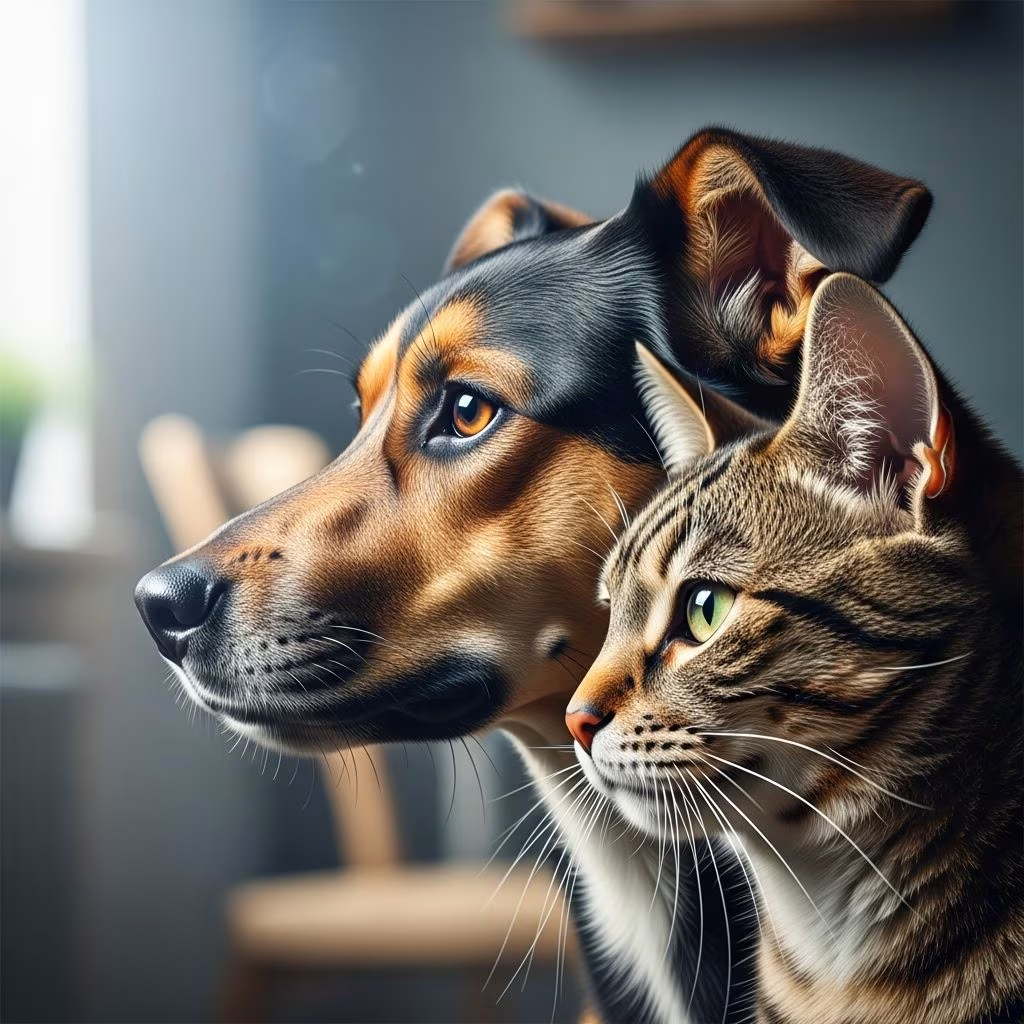
Meningoencephalitis refers to the simultaneous inflammation of the brain (encephalitis) and the protective membranes surrounding it and the spinal cord (meningitis). In pets like dogs and cats, this condition demands urgent veterinary attention due to its potential for severe neurological damage or fatality if untreated.
Understanding the Anatomy and Pathology
The brain and spinal cord of pets are shielded by three layers of meninges: the dura mater, arachnoid mater, and pia mater. These delicate tissues, along with the cerebrospinal fluid (CSF), provide cushioning and nutrient delivery. When inflammation strikes, it disrupts this balance, leading to swelling, increased intracranial pressure, and impaired neural function.
In pets, meningoencephalitis can stem from infectious agents breaching the blood-brain barrier or from non-infectious immune-mediated processes. This dual nature complicates diagnosis and treatment, requiring a multifaceted veterinary approach.
Primary Causes in Dogs and Cats
Pet meningoencephalitis arises from diverse etiologies, broadly categorized into infectious and non-infectious types.
Infectious Triggers
- Bacterial Infections: Common culprits include Streptococcus species, Listeria monocytogenes, and gram-negative bacteria like Pseudomonas. These often enter via ear infections, wounds, or bloodstream spread.
- Viral Pathogens: Canine distemper virus frequently causes meningoencephalitis in unvaccinated dogs, while feline infectious peritonitis (FIP) virus affects cats, leading to dry-form neurological manifestations.
- Fungal and Parasitic Agents: Fungi such as Cryptococcus and Aspergillus thrive in certain environments, while protozoa like Toxoplasma gondii pose risks to immunocompromised pets.
Non-Infectious Origins
Immune-mediated meningoencephalitis (IMME), also known as granulomatous meningoencephalomyelitis (GME), predominates in breeds like Poodles, Boxers, and Terriers. Idiopathic inflammation or breed predispositions trigger misguided immune responses attacking neural tissues.
| Cause Type | Common in Dogs | Common in Cats | Risk Factors |
|---|---|---|---|
| Bacterial | High (ear infections) | Moderate | Immunosuppression |
| Viral | Distemper | FIP | Unvaccinated status |
| Immune-Mediated | GME, Pug Dog Encephalitis | Rare | Genetic predisposition |
| Fungal | Blastomycosis | Cryptococcosis | Outdoor exposure |
Recognizing Clinical Signs
Early detection hinges on spotting subtle to severe symptoms. Pets may exhibit:
- Fever, lethargy, and loss of appetite as initial nonspecific signs.
- Neurological deficits: head tilt, circling, seizures, ataxia (wobbly gait), or paralysis.
- Meningeal irritation: neck pain, hypersensitivity to touch, or rigid posture.
- Behavioral changes: confusion, aggression, blindness, or coma in advanced cases.
In dogs, Pug Dog Encephalitis presents with rapid-onset seizures and depression. Cats with FIP-related meningoencephalitis often show ocular issues alongside neurological signs.
Diagnostic Approaches
Veterinarians employ a stepwise protocol for confirmation.
- Physical and Neurological Exam: Assess reflexes, cranial nerves, and proprioception to localize lesions.
- Advanced Imaging: MRI or CT scans reveal brain swelling, lesions, or hydrocephalus. MRI excels in delineating white matter changes in GME.
- Cerebrospinal Fluid Analysis: Lumbar puncture yields CSF for cell count, protein levels, and culture. Pleocytosis (elevated white cells) indicates inflammation; bacterial cases show neutrophilic predominance, viral lymphocytic.
- Laboratory Tests: Bloodwork, serology for viruses, PCR for pathogens, and infectious disease titers (e.g., distemper, toxoplasmosis).
- Biopsy: Rarely, meningeal or brain tissue sampling confirms immune-mediated disease.
Treatment Strategies
Management prioritizes rapid intervention to curb progression.
Supportive Care
- IV fluids for hydration and electrolyte balance.
- Seizure control with phenobarbital or levetiracetam.
- Reduce intracranial pressure via mannitol, hypertonic saline, or corticosteroids.
Targeted Antimicrobial Therapy
For bacterial cases, empirical broad-spectrum antibiotics like ceftriaxone and vancomycin are initiated pre-CSF results, adjusted per culture sensitivity.
Viral infections receive supportive care; antivirals like acyclovir target herpes simplex analogs if suspected. Fungal treatments involve prolonged amphotericin B or fluconazole courses.
Immunosuppressive Protocols
Non-infectious meningoencephalitis responds to prednisone (2-4 mg/kg/day) tapered over months, often combined with cyclosporine or mycophenolate. Radiation therapy aids refractory GME cases.
Prognosis and Long-Term Outlook
Outcomes vary widely:
- Bacterial: Good with prompt antibiotics; mortality drops below 20% in treated pets.
- Viral (e.g., Distemper): Guarded; survivors face chronic deficits.
- Immune-Mediated: 50% remission with immunosuppression, but relapse common; Pug Dog Encephalitis has poor prognosis (months survival).
- Fungal: Challenging due to poor CNS penetration; chronic therapy needed.
Survivors require lifelong monitoring, physiotherapy for mobility, and quality-of-life assessments.
Prevention and Risk Mitigation
Proactive measures significantly reduce incidence:
- Maintain core vaccinations: distemper, rabies for dogs; FVRCP for cats.
- Control ectoparasites to prevent vector-borne infections.
- Promptly treat ear/skin infections to block bacterial ascension.
- Limit exposure in endemic fungal areas (e.g., Ohio River Valley for blastomycosis).
- Regular wellness exams for early detection in predisposed breeds.
When to Seek Emergency Care
Rush to a veterinary ER if your pet shows sudden seizures, coma, unrelenting head pressing against walls, or inability to stand. Time-sensitive treatment can salvage lives and preserve function.
Frequently Asked Questions (FAQs)
What is the most common cause of meningoencephalitis in dogs?
Immune-mediated diseases like GME are frequent, alongside infectious causes such as distemper virus.
Can cats recover fully from meningoencephalitis?
Recovery depends on cause; FIP cases have poor prognosis, but bacterial meningitis responds well to antibiotics.
Is meningoencephalitis contagious to humans?
Rarely; fungal forms like cryptococcosis pose zoonotic risk, but most are species-specific.
How much does treatment cost?
Expect $2,000-$10,000+ for diagnostics, hospitalization, and medications; pet insurance offsets expenses.
Are there home remedies?
No; this is a medical emergency requiring professional intervention—do not delay.
Pet owners play a pivotal role in vigilance and adherence to veterinary guidance, potentially turning dire diagnoses into manageable conditions.
References
- Managing Meningoencephalitis in Indian ICU — PMC/NCBI. 2019-09-01. https://pmc.ncbi.nlm.nih.gov/articles/PMC6707493/
- Meningitis – symptoms, causes and treatments — healthdirect.gov.au. 2023-01-01. https://www.healthdirect.gov.au/meningitis
- Meningitis and Encephalitis — BrainFacts.org (NINDS). 2022-01-01. https://www.brainfacts.org/diseases-and-disorders/neurological-disorders-az/diseases-a-to-z-from-ninds/meningitis-and-encephalitis
- Encephalitis and Meningitis — URMC Rochester. 2024-01-01. https://www.urmc.rochester.edu/highland/departments-centers/neurology/conditions-we-treat/encephalitis-meningitis
- Meningitis – Symptoms and causes — Mayo Clinic. 2025-01-01. https://www.mayoclinic.org/diseases-conditions/meningitis/symptoms-causes/syc-20350508
- Meningitis — World Health Organization (WHO). 2024-04-17. https://www.who.int/news-room/fact-sheets/detail/meningitis



