

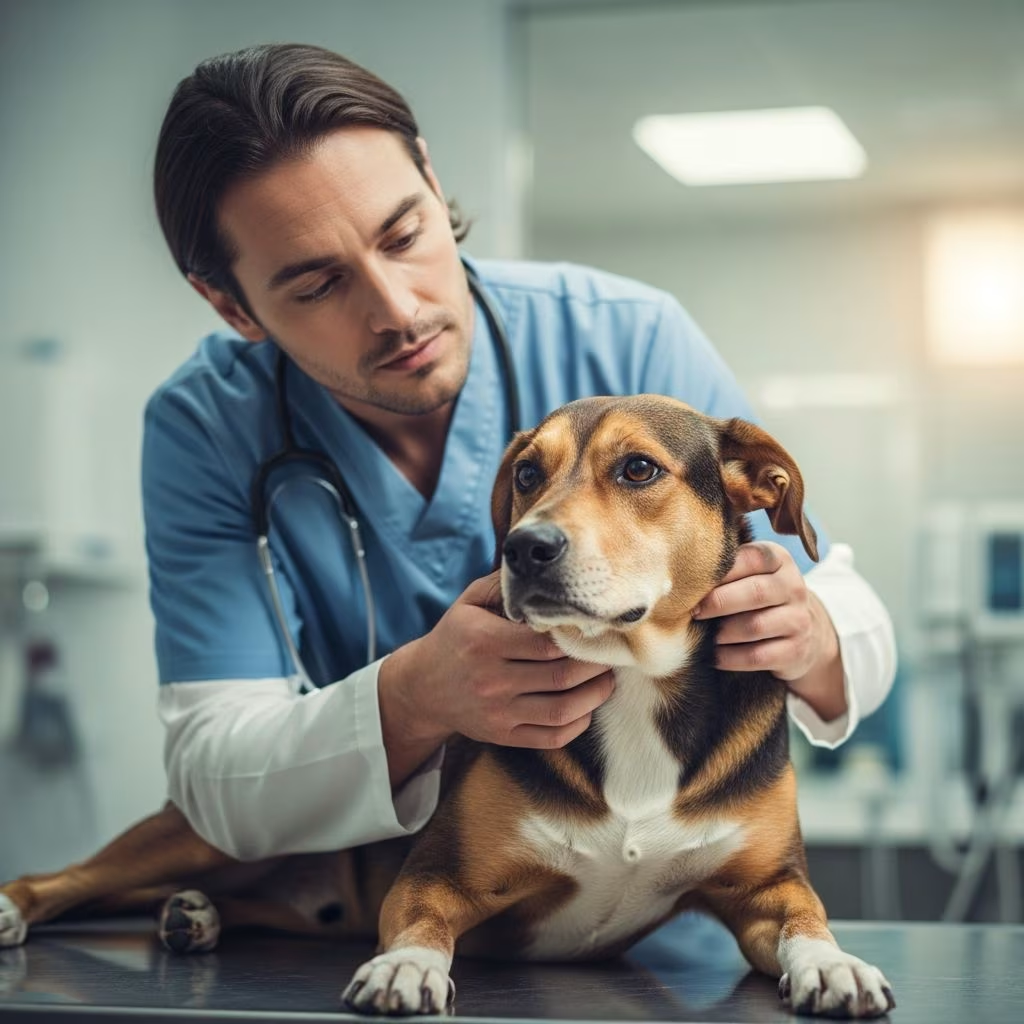
Understanding Meningitis in Dogs
Meningitis is an uncommon but potentially serious condition that affects dogs of all ages and breeds. The condition refers to inflammation of the meninges, which are delicate membranes that surround and protect the brain and spinal cord. When these protective membranes become inflamed, they can disrupt normal nervous system function, leading to a range of clinical signs and potentially life-threatening complications. Understanding this condition is crucial for pet owners, as early recognition and treatment can significantly improve outcomes.
The meninges consist of three layers: the outermost dura mater, the middle arachnoid, and the innermost pia mater. These layers work together to cushion the brain and spinal cord while maintaining the delicate biochemical environment necessary for proper nervous system function. When inflammation occurs, the protective barrier between the central nervous system and the rest of the body can become compromised, allowing harmful substances to affect neural tissue.
Causes of Meningitis in Dogs
Meningitis in dogs can result from multiple infectious and non-infectious causes. Understanding the underlying cause is essential for determining appropriate treatment and prognosis.
Infectious Causes
Bacterial meningitis is the most common infectious form of the disease in dogs. Common bacterial organisms include Streptococcus, Staphylococcus, and E. coli. Bacterial infections typically enter the central nervous system through bite wounds, inner ear infections, or contaminated spinal taps. Once bacteria reach the cerebrospinal fluid, they can rapidly multiply and cause severe inflammation.
Viral meningitis can occur in dogs, most commonly caused by the canine distemper virus or herpes virus. These viral infections may be less common than bacterial cases but can still result in serious neurological complications. Fungal infections represent another infectious cause, requiring prolonged treatment with specialized antifungal medications.
Protozoal and parasitic infections can also lead to meningitis, particularly in dogs exposed to contaminated environments or infected vectors. Tick-borne diseases such as Lyme disease represent an important cause in certain geographic regions. Additionally, certain algae and other uncommon organisms have been documented as causative agents.
Non-Infectious Causes
Steroid-responsive meningitis (SRM), also known as steroid-responsive meningitis-arteritis (SRMA), represents the most common type of non-infectious meningitis. This is an immune-mediated disorder in which the dog’s own immune system attacks the meninges and blood vessel walls in the central nervous system. The underlying cause of this autoimmune response remains unknown in most cases.
Other non-infectious causes include exposure to certain toxins or drugs, immune-mediated inflammatory responses, and idiopathic cases where no identifiable cause can be determined despite thorough investigation.
Clinical Signs and Symptoms
Dogs with meningitis typically display a characteristic set of clinical signs that may develop acutely or progress gradually depending on the underlying cause.
The most common clinical signs include:
- Fever (elevated body temperature)
- Generalized pain, which may be severe
- Rigidity and stiffness of the neck
- Lethargy and depression
- Poor appetite or refusal to eat
- Decreased water intake
- Reluctance to move or exercise
- Sensitivity to light (photophobia)
- Hyperexcitability or altered behavior
- Intention tremors (trembling when attempting movement)
- Seizures
- Head tilt
- Circling
- Ataxia (loss of coordination)
- Blindness or vision changes
The severity and combination of signs can vary significantly between individual dogs. Some animals may present with primarily cervical (neck) pain and fever, while others may exhibit more dramatic neurological signs such as seizures or paralysis. In some cases, clinical signs may develop suddenly, while in others they emerge gradually over several days.
Diagnosis of Meningitis
Accurate diagnosis of meningitis requires a comprehensive approach combining multiple diagnostic techniques. Your veterinarian will begin with a thorough physical examination and detailed history of your dog’s clinical signs and any potential exposure to infectious agents.
Diagnostic Procedures
Laboratory blood work is essential for initial evaluation. Blood tests help assess overall health status, identify potential infections, and evaluate organ function. These tests may reveal elevated white blood cell counts or other abnormalities suggesting infection or inflammation.
Imaging studies are crucial for diagnosing meningitis. Magnetic resonance imaging (MRI) is considered the gold standard for assessing inflammation of the meninges and identifying specific problem areas within the brain and spinal cord. MRI can reveal characteristic changes in the cerebrospinal fluid and meningeal enhancement that suggest meningitis. X-rays may also be performed to rule out other conditions or evaluate the spine.
Cerebrospinal fluid (CSF) analysis through spinal tap is the most definitive diagnostic test. During this procedure, a needle is carefully inserted into the space around the spinal cord to collect a small sample of cerebrospinal fluid. This fluid is then analyzed for cell counts, protein levels, glucose concentration, and the presence of infectious organisms. The pattern of cells and biochemical markers in the CSF helps determine whether meningitis is present and suggests the likely underlying cause.
CSF culture and sensitivity testing can identify specific bacterial organisms and determine which antibiotics will be most effective for treatment. This test is particularly important for bacterial meningitis, as it guides antibiotic selection and improves treatment outcomes.
Treatment Options
The treatment approach for meningitis depends largely on the underlying cause. Treatment typically combines specific medications targeting the causative agent with supportive care to manage symptoms and promote recovery.
Treatment by Cause
Bacterial Meningitis: Dogs diagnosed with bacterial meningitis are typically treated with antibiotics. Your veterinarian may initially prescribe a broad-spectrum antibiotic covering common bacterial organisms. Once CSF culture results and sensitivity testing are available, the antibiotic may be adjusted to specifically target the bacteria identified. Antibiotics may be given intravenously for severe cases or orally for less critical situations. In many cases, hospitalization is necessary to provide close monitoring and supportive care.
Viral Meningitis: Antiviral medications may be prescribed for viral meningitis, though these medications may not be effective against all virus types. Supportive care becomes particularly important in viral cases.
Fungal Meningitis: Fungal infections require long-term treatment with antifungal medications such as itraconazole. These medications may be given orally or intravenously depending on the specific fungal organism and severity of infection.
Steroid-Responsive Meningitis: Dogs with steroid-responsive meningitis typically respond well to corticosteroid therapy, particularly prednisone. Dogs are initially started on a relatively high dose of prednisone, which is then gradually tapered over the first several weeks of treatment. Long-term prednisone treatment lasting up to a year or longer may be required to prevent relapse and maintain remission of clinical signs.
Supportive Care
All dogs with meningitis require comprehensive supportive care tailored to their individual needs and symptom severity. Intravenous fluid therapy helps maintain hydration and electrolyte balance, particularly important for dogs that are not eating or drinking normally. Pain medications are essential for managing the often-severe pain associated with meningitis, significantly improving quality of life during recovery.
Additional supportive measures may include anticonvulsant medications for dogs experiencing seizures, bed rest to allow the body to focus energy on fighting infection and inflammation, and careful nursing care including bladder management through expression or catheterization if necessary. Nutritional support through assisted feeding or tube feeding may be required for dogs unable to eat independently.
Prognosis and Recovery
The prognosis for dogs with meningitis varies significantly depending on multiple factors including the underlying cause, severity of infection, whether irreversible nervous tissue damage has occurred, and how quickly treatment is initiated. Early diagnosis and prompt treatment are crucial for achieving the best possible outcomes.
Many dogs affected by meningitis make a full recovery with appropriate treatment, though recovery commonly requires several months. Some dogs show improvement within days of starting appropriate medications, while others require extended treatment periods. Recovery may be gradual, with some residual neurological effects persisting in certain cases.
The prognosis also depends on the specific type of meningitis. Dogs with bacterial meningitis caused by susceptible organisms and treated promptly often have a favorable prognosis. Fungal meningitis may require extended treatment lasting weeks to months. Steroid-responsive meningitis often responds well to appropriate corticosteroid therapy, though relapses can occur if long-term treatment is discontinued prematurely.
Unfortunately, some cases have a poor prognosis, particularly when the infection has caused irreversible damage to nervous tissue or when treatment is delayed. Dogs with severe disseminated disease affecting multiple areas of the central nervous system typically have a more guarded prognosis than those with focal involvement.
Prevention and Risk Reduction
While not all cases of meningitis can be prevented, certain measures can reduce your dog’s risk of developing this serious condition. Maintaining current vaccinations protects against certain infectious agents that can cause meningitis, including distemper virus. Prompt treatment of any infections your dog develops, particularly bite wounds, ear infections, or bone infections, helps prevent spread to the central nervous system.
Tick prevention is important in areas where tick-borne diseases such as Lyme disease are prevalent, as these infections can lead to meningitis. Maintaining good dental hygiene helps prevent oral infections that could potentially spread. Avoiding situations where your dog might sustain bite wounds reduces the risk of infection-related meningitis.
When to Seek Veterinary Care
If your dog develops fever combined with neck stiffness, severe pain, or any of the neurological signs associated with meningitis, seek immediate veterinary care. The earlier meningitis is diagnosed and treated, the better the prognosis. Do not delay seeking professional veterinary evaluation if your dog displays any combination of fever, severe generalized pain, behavioral changes, or neurological signs.
Frequently Asked Questions
Q: Can meningitis in dogs be contagious to other dogs?
A: Some infectious causes of meningitis, such as certain viral or bacterial infections, may be contagious between dogs. However, many cases of meningitis, particularly steroid-responsive meningitis, are not contagious. Your veterinarian can advise you regarding the specific contagiousness of your dog’s condition based on the underlying cause.
Q: How long does treatment for meningitis typically last?
A: Treatment duration varies significantly depending on the underlying cause. Acute bacterial meningitis may require several weeks to months of antibiotic therapy. Fungal meningitis often requires several months to years of antifungal treatment. Steroid-responsive meningitis may require long-term prednisone therapy lasting up to a year or longer to prevent relapse.
Q: What are the side effects of prednisone treatment for steroid-responsive meningitis?
A: Common side effects of prednisone include increased thirst and urination, increased appetite, and increased susceptibility to infection. Long-term steroid use requires careful monitoring by your veterinarian to manage these side effects and adjust dosages appropriately.
Q: Can meningitis cause permanent neurological damage?
A: In some cases, meningitis can cause irreversible damage to nervous tissue, potentially resulting in permanent neurological deficits. However, many dogs recover completely or nearly completely when treated promptly and appropriately. The likelihood of permanent damage depends on the severity of infection and how quickly treatment is initiated.
Q: What is the cost of treating meningitis in dogs?
A: Treatment costs vary depending on the diagnostic procedures required, the specific medications needed, whether hospitalization is necessary, and the duration of treatment. Comprehensive diagnosis including MRI and CSF analysis can be expensive, and long-term medication therapy adds to overall costs. Discuss financial considerations with your veterinarian early in the treatment process.
References
- Meningitis in Dogs — VCA Animal Hospitals. 2024. https://vcahospitals.com/know-your-pet/meningitis-in-dogs
- Meningitis in Dogs – Causes, Treatment and Associated Conditions — Vetster. 2024. https://vetster.com/en/conditions/dog/meningitis
- Treatment and Prevention of Dog Meningitis — PetCareRx. 2024. https://www.petcarerx.com/article/treatment-and-prevention-of-dog-meningitis/1645
- Meningitis and Encephalitis in Dogs — Merck Veterinary Manual. 2024. https://www.merckvetmanual.com/dog-owners/brain-spinal-cord-and-nerve-disorders-of-dogs/meningitis-and-encephalitis-in-dogs
- Meningitis in Dogs: Everything a Pet Parent Needs To Know — PetMD. 2024. https://www.petmd.com/dog/conditions/musculoskeletal/meningitis-dogs-everything-pet-parent-needs-know
- Steroid Responsive Meningitis-Arteritis (SRMA) — Fitzpatrick Referrals. 2024. https://www.fitzpatrickreferrals.co.uk/neurology/steroid-responsive-meningitis-arteritis-srma/



