

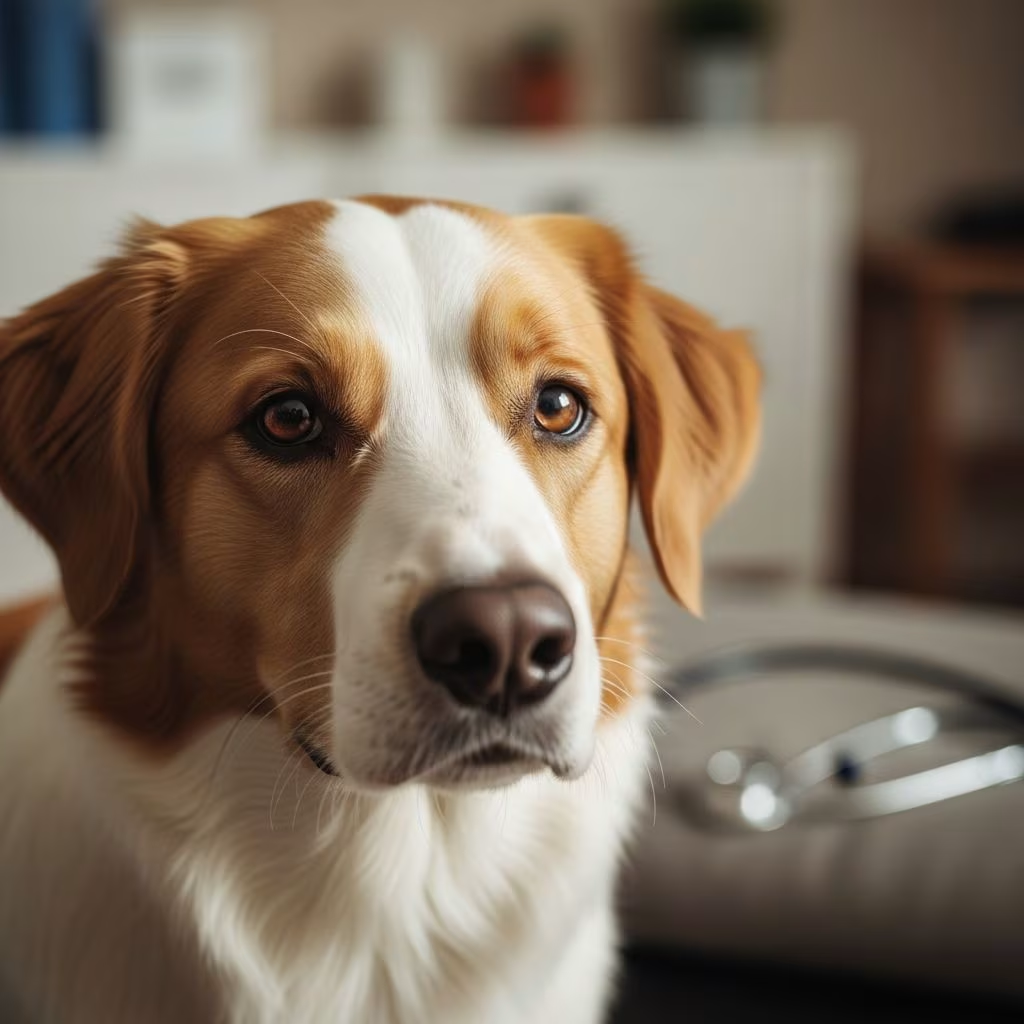
Meningitis in dogs involves inflammation of the protective membranes surrounding the brain and spinal cord, known as the meninges. This serious condition can arise from various infectious agents or immune system issues, often presenting with fever, pain, and neurological deficits. Early detection through veterinary diagnostics is crucial for improving survival rates and quality of life.
Understanding the Anatomy and Role of the Meninges
The meninges consist of three layers: the dura mater, arachnoid mater, and pia mater. These tissues provide a barrier against pathogens, cushion the central nervous system, and facilitate cerebrospinal fluid (CSF) circulation. When inflamed, they disrupt normal brain function, leading to pain and impaired mobility. In canines, this inflammation can spread rapidly if untreated, affecting young and adult dogs alike.
Primary Causes of Canine Meningitis
Canine meningitis stems from infectious or non-infectious origins. Infectious types often result from pathogens entering via bloodstream from distant sites like ears or wounds.
- Bacterial Infections: Common culprits include Streptococcus, Staphylococcus, E. coli, and Pasteurella, frequently spreading from bite wounds, sinusitis, or otitis.
- Viral Infections: Canine distemper virus and herpesvirus are notable, though vaccination has reduced incidence.
- Fungal and Protozoal: Agents like Cryptococcus, Histoplasma, Blastomyces, Toxoplasma, and Neospora thrive in soil or contaminated environments.
- Parasitic and Other: Tick-borne diseases (e.g., Ehrlichia from Lyme) or algae can invade the CNS.
Non-infectious forms include steroid-responsive meningitis-arteritis (SRMA), an immune-mediated disorder prevalent in breeds like Beagles and Boxers, and idiopathic cases with unknown triggers.
Recognizing Early Warning Signs
Symptoms vary by cause and severity but often include systemic and neurological indicators. Pet owners should watch for:
- Fever and lethargy, with dogs appearing depressed or unwilling to move.
- Neck stiffness or rigidity, causing a hunched posture.
- Hypersensitivity to touch, yelping during petting or collar handling.
- Loss of appetite, vomiting, or seizures in advanced cases.
- Paralysis, circling, or head pressing against walls.
These signs mimic other conditions like intervertebral disc disease, underscoring the need for prompt veterinary evaluation.
Diagnostic Approaches for Accurate Identification
Veterinarians employ a multi-step process to confirm meningitis and pinpoint causes.
- Physical Exam and History: Assessing fever, pain response, and recent exposures.
- Blood Tests: Complete blood count (CBC) reveals elevated white cells; chemistry panels check organ function.
- Imaging: X-rays rule out skeletal issues; MRI or CT scans visualize meningeal thickening and brain involvement.
- CSF Analysis: Via cisternal puncture, evaluating cell counts (pleocytosis >500 WBCs/μL, neutrophil predominance in bacterial cases) and protein levels.
Advanced tests like PCR detect specific pathogens.
Treatment Strategies Tailored to the Cause
Therapy targets the underlying etiology while providing supportive care. Hospitalization is common for severe cases.
| Cause Type | Primary Treatments | Duration/Supportive Care |
|---|---|---|
| Bacterial | Broad-spectrum antibiotics (e.g., doxycycline, clindamycin); adjust per culture | 4-8 weeks; IV fluids, pain meds |
| Viral | Supportive; antivirals if applicable | Variable; anticonvulsants for seizures |
| Fungal/Protozoal | Antifungals (itraconazole) or clindamycin (10-40 mg/kg/day) | Months; monitor with imaging |
| SRMA/Immune-Mediated | Prednisone (high initial dose, taper over weeks) | Up to 1 year; immunosuppressants if relapse |
Pain management with opioids or NSAIDs, alongside fluids for hydration and anticonvulsants like phenobarbital, is standard. Physical therapy aids recovery in recumbent patients.
Prognosis and Factors Influencing Recovery
Outcomes range from excellent to guarded. Bacterial cases with early antibiotics often resolve fully, while fungal infections demand prolonged therapy and carry higher mortality. SRMA responds well to steroids, with relapse possible if tapered too quickly. Irreversible CNS damage from delays worsens prognosis. Recent studies highlight cytosine arabinoside for granulomatous meningoencephalitis (GME) and radiation for focal lesions.
Prevention Measures for Proactive Pet Owners
Minimize risks through:
- Core vaccinations against distemper and herpes.
- Tick preventives to block Ehrlichia and Lyme.
- Prompt treatment of ear/skin infections.
- Avoiding endemic fungal areas; clean wounds immediately.
- Breed-specific screening for SRMA-prone lines.
Regular wellness exams catch predispositions early.
Breeds at Heightened Risk and Genetic Factors
Certain breeds face elevated susceptibility: Beagles, Bernese Mountain Dogs, Boxers, and German Shorthaired Pointers for SRMA; French Bulldogs and Pugs for infectious forms due to brachycephalic anatomy. Genetic testing may emerge for immune-mediated types.
Home Care During and After Treatment
Post-discharge, provide a quiet recovery space, assist with mobility, ensure hydration via elevated bowls, and monitor for relapse signs like renewed fever. Adhere to medication schedules; gradual prednisone tapering prevents Addisonian crisis. Nutritional support with high-quality diets bolsters immunity.
When to Seek Emergency Veterinary Care
Rush to an ER if your dog shows rapid deterioration: unrelenting seizures, coma, or paralysis. Time-sensitive intervention via MRI-guided care can be lifesaving.
FAQs on Canine Meningitis
What is the most common type of meningitis in dogs?
Steroid-responsive meningitis-arteritis (SRMA) is prevalent, especially in young adults of certain breeds.
Can meningitis in dogs be cured completely?
Many cases resolve with treatment, but chronic forms like fungal may require lifelong management.
Is meningitis contagious from dog to dog?
Infectious types via shared pathogens (e.g., distemper) can spread, but direct transmission is rare.
How long does recovery take?
Weeks to months; infectious cases average 4-6 weeks, immune-mediated up to a year.
Can vaccines prevent all meningitis?
No, but they reduce viral risks; focus on comprehensive parasite control.
References
- Meningitis in Dogs — VCA Animal Hospitals. 2023. https://vcahospitals.com/know-your-pet/meningitis-in-dogs
- Meningitis and Encephalitis in Dogs — Merck Veterinary Manual. 2024-02-28. https://www.merckvetmanual.com/dog-owners/brain-spinal-cord-and-nerve-disorders-of-dogs/meningitis-and-encephalitis-in-dogs
- Meningitis in Dogs: Everything a Pet Parent Needs To Know — PetMD. 2024. https://www.petmd.com/dog/conditions/musculoskeletal/meningitis-dogs-everything-pet-parent-needs-know
- Meningitis in Dogs – Causes, Treatment and Associated Conditions — Vetster. 2024. https://vetster.com/en/conditions/dog/meningitis
- Treatment and Prevention of Dog Meningitis — PetCareRx. 2023. https://www.petcarerx.com/article/treatment-and-prevention-of-dog-meningitis/1645



