

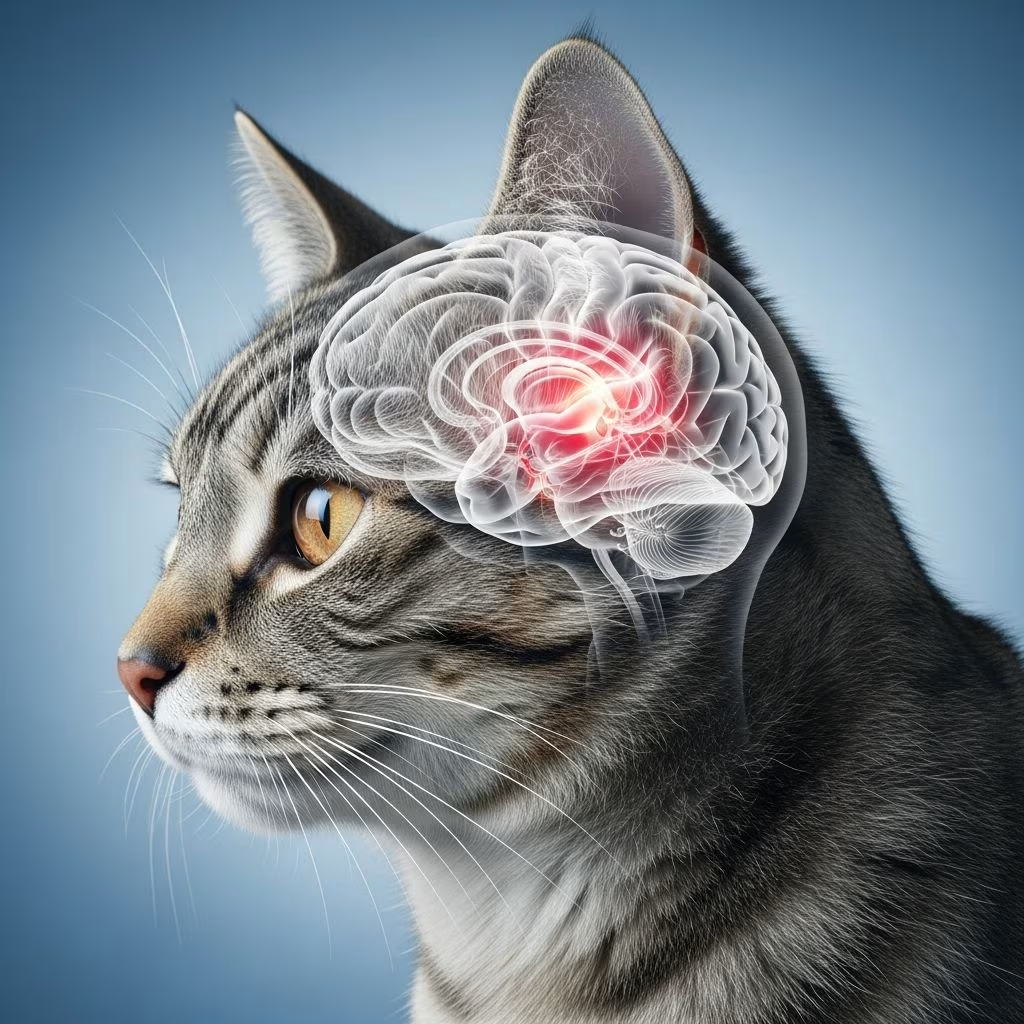
Feline meningitis involves inflammation of the protective membranes surrounding the brain and spinal cord, while encephalitis targets the brain tissue itself. When both occur together as meningoencephalitis, cats face significant neurological threats that demand prompt attention. These conditions, though uncommon, can arise from infections, immune issues, or unknown origins, leading to varied symptoms and requiring tailored veterinary strategies.
Recognizing the Warning Signs
Early detection hinges on observing subtle behavioral shifts. Cats with pure meningitis often show fever, neck stiffness, and muscle spasms without overt brain involvement. However, progression to meningoencephalitis introduces severe indicators like lethargy, vision loss, facial or limb weakness, coordination loss, convulsions, personality alterations, head tilting, circling, or even coma.
- Fever and hypersensitivity to touch around the neck
- Rigidity in posture, reluctance to move
- Depression or unusual aggression
- Balance issues, stumbling, or falling
- Seizures ranging from mild tremors to full-body convulsions
- Loss of appetite and dehydration signs
These manifestations vary by inflammation site and intensity, making vigilance essential for cat owners.
Primary Causes Behind the Inflammation
Multiple triggers spark these disorders. Infectious agents top the list, including bacteria, viruses, fungi, and parasites that breach the blood-brain barrier. Bacterial cases might stem from ear infections or systemic spread, while fungal infections like cryptococcosis thrive in certain environments. Protozoal parasites, such as Toxoplasma, pose risks especially to outdoor cats.
Non-infectious origins include immune-mediated responses where the body erroneously attacks its own neural tissues. Idiopathic forms, labeled meningoencephalomyelitis of unknown origin (MUO), challenge diagnosis despite advanced testing. Trauma, tumors, or abscesses occasionally contribute by irritating meninges or brain matter.
| Cause Type | Examples | Common Risk Factors |
|---|---|---|
| Infectious | Bacteria, Fungi, Viruses, Protozoa | Outdoor exposure, weakened immunity |
| Immune-Mediated | Autoimmune attacks | Genetic predisposition, prior infections |
| Idiopathic | MUO | Unknown; young to middle-aged cats |
| Other | Tumors, Trauma | Accidents, chronic diseases |
Diagnostic Approaches for Accurate Identification
Veterinarians start with a thorough history and physical exam, noting neurological deficits. Blood tests reveal infections or inflammation markers, while urinalysis rules out systemic issues. Imaging like MRI or CT scans visualizes brain lesions, inflammation, or structural anomalies.
The gold standard remains cerebrospinal fluid (CSF) analysis via spinal tap, checking cell counts, proteins, and pathogens through culture or PCR. This distinguishes infectious from non-infectious cases.
- Initial clinical assessment and bloodwork
- Advanced imaging (MRI/CT)
- CSF collection and lab analysis
- Targeted tests for specific pathogens (e.g., toxoplasmosis serology)
These steps confirm etiology, guiding effective interventions.
Treatment Strategies Tailored to the Cause
Therapy targets the root while managing symptoms. Infectious meningitis demands pathogen-specific drugs: antibiotics for bacteria, antifungals like ketoconazole for fungi, antiprotozoals for parasites, and supportive antivirals where available.
Immune-mediated or steroid-responsive types respond to corticosteroids such as prednisone or dexamethasone, starting high and tapering to avoid relapse. Additional immunosuppressants like cytarabine or lomustine aid refractory cases.
Supportive measures prove crucial across all types:
- IV fluids for hydration
- Pain relief and anti-inflammatories
- Anticonvulsants (e.g., phenobarbital) for seizures
- Nutritional support and physical therapy
- Hospitalization for monitoring severe cases
Surgery addresses abscesses or tumors. Long-term protocols, sometimes lifelong, ensure relapse prevention.
Prognosis and Factors Influencing Recovery
Outcomes hinge on cause, timeliness, and damage extent. Infectious cases with early antibiotics boast fair to good prognoses, while viral or fungal variants carry guarded views due to chronicity. Immune-mediated conditions often improve markedly with steroids, though monitoring prevents side effects like immunosuppression.
MUO in cats shows promising results; studies note many regain normalcy post-immunomodulation. Irreversible neural harm from delayed care worsens odds, emphasizing urgency.
Preventive Measures for Cat Owners
Minimize risks through core preventives: vaccinations against feline distemper and leukemia reduce secondary infections. Keep cats indoors to evade parasites and fungi. Routine wellness checks catch predispositions early.
Maintain hygiene, provide balanced nutrition bolstering immunity, and watch for tick exposure in endemic areas. Promptly treat ear or respiratory infections to block spread.
FAQs on Feline Meningitis and Encephalitis
Is meningitis contagious between cats?
Rarely; depends on infectious agent. Bacterial or viral forms may transmit via close contact, but most cases are sporadic.
How quickly do symptoms progress?
Variable: hours in acute infections to days/weeks in chronic ones. Seek vet care at first signs.
Can home remedies help?
No; professional diagnosis and treatment essential. Supportive home care follows vet guidance.
What are steroid side effects in cats?
Increased thirst/urination, appetite surge, infection risk. Monitored tapering mitigates these.
Is recovery full for most cats?
Possible with early intervention; some retain mild deficits.
Long-Term Management After Diagnosis
Post-acute phase focuses on relapse prevention. Regular vet follow-ups assess neurological status and adjust meds. Owners track behavior, weight, and mobility, reporting anomalies swiftly.
Environmental adaptations like low-sided litter boxes aid mobility-challenged cats. Anti-seizure meds continue if needed, with diet tweaks supporting liver health during prolonged therapy.
Emotional support matters; affected cats may become clingy or withdrawn. Patience and routine foster adjustment.
References
- Encephalitis and Meningitis in Cats — PetCareRx. Accessed 2026. https://www.petcarerx.com/article/encephalitis-and-meningitis-in-cats/6420
- Meningitis and Encephalitis in Cats — Merck Veterinary Manual. Accessed 2026. https://www.merckvetmanual.com/cat-owners/brain-spinal-cord-and-nerve-disorders-of-cats/meningitis-and-encephalitis-in-cats
- Meningitis and Encephalitis in Cats — MSD Veterinary Manual. Accessed 2026. https://www.msdvetmanual.com/cat-owners/brain-spinal-cord-and-nerve-disorders-of-cats/meningitis-and-encephalitis-in-cats
- Meningitis in Cats — VCA Animal Hospitals. Accessed 2026. https://vcahospitals.com/know-your-pet/meningitis-in-cats
- Meningitis in Dogs and Cats — Dr. Judy Morgan. Accessed 2026. https://drjudymorgan.com/blogs/blog/meningitis-in-dogs-and-cats
- Feline meningoencephalomyelitis of unknown origin — PMC – NIH. 2017-10-05. https://pmc.ncbi.nlm.nih.gov/articles/PMC5603942/



