

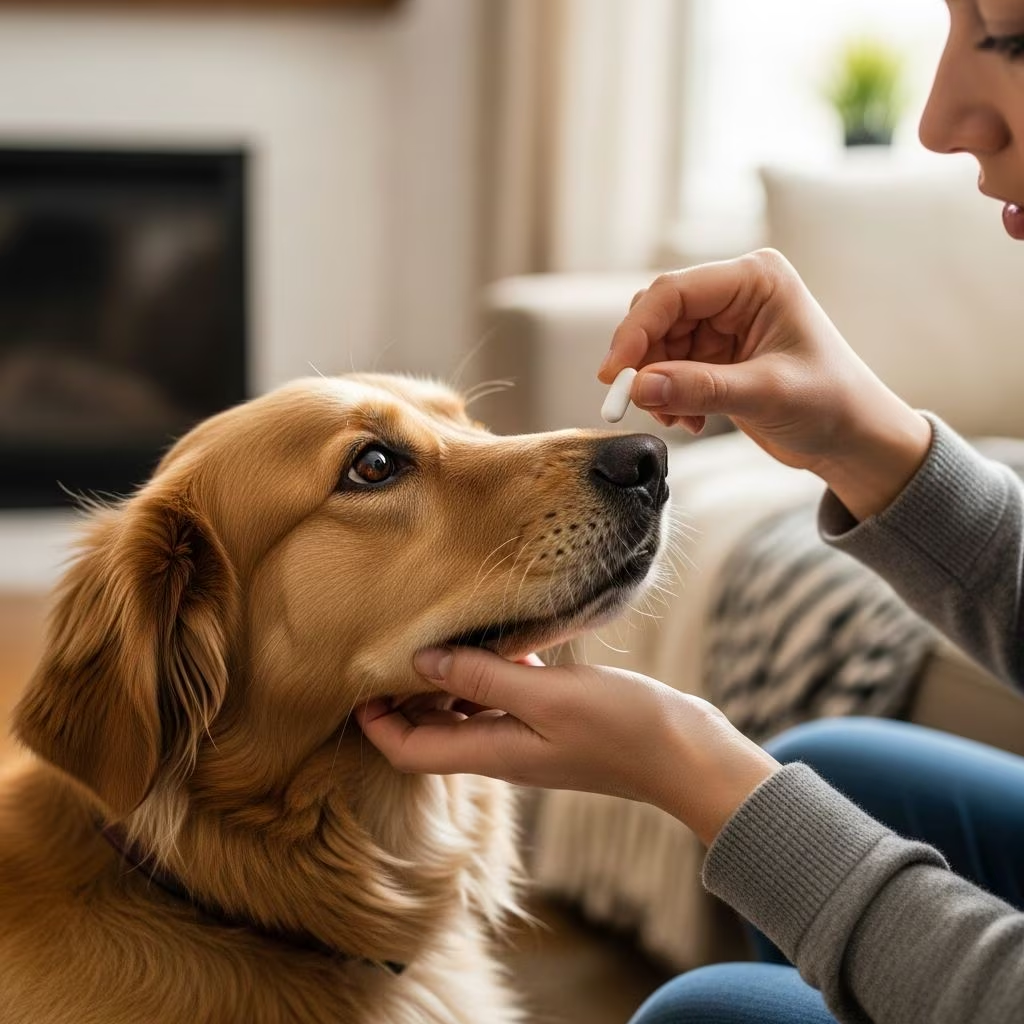
Meloxicam stands as a cornerstone non-steroidal anti-inflammatory drug (NSAID) in veterinary medicine, primarily employed to alleviate pain and reduce inflammation in dogs and cats. By selectively inhibiting cyclooxygenase-2 (COX-2) enzymes, it minimizes prostaglandin production, which contributes to swelling, discomfort, and fever without overly disrupting protective stomach prostaglandins produced by COX-1. This targeted action makes it suitable for both acute post-surgical recovery and chronic conditions like osteoarthritis.
Understanding the Mechanism and Therapeutic Benefits
Meloxicam belongs to the oxicam class of NSAIDs and works by blocking the enzymes responsible for inflammation. In pets, this leads to effective pain control, improved mobility, and enhanced quality of life. For dogs, it proves particularly useful in managing musculoskeletal disorders, while in cats, it targets post-operative discomfort following procedures like ovariohysterectomy. Veterinary professionals often initiate treatment with an injection for rapid onset, transitioning to oral forms for ongoing management.
Clinical applications span a wide range: from suppressing inflammation in chronic joint issues to providing relief after orthopedic surgeries. Studies and veterinary guidelines highlight its efficacy in reducing lameness scores and improving activity levels within days of administration.
Dosage Guidelines Tailored for Dogs
Precise dosing is critical for efficacy and safety in canine patients. For dogs, the standard protocol begins with an initial loading dose of 0.2 mg/kg body weight, administered orally, subcutaneously (SC), intravenously (IV), or intramuscularly (IM) on the first day. This is followed by a maintenance dose of 0.1 mg/kg once daily, every 24 hours.
Formulations include oral suspensions (e.g., 1.5 mg/ml for larger dogs), tablets (1 mg or 2.5 mg), and injectable solutions (5 mg/ml). Veterinarians adjust based on weight, condition severity, and organ function. For example:
| Weight Range | Initial Dose (Day 1) | Maintenance Dose |
|---|---|---|
| 5-10 kg | 1-2 mg (0.2 mg/kg) | 0.5-1 mg (0.1 mg/kg) |
| 10-25 kg | 2-5 mg | 1-2.5 mg |
| >25 kg | Adjust proportionally | 0.1 mg/kg |
These align with manufacturer charts and European Medicines Agency approvals. For chronic arthritis, treatment may continue long-term at the lowest effective dose, with monitoring every 3-6 months. Surgical protocols often limit to 5-7 days post-op.
Dosage Protocols for Cats
Cats require more conservative dosing due to their unique metabolism and renal sensitivity. A single initial dose of 0.3 mg/kg body weight is typical for post-surgical pain, given subcutaneously before procedures like spaying. Unlike dogs, repeat dosing in cats is limited; oral maintenance at 0.05 mg/kg may follow for acute issues but not beyond 4 days without specialist oversight.
Oral suspensions for cats are calibrated at 0.5 mg/ml, with drops dosed precisely (e.g., 12 drops/kg for 0.2 mg/kg initial acute dose). Chronic use is rare and demands rigorous monitoring.
| Indication | Dose | Route/Frequency |
|---|---|---|
| Post-surgical | 0.3 mg/kg | SC, single dose |
| Acute musculoskeletal | Day 1: 0.2 mg/kg; then 0.05 mg/kg | Oral, up to 4 days |
| Chronic musculoskeletal | Day 1: 0.1 mg/kg; then 0.05 mg/kg | Oral, max 14 days |
Administration Methods and Best Practices
Available in injectable (rapid absorption), oral liquid (easy for masking in food), and tablet forms, meloxicam accommodates various pet preferences. Liquids are preferred for accuracy; mix with meals but avoid dairy or antacids that impair absorption. Injections suit perioperative settings for immediate relief.
- Timing: Once daily, ideally with food to mitigate GI upset.
- Storage: Room temperature, shake suspensions well.
- Titration: Start high, taper to minimum effective dose for chronic cases.
Vets use syringe droppers or scales for precision, especially in small pets.
Potential Side Effects and Risk Factors
While generally well-tolerated, meloxicam can cause gastrointestinal issues like vomiting, diarrhea, or ulcers, particularly at higher doses or prolonged use. Renal toxicity, manifested as increased thirst or urination, affects pets with pre-existing kidney disease; hepatic effects include elevated enzymes. Rare neurological signs occur in overdoses.
Risk escalates in dehydrated animals, those on concurrent NSAIDs/steroids, or with heart conditions. Cats face heightened renal risks. Symptoms warrant immediate vet attention; supportive care includes fluids and gastroprotectants.
Contraindications and Precautions
Avoid in pets with known NSAID hypersensitivity, active bleeding disorders, or severe organ dysfunction. Not for pregnant/lactating animals or puppies under 6 months without vet approval. Pre-treatment bloodwork (renal/hepatic panels) is standard for long-term use.
- Pregnancy: Category C; potential fetal risks.
- Age: Caution in seniors/geriatrics.
- Drug interactions: ACE inhibitors, diuretics amplify renal risks.
Monitoring Protocols for Long-Term Safety
Regular check-ups ensure safety. Baseline and follow-up labs (CBC, chemistry) detect early issues. Owners monitor for appetite changes, stool quality, and behavior. Adjust doses if clinical signs re-emerge or worsen.
When to Seek Veterinary Advice
Consult a vet before starting, for dose changes, or if side effects appear. Never use human formulations due to concentration differences. Emergency signs: black tarry stools, seizures, collapse.
Frequently Asked Questions (FAQs)
Can I give meloxicam to my cat long-term?
Generally limited to short-term; chronic use requires vet monitoring due to renal risks.
Is meloxicam safe for puppies?
Not recommended under 6 months; consult vet for alternatives.
How quickly does meloxicam work in dogs?
Effects begin within hours for injections, 1-2 days orally.
What if my pet vomits after dosing?
Withhold food briefly, contact vet; may need anti-emetics or dose adjustment.
Can meloxicam be combined with other pain meds?
Avoid other NSAIDs; tramadol or gabapentin may be compatible under guidance.
Alternatives to Meloxicam in Veterinary Care
Other NSAIDs like firocoxib (dogs only, 5 mg/kg PO daily) or robenacoxib (cats, 2 mg/kg SC up to 3 days) offer options. Non-drug therapies include acupuncture, laser therapy, weight management, and joint supplements.
Key Takeaway: Meloxicam transforms pet pain management when used judiciously under veterinary direction.
References
- NSAIDs Used for Pain Management in Dogs and Cats — MSD Veterinary Manual. 2023. https://www.msdvetmanual.com/multimedia/table/nsaids-used-for-pain-management-in-dogs-and-cats
- Meloxicam Bioveta 5 mg/ml, solution for injection for dogs and cats — Bioveta. 2023. https://www.bioveta.eu/products/veterinary-products/meloxicam-bioveta-5-mg-ml-solution-for-injection-for-dogs-and-cats.html
- Metacam (Meloxicam) for Dogs: Dosage, Side Effects, And More — Total Vet. 2023. https://total.vet/meloxicam-for-dogs/
- How much meloxicam can I give my dog? — SingleCare. 2023. https://www.singlecare.com/blog/meloxicam-dosage-for-dogs/
- Loxitab, Meloxicam — European Commission Health. 2023-10-19. https://ec.europa.eu/health/documents/community-register/2023/20231019160582/anx_160582_en.pdf
- Metacam 0.5 mg/ml oral suspension for cats — Evans Pharmacy. 2018. https://www.evanspharmacy.com/downloads/1527596419Metacam_For_cats.pdf
- METACAM Brand Products Dosing Chart — Boehringer Ingelheim. 2023. https://docs.boehringer-ingelheim.com/METACAM_Brand_Products_Dosing_Chart.pdf



