

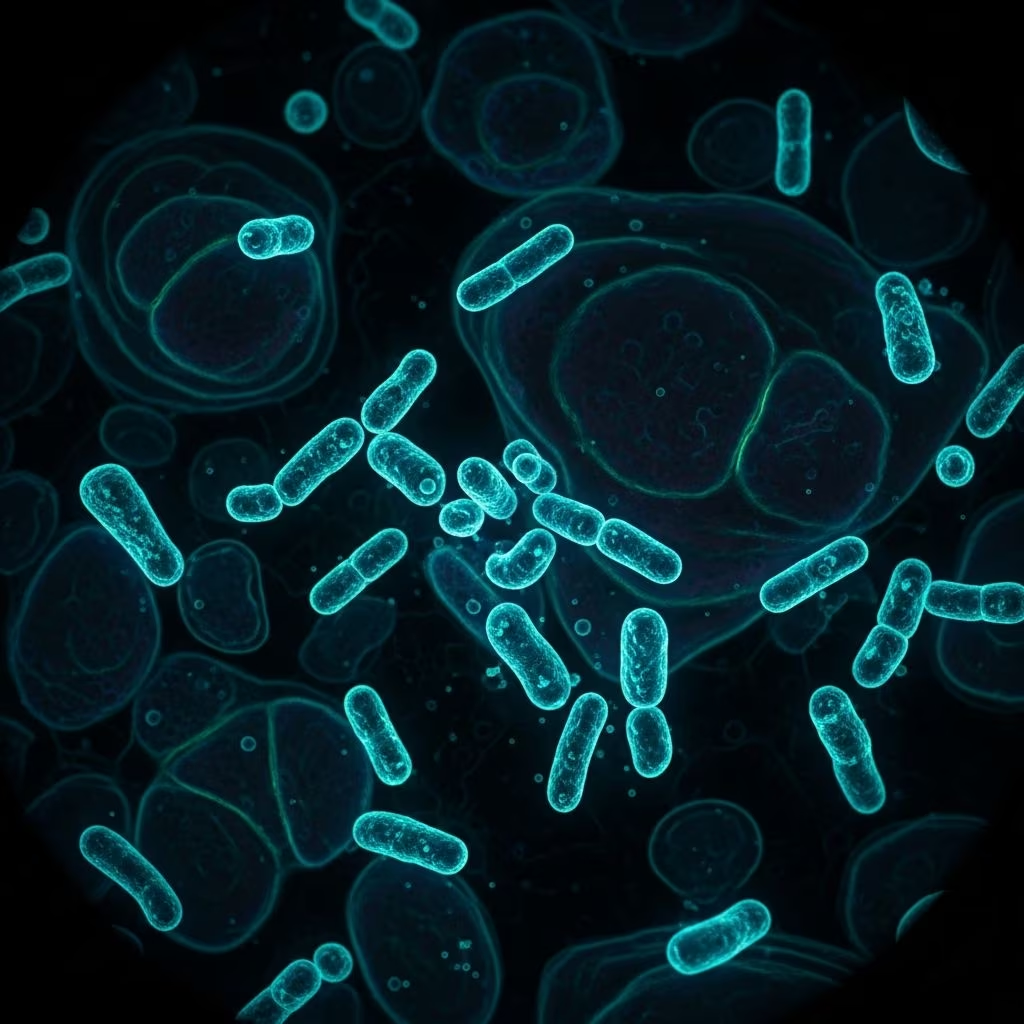
Melioidosis is a potentially lethal bacterial infection affecting various animal species, primarily triggered by exposure to Burkholderia pseudomallei, a gram-negative bacterium thriving in contaminated soil and water in tropical regions. This disease manifests in diverse forms, from acute septicemia to chronic abscesses, demanding vigilant diagnosis and extended therapy. Understanding its impact on animals is crucial for timely intervention and public health safeguards, as it carries zoonotic potential.
The Pathogen Behind the Disease
Burkholderia pseudomallei resides in environments like rice paddies, muddy waters, and disturbed soils, particularly in Southeast Asia and northern Australia. Animals contract it via cuts in the skin, inhalation of dust, or ingestion during floods. Once inside the host, the bacterium evades immune responses by forming intracellular biofilms, leading to persistent infections that can reactivate years later.
In veterinary contexts, subclinical carriers are common, shedding the pathogen without overt illness, complicating control efforts. The bacterium’s resilience stems from its ability to survive harsh conditions, including disinfectants and antibiotics, making eradication challenging.
Species-Specific Clinical Presentations
Manifestations differ markedly by animal type and infection route, often mimicking other conditions.
- Dogs: Acute cases feature high fever, bloody diarrhea, rapid breathing from pneumonia, and widespread sepsis. Subacute forms show skin ulcers with inflamed lymph nodes, progressing to systemic spread if ignored. Chronic stages involve organ abscesses, limb swelling, muscle aches, and appetite loss, sometimes with splenic masses detectable via ultrasound.
- Cats: Predominantly localized eye infections occur, with corneal ulcers, uveitis, and vision impairment. Systemic signs like fever or organ involvement are rarer but possible in immunocompromised individuals.
- Goats and Sheep: Pneumonia dominates, coupled with abscesses in lungs, liver, and lymph nodes. Sudden deaths from septicemia are frequent in outbreaks.
- Horses and Pigs: Respiratory distress, abscesses in multiple organs, and lymphadenopathy prevail, with pigs occasionally displaying skin papules resembling fungal issues.
- Other Species: Wildlife like rodents and livestock such as cattle report sporadic cases with variable organ tropism.
Common threads include suppurative nodules, fever, lethargy, and weight loss, underscoring the need for broad differential diagnoses.
Diagnostic Approaches and Challenges
Diagnosis hinges on clinical suspicion in endemic zones, bolstered by lab confirmation. Initial assessments include complete blood counts revealing leukocytosis, thrombocytopenia, and elevated liver enzymes, alongside imaging like X-rays for lung infiltrates or ultrasounds for abdominal abscesses.
Culture from blood, pus, or tissues on selective media such as Ashdown’s agar is gold standard, though the bacterium grows slowly, allowing overgrowth by contaminants. Serology via indirect hemagglutination aids but lacks specificity due to cross-reactivity. PCR assays enhance speed and accuracy in advanced settings.
| Diagnostic Method | Advantages | Limitations |
|---|---|---|
| Blood Culture | Confirms bacteremia | Slow growth; contamination risk |
| Selective Agar Culture | Species-specific | Requires expertise |
| Serology (IHA) | Quick screening | False positives common |
| PCR | Rapid, sensitive | Lab-dependent |
| Imaging (USG/X-ray) | Visualizes abscesses | Non-specific |
Early referral to specialized facilities improves outcomes, as seen in cases where initial misdiagnoses delayed care.
Treatment Strategies: Intensive and Prolonged
Therapy mirrors human protocols due to sparse veterinary data: an intensive phase with IV antibiotics followed by extended oral eradication. Success demands susceptibility testing, as resistance abounds to common drugs like penicillins, early cephalosporins, aminoglycosides, and macrolides.
Intensive Phase (2-4 weeks): Ceftazidime or meropenem IV at 20-25 mg/kg BID-TID controls sepsis. A documented canine case used meropenem 20 mg/kg BID for 14 days, resolving acute signs and sterilizing cultures.
Eradication Phase (3-6 months): Oral trimethoprim-sulfamethoxazole (25 mg/kg BID) eliminates persisters. Alternatives include doxycycline, amoxicillin-clavulanate, or chloramphenicol combinations, guided by sensitivities.
Surgical drainage of accessible abscesses complements antibiotics. Recurrence risks necessitate monitoring cultures and follow-ups. In reportable regions, official oversight is mandatory.
Prevention and Control Measures
Avoiding exposure is paramount: limit animal access to flooded or contaminated areas, use protective gear during soil work, and ensure wound care in endemic zones. No vaccines exist, but biosecurity curbs outbreaks.
- Quarantine new animals from high-risk areas.
- Disinfect equipment thoroughly.
- Monitor during wet seasons.
- Human contacts of infected animals warrant serologic screening.
Zoonotic transmission, though rare, prompts hygiene protocols for handlers.
Case Studies Highlighting Management Success
A Thai dog with neck/back wounds and splenic abscess recovered fully after meropenem IV then co-trimoxazole orally for 20 weeks, with resolved imaging and negative cultures. Initial broad-spectrum antibiotics failed, emphasizing pathogen-specific therapy. Such cases validate adapting human regimens, achieving survival where prior short courses led to euthanasia.
Public Health Implications
Melioidosis qualifies as a select agent due to bioterrorism potential and high mortality. Veterinary vigilance aids surveillance, protecting communities. In pets, early symptoms like unexplained abscesses or fever in travelers from tropics should trigger testing.
Frequently Asked Questions (FAQs)
What animals are most at risk for melioidosis?
Dogs, goats, sheep, horses, and pigs in tropical endemic areas face highest risks, especially post-flooding or injury.
Is melioidosis contagious between animals?
Direct transmission is uncommon; environmental exposure predominates, though shared contaminated sources can spark outbreaks.
How long does treatment last?
Typically 2-4 weeks intensive IV followed by 3-6 months oral, tailored by response and cultures.
Can melioidosis be cured in pets?
Yes, with prompt, appropriate antibiotics, though relapses occur if therapy is abbreviated.
Should I worry about zoonotic risk?
Low for healthy handlers practicing hygiene, but infected animals require caution; test contacts if concerned.
References
- Successful Treatments and Management of A Case of Canine Melioidosis in Thailand — PMC/NCBI. 2019-12-31. https://pmc.ncbi.nlm.nih.gov/articles/PMC6958349/
- Melioidosis in Animals — Merck Veterinary Manual. 2023-01-01. https://www.merckvetmanual.com/infectious-diseases/melioidosis/melioidosis-in-animals
- Melioidosis in Dogs — VCA Animal Hospitals. 2024-01-01. https://vcahospitals.com/know-your-pet/melioidosis-in-dogs
- UF Researchers Develop First-Ever Protocol for Treating Rare Infection in Dogs — University of Florida Institute for Infectious Disease. 2019-11-01. https://idi.vetmed.ufl.edu/2019/11/01/uf-researchers-develop-first-ever-protocol-for-treating-rare-infection-in-dogs/
- About Melioidosis — Centers for Disease Control and Prevention (CDC). 2025-01-01. https://www.cdc.gov/melioidosis/about/index.html



