

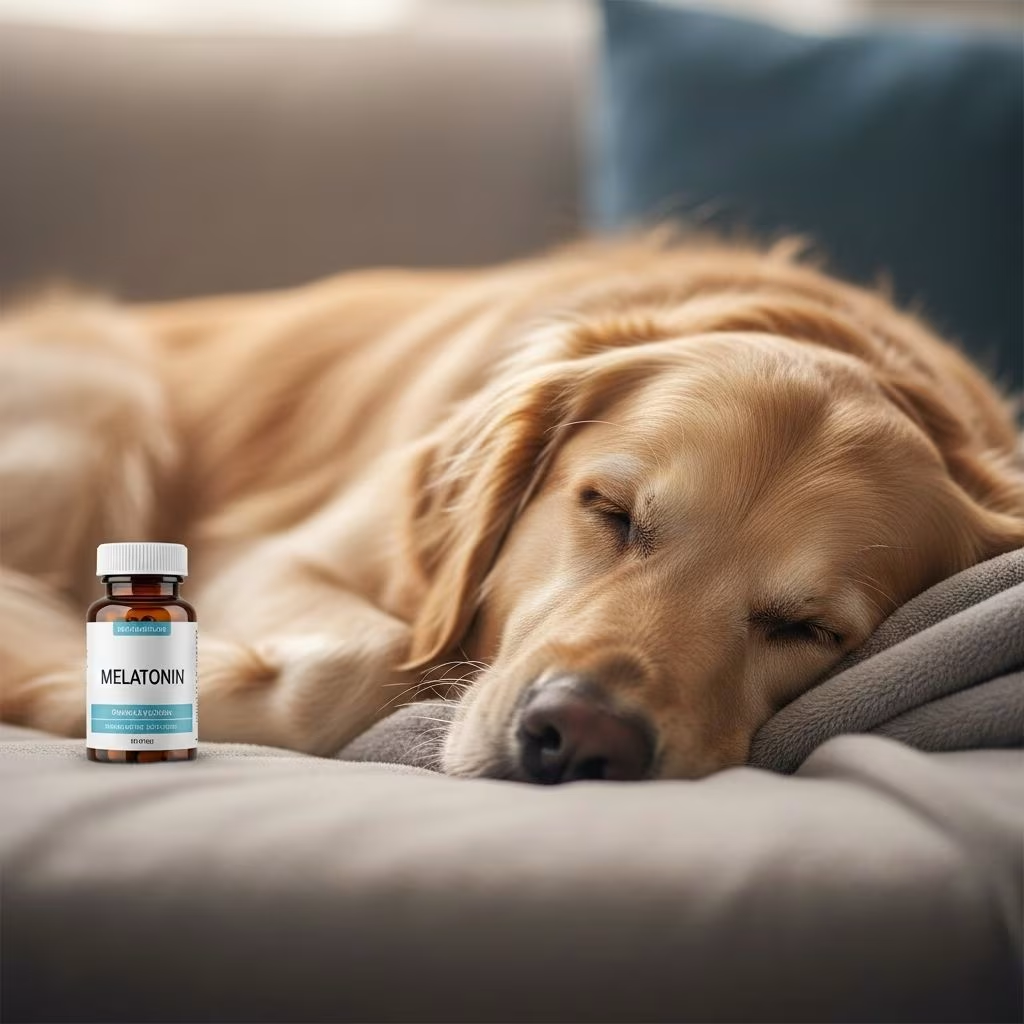
Understanding Melatonin for Pets
Melatonin is a natural hormone produced by the pineal gland in the brain, with levels rising as darkness falls and declining during daylight hours. This hormone plays a crucial role in regulating sleep-wake cycles, also known as circadian rhythms, in both humans and animals. As a supplement, melatonin has become increasingly popular among pet owners and veterinarians seeking to address various behavioral and health concerns in their animals without resorting to harsher pharmaceuticals.
Pet owners considering melatonin supplementation should understand that this hormone is available in multiple formulations specifically designed for veterinary use. Before starting any pet on melatonin, it is essential to consult with a veterinarian, as they can provide guidance on whether this supplement is appropriate for your individual pet’s health status and circumstances.
What Is Melatonin?
Melatonin functions as a hormone naturally secreted into the bloodstream at high levels during nighttime hours. In pets, supplemental melatonin is typically derived from synthetic sources and is designed to mimic the natural hormone’s effects on the body. The supplement works by helping regulate the body’s internal clock, promoting relaxation, and potentially reducing excessive neurological activity that may contribute to anxiety or sleep disturbances.
The hormone’s mechanism of action involves influencing dopamine production in the brain. By moderating excessive dopamine release, melatonin may encourage a calmer demeanor and help pets relax, making it particularly useful for animals experiencing stress or behavioral concerns.
Common Uses of Melatonin in Pets
Melatonin is utilized across multiple animal species for various therapeutic purposes. Understanding these common applications can help pet owners determine whether this supplement might benefit their companions.
Sleep Disorders and Insomnia
One of the primary uses of melatonin in pets is addressing sleep disturbances. Like humans, dogs and cats can experience insomnia—difficulty falling asleep, staying asleep, or sleeping soundly. This issue becomes especially prevalent in senior pets, who may suffer from cognitive dysfunction similar to dementia in humans. Supplemental melatonin can help restore regular sleeping patterns, preventing the numerous health complications that result from chronic sleep deprivation.
Anxiety and Behavioral Issues
Melatonin is frequently recommended for pets experiencing anxiety-related conditions. Dogs with separation anxiety, fear-based aggression, or generalized anxiety may benefit from melatonin supplementation. Cats experiencing restlessness, excessive vocalization, or stress-related behaviors during nighttime hours may also find relief through this supplement. The hormone’s natural calming effect makes it an attractive option for pet owners seeking alternatives to prescription anti-anxiety medications.
Fear and Phobias
Many pets experience significant stress during specific events such as thunderstorms or fireworks. Melatonin may help dogs manage these fears and phobias, either as a standalone treatment or in combination with other medications. The supplement can be administered in advance of anticipated stressful events to help pets remain calmer during these challenging situations.
Hair Loss and Skin Conditions
Melatonin is sometimes recommended for dogs suffering from certain types of hair loss and skin conditions, including Cushing’s disease. Some veterinarians may even recommend melatonin implants for these conditions, which are administered by the veterinarian in a hospital setting.
Seizure Management
Research has demonstrated that melatonin may have beneficial anti-convulsive effects in dogs with epilepsy. However, because melatonin interacts with other drugs and natural hormones in the body, veterinary supervision is essential when using this supplement for seizure management.
Benefits of Melatonin for Pets
Melatonin offers several notable advantages for pet owners considering supplementation:
- Rapid absorption: Melatonin is quickly absorbed by the body, with most pets feeling noticeably calmer within one to two hours of administration
- Versatile application: The supplement can address multiple anxiety-related conditions and behavioral concerns
- Flexible use: Melatonin can be utilized on an as-needed basis for specific events or on a long-term basis for chronic conditions
- Generally well-tolerated: Most animals tolerate melatonin supplementation without significant adverse effects
- Gentler alternative: Veterinarians may recommend melatonin rather than risk adverse reactions to harsher medications
- Circadian rhythm support: The supplement supports natural sleep-wake cycles, contributing to overall biological function
How Is Melatonin Administered?
Melatonin supplements are available in multiple formulations, allowing flexibility in administration based on individual pet needs and preferences.
Forms of Administration
Melatonin is typically given orally as a tablet, sustained-release capsule, or liquid formulation. Each form has advantages depending on the pet’s size and ability to take medications. Liquid formulations require careful measurement to ensure accurate dosing, while tablets and capsules provide pre-measured doses for convenience.
Timing and Frequency
For occasional use as a calming agent before anticipated stressful events, melatonin should be administered one to two hours before the event is expected to occur. For longer-term use, such as for skin issues or chronic sleep disorders, melatonin is given daily and may require up to two months to achieve full therapeutic effect.
Melatonin may be administered with or without food. If a pet experiences vomiting on an empty stomach, the supplement can be given with a small amount of food or a treat to improve tolerance. Always follow your veterinarian’s specific directions regarding administration and dosing.
Duration of Action
It is important to note that melatonin may take up to twenty-four hours to completely stop working and leave the body after stopping the supplement. This extended duration means that effects may continue for an extended period after the final dose.
Melatonin Dosage Guidelines
Proper dosing is critical for safety and efficacy. The appropriate melatonin dose varies significantly based on the pet’s body weight, age, health condition, and any concurrent medications or supplements.
| Pet Size Category | Weight Range | Typical Melatonin Dose |
|---|---|---|
| Toy Dogs | 10 pounds and under | 0.75 to 1 mg |
| Small Dogs | 10 to 25 pounds | 1.5 mg |
| Medium and Large Dogs | 25 to 100 pounds | 1.5 to 3 mg |
| Giant Dogs | 100 pounds and over | 3 to 6 mg |
These dosage guidelines represent general recommendations from veterinary supplement manufacturers. However, individual pets may require dosage adjustments based on their specific health circumstances. Always consult with your veterinarian to determine the appropriate dose for your pet, and never assume that human melatonin dosages can be safely adapted for animals.
Important Considerations About Melatonin Products
Not all melatonin supplements are created equal, and pet owners must exercise caution when selecting products for their animals.
Veterinary Formulations vs. Human Products
Veterinarians strongly recommend using melatonin supplements specifically formulated for dogs, cats, or other pets rather than products designed for human consumption. While some human melatonin supplements may technically be safe for animals, veterinary formulations are specifically designed with pet absorption and tolerance in mind.
Critically, pet owners must carefully examine all inactive ingredients in any melatonin product, as some human melatonin gummies contain xylitol, an artificial sweetener that is extremely toxic to dogs and can cause severe health complications.
Available Options
Melatonin supplements are available without a prescription, making them readily accessible through pet stores and online retailers. Numerous commercial variations exist on the market, and these products vary considerably in quality and formulation. Pet owners should select products from reputable manufacturers and discuss specific product recommendations with their veterinarian.
Potential Side Effects and Safety Concerns
While melatonin is generally well-tolerated by most animals, pet owners should be aware of potential side effects and safety considerations.
Common Side Effects
When giving melatonin for the first time, monitor your pet for possible side effects, including:
- Indigestion or gastrointestinal upset
- Stomach cramps
- Confusion or disorientation
- Allergic reactions
Contraindications and Precautions
Melatonin should not be used in pets that have demonstrated allergic reactions to the supplement. Additionally, veterinarians recommend using melatonin with caution in the following situations:
- Pregnant or nursing animals
- Animals that are breeding or not yet sexually mature
- Pets with liver, kidney, or heart disease
- Animals with brain disorders
- Service or working animals, as melatonin may interfere with their ability to perform duties
Pet owners should always inform their veterinarian about all medications, vitamins, supplements, or herbal therapies currently being administered to their pets. Melatonin can interact with other drugs and hormones in the body, making veterinary oversight essential for safe administration.
Special Considerations for Different Pets
Dogs
Dogs are among the most common recipients of melatonin supplementation. In canine patients, melatonin has been incorporated into the “chill protocol,” which combines gabapentin, melatonin, and acepromazine for pre-veterinary visit anxiety. Research published in 2023 demonstrated significant reductions in signs of stress, fear, and fear-based aggression during veterinary visits when this combined protocol was implemented.
Cats
Melatonin is used in cats to address sleep disorders and behavior issues. The supplement’s natural calming effect can be particularly beneficial for cats experiencing stress-related behaviors. Additionally, melatonin may help regulate cats’ sleep-wake cycles, which can improve sleep quality and duration, especially in aging felines.
Other Animals
Melatonin has applications beyond dogs and cats. In horses, the supplement may support breeding-related concerns, and melatonin implants may be administered in appropriate cases under veterinary supervision.
Frequently Asked Questions About Pet Melatonin
Q: Can I give my dog human melatonin?
A: While some human melatonin products may be safe for dogs, veterinarians do not recommend this practice. Instead, use melatonin supplements specifically formulated for dogs. Always check for xylitol in human products, as this artificial sweetener is toxic to dogs.
Q: How long does melatonin take to work in pets?
A: Melatonin is quickly absorbed and most pets feel noticeably calmer within one to two hours of administration. For chronic conditions, it may take up to two months to achieve full therapeutic effect.
Q: Is melatonin safe for senior pets?
A: Yes, melatonin can be particularly beneficial for senior pets experiencing cognitive dysfunction or sleep disruptions. However, consult with your veterinarian about appropriate dosing and any health conditions that might affect safety.
Q: What should I do if I miss a dose of melatonin?
A: Simply resume giving melatonin at the next scheduled time. Do not double-dose to make up for a missed dose. Always follow your veterinarian’s specific instructions regarding administration.
Q: Can melatonin be used long-term in pets?
A: Yes, melatonin can be used on a long-term basis for chronic conditions such as sleep disorders or skin issues. However, regular veterinary oversight is recommended to monitor your pet’s response and adjust dosing as needed.
Q: Are there any drug interactions with melatonin?
A: Yes, melatonin can interact with other medications and hormones in the body. Always inform your veterinarian about all supplements and medications your pet is receiving before starting melatonin.
Consulting with Your Veterinarian
Before starting any pet on melatonin supplementation, consulting with a veterinarian is essential. Your veterinarian can assess your pet’s individual health status, determine whether melatonin is an appropriate treatment option, recommend specific products and dosages, and monitor for potential side effects or interactions with existing medications.
Be prepared to discuss your pet’s complete medical history, current medications and supplements, specific behavioral or health concerns, and your treatment goals. This information will help your veterinarian make an informed recommendation tailored to your pet’s unique needs.
References
- Melatonin for Anxiety in Dogs — VCA Animal Hospitals. 2024. https://vcahospitals.com/know-your-pet/melatonin
- Melatonin in Dogs and Cats — WebMD Pets. 2024. https://www.webmd.com/pets/pet-meds/melatonin-dogs-cats
- Pre-Visit Pharmaceuticals for Dogs: The Chill Protocol — VCA Animal Hospitals. 2023. https://vcahospitals.com/know-your-pet/pre-visit-pharmaceuticals-for-dogs
- Melatonin for Dogs: Benefits, Dosage & Side Effects — Pumpkin Pet Insurance. 2024. https://www.pumpkin.care/post/melatonin-for-dogs
- Everything You Need to Know About Melatonin for Cats — Creative Science Education. 2024. https://creative.science/education/everything-you-need-to-know-about-melatonin-for-cats
- Behavior Counseling: Complementary Treatments — VCA Animal Hospitals. 2024. https://vcahospitals.com/know-your-pet/behavior-counseling—medication-complementary
- Melatonin for Dogs with Cancer and Other Health Conditions — DogCancer.com. 2024. https://www.dogcancer.com/articles/supplements/melatonin-for-dogs/



