

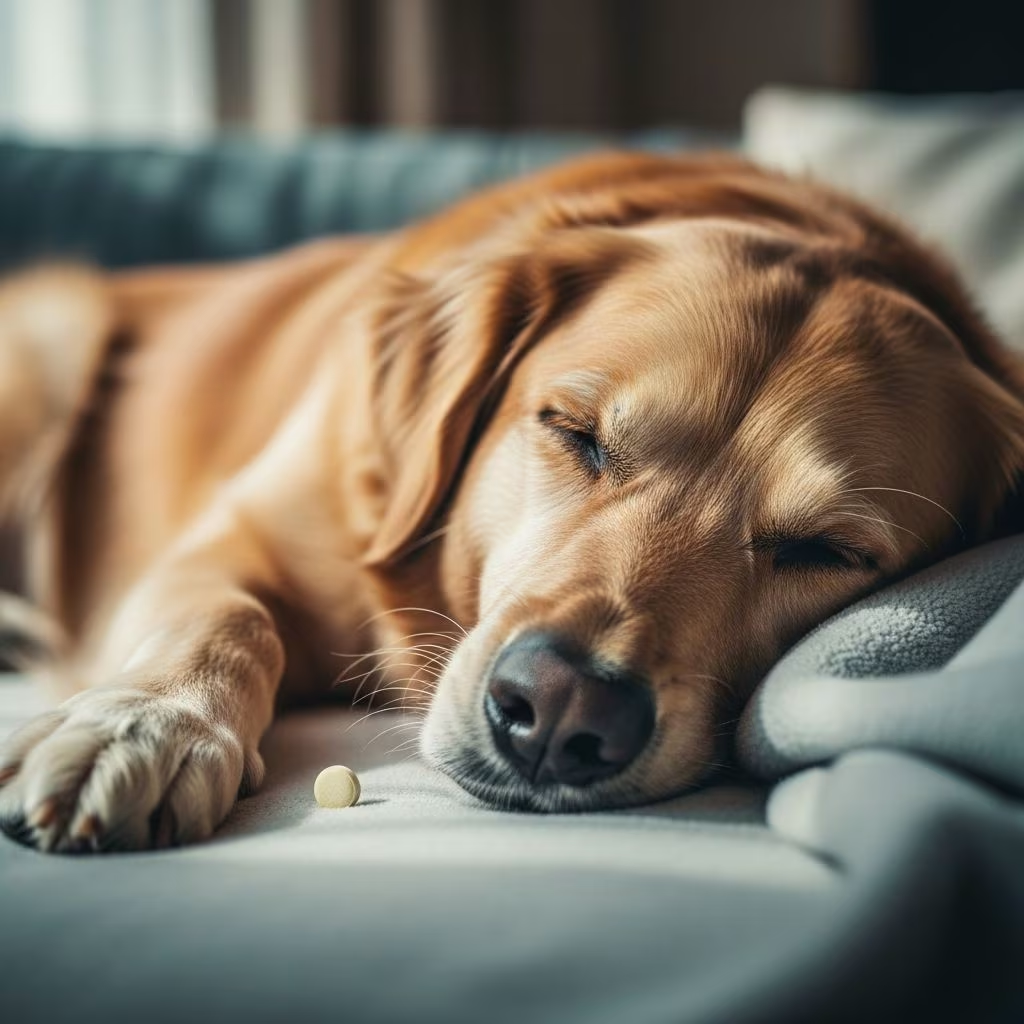
Melatonin, a hormone naturally produced in dogs to regulate sleep-wake cycles, is widely used as a supplement to address various canine health concerns. When administered correctly under veterinary guidance, it proves safe and effective for most dogs, helping with issues like insomnia, anxiety, and certain medical conditions.
Understanding Melatonin’s Role in Canine Physiology
Dogs produce melatonin in response to darkness, aiding in circadian rhythm regulation and seasonal adaptations. This natural hormone influences sleep patterns, mood, and even reproductive behaviors. Supplements mimic this process, providing external support when internal production falters due to age, stress, or illness.
Research indicates melatonin’s broad applications in veterinary care. For instance, it assists dogs with disrupted sleep from cognitive decline or noise phobias. Studies also explore its antioxidant properties, potentially benefiting cardiac health in conditions like myxomatous mitral valve disease (MMVD).
Primary Benefits of Melatonin Supplementation
Melatonin offers targeted relief for common canine problems:
- Sleep Regulation: Effective for dogs with nighttime restlessness, particularly those with canine cognitive dysfunction, by promoting deeper rest.
- Anxiety and Stress Reduction: Calms pets during thunderstorms, fireworks, or travel by mitigating fear responses.
- Hormonal Balance: Supports conditions like Cushing’s disease or alopecia by stabilizing hormone levels.
- Cardiovascular Support: Short-term use reduces oxidative stress in MMVD-affected dogs, as shown in clinical trials.
- Reproductive Health: Preliminary evidence suggests improvements in sperm quality and fertility parameters in males.
These benefits stem from melatonin’s anti-inflammatory and antioxidant effects, making it a versatile tool in holistic pet care.
Recommended Dosage Guidelines
Dosage depends on body weight, typically ranging from 0.1 mg per kg of body weight, administered once or twice daily. For a 10 kg dog, this equates to about 1 mg per dose.
| Dog Weight (kg) | Typical Dose (mg) | Frequency |
|---|---|---|
| Under 5 | 0.5-1 | 1-2 times daily |
| 5-15 | 1-3 | 1-2 times daily |
| 15-30 | 3-6 | 1-2 times daily |
| Over 30 | 6-9 | 1-2 times daily |
Always start low and adjust based on response. Veterinary approval is crucial to tailor doses to specific health needs.
Potential Side Effects and Risks
Adverse reactions are rare at proper doses. Common mild effects include:
- Lethargy or daytime drowsiness
- Upset stomach, shown as drooling or vomiting
- Disorientation or itchiness
Serious issues like elevated heart rate or fertility disruption occur infrequently. Overdose is unlikely to be fatal, but excessive intake risks gastrointestinal blockages from pill accumulation. Human products often contain xylitol, a toxic sweetener for dogs, so opt for pet-specific formulations.
Conditions Where Melatonin Shines
Addressing Sleep Disturbances
For senior dogs with ‘doggy dementia,’ melatonin restores normal sleep cycles, reducing nocturnal pacing and barking. It enhances REM sleep quality without habit-forming risks.
Managing Behavioral Anxieties
Phobic responses to loud noises or separation improve with melatonin’s calming influence on the brain’s fear centers. Combine with behavioral training for optimal results.
Supporting Heart Health
In MMVD dogs, 2 mg/kg daily for four weeks lowered oxidative stress markers like MDA without altering heart structure or function. No adverse effects were noted, highlighting its safety profile.
Hair Loss and Skin Issues
Melatonin promotes hair regrowth in cases of pattern baldness linked to hormonal imbalances, often resolving symptoms within months.
Choosing Quality Supplements
Select products labeled for pets, free from additives like xylitol or artificial flavors. Look for third-party testing for purity and accurate melatonin content, as human supplements vary in potency. Liquid or chewable forms aid administration for picky eaters.
Veterinary Consultation: Non-Negotiable Step
Before starting, discuss with a vet to rule out contraindications like diabetes, pregnancy, or medication interactions. Professionals can monitor progress and adjust protocols.
Myths and Facts About Canine Melatonin Use
| Myth | Fact |
|---|---|
| Melatonin is addictive. | No evidence of dependency; safe for long-term use under supervision. |
| Any human melatonin works for dogs. | Avoid due to toxic fillers like xylitol. |
| Overdose is deadly. | Toxicity rare; main risk is GI obstruction. |
| Not effective for anxiety. | Proven to reduce stress in noise phobias. |
Practical Tips for Administration
- Give 30-60 minutes before bedtime or stressful events.
- Pair with a consistent routine for reinforced effects.
- Monitor for 24-48 hours post-first dose.
- Store in cool, dark places to preserve potency.
Research Insights and Future Directions
Studies confirm melatonin’s low toxicity, with no overdose deaths reported. Peer-reviewed trials show oxidative stress reduction in heart disease models and reproductive enhancements. Limited data calls for more large-scale research on long-term impacts.
Integrating melatonin with standard therapies enhances outcomes without added risks.
Frequently Asked Questions
Can melatonin make my dog sleepy during the day?
Possible with high doses; reduce amount or timing if observed. Consult vet.
Is melatonin safe for puppies?
Use cautiously; only under vet direction due to developing systems.
How long until effects appear?
Sleep aid within 30 minutes; behavioral changes in days to weeks.
Can pregnant dogs take melatonin?
Avoid unless prescribed; potential fertility effects.
What if my dog eats a whole bottle?
Seek immediate vet care for possible obstruction, though toxicity low.
Holistic Integration in Pet Wellness
Melatonin complements exercise, diet, and environmental enrichment for comprehensive care. Track improvements via sleep logs or anxiety scales to gauge efficacy.
For persistent issues, explore underlying causes like thyroid imbalances before relying solely on supplements.
References
- Can You Give a Dog Melatonin? Here’s What To Know — PetMD. 2023. https://www.petmd.com/dog/general-health/melatonin-for-dogs
- Dr. Boaz Man interviewed for Forbes on Melatonin — Boca Midtowne Vet. 2023. https://bocamidtownevet.com/dr-boaz-man-interviewed-for-forbes-on-melatonin/
- Short-term melatonin supplementation decreases oxidative stress in MMVD dogs — PMC (NCBI). 2021-12-29. https://pmc.ncbi.nlm.nih.gov/articles/PMC8740462/
- Melatonin for Dogs: Dosage, Benefits, and Safety — Sleep Foundation. 2024. https://www.sleepfoundation.org/melatonin/melatonin-for-dogs
- Melatonin | VCA Animal Hospitals — VCA. 2023. https://vcahospitals.com/know-your-pet/melatonin



