

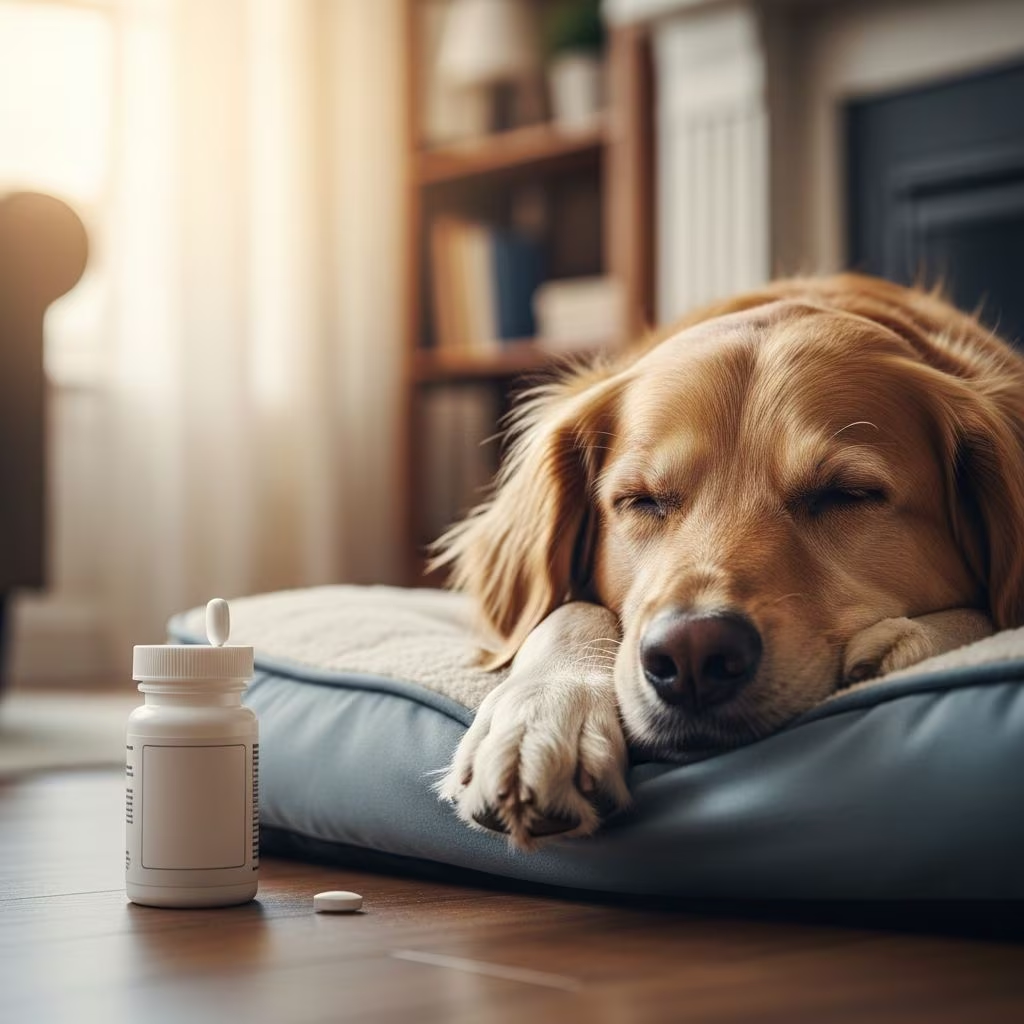
Melatonin, a hormone naturally produced by the pineal gland, regulates sleep-wake cycles in both humans and animals. For dogs, supplemental melatonin offers potential benefits for various health concerns, from calming anxious behaviors to supporting skin health, with a strong safety profile when used correctly.
Understanding Melatonin’s Role in Canine Physiology
Dogs produce melatonin in response to darkness, helping synchronize their internal clocks. Disruptions from artificial lighting, travel, or aging can lower levels, leading to issues like insomnia or stress. Veterinary applications leverage this to restore balance without prescription requirements in most cases.
Research indicates melatonin’s short half-life of about 18.6 minutes in dogs ensures quick clearance, minimizing long-term accumulation risks. This rapid metabolism supports its use for acute needs like pre-vet calming or chronic conditions under supervision.
Key Benefits of Melatonin for Canine Health
Owners report improvements in multiple areas, backed by preliminary studies.
- Anxiety Reduction: Combined with gabapentin or acepromazine, melatonin lowers stress during vet visits, reducing fear scores in fearful dogs. Pre-surgical administration calms skeptical dogs and decreases anesthetic needs like propofol.
- Sleep and Behavior Support: Aids older dogs with cognitive dysfunction, improving wake-sleep patterns and reducing nighttime wandering.
- Skin and Hair Conditions: Promotes hair regrowth in non-allergic alopecia by influencing hormone balance and cushioning effects.
- Other Potential Uses: Anecdotal evidence suggests benefits for autoimmune issues like immune thrombocytopenia (ITP), extrapolated from human data, given its high safety margin.
Safe Dosing Guidelines for Dogs
Dosage varies by weight and condition. General veterinary recommendations start low:
| Dog Weight | Starting Dose | Frequency |
|---|---|---|
| Under 10 lbs | 1 mg | 1-2 times daily |
| 10-25 lbs | 1.5 mg | 1-2 times daily |
| 26-100 lbs | 3 mg | 1-2 times daily |
| Over 100 lbs | 3-6 mg | 1-2 times daily |
Adjust based on response; consult a vet for tailored advice, especially for ongoing use. Administer 30-60 minutes before anticipated stress or bedtime.
Product Selection: Human vs. Pet Formulas
Human melatonin is often suitable if free of additives. Avoid gummies or chews with xylitol, toxic to dogs causing hypoglycemia. Opt for plain tablets, capsules, or vet-formulated liquids. Pet-specific products ensure purity without fillers.
Pros and cons of melatonin supplementation:
| Advantages | Disadvantages |
|---|---|
| Low cost, no prescription needed | Potential drowsiness |
| Mild side effects, short-acting | Variable potency (not FDA-regulated) |
| Versatile for multiple issues | Xylitol risk in some products |
| High safety margin | Drug interactions possible |
Potential Side Effects and Monitoring
Side effects are rare and mild, including sedation, gastrointestinal upset, or ataxia. No toxic overdoses reported; large ingestions mainly risk from inactive ingredients forming GI obstructions, not the melatonin itself. Monitor for vomiting, lethargy, or appetite changes. Discontinue if persistent.
Contraindications include liver/kidney disease, pregnancy, or working dogs needing alertness. Allergic reactions are uncommon but possible.
When to Consult a Veterinarian
Always discuss with a vet before starting, particularly for dogs on medications or with health issues. Vets can rule out underlying causes and monitor interactions. For example, avoid in breeding females or puppies unless advised.
Real-World Applications and Success Stories
In clinical settings, the “chill protocol” (melatonin + gabapentin + acepromazine) transforms vet visits for aggressive dogs. Owners note calmer fireworks responses or easier travel. For alopecia, consistent use over weeks yields thicker coats.
Studies on beagles suggest analogs aid insomnia, supporting broader cognitive benefits in seniors.
Comparing Melatonin to Other Calming Aids
| Treatment | Duration | Side Effects | Cost |
|---|---|---|---|
| Melatonin | Short (24 hrs clearance) | Mild sedation | Low |
| Benadryl | Medium | Drowsiness, dry mouth | Low |
| Gabapentin | Medium | Sedation, ataxia | Moderate |
| Prescription Anxiolytics | Long-term | Dependency risk | High |
Melatonin stands out for accessibility and safety.
Frequently Asked Questions (FAQs)
Can melatonin overdose kill a dog?
No reported fatalities; it’s highly safe with no established toxic dose in studies.
Is melatonin FDA-approved for dogs?
Not for oral use; approved only for mink implants. Used off-label safely.
How long does it take to work?
Effects begin in 30-60 minutes, peaking quickly due to short half-life.
Can I use sustained-release versions?
Avoid in pets; opt for immediate-release.
Does it affect fertility?
Possible fertility changes noted; caution in breeding dogs.
Integrating Melatonin into Daily Routines
For sleep issues, pair with dim evening lights and consistent schedules. For anxiety, preempt triggers like thunderstorms. Track responses in a journal for vet reviews. Combine with behavioral training for best outcomes.
Long-term use appears tolerated, but periodic vet checks ensure efficacy.
References
- Melatonin for Dogs: Uses, Safety, Product Selection — ToeGrips. 2023. https://toegrips.com/melatonin-for-dogs/
- Can You Give a Dog Melatonin? Here’s What To Know — PetMD, Brittany Grenus, DVM. 2023. https://www.petmd.com/dog/general-health/melatonin-for-dogs
- Melatonin for Dogs: Usage, Safety, and Interactions — ElleVet Sciences. 2023. https://www.ellevetsciences.com/pet-care/melatonin-for-dogs/
- Melatonin | VCA Animal Hospitals — VCA. 2023. https://vcahospitals.com/know-your-pet/melatonin
- Melatonin for Dogs: Uses, Benefits and Dosage — AKC. 2023. https://www.akc.org/expert-advice/health/melatonin-for-dogs/
- Essential Oils and Melatonin as Functional Ingredients in Dogs — PMC (NCBI). 2022-08-17. https://pmc.ncbi.nlm.nih.gov/articles/PMC9405278/



