

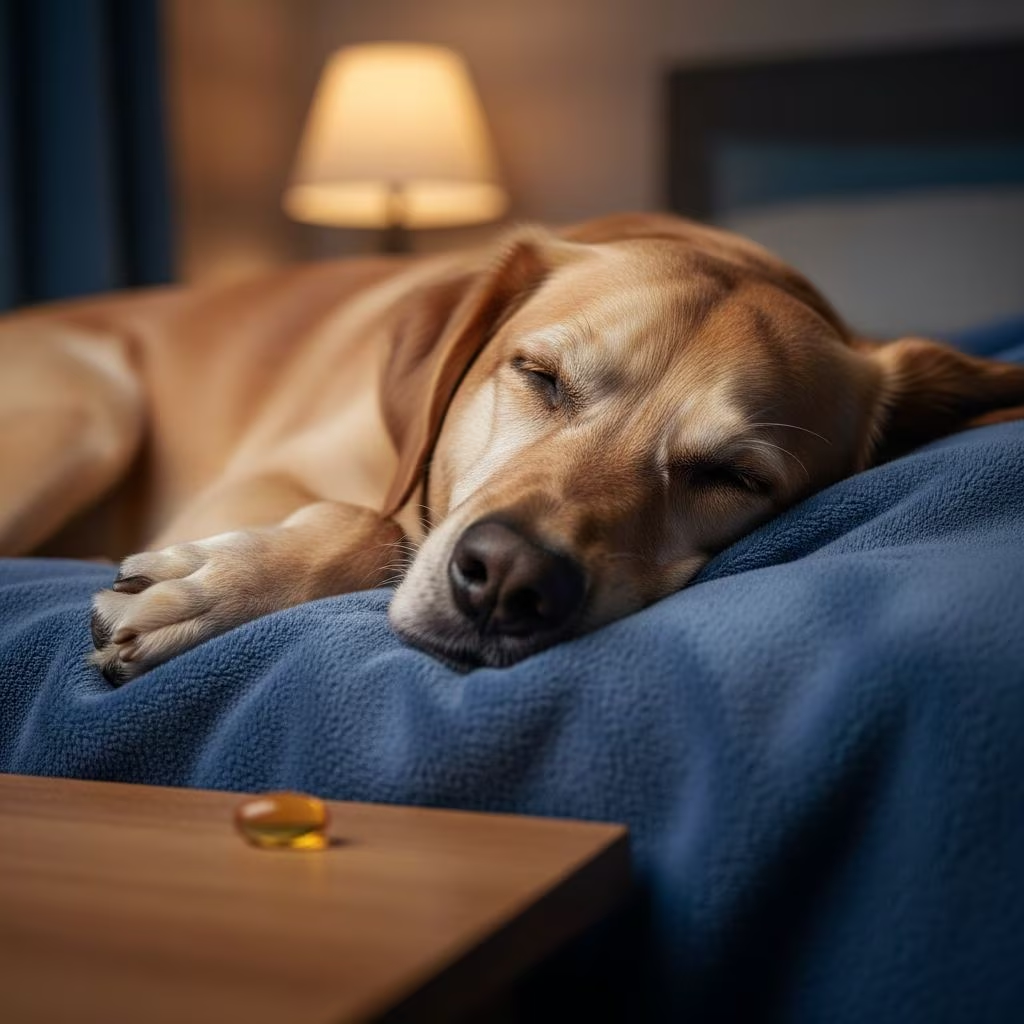
Is Melatonin Safe for Dogs?
Melatonin is a naturally occurring hormone that regulates sleep-wake cycles in both humans and animals. Many pet owners wonder if they can give melatonin to their dogs to help with sleep issues, anxiety, or other health concerns. The good news is that melatonin is generally considered a safe supplement for dogs when administered properly and under veterinary guidance. However, like any supplement, it’s important to understand proper dosing, potential benefits, and possible side effects before giving it to your furry companion.
When given in appropriate amounts, melatonin has a low risk of causing harmful effects in dogs. The most commonly reported side effect is mild lethargy or drowsiness the following day. However, excessive doses can lead to more serious complications, which is why consulting with your veterinarian before starting any melatonin regimen is essential.
What Is Melatonin and How Does It Work in Dogs?
Melatonin is a hormone naturally produced by the pineal gland in the brain. Its primary function is to regulate the body’s circadian rhythm, which controls sleep and wake cycles. In dogs, melatonin works similarly to how it functions in humans, helping to promote relaxation and prepare the body for sleep.
The supplement form of melatonin is derived synthetically and is available in various forms, including tablets, capsules, liquids, and chewables specifically formulated for pets. When a dog ingests melatonin, it enters the bloodstream and helps signal to the brain that it’s time to rest, making it particularly useful for addressing sleep disturbances and anxiety-related issues.
Melatonin Dosage for Dogs: A Complete Guide
Determining the correct melatonin dosage for your dog is crucial for ensuring safety and effectiveness. The appropriate dose depends on several factors, including your dog’s weight, age, health status, and the specific condition being treated. Below is a comprehensive breakdown of dosing guidelines based on your dog’s size.
Melatonin Dosage Chart by Dog Size
| Dog Size | Weight | Recommended Dosage |
|---|---|---|
| Extra Small | Less than 5 kg (under 11 lbs) | 0.5 mg every 8 hours |
| Small | 5-15 kg (11-33 lbs) | 0.5-1.5 mg every 8 hours |
| Medium | 15-30 kg (33-66 lbs) | 1.5-3 mg every 8 hours |
| Large | 30-50 kg (66-110 lbs) | 3-5 mg every 8 hours |
| Extra Large | Over 50 kg (over 110 lbs) | 5 mg every 8 hours |
Small Dogs (Under 25 Pounds)
Small dogs typically require lower doses of melatonin due to their smaller body mass. Dogs weighing under 25 pounds generally need between 1 to 2 mg of melatonin. This dose is usually sufficient to address sleep issues, anxious behaviors, or specific health conditions. It’s important to start with the lowest recommended amount to avoid potential overdose and allow you to observe how your dog responds to the supplement.
Medium Dogs (25-50 Pounds)
Medium-sized dogs weighing between 25 and 50 pounds typically require a dosage of 2 to 3 mg of melatonin. This amount is generally effective in addressing anxiety, sleep disturbances, and other conditions requiring melatonin supplementation. Medium dogs may need a slightly higher dose than smaller breeds to experience the full calming and sleep-promoting effects of the supplement.
Large Dogs (Over 50 Pounds)
Larger dogs weighing over 50 pounds usually require between 3 and 5 mg of melatonin to achieve therapeutic effects. Due to their increased body mass, larger breeds need proportionally higher doses to experience the benefits of melatonin, whether for sleep support or anxiety management. Always observe your dog’s response to the initial dose and consult with your veterinarian about any necessary adjustments.
Factors to Consider When Dosing Melatonin
While the weight-based dosage guidelines above provide a solid foundation, several additional factors should influence the specific amount of melatonin you give your dog. Understanding these factors will help ensure you’re providing the most appropriate and effective dosage for your pet’s individual needs.
Your Dog’s Weight
Weight is the primary factor in determining melatonin dosage. Generally, smaller dogs need lower doses, while larger breeds require higher amounts to achieve the same therapeutic effects. For example, a tiny dog weighing under 10 pounds might need around 1 mg, while a large dog exceeding 50 pounds could require up to 5 mg or more, depending on individual factors.
Age Considerations
Your dog’s age should also factor into dosing decisions. Senior dogs may be more sensitive to supplements and might require lower doses, while younger adult dogs may tolerate standard dosages well. Puppies should generally not receive melatonin without explicit veterinary approval, as their bodies are still developing.
Health Status
Your dog’s overall health condition plays a significant role in determining appropriate melatonin dosage. Dogs with liver disease, kidney problems, diabetes, or other chronic conditions may require adjusted dosages or might not be suitable candidates for melatonin supplementation at all. Always inform your veterinarian about any existing health conditions before administering melatonin.
Current Medications
If your dog is taking other medications, melatonin might interact with them. Certain medications can interact with melatonin, potentially reducing effectiveness or causing adverse effects. Your veterinarian needs to review all current medications to ensure melatonin is safe to add to your dog’s health regimen.
Conditions Treated with Melatonin
Melatonin is used to address several health conditions in dogs. Understanding which conditions benefit from melatonin can help you determine if this supplement is appropriate for your pet.
Sleep Disorders
One of the most common uses for melatonin in dogs is treating sleep disorders. Dogs experiencing insomnia, restlessness, or difficulty staying asleep often benefit from melatonin supplementation. The typical dosage for sleep disorders ranges from 1 to 9 mg, depending on the dog’s size and severity of the condition.
Anxiety and Stress
Melatonin can help improve anxiety, fear, and stress in dogs. Whether your dog experiences separation anxiety, noise phobia, or general anxiety, melatonin’s calming properties may provide relief. For anxiety management, dosages typically range from 1 to 5 mg depending on your dog’s weight and the severity of anxiety symptoms.
Hair Loss and Skin Conditions
Some dogs experience hair loss or alopecia, which can sometimes be related to stress or hormonal imbalances. Melatonin may help address certain types of hair loss and skin conditions. For alopecia treatment, dosages may range from 3 to 12 mg depending on the dog’s size, though higher doses for skin conditions should always be determined by your veterinarian.
Hormonal Issues
Melatonin can help manage certain hormone-related problems in dogs. By helping regulate the body’s natural hormone cycles, melatonin may support overall endocrine health and address specific hormonal imbalances under veterinary supervision.
Timing and Administration
How and when you administer melatonin to your dog significantly affects its effectiveness. Melatonin typically begins working within 10 to 15 minutes after a dog takes it. For sleep issues, you should give melatonin to your dog 30 minutes before bedtime to allow adequate time for the supplement to take effect. For anxiety related to specific events, such as thunderstorms, fireworks, or trips to unfamiliar places, administer melatonin 30 minutes before the anticipated anxiety-triggering situation.
Melatonin comes in various forms, including tablets, capsules, liquids, and chewables. Some products are pre-weighed for specific dog sizes, making dosing easier and more accurate. Always read product labels carefully to ensure you’re administering the correct dosage for your dog’s weight and size.
Potential Side Effects of Melatonin in Dogs
While melatonin is generally safe for dogs, it can cause side effects, particularly if given in excessive amounts. Understanding potential side effects helps you monitor your dog’s response to the supplement and know when to contact your veterinarian.
Common Side Effects
The most common side effect of melatonin in dogs is lethargy or drowsiness the following day after administration. Some dogs may also experience mild gastrointestinal upset, including nausea or stomach discomfort. These effects are typically mild and often diminish as the dog’s body adjusts to the supplement.
Signs of Overdose
Giving too much melatonin can lead to more serious complications. Excessive doses may cause severe drowsiness, stomach upset, vomiting, diarrhea, rapid heart rate, or tremors. In rare cases, dogs receiving very high doses might experience more serious reactions. If you suspect your dog has received too much melatonin, contact your veterinarian or emergency animal hospital immediately.
Safety Considerations and Precautions
Before giving melatonin to your dog, several safety considerations should be reviewed to ensure it’s appropriate for your pet’s specific situation.
Consult Your Veterinarian First
Never give your dog melatonin without first consulting your veterinarian. Your vet can assess your dog’s health status, review current medications, and determine the appropriate dosage for your pet’s specific needs. This consultation is crucial for ensuring melatonin is safe and won’t interact negatively with any existing conditions or medications.
Watch for Drug Interactions
Melatonin can potentially interact with certain medications. Inform your veterinarian about all supplements and medications your dog is currently taking before starting melatonin. Your vet can identify potential interactions and adjust dosing or recommend alternative treatments if necessary.
Monitor Your Dog’s Response
After starting melatonin, carefully observe how your dog responds. Keep track of any changes in behavior, sleep patterns, appetite, or overall health. Report any concerning symptoms to your veterinarian promptly. Some dogs may respond better to melatonin than others, and adjustments may be necessary.
Choose Quality Products
When purchasing melatonin supplements for your dog, select products specifically formulated for pets. Look for products from reputable manufacturers that clearly state the melatonin concentration and have been tested for quality and purity. Avoid human melatonin products unless specifically approved by your veterinarian, as they may contain different formulations or additives unsuitable for dogs.
Toxicity and Safety Profile
One of the reassuring aspects of melatonin for dogs is its favorable safety profile. In the limited studies performed on animals, no toxic dose of melatonin has been established, meaning a very significant amount would be needed to cause true toxicity. This suggests that melatonin has a wide margin of safety, though this doesn’t mean excessive doses are recommended or safe.
Frequently Asked Questions About Melatonin for Dogs
Q: How long does it take for melatonin to work in dogs?
A: Melatonin typically begins working within 10 to 15 minutes after a dog ingests it. For optimal results, administer melatonin 30 minutes before you want the effects to take place.
Q: Can I give my dog melatonin every day?
A: Melatonin can be given daily if recommended by your veterinarian, but frequency should be determined based on your dog’s specific condition and response. Some dogs may benefit from daily use, while others may only need it occasionally. Always follow your veterinarian’s recommendations.
Q: What’s the maximum amount of melatonin I can safely give my dog?
A: The maximum safe dose depends on your dog’s weight and individual health factors. Generally, doses should not exceed 5-6 mg for large dogs, though some veterinarians may recommend higher amounts for specific conditions. Never exceed your veterinarian’s recommended dosage.
Q: Is melatonin safe for puppies?
A: Puppies should not receive melatonin without explicit veterinary approval. Their bodies are still developing, and melatonin may affect their natural sleep-wake cycle development. Always consult your veterinarian before giving any supplements to puppies.
Q: Can melatonin help with my dog’s fireworks anxiety?
A: Yes, melatonin can help reduce anxiety related to fireworks and other stressful events. Give the melatonin 30 minutes before the anticipated stressful situation. Combining melatonin with other anxiety-reduction strategies may provide additional benefits.
Q: Are there any dogs that shouldn’t receive melatonin?
A: Dogs with liver disease, kidney problems, diabetes, or those taking certain medications may not be suitable candidates for melatonin. Pregnant or nursing dogs should not receive melatonin without veterinary approval. Always discuss your dog’s health history with your veterinarian.
References
- Melatonin Dosage for Dogs — Holistic Pet. Accessed 2025. https://www.holistapet.com/blogs/dog-care/melatonin-dosage-for-dogs
- Melatonin for Dogs: Safe Use, Recommended Dosages, and Side Effects — GoodRx. Accessed 2025. https://www.goodrx.com/pet-health/dog/can-dogs-have-melatonin
- Melatonin for Dogs: Dosage, Benefits, and Safety — Sleep Foundation. Accessed 2025. https://www.sleepfoundation.org/melatonin/melatonin-for-dogs
- Can You Give a Dog Melatonin? Here’s What To Know — PetMD. Accessed 2025. https://www.petmd.com/dog/general-health/melatonin-for-dogs
- Melatonin (Melatonex) for Dogs and Cats — PetPlace.com. Accessed 2025. https://www.petplace.com/article/drug-library/drug-library/library/melatonin-melatonex-for-dogs-and-cats
- Canine Melatonin Dosage: A Comprehensive Guide — Prana Pets. Accessed 2025. https://www.pranapets.com/blogs/pet-health/canine-melatonin-dosage-the-complete-guide



