

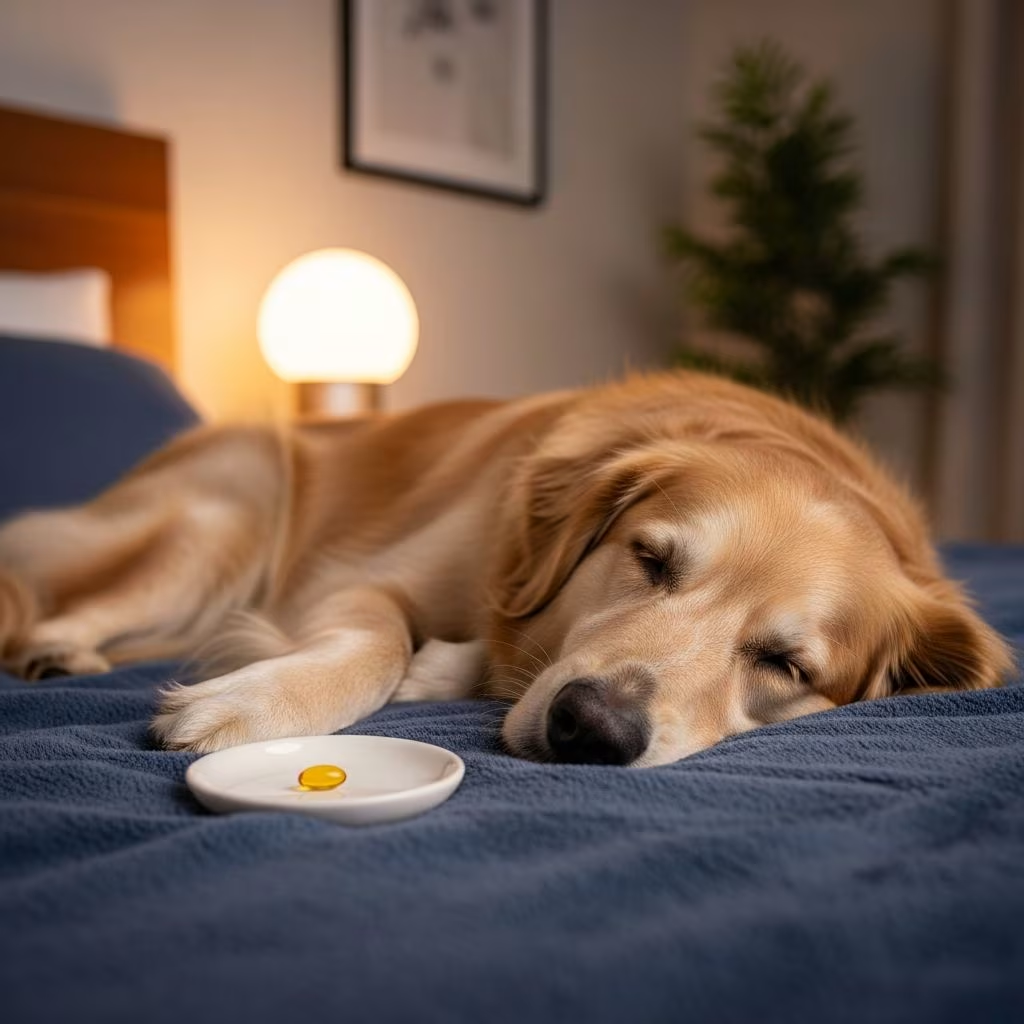
Melatonin, a hormone naturally produced in the pineal gland, regulates sleep-wake cycles in both humans and animals. For dogs, supplemental melatonin offers targeted support for various health concerns, from insomnia to behavioral issues. This guide draws on veterinary insights to explain its applications, dosing, and precautions, helping owners make informed decisions.
Understanding Melatonin’s Role in Canine Physiology
Dogs produce melatonin to synchronize their internal clocks with day-night patterns. Disruptions like artificial lighting or age-related changes can lower levels, leading to restlessness. Supplements mimic this hormone, promoting relaxation without strong sedation typical of prescription drugs.
Unlike humans, dogs metabolize melatonin quickly, with effects lasting under 24 hours in healthy pets. Those with liver or kidney issues may experience prolonged action, requiring adjusted protocols.
Primary Benefits of Melatonin for Canine Health
Veterinarians recommend melatonin for specific conditions where evidence supports its efficacy. Key uses include:
- Sleep Regulation: Aids dogs with irregular patterns, especially seniors with cognitive dysfunction, by signaling bedtime and improving rest quality.
- Anxiety Management: Eases separation distress, noise phobias from thunderstorms or fireworks, reducing panting, pacing, and vocalization.
- Skin and Coat Support: Stimulates hair regrowth in cases of seasonal flank alopecia or Cushing’s-related thinning, often showing results in weeks.
Emerging research also explores its role in clock desynchronization for blind dogs or shift-working households, though more studies are needed.
Recommended Dosage Guidelines for Dogs
Dosage varies by weight, condition severity, and individual response. General veterinary guidelines suggest:
| Dog Weight | Starting Dose (mg) | Frequency |
|---|---|---|
| Under 10 lbs | 1 mg | 1-2 times daily |
| 10-25 lbs | 1.5-3 mg | 1-2 times daily |
| 26-100 lbs | 3-6 mg | 1-2 times daily |
| Over 100 lbs | 6-10 mg | Once daily, vet-monitored |
Administer 1-2 hours before desired effects, such as bedtime or stressful events. Start low and titrate up if needed, always under veterinary supervision. For chronic issues like alopecia, daily use for 1-3 months may be advised.
Choosing the Right Melatonin Products for Pets
Opt for plain, pet-specific formulations to avoid toxins. Human products often contain xylitol, an artificial sweetener causing hypoglycemia and liver failure in dogs.
- Avoid gummies, flavored chews, or coated tablets with fillers.
- Prefer unflavored tablets, capsules, or liquids from reputable pet brands.
- Check labels for purity; third-party tested products ensure no contaminants.
Store in a cool, dark place to preserve potency, as melatonin degrades with light exposure.
Potential Side Effects and Risk Factors
Most dogs tolerate melatonin well, with low toxicity even at higher doses. Common mild reactions include:
- Lethargy or daytime drowsiness.
- Gastrointestinal upset like vomiting or diarrhea.
- Itchiness, elevated heart rate, or disorientation (rare).
Severe overdose signs— incoordination, seizures— are uncommon but warrant immediate vet contact or poison hotline calls. No toxic dose is established, but massive ingestion risks pill bezoars in the gut.
Contraindications: Avoid in pregnant/lactating dogs, diabetics, or those with hepatic/renal disease. Breeding or working dogs may experience fertility or performance impacts.
Drug Interactions and Combination Therapies
Melatonin can amplify sedatives or serotonin boosters:
- Benzodiazepines (e.g., Xanax) or antihistamines (e.g., Benadryl) increase drowsiness.
- Antidepressants like fluoxetine heighten serotonin syndrome risk.
- Blood pressure meds may interact unpredictably.
Disclose all current treatments to your vet. For sleep issues, melatonin pairs well with behavioral training or pheromone diffusers as non-drug adjuncts.
Real-World Applications: Case Scenarios
Scenario 1: Storm Phobia in a 40-lb Labrador. Administer 3 mg 30-60 minutes pre-storm. Combine with a quiet den and white noise for compounded relief.
Scenario 2: Senior Sleeplessness in a 15-lb Terrier. Evening 1.5 mg doses reset cycles, improving daytime alertness.
Scenario 3: Hair Loss in a Siberian Husky. 3 mg twice daily for 8 weeks promotes flank毛 regrowth, monitored via photos.
Track responses in a journal: onset time, duration, and behavior changes guide adjustments.
When to Consult a Veterinarian
Always initiate melatonin after a vet exam to rule out underlying issues like pain, thyroid imbalance, or allergies mimicking symptoms. Bloodwork ensures no interactions. Reassess every 4-6 weeks for long-term use.
Prompt vet visits are essential if symptoms worsen or new ones appear, prioritizing professional diagnosis over self-treatment.
Frequently Asked Questions (FAQs)
Can puppies take melatonin?
Generally not recommended under 6 months without vet approval, as their systems are developing.
Does melatonin make dogs groggy the next day?
Occasional mild hangover effects occur; lower doses mitigate this.
Is melatonin FDA-approved for dogs?
No, it’s a supplement, not a drug, but widely used off-label by vets.
How long does it take to work for anxiety?
Effects peak in 1-2 hours, ideal for predictable stressors.
Can it treat all hair loss types?
Best for hormonal/seasonal; infections or allergies need separate treatment.
Monitoring Progress and Long-Term Strategies
Success metrics include calmer nights, fuller coats, or phobia reduction. If no improvement in 2 weeks, discontinue and explore alternatives like CBD, prescription anxiolytics, or desensitization therapy. Holistic approaches— exercise, consistent routines, dim evening lights— enhance supplement efficacy.
For breeders or competitors, taper off before events to avoid performance dips.
References
- Can I Give My Dog Melatonin? Everything You Need to Know — Rover. 2023. https://www.rover.com/blog/can-i-give-my-dog-melatonin/
- Melatonin for Dogs: Uses, Benefits and Dosage — American Kennel Club. 2024-01-15. https://www.akc.org/expert-advice/health/melatonin-for-dogs/
- Melatonin for Dogs: Safe Use, Recommended Dosages, and Side Effects — GoodRx. 2024. https://www.goodrx.com/pet-health/dog/can-dogs-have-melatonin
- Melatonin for Dogs: Safety, Dosage, and Side Effects — MetLife Pet Insurance. 2023-11-20. https://www.metlifepetinsurance.com/blog/pet-health/melatonin-for-dogs/
- Can You Give a Dog Melatonin? Here’s What To Know — PetMD. 2024-02-10. https://www.petmd.com/dog/general-health/melatonin-for-dogs
- Can I Give My Dog Melatonin? Help for Hair Loss — ToeGrips. 2023. https://toegrips.com/can-i-give-my-dog-melatonin/
- Melatonin | VCA Animal Hospitals — VCA. 2024. https://vcahospitals.com/know-your-pet/melatonin



