
Melatonin for Dogs: Safety, Dosage & Benefits
Complete guide to using melatonin for dogs: benefits, proper dosing, and safety considerations.
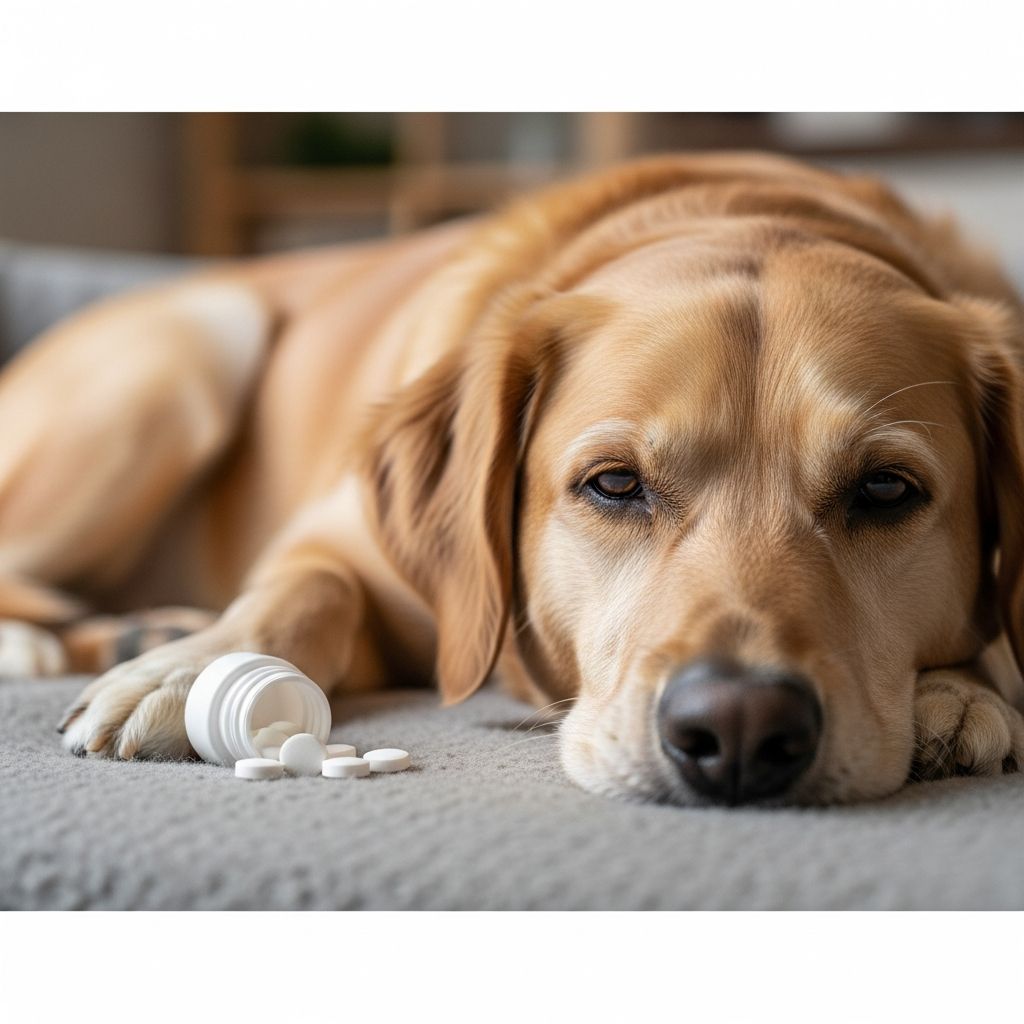
Understanding Melatonin for Dogs
Melatonin is a natural hormone produced by the body that plays a crucial role in regulating sleep-wake cycles and seasonal changes. Dogs, like humans, naturally produce melatonin, and veterinarians increasingly recommend melatonin supplements to address various behavioral and medical conditions in canine patients. While research on melatonin’s effectiveness in dogs is still developing, it is commonly prescribed in veterinary medicine based on established human studies and clinical experience.
Many pet owners are curious about whether their dogs can safely take melatonin supplements. The good news is that melatonin supplements are generally considered safe for most dogs when used in appropriate doses and under veterinary guidance. Understanding how melatonin works, its potential benefits, and proper usage can help you make informed decisions about your dog’s health.
Can Dogs Take Melatonin?
Yes, dogs can safely take melatonin supplements when administered properly. Since melatonin is a naturally occurring hormone that all mammals produce, it is well-tolerated by most dogs. Many veterinarians prescribe melatonin supplements to help dogs with various health issues, making it a commonly used supplement in veterinary practice.
However, it is essential to consult with your veterinarian before giving melatonin to your dog. Your vet can assess your dog’s specific health needs, current medications, and overall condition to determine whether melatonin is appropriate and what dosage is safe for your individual pet.
How Melatonin Can Help Your Dog
Veterinarians may recommend melatonin for dogs experiencing a variety of conditions. Understanding the potential benefits can help you determine if melatonin might be suitable for your pet’s needs.
Anxiety and Fear Relief
One of the most common uses of melatonin in dogs is to reduce anxiety and fear. Melatonin can help dogs suffering from separation anxiety or situational anxiety triggered by events such as thunderstorms, fireworks, or veterinary visits. The supplement produces a calming effect that encourages relaxation and reduces stress responses in anxious dogs.
Sleep Issues and Insomnia
Like humans, dogs require adequate sleep for their physical and mental health. Changes in sleep patterns may indicate an underlying medical issue, a sleep disorder, or a response to environmental changes. Melatonin supplements may help alleviate insomnia and other disruptions in a dog’s sleep-wake cycle. Dogs experiencing restlessness at night or those with cognitive dysfunction disorder (common in senior dogs) may particularly benefit from melatonin supplementation.
Hair Loss and Alopecia
Some dogs experience seasonal hair loss or alopecia unrelated to allergies. Melatonin has been used to treat non-allergic hair loss in dogs, particularly alopecia associated with hormonal imbalances. Some pet owners report significant improvements in their dog’s coat health and reduced shedding with melatonin supplementation.
Behavioral and Cognitive Issues
Melatonin may help dogs with canine cognitive dysfunction syndrome, a condition similar to dementia in senior dogs. It can also address behavioral issues related to stress and help establish healthy sleep patterns in dogs experiencing disrupted sleep-wake cycles.
Hormonal and Adrenal Conditions
Veterinarians may recommend melatonin for dogs with certain hormonal conditions, including Cushing’s Disease and other adrenal disorders. The supplement’s role in regulating circadian rhythms may help support hormonal balance in affected dogs.
Melatonin Dosage for Dogs
Determining the correct melatonin dosage for your dog is crucial for safety and effectiveness. The appropriate dose depends on several factors, including your dog’s weight, the specific condition being treated, and any other medications your dog may be taking.
General Dosage Guidelines
The most commonly recommended dosage formula is 0.1 milligrams of melatonin per kilogram of your dog’s body weight. Melatonin is typically given every 8 hours for anxiety or sleep support. However, specific dosage recommendations may vary depending on the condition being treated:
| Condition | Typical Dosage Range |
|---|---|
| Sleep Disorders | 1-9 mg (depending on dog size) |
| Anxiety | 1-5 mg (depending on dog size) |
| Hair Loss (Alopecia) | 3-12 mg (depending on dog size) |
Timing and Administration
The timing of melatonin administration depends on how it will be used. For sleep support, administer melatonin approximately 30 minutes before your dog’s desired bedtime. For anxiety related to anticipated stressful events, such as fireworks or thunderstorms, give melatonin 1 to 2 hours before the anticipated event. Melatonin is typically given by mouth as a tablet, sustained-release capsule, or liquid.
Melatonin usually begins working within 15 to 30 minutes, though in some dogs it may take up to an hour for effects to become apparent. The effects generally last up to 8 hours, making it suitable for overnight use or situational anxiety management.
Long-Term Use Considerations
For longer-term use, such as treating skin issues or chronic sleep disorders, melatonin is typically given daily. It is important to note that melatonin may take up to 2 months to achieve full therapeutic effect for these chronic conditions. Establishing a consistent bedtime routine alongside melatonin supplementation can enhance its effectiveness. This routine should include maintaining a consistent bedtime, dimming bright lights, minimizing noise, and providing a comfortable sleeping space.
Consulting Your Veterinarian
Since melatonin dosage needs vary based on individual factors, it is essential to consult with your veterinarian to determine the appropriate dose for your specific dog. Your vet will consider your dog’s weight, health status, current medications, and the condition being treated to provide personalized dosing recommendations.
How Quickly Does Melatonin Work?
The speed at which melatonin takes effect depends on several factors, including your dog’s size and the specific dosage administered. Generally, melatonin is quickly absorbed by the body, and most dogs should feel calmer within 1 to 2 hours of administration. Some dogs may experience effects as quickly as 15 to 30 minutes after taking melatonin, while others may require up to an hour. Once effective, the calming effects typically last up to 8 hours, making it an effective option for overnight use or managing situational anxiety.
Potential Side Effects of Melatonin
While melatonin is generally safe for dogs when given in appropriate doses, it is not completely without side effects. Understanding potential adverse reactions can help you monitor your dog after administration.
Common Side Effects
The most common side effect of melatonin in dogs is mild lethargy or drowsiness, which typically occurs the morning after administration. This is often an expected and manageable effect. Other commonly reported side effects include:
– Mild to moderate drowsiness or lethargy- Vomiting or diarrhea- Stomach upset or gastrointestinal discomfort- Mild itchiness or skin irritation
Rare but Serious Side Effects
Although uncommon, more serious side effects can occur with melatonin use. These may include:
– Changes in fertility in dogs that have not been spayed or neutered- Increased heart rate- Muscle cramping- Confusion or disorientation- Severe lethargy or excessive drowsiness
Overdose Concerns
Giving too much melatonin may cause your dog to become overly lethargic and experience an upset stomach. If you suspect your dog has received an excessive dose of melatonin, contact your veterinarian or a pet poison control center immediately. Always follow your veterinarian’s dosage recommendations carefully to avoid overdose.
When to Contact Your Veterinarian
If you notice any unusual behavior or adverse reactions in your dog after giving them melatonin, contact your veterinarian right away. Your vet can assess whether the side effects are manageable or if an adjustment to the dosage or discontinuation of melatonin is necessary.
Safety Considerations and Precautions
Before giving melatonin to your dog, consider several important safety factors. Melatonin is typically not recommended for puppies, as their bodies are still developing and hormonal systems are still maturing. Additionally, melatonin may interact with certain medications your dog is taking, so it is essential to inform your veterinarian of all current medications and supplements.
Dogs with certain medical conditions, such as diabetes, hormonal disorders, or cardiovascular issues, may require special considerations or monitoring while taking melatonin. Your veterinarian can assess whether melatonin is appropriate for your dog’s specific health status.
Forms and Formulations of Melatonin for Dogs
Melatonin for dogs is available in several forms, allowing pet owners to choose the most convenient option for their pet:
– Tablets and capsules: Traditional forms that can be given directly or hidden in food- Sustained-release capsules: Provide prolonged effects over several hours- Liquid formulations: Easier for dogs that have difficulty swallowing pills- Chewable treats: Flavored formulations designed to be more palatable for dogs
Melatonin and Your Dog’s Bedtime Routine
When using melatonin to promote sleep, incorporating it into a consistent bedtime routine can enhance its effectiveness. A healthy evening routine for dogs should include:
– Consistent bedtime each night to establish regular sleep patterns- Dimmed lighting in the evening to signal the body to produce melatonin naturally- Minimizing loud noises and disturbances- Providing a comfortable, consistent sleeping space- Administering melatonin approximately 30 minutes before bedtime- Limiting stimulating activities in the hours before sleep
Frequently Asked Questions About Melatonin for Dogs
Q: Is melatonin safe for all dogs?
A: Melatonin is generally safe for most adult dogs when given in appropriate doses, but it is not recommended for puppies. Dogs with certain medical conditions or those taking specific medications should be evaluated by a veterinarian before melatonin use.
Q: Can I give my dog my own melatonin supplements?
A: While melatonin formulated for humans may be safe, dosages are different for dogs. Always consult your veterinarian before giving your dog any supplement, and use products specifically dosed for dogs when possible.
Q: How long does it take for melatonin to work in dogs?
A: Most dogs experience the effects of melatonin within 15 minutes to 2 hours of administration, with an average onset of 30 to 60 minutes. Effects typically last up to 8 hours.
Q: Can melatonin be used long-term for dogs?
A: Yes, melatonin can be used long-term for chronic conditions such as sleep disorders or hair loss. However, it may take up to 2 months to achieve full therapeutic effect. Consult your veterinarian about appropriate long-term usage for your dog.
Q: Are there any breeds that should not take melatonin?
A: Melatonin can generally be used in most breeds, but breed-specific health conditions should be considered. Discuss your dog’s breed and individual health status with your veterinarian.
Q: What should I do if my dog experiences side effects from melatonin?
A: If you notice any unusual behavior or side effects after giving melatonin, contact your veterinarian immediately. Your vet can determine whether the side effects are manageable or if discontinuation is necessary.
Q: Can melatonin interact with other medications?
A: Yes, melatonin may interfere with certain medications. Always inform your veterinarian of all medications and supplements your dog is currently taking before starting melatonin.
Conclusion
Melatonin can be a valuable supplement for addressing anxiety, sleep issues, and other behavioral or medical conditions in dogs. When used appropriately and under veterinary guidance, melatonin is generally safe and well-tolerated. The key to successful melatonin use is consulting with your veterinarian to determine the appropriate dosage for your specific dog, monitoring for side effects, and incorporating melatonin into a comprehensive care plan that may include environmental adjustments and behavioral modifications. By working closely with your veterinary team, you can safely explore whether melatonin is the right option for supporting your dog’s health and well-being.
References
- Melatonin for Dogs: Dosage, Benefits, and Safety — Sleep Foundation. 2025. https://www.sleepfoundation.org/melatonin/melatonin-for-dogs
- Melatonin for Dogs: Is Melatonin Safe for Dogs? — Chewy. 2025. https://www.chewy.com/education/dog/health-and-wellness/melatonin-for-dogs-is-melatonin-safe-for-dogs
- Melatonin for Dogs: Safe Use, Recommended Dosages, and Side Effects — GoodRx. 2025. https://www.goodrx.com/pet-health/dog/can-dogs-have-melatonin
- Melatonin in Dogs and Cats — WebMD Pets. 2025. https://www.webmd.com/pets/pet-meds/melatonin-dogs-cats
- Melatonin — VCA Animal Hospitals. 2025. https://vcahospitals.com/know-your-pet/melatonin
- Calming Aids For Dogs — PetMD. 2025. https://www.petmd.com/dog/behavior/dog-calming-products-help-ease-dog-anxiety
- Essential Oils and Melatonin as Functional Ingredients in Dogs — National Center for Biotechnology Information (NCBI). 2022. https://pmc.ncbi.nlm.nih.gov/articles/PMC9405278/
Similar Articles








Read full bio of medha deb




