

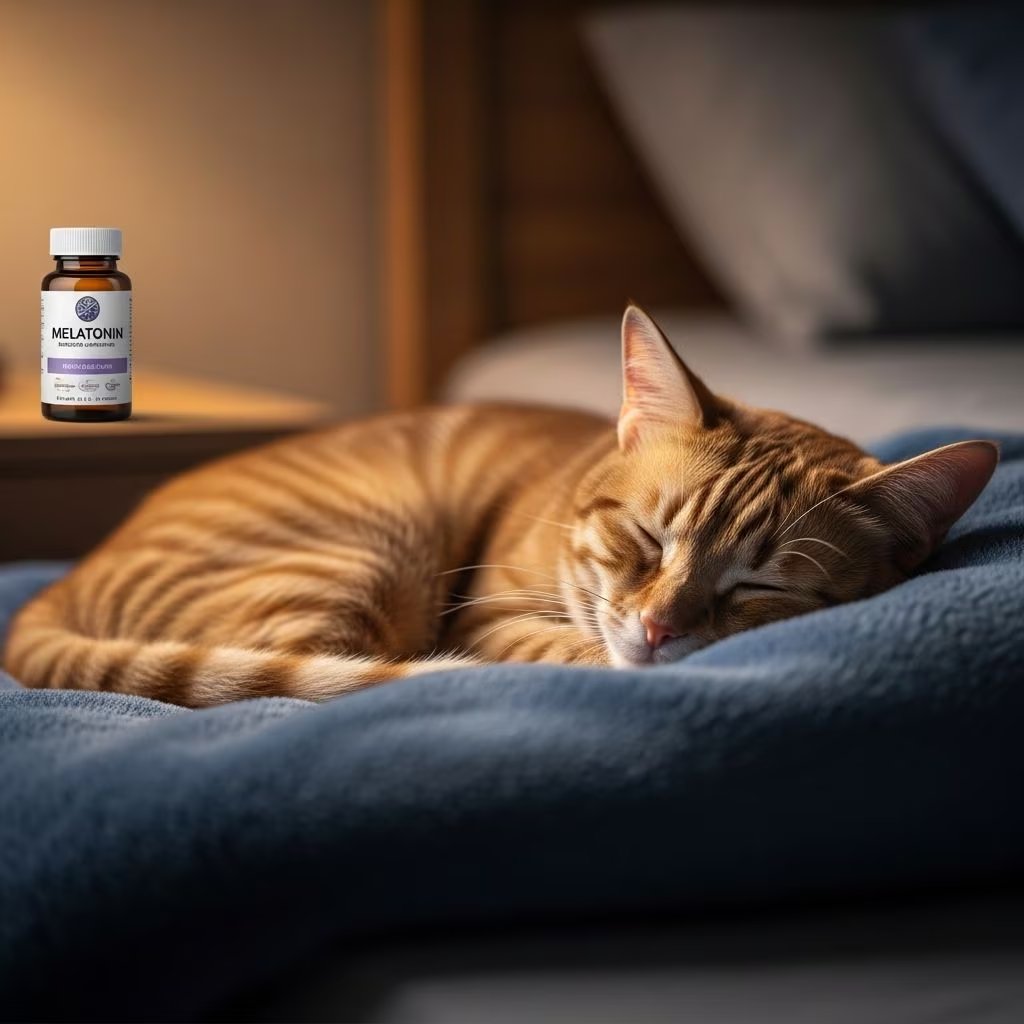
Melatonin for Cats: A Comprehensive Guide to Safety and Benefits
As a cat owner, you want the best for your feline companion’s health and well-being. If your cat struggles with sleep issues, anxiety, or stress-related behaviors, you may have heard about melatonin as a potential solution. Melatonin is a natural hormone that can support your cat’s sleep-wake cycles and promote relaxation. However, before introducing any new supplement to your cat’s routine, it’s essential to understand how it works, its benefits, potential risks, and proper usage guidelines.
This comprehensive guide covers everything you need to know about melatonin for cats, helping you make informed decisions about your pet’s health in consultation with your veterinarian.
What Is Melatonin and How Does It Work?
Melatonin is a naturally occurring hormone produced by the pineal gland in the brain. It plays a crucial role in regulating sleep-wake cycles, not only in cats but also in humans and other animals. The hormone works in conjunction with other physiological processes and natural light cycles to help control when your cat feels alert and when they feel drowsy.
In cats, melatonin’s function extends beyond simple sleep regulation. It interacts with your cat’s circadian rhythm—the internal biological clock that governs daily behavioral and physiological cycles. By maintaining healthy melatonin levels, your cat can develop consistent sleep patterns that support overall health and vitality. Beyond sleep promotion, melatonin also possesses natural calming and relaxing properties, making it beneficial for managing stress and anxiety in feline companions.
Key Benefits of Melatonin for Cats
Supporting Regular Sleep Schedules
One of the primary reasons pet owners turn to melatonin is to help establish or restore regular sleep patterns in their cats. While it might seem amusing that cats sleep approximately one-third of their lives, maintaining a consistent sleep schedule is vital for your cat’s overall health. When your cat’s sleep routine becomes disrupted—whether due to environmental changes, moving to a new home, or holiday stress—melatonin can help reestablish healthy sleep habits.
Melatonin can encourage your cat to sleep more during nighttime hours and remain active during the day, though it’s important to remember that cats are naturally crepuscular animals, meaning they’re most active during dawn and dusk. A veterinarian can guide you on using melatonin without disrupting your cat’s natural behavioral tendencies.
Managing Stress and Anxiety
Cats can experience stress from various triggers, including loud noises, unfamiliar visitors, changes in their environment, or even sounds from outside like a barking dog. Melatonin’s natural calming effect helps cats maintain composure when facing these stressors. By promoting healthy sleep and wake cycles, melatonin ensures your cat feels more prepared to handle daily challenges with greater resilience.
The relaxing properties of melatonin can be particularly beneficial for anxious cats, helping them maintain emotional balance throughout the day and night.
Addressing Heat Cycles
Some cat owners have reported that melatonin helps keep their cats calmer during heat cycles. While melatonin cannot suppress natural hormonal cycles, its relaxing effects may reduce the intensity of behavioral symptoms associated with estrus. When a cat receives regular sleep and feels relaxed, they’re less likely to exhibit the dramatic and vociferous behaviors typical of heat cycles, making the experience more manageable for both cat and owner.
Other Potential Health Applications
Beyond sleep and anxiety management, melatonin may offer additional health benefits for cats, including support for seasonal affective disorder (SAD), cognitive disorders, hyperactivity, separation anxiety, and certain hair disorders such as hair loss. Some veterinarians also consider melatonin for managing conditions like Cushing’s disease.
Is Melatonin Safe for Cats?
General Safety Profile
Melatonin is generally considered safe for adult cats when used appropriately. However, like any supplement or medication, it’s not without potential risks and requires careful consideration. Understanding the safety profile of melatonin is essential before introducing it to your cat’s wellness routine.
Several key safety principles should guide your decision:
- Some melatonin products are better suited for cats than others
- Certain risks and side effects exist that require monitoring
- Melatonin should only be given to adult cats, not kittens
- Melatonin is a wellness tool, not a cure for underlying conditions
- Melatonin may interact with other medications your cat is taking
Age Considerations
Melatonin should never be administered to kittens or juvenile cats. The developing nervous and endocrine systems in young cats may respond unpredictably to hormonal supplements. Always ensure your cat is a fully mature adult before considering melatonin supplementation.
Product Selection
One of the most critical safety considerations is choosing the right melatonin product. Cats should never be given human melatonin supplements, as these products often contain ingredients that are not safe for feline consumption. Many human melatonin formulations include additives, fillers, and other compounds that could potentially harm your cat.
Instead, look for melatonin supplements specifically formulated for cats. Read product labels carefully, check for third-party testing or quality certifications, and review customer feedback before purchasing. Consulting your veterinarian for product recommendations is an excellent way to ensure you’re selecting a safe, high-quality option.
Potential Side Effects and Risks
Common Side Effects
While melatonin is generally well-tolerated, it can cause side effects in some cats. The most common side effect is drowsiness or sedation, which is often the intended effect when using melatonin for sleep issues. However, you should monitor your cat’s responsiveness and energy levels after administration to ensure the sedation level is appropriate.
Other potential side effects include:
- Changes in appetite (either increased or decreased)
- Itchy skin or dermatological changes
- Stomach upset or gastrointestinal disturbances
- Possible disorientation
- Vomiting or diarrhea (in rare cases)
Monitoring Your Cat
After introducing melatonin to your cat’s routine, carefully monitor your pet for any negative reactions. If you notice any concerning symptoms or side effects, discontinue use immediately and consult your veterinarian. Your vet can help determine whether melatonin is appropriate for your cat or if alternative treatments might be more suitable.
Hormonal Considerations
Since melatonin is a hormone, it can interact with various physiological processes and may interfere with other hormones, particularly if used for extended periods. Regular veterinary monitoring is advisable if you plan to use melatonin long-term, ensuring that it’s not negatively impacting your cat’s endocrine system or interacting with other medications.
How to Give Melatonin to Your Cat Safely
Consult Your Veterinarian First
Before administering any melatonin supplement, schedule a consultation with your veterinarian. Your vet can assess your cat’s overall health, review any existing medications or conditions, and determine whether melatonin is an appropriate option. Some cats may have underlying health issues that make melatonin inadvisable, so professional guidance is essential.
Choose a Pet-Specific Product
Select a melatonin supplement specifically formulated for cats. These products are developed with feline physiology in mind and typically contain appropriate dosages and safe ingredients. Thoroughly research any product before purchasing, reading labels, instructions, and customer reviews.
Determine the Right Dosage
Your veterinarian will recommend an appropriate dosage based on your cat’s weight, age, health status, and the reason for use. Dosing can vary depending on whether you’re using melatonin for sleep disorders, anxiety, or other purposes. Never adjust the dosage without veterinary guidance.
Administration Methods
Melatonin supplements for cats are available in several forms, including tablets, capsules, and flavored chews specifically designed for feline consumption. Choose the form that’s easiest to administer to your cat and that they’re most likely to accept willingly.
Combine with Other Resources
Melatonin works best as part of a comprehensive approach to your cat’s wellness. Combine melatonin with other stress-reduction strategies and behavioral management techniques, such as environmental enrichment, consistent routines, and appropriate play sessions, for optimal results.
Melatonin for Specific Situations
Sleep Disorders
Cats, like humans, can experience disruptions in their sleep-wake cycles, particularly as they age. Melatonin supplementation can help regulate these cycles and potentially improve sleep quality and duration for senior cats or those experiencing sleep disturbances.
Anxiety and Stress-Related Behaviors
Cats experiencing excessive vocalization, restlessness, or agitation—especially during nighttime hours—may benefit from melatonin’s calming effects. The supplement’s natural ability to reduce anxiety can help your cat feel more secure and relaxed.
Lifestyle Transitions
If your cat is adjusting to a new home, experiencing changes in daylight savings time, or recovering from a disruptive event, melatonin can help them re-establish healthy sleep patterns and adapt to their new circumstances.
Frequently Asked Questions About Melatonin for Cats
Q: Can I give my kitten melatonin?
A: No, melatonin should only be given to adult cats. Kittens and juvenile cats have developing nervous systems that may respond unpredictably to hormonal supplements. Consult your veterinarian about age-appropriate alternatives for younger cats.
Q: What’s the difference between cat melatonin and human melatonin?
A: Human melatonin supplements often contain additives, fillers, and ingredients that aren’t safe for cats. Cat-specific melatonin is formulated with feline physiology in mind and contains appropriate dosages and safe components. Always choose products specifically designed for cats.
Q: How long does it take for melatonin to work in cats?
A: The onset of melatonin’s effects can vary depending on the individual cat and the reason for use. Most cats experience calming effects within 30-60 minutes of administration. Your veterinarian can provide specific timing recommendations based on your cat’s needs.
Q: Can melatonin interact with other medications?
A: Yes, melatonin may interact with other medications since it’s a hormone that affects various physiological processes. Always inform your veterinarian about any medications or supplements your cat is already taking before starting melatonin.
Q: Is melatonin a permanent solution for my cat’s anxiety?
A: Melatonin is a wellness tool, not a cure. It can help manage symptoms of anxiety and stress, but it works best as part of a comprehensive approach that may include environmental modifications, behavioral training, and other interventions recommended by your veterinarian.
Q: What should I do if my cat experiences side effects from melatonin?
A: If your cat exhibits any negative side effects after taking melatonin, discontinue use immediately and contact your veterinarian. Common side effects like drowsiness are usually manageable, but others may require professional evaluation.
Q: Can melatonin help with my cat’s seasonal affective disorder?
A: Yes, melatonin may help cats experiencing seasonal affective disorder by regulating their sleep-wake cycles in response to changing daylight hours. Discuss this option with your veterinarian if you suspect your cat suffers from SAD.
Melatonin as Part of Your Cat’s Wellness Plan
When used responsibly and under veterinary supervision, melatonin can be a valuable tool in supporting your cat’s sleep quality and emotional well-being. The key to success is thorough research, careful product selection, and maintaining open communication with your veterinarian throughout the process.
By practicing informed consumerism—carefully researching melatonin products before purchasing and consulting with your veterinarian—you can help ensure your cat receives the benefits of this natural supplement safely. Every cat is unique, and what works wonderfully for one cat may not be ideal for another, which is why personalized veterinary guidance is so important.
Remember that melatonin is most effective when combined with other wellness strategies, including environmental enrichment, consistent routines, and stress-reduction techniques. When all these elements work together under professional guidance, melatonin can significantly improve your cat’s sleep patterns, stress management, and overall quality of life.
References
- Melatonin for Cats: Why, How, and When to Use It for Your Cat’s Health — Paw CBD. 2024. https://www.pawcbd.com/blogs/posts/melatonin-for-cats-is-it-safe-why-how-and-when-to-use-it
- Melatonin for Cats: Uses, Dosage, Side Effects — GoodRx Pet Health. 2024. https://www.goodrx.com/pet-health/cat/melatonin
- Everything You Need to Know About Melatonin for Cats — CreativeScience Pet Education. 2024. https://creative.science/education/everything-you-need-to-know-about-melatonin-for-cats
- Melatonin for Dogs and Cats — Paws and Claws Animal Hospital. 2024. https://pawsandclawsanimalhospital.com/melatonin-for-dogs-and-cats/
- Can I Give My Cat Melatonin? The Answer Might Surprise You — Holistic Pet. 2024. https://www.holistapet.com/blogs/cat-care/can-i-give-my-feline-melatonin
- Melatonin in Dogs and Cats — WebMD Pets. 2024. https://www.webmd.com/pets/pet-meds/melatonin-dogs-cats
- Melatonin — VCA Animal Hospitals. 2024. https://vcahospitals.com/know-your-pet/melatonin



