

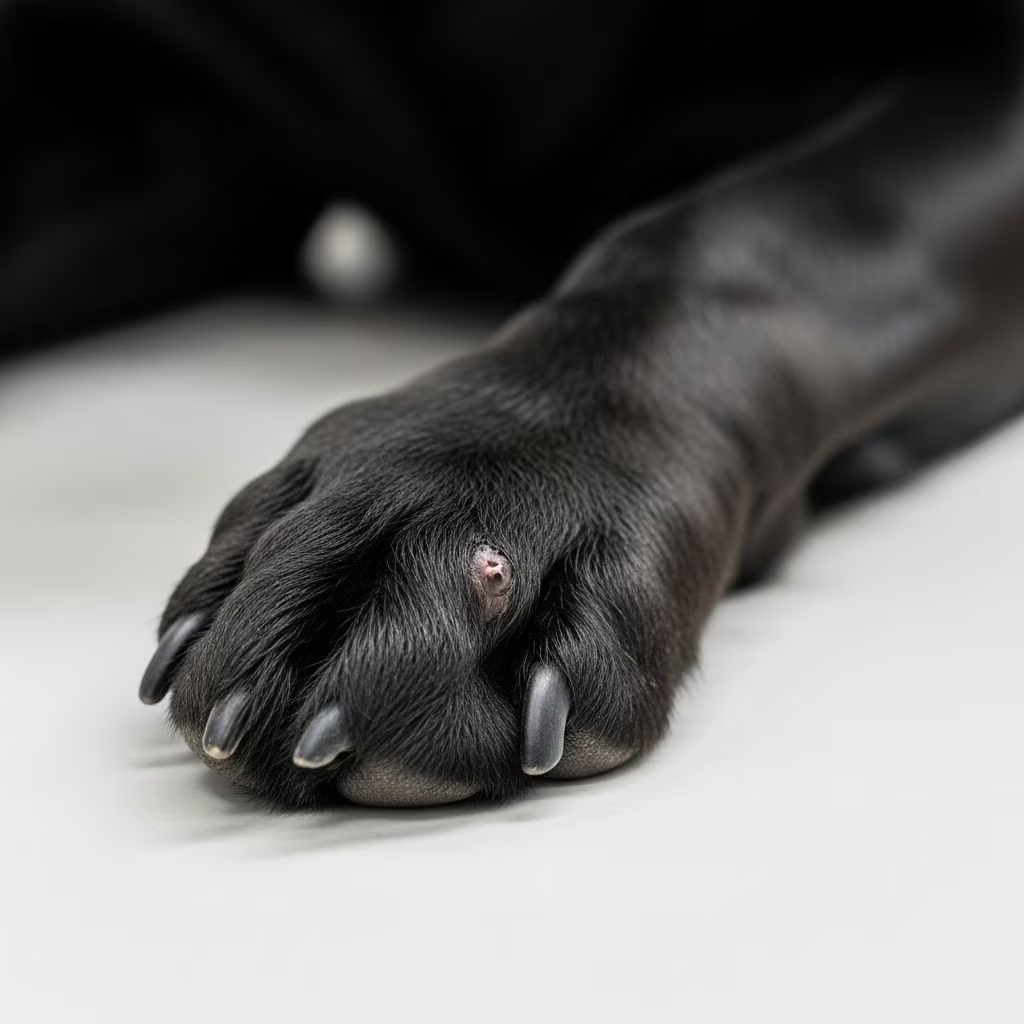
Melanoma is one of the most aggressive and common cancers affecting dogs, particularly noted for its rapid spread and potential lethality if not addressed early. This cancer arises from melanocytes, the pigment-producing cells, and can develop in various locations such as the mouth, skin, eyes, and toes. While some forms are benign, malignant melanomas, especially oral ones, pose significant threats due to their high metastatic rate to lungs, liver, and lymph nodes. Early detection through regular veterinary check-ups is crucial, as prognosis improves dramatically with prompt intervention.
What is melanoma in dogs?
Melanoma in dogs is a type of cancer originating from melanocytes, cells responsible for producing melanin, the pigment that gives color to skin, hair, and eyes. Unlike in humans where melanomas often appear as dark skin lesions, canine melanomas can occur internally and may not always be pigmented, appearing pink or flesh-colored. This cancer accounts for up to 6% of all canine tumors but is the most common oral malignancy, comprising over 80% of mouth tumors in dogs. Breeds like Scottish Terriers, Golden Retrievers, Cocker Spaniels, and Labrador Retrievers show higher susceptibility, though any dog can be affected regardless of coat color.
The malignancy stems from uncontrolled melanocyte growth, leading to tumors that invade local tissues and metastasize early. Oral melanomas are particularly aggressive, with 30-90% showing lymph node involvement at diagnosis and over 70% metastasizing to distant sites. Cutaneous (skin) melanomas are often benign if arising from haired skin but malignant if on mucocutaneous junctions like lips or eyelids. Digital (toe) melanomas behave aggressively, mimicking subungual human melanomas with high metastasis rates.
Symptoms of melanoma in dogs
Symptoms vary by tumor location, making awareness key for early detection. Common signs include:
- Oral melanoma: Bad breath (halitosis), excessive drooling, bleeding or ulcerated gums, loose teeth, difficulty eating or swallowing, facial swelling, weight loss.
- Skin (cutaneous) melanoma: Raised lumps or nodules, often pigmented but sometimes not; itching, ulceration, or hair loss over the site.
- Digital (toe/nailbed) melanoma: Limping, paw licking or chewing, swelling around the toe, nail deformity or loss, dark or pink mass under the nail.
- Ocular (eye) melanoma: Eye redness, bulging, vision changes, cloudiness, squinting, or discharge; may cause glaucoma.
- Other signs: Lethargy, appetite loss, or systemic illness if metastasized.
Any new lump, growth, or behavioral change warrants immediate veterinary attention, as melanomas grow quickly and spread silently.
Causes and risk factors of melanoma in dogs
The exact cause of canine melanoma remains unknown, with no single trigger identified. Unlike sun exposure-linked human skin melanomas, canine cases, especially oral, show no strong UV correlation. Genetic predisposition plays a major role, with breeds like Miniature Poodles, Springer Spaniels, and Boxers overrepresented. Older dogs over 10 years are at highest risk, and males may be slightly more affected. No definitive environmental or dietary links exist, though chronic inflammation or prior injuries might contribute. Prevention focuses on vigilance rather than avoidance, emphasizing routine oral and skin exams.
Diagnosis of melanoma in dogs
Diagnosis begins with a thorough physical exam, including oral inspection, fine-needle aspiration (FNA), or biopsy for cytology/histopathology to confirm melanoma and assess malignancy. Staging involves:
- Chest X-rays or CT for lung mets (common in 20-50% at diagnosis).
- Abdominal ultrasound for liver/spleen involvement.
- Sentinel lymph node mapping or biopsy, as 30% have nodal spread.
- Advanced imaging like CT/MRI for tumor extent, especially oral/jaw cases.
Melanoma is graded by depth, mitotic index, and TNM staging (Tumor size, Nodes, Metastasis). Immunohistochemistry (Melan-A, PNL2) differentiates from other cancers like melanoma vs. carcinoma.
Treatment options for melanoma in dogs
Treatment is multimodal, prioritizing local control and metastasis management. Surgery remains the cornerstone, tailored by location:
- Oral: Wide excision, often with mandibulectomy/maxillectomy (jaw removal); cosmetic and functional outcomes are good post-recovery.
- Cutaneous/Digital: Amputation of toe or wide margins excision.
- Ocular: Enucleation (eye removal) or cryotherapy/laser for limbal tumors.
Adjuvant therapies enhance outcomes:
- Radiation: Stereotactic (SRS, 1-3 sessions) or conventional; effective for inoperable tumors, controlling 80-90% locally.
- Chemotherapy: Drugs like carboplatin, lomustine; modest response (10-20%), used palliatively or post-surgery.
- Immunotherapy – Oncept Vaccine: Tyrosinase-targeting vaccine post-surgery; extends survival in stage II/III (median >15 months vs. 3-6 without).
- Other: Cryotherapy, photodynamic therapy, emerging trials like IL-12 injections showing tumor shrinkage.
Treatment Comparison Table
| Treatment | Best For | Pros | Cons | Cost Estimate |
|---|---|---|---|---|
| Surgery | Localized tumors | Curative if clean margins | Invasive, may need jaw/amputation | $2,000-$10,000 |
| Radiation (SRS) | Inoperable/local control | Few sessions, precise | Requires anesthesia, side effects | $4,000-$8,000 |
| Chemotherapy | Metastatic | Systemic control | Limited efficacy, side effects | $500-$700/dose |
| Oncept Vaccine | Post-surgery stage II/III | Immune boost, prolongs life | Not curative, multiple doses | $600/visit x4 + boosters |
Palliative care includes pain meds (gabapentin), nutrition, and wound management.
Prognosis for dogs with melanoma
Prognosis varies widely by location, stage, and treatment:
- Oral: Poor; median survival 2-5 months without treatment, 5-12 months with surgery/radiation/vaccine.
- Cutaneous (haired skin): Excellent if benign/excised (95% cure).
- Digital/Ocular: Guarded; 50% metastasize, survival 6-18 months.
Early stage I tumors have >80% 1-year survival; advanced stage IV <3 months. Factors improving outlook: clean margins, no mets, vaccine use. Euthanasia considered if quality of life declines.
Prevention of melanoma in dogs
No proven prevention exists due to unknown causes, but strategies include:
- Annual vet exams with oral cancer screening.
- Monitor for lumps, limps, breath changes.
- Good dental hygiene to reduce inflammation.
- Spay/neuter may lower risk in some breeds (unproven).
Early detection is the best \”prevention,\” with three key warning signs: pigmented/non-pigmented masses, oral halitosis/drooling, digital swelling/lameness.
Frequently Asked Questions (FAQs)
What are the early signs of melanoma in dogs?
Early signs include oral bad breath/drooling, toe limping/licking, skin lumps, eye changes. Any new growth needs vet evaluation.
Is melanoma in dogs treatable?
Yes, especially early; surgery + adjuvant therapy offers best outcomes, though metastatic cases are challenging.
How effective is the melanoma vaccine for dogs?
Oncept vaccine significantly extends survival in treated dogs (75% alive >15 months vs. historical 3-6 months).
Can melanoma in dogs be cured?
Cure possible for localized, fully excised tumors (esp. skin); oral/digital often managed, not cured due to metastasis risk.
What breeds are prone to melanoma?
Scottish Terriers, Goldens, Labs, Cocker Spaniels, Boxers; but all breeds at risk.
References
- Melanoma in Dogs: Common Symptoms, Causes, and Treatment — PetMD. 2023. https://www.petmd.com/dog/conditions/cancer/melanoma-dogs-common-symptoms-causes-and-treatment
- What Is Canine Melanoma? — Metropolitan Veterinary Associates. 2023. https://metro-vet.com/what-is-canine-melanoma/
- Melanoma of the dog and cat: consensus and guidelines — PMC – NIH. 2024-04-05. https://pmc.ncbi.nlm.nih.gov/articles/PMC11026649/
- Medical Oncology: Canine Oral Melanoma — NC State Veterinary Hospital. 2023. https://hospital.cvm.ncsu.edu/services/small-animals/cancer-oncology/oncology/canine-oral-melanoma/
- Immunotherapy Trials Show Promise for Treating Canine Melanoma — University of Illinois Vet Med. 2022-08-06. https://vetmed.illinois.edu/2022/08/06/immunotherapy-trials-show-promise-for-treating-canine-melanoma/
- Melanoma in Dogs — PetCure Oncology. 2023. https://petcureoncology.com/melanoma-in-dogs/



