

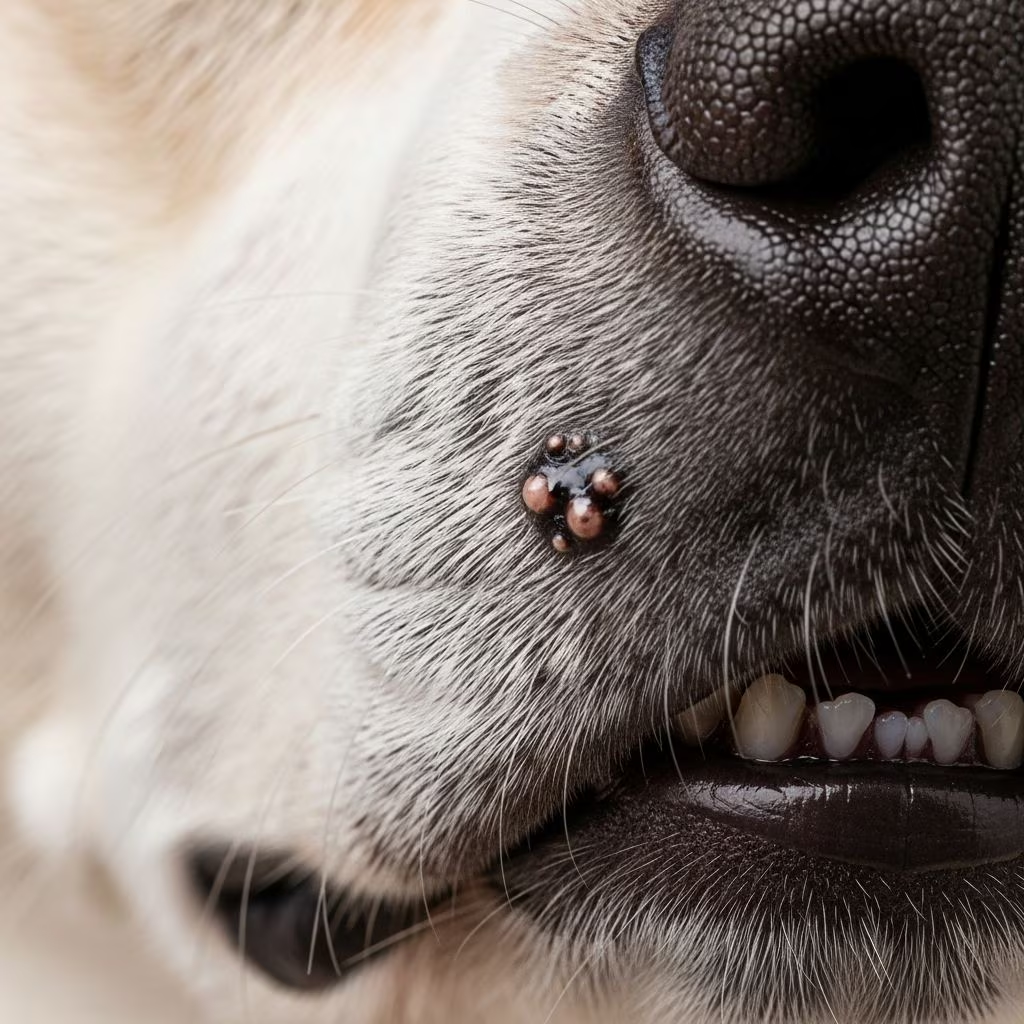
Melanoma represents one of the most challenging cancers affecting dogs, often arising from pigment-producing cells known as melanocytes. These tumors can appear in various locations, including the mouth, skin, eyes, toes, and nail beds, and they range from benign growths to highly aggressive forms that metastasize rapidly. Early identification is crucial, as timely intervention can significantly extend a dog’s quality of life and survival time.
Recognizing the Early Warning Signs
Dogs with melanoma may exhibit subtle symptoms initially, which can progress to more noticeable issues. Common indicators include discolored or raised lumps on the skin, gums, or inside the mouth that may bleed or ulcerate. Owners might observe bad breath or excessive drooling from oral tumors, alongside difficulty eating or facial swelling. For toe or nail bed melanomas, limping, paw licking, or nail loss are frequent complaints. Ocular involvement can lead to bulging eyes, vision impairment, or cloudiness in the eye. Systemic signs like unexplained weight loss, coughing, or enlarged lymph nodes signal possible spread to lungs or other organs.
- Oral melanoma symptoms: Pigmented masses on gums, tongue, or lips; halitosis; loose teeth.
- Cutaneous melanoma signs: Dark or pink raised bumps on haired skin; occasional inflammation.
- Subungual melanoma indicators: Swollen toes, black discoloration under nails, lameness.
- Eye-related melanoma clues: Iris pigmentation changes, glaucoma-like pressure, or uveitis.
These signs warrant immediate veterinary evaluation, as melanoma’s aggressive nature demands prompt action.
Risk Factors and Predisposing Elements
While the precise cause of canine melanoma remains multifactorial, genetic predispositions play a prominent role. Certain breeds face elevated risks: Scottish Terriers, Golden Retrievers, Labrador Retrievers, Rottweilers, Boxers, Cocker Spaniels, Springer Spaniels, Doodles, and Airedales show higher incidence rates. Older dogs, particularly those over 10 years, are more susceptible, with anecdotal data suggesting males may be affected more than females. Unlike human melanoma, UV light exposure does not significantly contribute in dogs, emphasizing hereditary and environmental interactions over sun damage.
| Breed | Risk Level | Common Sites |
|---|---|---|
| Scottish Terriers | High | Oral, digits |
| Golden Retrievers | Moderate-High | Mouth, skin |
| Labrador Retrievers | Moderate | Toes, eyes |
| Boxers | Moderate | Cutaneous |
Environmental factors, though not fully defined, may include chronic inflammation or prior injuries at tumor sites. Regular monitoring in at-risk breeds is essential.
Diagnostic Approaches for Accurate Assessment
Veterinarians employ a multi-step process to confirm melanoma and stage the disease. Initial exams involve fine-needle aspiration or biopsy of suspicious masses to differentiate malignant from benign melanocytic tumors. Imaging like chest X-rays, abdominal ultrasound, or CT scans checks for metastasis to lungs, lymph nodes, or liver. Bloodwork assesses overall health, while advanced techniques such as sentinel lymph node mapping guide surgical planning. Staging classifies tumors from I (localized, small) to IV (distant spread), influencing treatment choices profoundly.
Primary Treatment Strategies
Surgery remains the cornerstone for local control, aiming for wide margins to excise the tumor completely. Oral melanomas may necessitate mandibulectomy or maxillectomy (jaw bone removal), while digital cases often require toe amputation. Eye melanomas might involve enucleation (eye removal). Post-surgical histopathology determines malignancy and margins status.
Radiation therapy complements surgery, especially for inoperable or incompletely resected tumors. Options include conventional fractionated radiation (multiple sessions) or stereotactic radiation surgery (SRS), delivering precise high doses in 1-3 treatments to spare healthy tissue. Radiation proves effective for oral and periocular melanomas, controlling local recurrence.
Adjuvant and Systemic Therapies
Beyond surgery and radiation, systemic options target microscopic disease. Chemotherapy agents like carboplatin, lomustine, or toceranib offer palliation for metastatic cases, though melanoma’s resistance limits durable responses. These drugs, administered every 3-6 weeks, manage side effects like nausea or myelosuppression.
The Oncept canine melanoma vaccine represents a breakthrough immunotherapy. This DNA-based vaccine targets tyrosinase protein on melanoma cells, stimulating immune recognition and attack. Administered in four initial doses followed by boosters, it extends survival in stages II-III dogs when combined with local control. Studies report 75% of vaccinated stage II/III dogs surviving over 15 months versus 3-6 months historically.
Emerging therapies include cryotherapy for small lesions, photodynamic therapy, and laser ablation, alongside novel immunotherapies enhancing epitope expression via radiation.
Prognosis: What Influences Outcomes
Prognosis hinges on tumor location, size, stage, and completeness of excision. Oral melanomas carry the poorest outlook, with median survival of 2-5 months untreated, improving to 5-12 months post-surgery, and up to 18+ months with multimodal therapy including vaccines. Cutaneous and toe melanomas fare better if caught early, often exceeding 1-2 years survival. Stage IV cases prioritize comfort, with euthanasia considered for poor quality of life.
- Stage I oral: Surgery alone ~12 months MST.
- Stage II-III with vaccine: >15 months survival in 75%.
- Metastatic: Palliative care, months survival.
Regular follow-ups with imaging and exams monitor recurrence.
Supportive Care During and After Treatment
Recovery demands comprehensive support. Pain management with gabapentin, NSAIDs, or opioids eases discomfort. Nutritional supplements, soft diets for oral cases, and wound care promote healing. Elizabethan collars prevent self-trauma, while physical therapy aids mobility post-amputation. Owners should watch for treatment side effects like radiation mucositis or chemo-induced anorexia.
Prevention and Proactive Monitoring
Absent a single cause, prevention focuses on vigilance. Monthly at-home checks of mouth, skin, paws, and eyes detect changes early. Annual veterinary dental cleanings and exams, increasing to biannual for seniors or high-risk breeds, enable interception before metastasis. Spaying/neutering may indirectly lower risks in predisposed breeds.
Frequently Asked Questions (FAQs)
Is melanoma painful for dogs?
Yes, advanced tumors cause pain from ulceration, invasion, or secondary infection; analgesics are standard in management.
Can melanoma be cured in dogs?
Early-stage localized tumors have high cure rates with surgery; metastatic disease is managed, not cured.
How much does treatment cost?
Surgery: $2,000-$6,000; radiation: $4,000-$8,000; vaccine series: $2,000+; chemo: $500-$700 per dose.
Does breed matter for melanoma risk?
Yes, terriers and retrievers face higher odds; genetics drive susceptibility.
What is the role of the melanoma vaccine?
Oncept boosts immunity against tyrosinase, prolonging survival post-local control, especially stages II-III.
Navigating a Diagnosis: Next Steps for Owners
A melanoma diagnosis can overwhelm, but veterinary oncology teams provide tailored plans. Seek board-certified oncologists for complex cases. Support groups and resources aid emotional coping. With advances like vaccines and precise radiation, many dogs enjoy extended, happy lives post-treatment.
References
- Melanoma in Dogs: Common Symptoms, Causes, and Treatment — PetMD. 2023. https://www.petmd.com/dog/conditions/cancer/melanoma-dogs-common-symptoms-causes-and-treatment
- What Is Canine Melanoma? — Metropolitan Veterinary Associates. 2023. https://metro-vet.com/what-is-canine-melanoma/
- Melanoma of the dog and cat: consensus and guidelines — PMC – NIH (peer-reviewed). 2024-04-01. https://pmc.ncbi.nlm.nih.gov/articles/PMC11026649/
- Medical Oncology: Canine Oral Melanoma — NC State Veterinary Hospital (.edu). 2024. https://hospital.cvm.ncsu.edu/services/small-animals/cancer-oncology/oncology/canine-oral-melanoma/
- Melanoma in Dogs — PetCure Oncology. 2024. https://petcureoncology.com/melanoma-in-dogs/



