

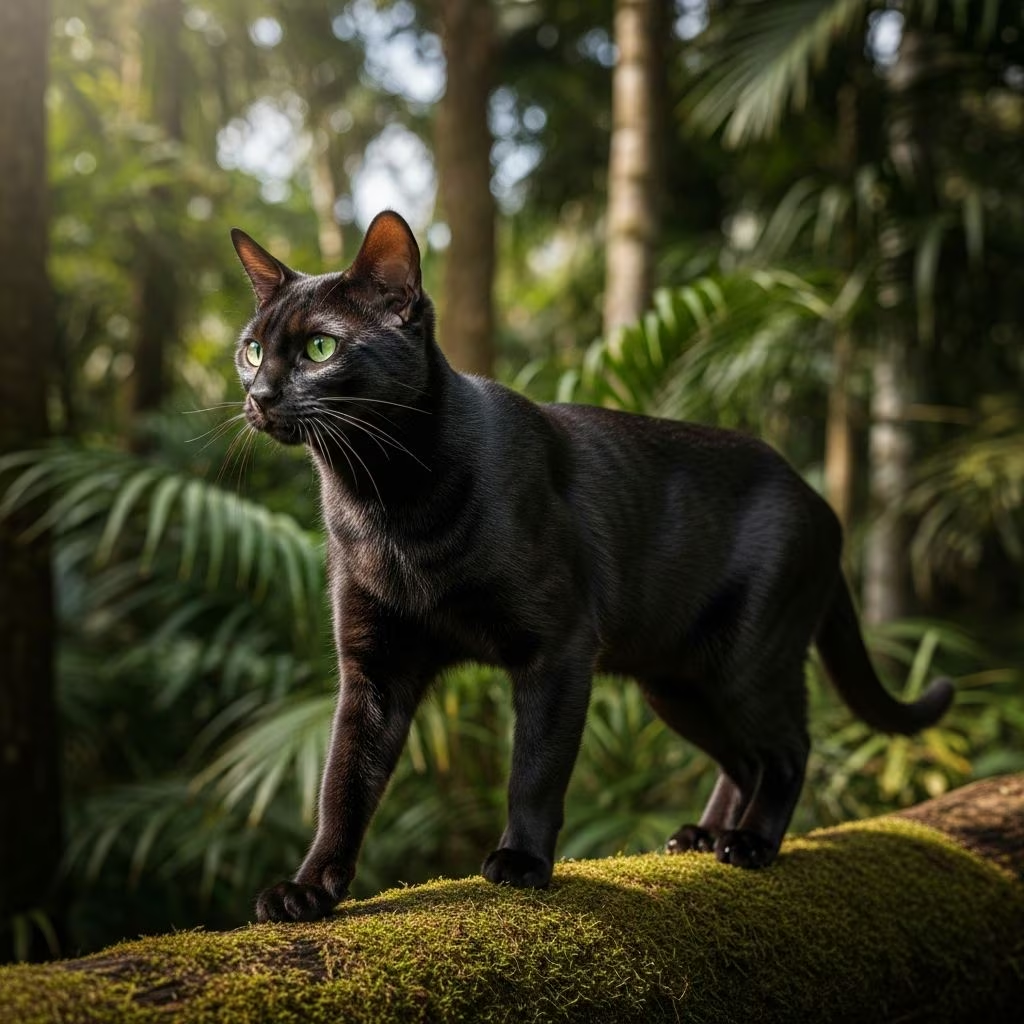
Melanistic Bengal cats represent a captivating subset of the Bengal breed, characterized by their striking solid black coats that often conceal intricate underlying patterns. These felines blend the elegance of domestic cats with echoes of their wild ancestry, offering a unique appeal to enthusiasts seeking something extraordinary.1
The Essence of Melanism in Bengals
Melanism refers to an increased presence of dark pigment known as melanin, resulting in predominantly black fur across the cat’s body. In Bengals, this trait produces what are commonly called black or solid Bengals, though closer inspection reveals “ghost” markings—faint outlines of the breed’s signature rosettes, spots, or marbling that become more evident under certain lighting or in younger kittens.12 Unlike typical spotted Bengals, melanistics appear uniformly jet black at first glance, embodying a sleek, panther-like mystique.
This phenomenon arises from specific genetic combinations within the Bengal lineage, which traces back to crosses between domestic cats and the Asian leopard cat. The melanistic expression enhances the breed’s exotic allure without altering its core domestic temperament.3
Genetic Foundations of the Black Coat
At the heart of a melanistic Bengal’s appearance lies a straightforward yet powerful genetic mechanism involving the agouti gene. Cats inherit one allele from each parent: the dominant “A” allele allows for banded hairs and visible patterns, while the recessive “a” allele promotes solid color by suppressing these bands. A kitten must inherit “a/a” to express melanism fully.2
Even with this genotype, the underlying tabby pattern persists as ghost images, particularly noticeable in bright sunlight or on the kitten’s softer fur. Bengal melanistics can belong to various color classes, influencing subtle undertones:
- Brown melanistics: Warm grey undercoat with jet black ground color throughout.1
- Snow melanistics: Lighter grey base, mimicking seal or blue points with faint markings.2
- Silver or smoke melanistics: Grey undercoat, adding a shimmering depth.1
Breeding for melanistics doesn’t require both parents to be solid black; carriers (A/a) can produce them when paired appropriately, allowing breeders to diversify litters while preserving this trait.2
Variations in Melanistic Bengal Colors
The Cat Fanciers’ Association recognizes multiple melanistic patterns, each with distinct specifications for coat, eyes, and accents. Here’s a breakdown:
| Variation | Ground Color | Eye Color | Nose/Paw Pads | Key Notes |
|---|---|---|---|---|
| Black Melanistic | Jet black, uniform | Green, gold, hazel | Black | No warm tones; ghost markings faint1 |
| Blue Melanistic | Blue-gray to slate | Green, gold, hazel | Dark blue/rose | Uniform body; subtle ghosts1 |
| Seal Point Melanistic | Ivory to tan, darker points | Blue | Brownish-black | Lighter chest; point coloration1 |
| Seal Mink Melanistic | Tan to medium brown | Green/gold | Brownish-black | Slightly darker points1 |
| Blue Point Melanistic | Ivory to blue-gray | Blue | Slate blue | Soft shading to white roots1 |
These variations highlight the breed’s genetic versatility, with ghost patterns most prominent in kittens and fading slightly in maturity.1
Physical Traits Beyond the Coat
Beyond their signature fur, melanistic Bengals retain the breed’s athletic build: muscular bodies, long legs, large paws, and substantial tails. Their heads feature wide-set ears, bold whisker pads, and expressive eyes rimmed in dark pigment. The short, dense coat feels plush and glittered—a hallmark Bengal trait where individual hairs sparkle like sequins.13
Weight typically ranges from 8-15 pounds for adults, with males larger than females. Their movement is fluid and purposeful, evoking wild felines despite their fully domestic status.
Personality: Wild Heart in a Domestic Body
Melanistic Bengals mirror the standard Bengal temperament: boundless energy, sharp intelligence, and deep affection. These cats thrive on interaction, often shadowing their humans and demanding play sessions that mimic hunting pursuits.34 They excel at puzzle toys, leash walks, and even fetching, showcasing dog-like loyalty.
- High play drive: Love climbing towers and chasing interactive wands.
- Social butterflies: Bond strongly with families, children, and other pets.
- Vocal communicators: Chirp, trill, and meow to express needs.3
Despite their intense demeanor, they adapt well to apartments if provided enrichment, preventing boredom-induced mischief.
Health and Longevity Expectations
Bengals, including melanistics, generally enjoy robust health, with lifespans of 12-16 years. Common concerns include:
- Hypertrophic cardiomyopathy (HCM): Screened via genetic tests.
- Progressive retinal atrophy (PRA): Also testable.
- Patellar luxation: Occasional in active breeds.
Responsible breeders use health certifications from organizations like the Cat Fanciers’ Association to minimize risks. Regular vet check-ups ensure these dynamic cats remain thriving companions.1
Caring for Your Melanistic Bengal
Grooming is straightforward due to the short coat—weekly brushing distributes oils and reveals ghost patterns. Dental care, nail trims, and ear cleaning round out maintenance.3
Diet should emphasize high-protein, grain-free formulas supporting their active metabolism. Hydration is key; fountains encourage drinking. Enrichment includes vertical spaces, scratching posts, and daily play to channel their energy.
Socialization from kittenhood fosters well-adjusted adults, comfortable with handling and new environments.
Bringing Home a Melanistic Kitten
Acquire from reputable breeders affiliated with CFA or TICA, who prioritize health testing and ethical practices. Kittens often show clearer ghost markings early on, helping assess lineage.12 Expect a waitlist, as melanistics are prized for their rarity.
Preparation involves cat-proofing homes, stocking quality supplies, and committing to their engaging lifestyle. These cats reward dedicated owners with unwavering companionship.
Comparing Melanistics to Other Bengals
| Aspect | Melanistic Bengals | Standard Spotted Bengals | Snow Bengals |
|---|---|---|---|
| Coat Pattern | Solid black w/ ghosts | Bold rosettes/spots | Light base, blue eyes |
| Visibility | Faint markings | High contrast | Subtle shading1 |
| Temperament | Energetic, affectionate | Identical | Identical3 |
| Rarity | Less common | Common | Specialty |
Frequently Asked Questions
Are melanistic Bengals truly all black?
Yes, but ghost tabby patterns emerge in sunlight or on fur tips, especially in kittens.12
Do melanistic Bengals shed a lot?
No, their short coats shed minimally, requiring little grooming.3
Can melanistics be bred with non-melanistics?
Absolutely—carriers produce melanistic offspring without needing solid parents.2
What eye colors do they have?
Typically green, gold, or hazel; points may have blue.1
Are they good with families?
Yes, their playful, loyal nature suits active households.34
Why Choose a Melanistic Bengal?
These cats offer a perfect fusion of mystery and vibrancy, with coats that shift from solid shadow to patterned intrigue. Their intelligence and affection make them ideal for those craving an interactive pet with wild flair, all while fitting seamlessly into home life.
References
- Bengal Breed Standard — The Cat Fanciers’ Association. 2023. https://cfa.org/breed/bengal/
- Melanistic (Black) Bengal Color Genetics — Chalk Mountain Family Farm. 2022. https://chalkmountainfamilyfarm.com/blogposts/melanistic-black-genetics-bengal-kittens-bengal-breeder-texas.html
- Distinctive Features of Bengal Cats — Wild N Sweet Bengals. 2024. https://wildnsweetbengals.com/en/bengal-cat-blog/bengal-particularities/
- Melanistic Bengals – The Black Panther Beauty — Purebred Kitties. 2023. https://purebredkitties.com/blogs/bengal-cat/melanistic-bengals-the-mysterious-beauty



