

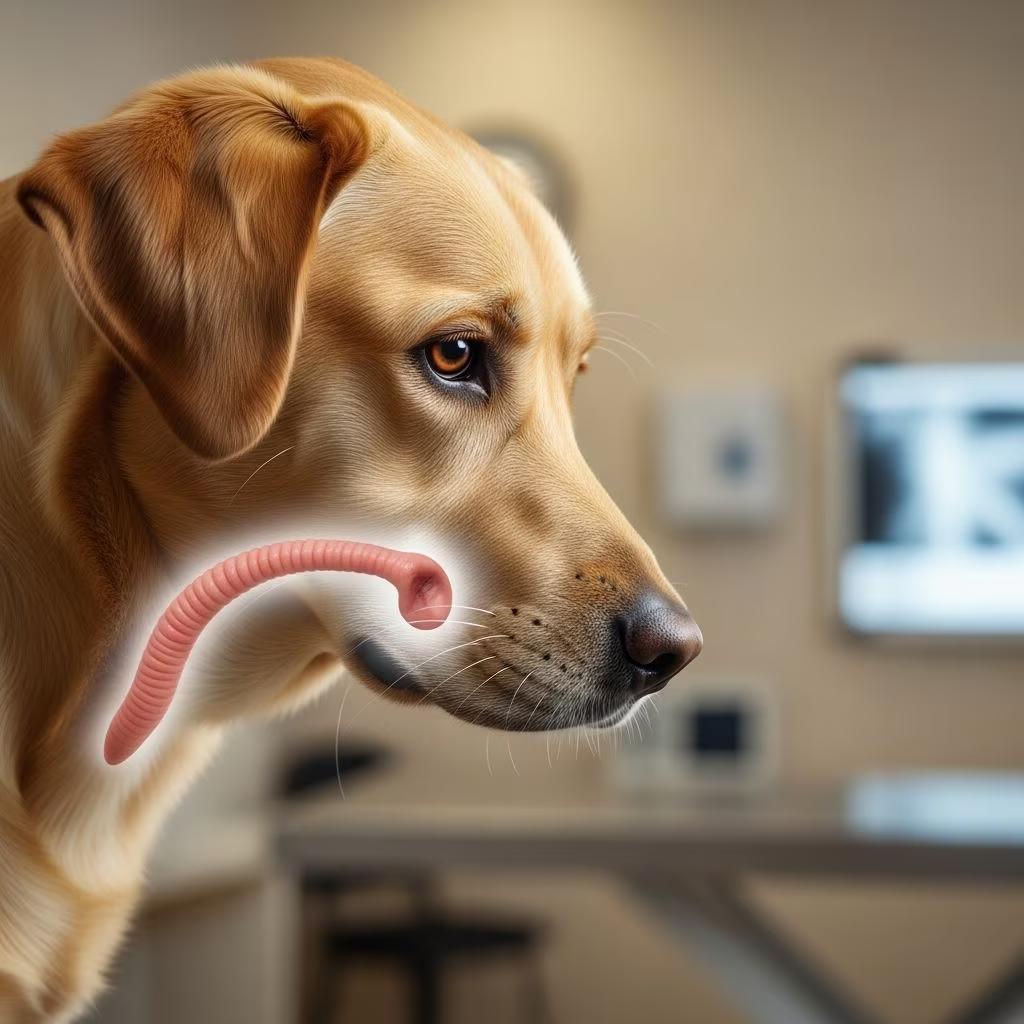
Understanding Megaesophagus in Dogs
Megaesophagus is a serious medical condition that affects a dog’s esophagus, the muscular tube that carries food and water from the mouth to the stomach. In dogs with megaesophagus, the esophagus becomes abnormally enlarged and loses its ability to function properly, making it difficult for food and water to pass into the stomach. This condition can occur in dogs of any age or breed, though it is more commonly seen in large-breed dogs and certain purebred lines.
The word “megaesophagus” literally means an enlarged esophagus. When a dog has this condition, gravity alone cannot move food down the esophagus effectively because the muscular contractions that normally propel food downward become weakened or absent. This leads to regurgitation, where food passively returns up and out of the mouth, often through the nose as well. Understanding this condition is crucial for dog owners, as early detection and proper management can significantly improve a dog’s quality of life.
What Causes Megaesophagus?
Megaesophagus can be classified into two main categories: congenital and acquired. Congenital megaesophagus is present from birth and is often hereditary, particularly affecting certain breeds like German Shepherds, Great Danes, Irish Setters, and Miniature Schnauzers. Acquired megaesophagus develops later in life and can result from various underlying health conditions.
Several factors can lead to the development of acquired megaesophagus in dogs:
– Myasthenia gravis, an autoimmune neuromuscular disorder- Hypothyroidism and other endocrine disorders- Cushing’s syndrome- Thymoma or other tumors affecting the chest- Polymyositis and other inflammatory muscle diseases- Severe gastroesophageal reflux- Persistent vomiting from other causes- Certain medications that affect esophageal function
Recognizing the Symptoms of Megaesophagus
The symptoms of megaesophagus can vary in severity depending on the extent of esophageal enlargement and the underlying cause. Pet owners should be alert to several warning signs that may indicate their dog has this condition.
Primary Symptoms
Regurgitation is the most common and distinctive sign of megaesophagus. Unlike vomiting, which is an active process involving abdominal contractions, regurgitation is passive—food and liquid simply roll back up and out of the mouth. Dogs with megaesophagus typically regurgitate shortly after eating or drinking, often without any warning signs. The regurgitated material may also come through the nose.
Weight loss and muscle wasting are inevitable consequences of megaesophagus. Even though dogs with this condition typically have ravenous appetites, they lose weight because food cannot reach their stomach for proper digestion and nutrient absorption. Without intervention, affected dogs develop poor, thin, and weak body conditions despite their desire to eat.
Difficulty swallowing is particularly noticeable in dogs with esophageal strictures, irritated esophagus, or obstructions. You may observe your dog gulping repeatedly, throwing their head around, or positioning their head and neck abnormally while attempting to swallow. Some dogs may display signs of discomfort or distress during the swallowing process.
Increased drooling is a non-specific but common symptom. Some dogs with megaesophagus hypersalivate, causing them to drool more than normal. This excessive saliva production can lead to wet fur around the mouth and chin.
Secondary Symptoms
Due to the nature of regurgitation, food and water can accidentally enter the airways instead of going down the esophagus. This can lead to aspiration pneumonia, one of the most serious complications of megaesophagus. Signs of aspiration pneumonia include coughing, nasal discharge, fever, rapid breathing, letharness, and in severe cases, bluish-tinged gums indicating poor oxygen levels. If your dog displays any of these signs, contact your veterinarian immediately, as aspiration pneumonia can be life-threatening if left untreated.
Diagnosis of Megaesophagus
Your veterinarian will perform a thorough physical examination and may notice a small bulge in the neck when the esophagus is distended with food or fluid. However, diagnosis typically requires imaging studies to confirm the diagnosis.
Radiographs (X-rays) are commonly used to visualize the enlarged esophagus and assess the degree of enlargement. Fluoroscopy, which involves real-time X-ray imaging while your dog swallows, can help evaluate esophageal motility and the severity of the condition. In some cases, your veterinarian may recommend additional diagnostic tests such as blood work to evaluate thyroid function and check for underlying diseases that could be causing megaesophagus. Ultimately, identifying any treatable underlying cause is important, as addressing the root problem may help resolve or improve the megaesophagus.
Treatment and Management Options
While megaesophagus cannot be permanently cured in most cases, it can be effectively managed through a combination of dietary modifications, lifestyle changes, and medications. Treatment approaches focus on two main goals: helping your dog eat and drink with minimal regurgitation and addressing any underlying causes when identified.
Dietary Management
One of the most important management strategies is changing how and what your dog eats. Feeding small, frequent meals several times daily rather than one or two large meals helps reduce the volume of food in the esophagus at any given time. This approach decreases the likelihood and severity of regurgitation episodes.
The consistency of food is equally important. Many dogs with megaesophagus do better with wet or moistened food rather than dry kibble. Some veterinarians recommend feeding a semi-liquid or gruel-like consistency, making it easier for the weakened esophagus to move food downward. In severe cases, your veterinarian may recommend pureed food. High-calorie diets are often necessary to help affected dogs maintain adequate nutrition and weight despite their eating difficulties.
Elevated Feeding Positions
Raising food and water bowls to head height, or even slightly higher, uses gravity to assist the food’s passage down the esophagus and helps prevent regurgitation. Elevated food bowls allow you to adjust the height to match your individual dog’s needs. When eating from an elevated bowl, your dog should be encouraged to remain in an upright or standing position for at least 15 to 30 minutes after eating to allow gravity to continue working in their favor.
Additionally, dogs should sleep with their front end slightly elevated using an orthopedic dog bed or similar support. Maintaining an elevated position during rest helps prevent regurgitation episodes that commonly occur when dogs are lying flat.
Medication-Based Treatments
Sildenafil (Viagra) has emerged as a promising treatment for megaesophagus in dogs. Research published in the American Journal of Veterinary Research demonstrated that dogs receiving sildenafil experienced fewer regurgitation episodes compared to those receiving a placebo, and they also gained more weight during treatment. This medication appears to help improve esophageal function and reduce complications, making it an increasingly popular option among veterinarians managing dogs with this condition.
Sucralfate is a medication that protects and soothes the irritated esophageal lining, reducing inflammation and discomfort associated with repeated regurgitation and esophageal irritation.
Prokinetic agents such as cisapride, metoclopramide, and bethanechol may be prescribed to assist with esophageal motility and improve lower esophageal sphincter tone, though their effectiveness in dogs is variable compared to cats. Bethanechol, in particular, may promote esophageal peristalsis and improve muscular contractions.
Anti-nausea medications and antacids help manage discomfort and secondary symptoms associated with regurgitation and esophageal irritation.
Advanced Treatments
Botox injections into the lower esophagus may be considered in some cases. This procedure is performed under general anesthesia and works by relaxing the lower esophageal sphincter to facilitate food passage.
Feeding tubes may be necessary in severe cases when dogs cannot eat enough food orally to maintain adequate nutrition and weight. A feeding tube allows nutrition to bypass the dysfunctional esophagus and enter the stomach or small intestine directly.
Surgery is rarely performed but may be considered in select cases where a specific, correctable obstruction is identified as the cause of megaesophagus.
Managing Complications
Aspiration pneumonia is the most common and serious complication of megaesophagus, occurring in approximately 40% of affected dogs at the time of diagnosis. This occurs when food, water, or saliva inadvertently enters the lungs instead of the stomach. If your dog shows signs of aspiration pneumonia—including coughing, fever, difficulty breathing, lethargy, or bluish gums—seek emergency veterinary care immediately.
Regular monitoring for respiratory infections is essential, and any signs of respiratory disease should be treated promptly with antibiotics if bacterial infection is suspected. Close observation after meals, watching for changes in breathing patterns, wheezing, or persistent coughing, can help identify problems early before they become life-threatening.
Recovery and Long-Term Prognosis
While megaesophagus is a lifelong condition in most cases, dogs can live happy and relatively normal lives with proper management. The prognosis is generally better when the condition is diagnosed early and when affected dogs have not yet developed aspiration pneumonia. Dogs that develop aspiration pneumonia face a more guarded prognosis and require more intensive management.
In some cases, particularly when megaesophagus is secondary to another treatable condition like myasthenia gravis, clinical remission may occur anywhere from 1 month to 1 year after treatment of the underlying disease, with dogs potentially regaining normal esophageal function.
Success in managing megaesophagus requires dedication, patience, and close collaboration with your veterinarian. Regular veterinary examinations to monitor weight, body condition, and blood work parameters are crucial for preventing complications and maintaining your dog’s quality of life.
Frequently Asked Questions
Q: Is megaesophagus curable?
A: Megaesophagus cannot be cured permanently in most cases; however, it can be successfully managed through dietary modifications, elevated feeding, medications, and close veterinary supervision. In cases where megaesophagus is secondary to another treatable condition, treating that underlying disease may resolve the megaesophagus.
Q: What is the difference between regurgitation and vomiting?
A: Regurgitation is a passive process where food simply returns up and out of the mouth without abdominal contractions, while vomiting involves active abdominal contractions and is typically preceded by warning signs like drooling and retching. Dogs with megaesophagus regurgitate rather than vomit.
Q: Can my dog die from megaesophagus?
A: While megaesophagus itself is not directly fatal, serious complications like aspiration pneumonia can be life-threatening if not treated promptly. With proper management and veterinary care, most dogs with megaesophagus can live for many years.
Q: What should I do if my dog shows signs of aspiration pneumonia?
A: Seek emergency veterinary care immediately if your dog shows signs of breathing difficulties, persistent coughing, fever, extreme lethargy, or bluish gums. These signs indicate a serious complication requiring urgent treatment.
Q: How often should I feed my dog with megaesophagus?
A: Dogs with megaesophagus should be fed multiple small meals throughout the day rather than one or two large meals. The exact frequency depends on your dog’s individual needs and your veterinarian’s recommendations, but many dogs do well with 3-4 meals daily.
Q: Are certain dog breeds more prone to megaesophagus?
A: Yes, large-breed dogs and certain purebred lines, including German Shepherds, Great Danes, Irish Setters, and Miniature Schnauzers, have a higher predisposition to congenital megaesophagus.
References
- Megaesophagus in Dogs: Causes, Symptoms, Treatment — Toe Grips. 2024. https://toegrips.com/megaesophagus-in-dogs/
- Megaesophagus in Dogs — ASPCA Pet Health Insurance. 2024. https://www.aspcapetinsurance.com/resources/megaesophagus-in-dogs/
- Megaesophagus in Dogs: Signs, Causes, and How to Manage — PetMD. 2024. https://www.petmd.com/dog/conditions/digestive/megaesophagus-dogs
- Megaesophagus in Dogs: Symptoms and Treatments — WebMD Pets. 2024. https://www.webmd.com/pets/dogs/what-is-megaesophagus-dogs
- Megaesophagus in Dogs: Urgent Signs, Emergency Care, and Management — GSVS. 2024. https://gsvs.org/blog/megaesophagus-dogs-urgent-care/
- Diagnosis and Management of Megaesophagus in Dogs — DVM360. 2024. https://www.dvm360.com/view/diagnosis-and-management-megaesophagus-dogs-proceedings
- Megaoesophagus/Megaesophagus (MO/ME) in Dogs Fact Sheet — Vet Specialists. 2024. https://www.vetspecialists.co.uk/fact-sheets-post/megaoesophagus-megaesophagus-mo-me-in-dogs-fact-sheet/



