Megaesophagus in Dogs: Challenges and Care
Discover essential strategies for managing megaesophagus in dogs, from diagnosis to daily care routines that improve quality of life.

Megaesophagus is a debilitating condition where a dog’s esophagus enlarges and loses its ability to propel food and water to the stomach effectively. This leads to frequent regurgitation and heightened risk of life-threatening aspiration pneumonia. While challenging, proactive management can significantly enhance a dog’s comfort and longevity.
Understanding the Esophagus and Its Role
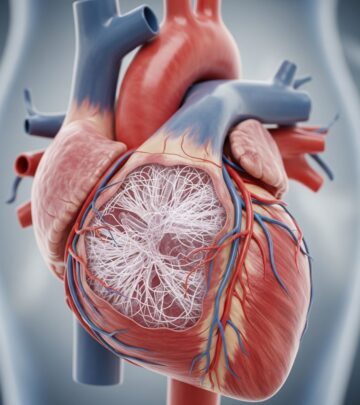
The esophagus serves as the muscular tube transporting food from the mouth to the stomach through peristaltic waves. In megaesophagus, these waves weaken, causing dilation and food pooling. Dogs rely on gravity and muscle coordination for proper swallowing; when disrupted, undigested material returns passively, distinguishing regurgitation from vomiting.
Recognizing the Signs Early
Early detection is crucial. Primary symptoms include:
- Regurgitation: Undigested food or liquid emerging shortly after meals, often tubular and bile-free.
- Weight loss: Due to poor nutrient absorption despite normal appetite.
- Excessive salivation: From discomfort and swallowed air.
- Halitosis and gurgling: Indicating esophageal residue.
- Neck swelling: Visible distension in severe cases.
Secondary issues like coughing, fever, nasal discharge, and rapid breathing signal aspiration pneumonia from inhaled material. Puppies may show failure to thrive, while adults exhibit gradual decline.
Types of Megaesophagus: Congenital vs. Acquired
Megaesophagus manifests in two forms:
- Congenital: Present at birth, often genetic in breeds like German Shepherds, Great Danes, and Irish Setters. Vascular ring anomalies constrict the esophagus, preventing full development.
- Acquired: Develops later, linked to myasthenia gravis (affecting 30% of cases), an autoimmune muscle weakness disorder. Other triggers include infections (botulism, distemper), toxins (lead, organophosphates), endocrine issues (Addison’s), or idiopathic origins.
| Type | Onset | Common Breeds/Causes | Prognosis |
|---|---|---|---|
| Congenital | Birth/early puppyhood | Wirehaired Fox Terriers, Greyhounds, Vascular rings | Manageable with intervention |
| Acquired | Middle age/senior | Myasthenia gravis, Idiopathic | Variable, treatable if cause identified |
This table highlights key differences for quick reference.
Diagnostic Approaches
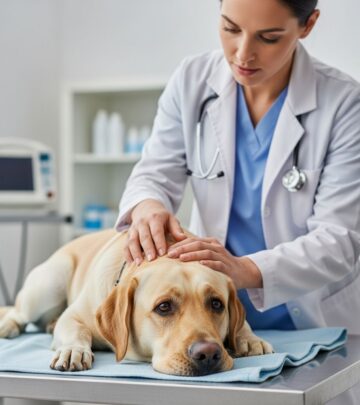
Veterinarians use imaging for confirmation:
- Plain radiographs: Reveal air-fluid levels or dilated esophagus post-meal.
- Fluoroscopy: Dynamic video shows absent peristalsis.
- Endoscopy/Biopsy: Rules out inflammation or masses.
- Blood tests: Screen for myasthenia gravis via acetylcholine receptor antibodies or systemic diseases.
Survey chest X-rays detect pneumonia early. Thorough evaluation identifies reversible causes in up to 30% of cases.
Core Management Strategies
No universal cure exists, but tailored plans focus on preventing regurgitation and pneumonia while ensuring nutrition.
Elevated Feeding Techniques
Gravity-assisted feeding is foundational. Position dogs vertically during and 10-30 minutes post-meal using:
- Chairs like the Bailey Chair for precise upright posture.
- DIY setups with crates or steps.
Feed small, frequent meals (4-6 daily) of tested consistencies: slurry for some, meatballs for others. Trial determines optimal texture.
Pharmacological Support
Medications address symptoms and causes:
- Prokinetics: Like metoclopramide or sildenafil to enhance motility.
- Acid reducers: Omeprazole or sucralfate to protect esophageal lining from irritation.
- Myasthenia treatments: Immunosuppressants if diagnosed.
Botox injections into the lower esophagus sphincter may aid closure in select cases.
Nutritional Interventions
Calorie-dense, easy-to-swallow diets prevent malnutrition. In refractory cases, esophagostomy or gastrostomy tubes bypass the esophagus entirely, well-tolerated long-term.
Preventing and Treating Aspiration Pneumonia
Pneumonia is the top mortality cause. Monitor for lethargy, fever, cough. Treat promptly with antibiotics, fluids, oxygen. Prophylactic measures include upright positioning and respiratory support.
Advanced and Surgical Options
Surgery corrects congenital vascular rings effectively if early. For idiopathic cases, fundoplication or cardiomyotomy rarely fully resolves dilation. Thymectomy aids myasthenia gravis with thymoma.
Daily Living Adjustments for Affected Dogs
Owners adapt routines: post-meal monitoring, clean bedding to avoid residue inhalation, weight tracking. Exercise post-feeding wait times reduce risks. Emotional support via training maintains mental health.
Prognosis and Realistic Expectations
Outcomes vary: congenital cases thrive with management; acquired may resolve if cause-treated (e.g., myasthenia). Idiopathic forms persist, with 50% survival beyond 1 year via diligent care. Euthanasia considerations arise from recurrent pneumonia or poor quality of life.
FAQs
What breeds are prone to megaesophagus?
Common in German Shepherds, Great Danes, Labrador Retrievers, Newfoundlands, and Irish Setters, especially congenitally.
Can megaesophagus be cured?
Not always; depends on cause. Some reverse with treatment, others require lifelong management.
How much does a Bailey Chair cost?
Varies; commercial ones range $200-$500, DIY cheaper. Consult vets for recommendations.
Is aspiration pneumonia fatal?
Potentially, but early intervention improves survival. Prevent via feeding protocols.
What diet works best?
Individualized: semi-solid slurries or canned food balls. Vet nutritionists guide.
Owner Resources and Support
Join communities like Megaesophagus Dogs Facebook group for tips. Consult board-certified veterinary internists for complex cases.
References
- Megaesophagus in Dogs – Causes, Treatment and … – Vetster — Vetster. 2023. https://vetster.com/en/conditions/dog/megaesophagus
- Megaesophagus in Dogs: Signs, Symptoms, and Treatment — AKC. 2023. https://www.akc.org/expert-advice/health/megaesophagus-in-dogs/
- Megaesophagus in Dogs | ASPCA® Pet Health Insurance — ASPCA Pet Insurance. 2023. https://www.aspcapetinsurance.com/resources/megaesophagus-in-dogs/
- Megaesophagus in Dogs: Symptoms, Causes, and Treatment – PetMD — PetMD. 2023. https://www.petmd.com/dog/conditions/digestive/megaesophagus-dogs
- Megaesophagus in Dogs: Symptoms and Treatments – WebMD — WebMD. 2023. https://www.webmd.com/pets/dogs/what-is-megaesophagus-dogs
- Diagnosis and management of megaesophagus in dogs … – DVM360 — DVM360. 2023. https://www.dvm360.com/view/diagnosis-and-management-megaesophagus-dogs-proceedings
- Megaesophagus (Megaesophagus/MO/ME) in Dogs Fact Sheet — Davies Veterinary Specialists. 2023. https://www.vetspecialists.co.uk/fact-sheets-post/megaoesophagus-megaesophagus-mo-me-in-dogs-fact-sheet/
Similar Articles





Read full bio of Sneha Tete