
Megaesophagus in Dogs
Understand this serious esophageal disorder in dogs, its causes, symptoms, diagnosis, and vital management strategies for better outcomes.
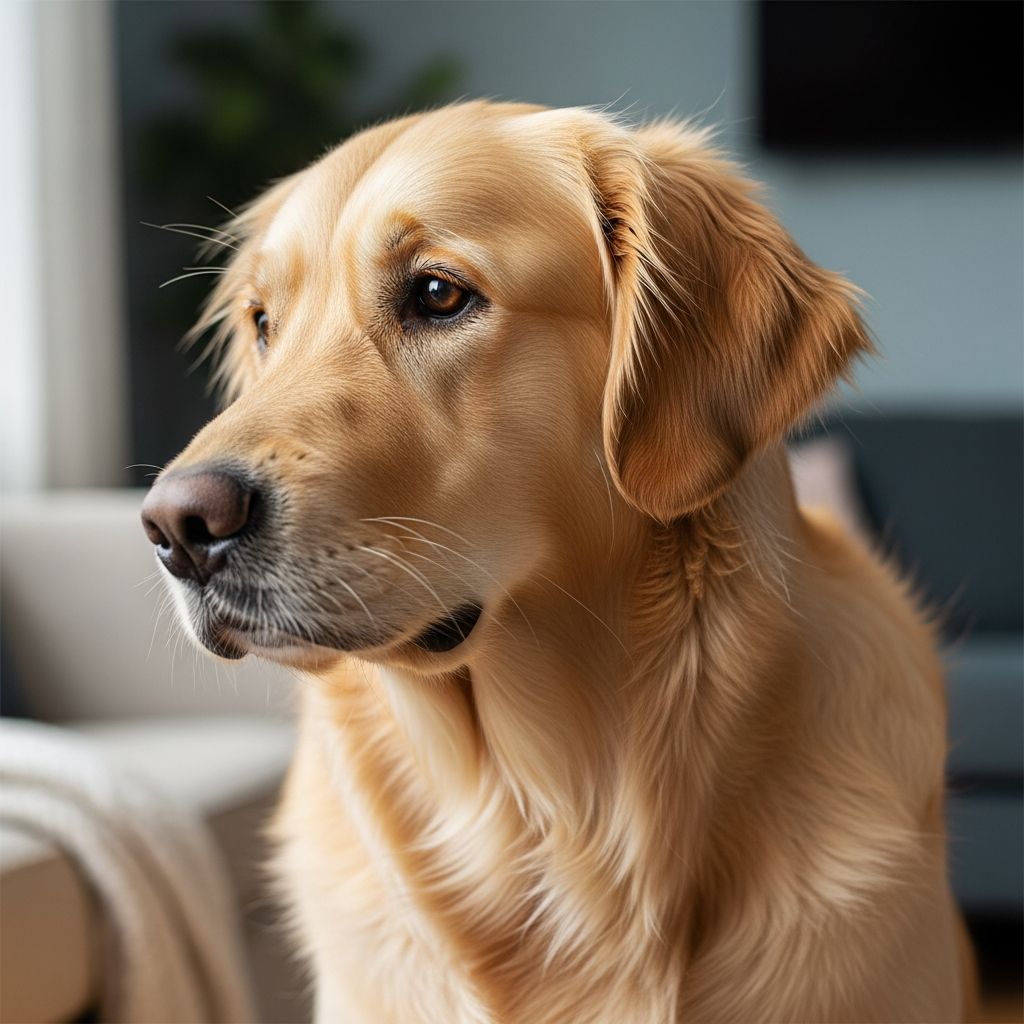
Megaesophagus is a debilitating condition where a dog’s esophagus becomes abnormally enlarged and loses its ability to effectively transport food and liquids to the stomach. This leads to frequent regurgitation and heightened risk of life-threatening complications like aspiration pneumonia.
Understanding the Esophagus and Its Role in Canine Digestion
The esophagus serves as a muscular tube connecting the mouth to the stomach, using peristaltic waves to propel swallowed material downward. In dogs with megaesophagus, this coordinated muscle action fails, causing the esophagus to dilate and pool contents, which then passively flow back up.
This dysfunction disrupts normal nutrition intake, often resulting in weight loss and dehydration if unmanaged. Early recognition is crucial since the condition can manifest in puppies or develop later in life.
Types of Megaesophagus: Congenital vs. Acquired
Megaesophagus presents in two primary forms: congenital, appearing at birth or shortly after, and acquired, developing in adulthood due to secondary factors.
- Congenital Megaesophagus: Present from birth, commonly affecting breeds like German Shepherds, Great Danes, Irish Setters, Newfoundlands, and Greyhounds. Puppies may show signs within weeks of weaning.
- Acquired Megaesophagus: Emerges later, often linked to underlying diseases such as myasthenia gravis (up to 30% of cases), hypoadrenocorticism (Addison’s disease), hypothyroidism, esophageal obstructions, severe esophagitis, toxins, trauma, or inflammation.
Distinguishing between types guides prognosis and treatment approaches, with congenital cases typically idiopathic and permanent, while acquired forms may resolve if the root cause is treated.
Recognizing Key Symptoms Early
The hallmark symptom is regurgitation—undigested food or fluid emerging passively, often shortly after eating, appearing tubular without bile staining, unlike vomit.
Additional signs include:
- Weight loss from poor nutrient absorption
- Excessive salivation or drooling
- Foul breath (halitosis)
- Gurgling or hacking sounds during swallowing
- Visible neck swelling from esophageal distension
- Reluctance to eat despite hunger cues
Aspiration pneumonia, the leading cause of death, manifests as coughing, fever, rapid breathing, nasal discharge, lethargy, and potentially blue gums, demanding immediate veterinary attention.
Diagnostic Approaches for Accurate Identification
Veterinarians diagnose megaesophagus primarily through imaging. Plain radiographs may reveal air-fluid levels or a dilated esophagus, but contrast studies (barium swallow) provide clearer visualization of motility issues.
Further tests target underlying causes:
| Test | Purpose |
|---|---|
| Endoscopy | Examine for strictures, tumors, or inflammation |
| Bloodwork | Detect myasthenia gravis, hormonal imbalances |
| Fluoroscopy | Dynamic assessment of swallowing |
| Acetylcholine receptor antibody test | Confirm myasthenia gravis |
These diagnostics ensure tailored management, as idiopathic cases differ from treatable secondary ones.
Core Management Strategies to Minimize Risks
No universal cure exists, especially for idiopathic megaesophagus, so management emphasizes preventing regurgitation, ensuring nutrition, and averting pneumonia.
Upright Feeding Techniques
Elevating the dog to a 90-degree angle during and 10-30 minutes post-meal leverages gravity. Specialized devices like Bailey Chairs mimic human high chairs, proving highly effective for compliance.
- Feed small, frequent meals (4-6 daily)
- Experiment with consistencies: slurry, meatballs, or soaked kibble
- Avoid exercise immediately after eating
Nutritional and Supportive Care
High-calorie, easily digestible diets prevent malnutrition. In severe cases, esophagostomy or gastrostomy tubes bypass the esophagus entirely, delivering nutrition directly to the stomach.
Monitor weight weekly and adjust calories accordingly. Prokinetics or antacids may soothe esophagitis.
Medical and Surgical Interventions
Treat underlying conditions first: anticholinesterase drugs or immunosuppressants for myasthenia gravis; hormone replacements for endocrine disorders.
Medications include:
- Sildenafil (Viagra) to enhance lower esophageal sphincter tone
- Sucralfate for mucosal protection
- Acid reducers like omeprazole
- Botox injections into the sphincter (under anesthesia)
Surgery options are limited but include cardiomyotomy for sphincter issues or vascular ring correction in congenital anomalies. Outcomes vary, with persistent regurgitation common.
Handling Aspiration Pneumonia Emergencies
Pneumonia from inhaled material requires hospitalization: antibiotics, oxygen, fluids, and nebulization. Prevention involves vigilant monitoring for respiratory signs and prompt intervention.
Chest x-rays confirm pneumonia; cultures guide antibiotic selection. Recurrent episodes worsen prognosis.
Prognosis and Long-Term Outlook
Survival hinges on diligent management. Some dogs thrive for years with supportive care, but complications like malnutrition or pneumonia claim many. Congenital cases carry guarded prognoses; acquired ones improve if causes resolve.
Owners report success with routine adaptations, emphasizing quality of life assessments for euthanasia decisions.
Practical Tips for Daily Care
- Invest in a Bailey Chair or DIY upright stand
- Track feeding responses in a journal
- Maintain hygiene to prevent bacterial overgrowth
- Schedule regular vet check-ups with radiographs
- Join support groups for shared experiences
Frequently Asked Questions (FAQs)
What breeds are prone to megaesophagus?
Common in large breeds like German Shepherds, Great Danes, and Shar-Peis, but any dog can develop it.
Can megaesophagus be cured?
Idiopathic forms lack cures, but secondary cases may resolve with cause treatment; management sustains life.
How do I prevent aspiration pneumonia?
Use upright feeding, small meals, and watch for early respiratory signs.
Is a Bailey Chair worth it?
Yes, it significantly reduces regurgitation risks and improves outcomes.
What is the cost of managing megaesophagus?
Varies; chairs cost $200-500, meds $50-200/month, emergencies higher.
References
- Megaesophagus in Dogs – Causes, Treatment and Management — Vetster. 2023. https://vetster.com/en/conditions/dog/megaesophagus
- Megaesophagus in Dogs: Signs, Symptoms, and Treatment — American Kennel Club (AKC). 2023-06-15. https://www.akc.org/expert-advice/health/megaesophagus-in-dogs/
- Megaesophagus in Dogs — VCA Animal Hospitals. 2024. https://vcahospitals.com/know-your-pet/megaesophagus
- Diagnosis and management of megaesophagus in dogs (Proceedings) — dvm360. 2022-11-01. https://www.dvm360.com/view/diagnosis-and-management-megaesophagus-dogs-proceedings
- Megaesophagus in Dogs: Fact Sheet — Davies Veterinary Specialists. 2023. https://www.vetspecialists.co.uk/fact-sheets-post/megaoesophagus-megaesophagus-mo-me-in-dogs-fact-sheet/
Similar Articles








Read full bio of Sneha Tete




