

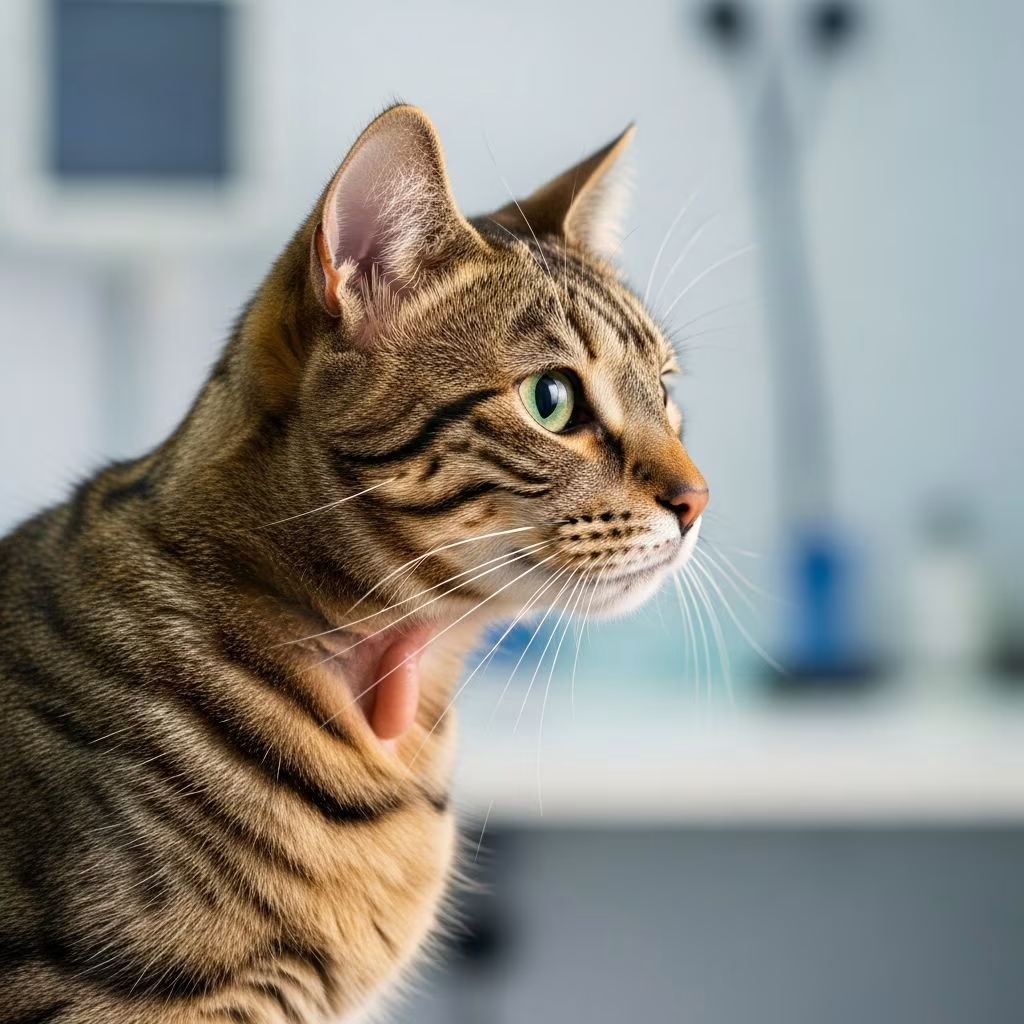
Megaesophagus is a serious condition in cats where the esophagus enlarges and loses its ability to move food effectively into the stomach, often leading to regurgitation and potential complications like aspiration pneumonia. This guide covers everything cat owners need to know about recognizing signs, identifying causes, diagnosing the issue, and implementing management strategies for long-term care.
Understanding the Esophagus and Its Role in Digestion
The esophagus serves as a muscular tube connecting the mouth to the stomach, using wave-like contractions called peristalsis to propel food downward. In cats with megaesophagus, this process fails, causing the esophagus to dilate and food to pool, which distinguishes regurgitation—passive expulsion of undigested food—from vomiting, which involves abdominal effort.
This dysfunction disrupts normal nutrition intake, leading to weight loss despite normal or increased appetite. Early recognition is crucial since cats mask illness well, and delays can result in life-threatening issues.
Recognizing Key Signs of Megaesophagus
The hallmark symptom is **regurgitation**, where food or liquid appears in the mouth suddenly without distress, often in a tubular, undigested form. Other common indicators include:
- Weight loss or failure to gain weight in kittens
- Difficulty swallowing (dysphagia)
- Bad breath (halitosis) from fermenting food
- Coughing, fever, or breathing difficulties signaling aspiration pneumonia
- Muscle weakness or neurological signs if underlying conditions are present
Aspiration pneumonia occurs when regurgitated material enters the lungs, causing inflammation and potentially fatal respiratory distress—a medical emergency requiring immediate veterinary attention.
Types of Megaesophagus: Congenital vs. Acquired
Megaesophagus can be **congenital**, present from birth and rare in cats, or **acquired**, developing later due to various factors.
| Type | Description | Common Breeds Affected | Prognosis |
|---|---|---|---|
| Congenital | Esophagus fails to develop properly; linked to myasthenia gravis or idiopathic causes | Siamese, Abyssinian | Manageable with early intervention, but lifelong |
| Acquired | Secondary to diseases, toxins, or obstructions | All breeds | Depends on treating underlying cause |
Congenital cases may improve with growth, but most require ongoing management.
Common Underlying Causes in Felines
Acquired megaesophagus stems from diverse triggers, including:
- Neurological disorders: Dysautonomia, myasthenia gravis (neuromuscular weakness)
- Autoimmune conditions: Polymyositis (muscle inflammation)
- Infections/Toxins: Botulism, heavy metal poisoning, parasites
- Obstructions: Foreign bodies like bones or strings from hunting
- Neoplasia: Esophageal tumors
- Other: Hypoadrenocorticism or gastric issues in predisposed breeds
Identifying the root cause is essential, as resolving it can sometimes restore esophageal function.
Diagnostic Approaches for Confirmation
Veterinarians start with a thorough history and physical exam, noting regurgitation patterns and weight changes. Key tests include:
- Blood work to detect systemic issues or infections
- X-rays or ultrasounds revealing esophageal dilation and fluid/food retention
- Contrast studies (barium swallow) for motility assessment
- Specific tests for myasthenia gravis or dysautonomia
- Endoscopy for obstructions or tumors
These confirm megaesophagus and rule out mimics like strictures or hiatal hernias. Prompt diagnosis prevents pneumonia escalation.
Treatment Strategies: No Cure, But Manageable
There is no direct cure; focus shifts to addressing causes, minimizing regurgitation, ensuring nutrition, and preventing complications.
Addressing Underlying Conditions
Treatable causes like myasthenia gravis respond to immunosuppressive drugs, while obstructions may need endoscopic removal. Infections require antibiotics, and toxins demand detoxification.
Symptomatic and Supportive Therapies
- Motility drugs: Cisapride or metoclopramide to aid movement, though efficacy varies in cats
- Acid reducers: Protect esophagus from reflux damage
- Antibiotics/Fluids: For aspiration pneumonia
- Feeding tubes: Gastrostomy for nutrition during recovery
Surgery is rare, risky, and limited to specific congenital defects.
Nutrition and Feeding Management at Home
Dietary adjustments are cornerstone of care:
- Elevated bowls: Position food/water high to use gravity
- Texture modifications: Blended, liquid diets or meatballs to ease passage
- Frequent small meals: Prevent overfilling
- Upright positioning: Bailey chairs (if tolerated) or holding upright post-feeding
Monitor weight weekly and adjust calories to combat malnutrition.
Preventing and Managing Complications
Aspiration pneumonia is the biggest threat; watch for cough, lethargy, or dyspnea. Home prevention includes:
- Post-meal upright time (10-30 minutes)
- Clean bowls to avoid bacterial growth
- Regular vet check-ups for early detection
Hospitalization with oxygen, fluids, and antibiotics treats flare-ups.
Prognosis and Long-Term Outlook
Outcomes vary: resolving underlying causes improves chances, but idiopathic or severe cases often lead to euthanasia due to recurrent pneumonia. With diligent management, many cats maintain quality life. Breeds like Siamese may face gastric co-issues, complicating care.
FAQs on Megaesophagus in Cats
What is the difference between regurgitation and vomiting in cats?
Regurgitation is passive, undigested food expulsion without effort; vomiting is active with nausea.
Can megaesophagus be prevented?
Not always, but avoid toxins, monitor hunting items, and supervise environments.
How do I feed a cat with megaesophagus safely?
Use elevated bowls, small frequent liquid meals, and upright positioning.
Is aspiration pneumonia always fatal?
No, but it’s an emergency; early antibiotics save lives.
What breeds are prone to congenital megaesophagus?
Siamese and Abyssinian cats.
Daily Care Tips for Affected Cats
- Elevate feeding station to chest height.
- Feed 4-6 small meals daily.
- Hold cat upright 20-30 minutes after eating.
- Monitor for respiratory signs daily.
- Track weight and appetite weekly.
Consult vets for tailored plans, as individual needs vary.
References
- Megaesophagus in Cats – Causes, Treatment and … – Vetster — Vetster. 2023. https://vetster.com/en/conditions/cat/megaesophagus
- Megaesophagus in Cats | PetPlace.com — PetPlace. 2023. https://www.petplace.com/article/cats/pet-health/megaesophagus-in-cats
- Megaesophagus in Cats – PetMD — PetMD. 2024. https://www.petmd.com/cat/conditions/digestive/megaesophagus-cats
- Megaesophagus | VCA Animal Hospitals — VCA Hospitals. 2023. https://vcahospitals.com/know-your-pet/megaesophagus
- Megaesophagus in Dogs and Cats – VetSpecialists.com — VetSpecialists. 2020-04-08. https://www.vetspecialists.com/vet-blog-landing/animal-health-articles/2020/04/08/megaesophagus
- Enlargement of Esophagus in Cats – Symptoms, Causes, Diagnosis … — WagWalking. 2023. https://wagwalking.com/cat/condition/enlargement-esophagus



