

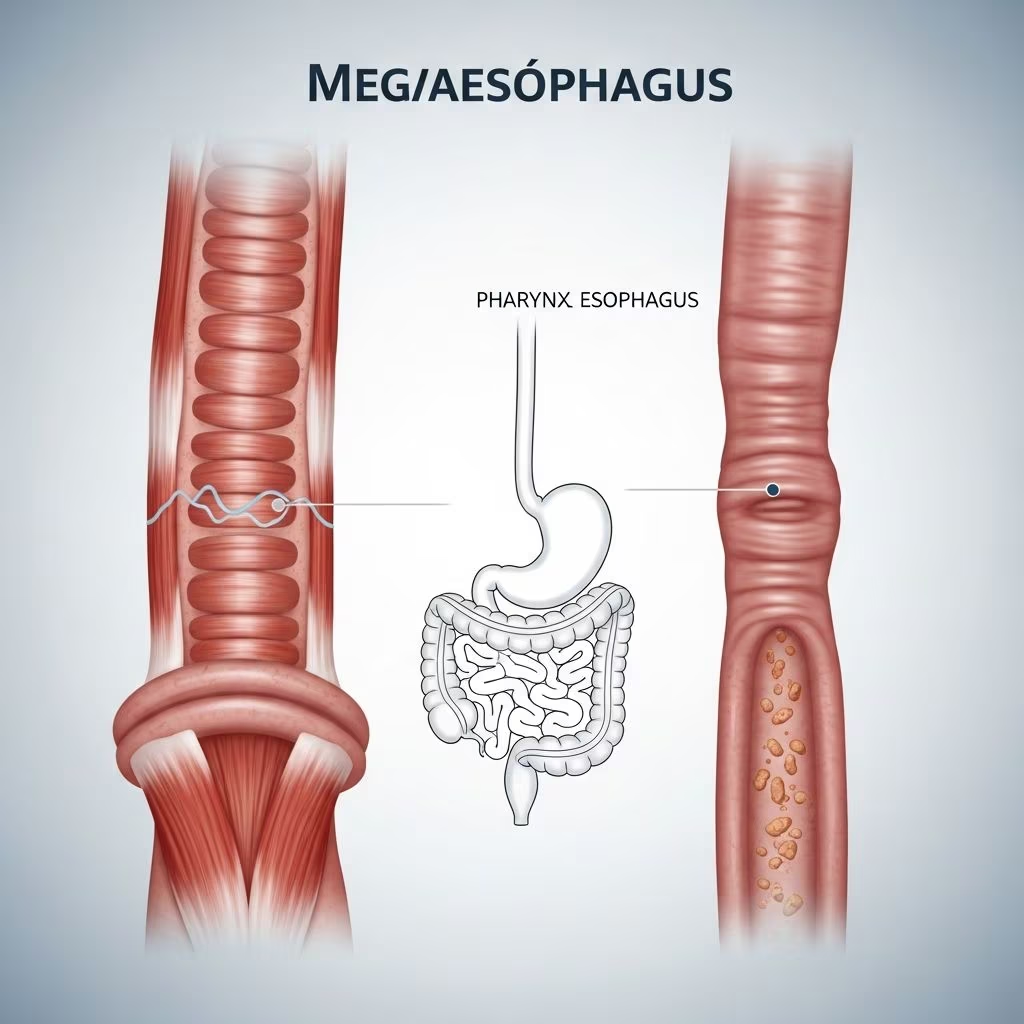
Understanding Megaesophagus in Dogs
Megaesophagus is a condition in which the esophagus becomes abnormally enlarged and loses its ability to move food and water effectively to the stomach. The esophagus is the muscular tube that connects the mouth to the stomach, and in dogs with this condition, the muscles lose their normal contracting ability, making it difficult for food and liquids to travel downward properly. This results in food becoming trapped in the enlarged esophagus rather than progressing into the stomach for digestion.
The condition can be particularly challenging because dogs with megaesophagus often have voracious appetites despite their inability to properly digest food. This means they feel hungry and want to eat, but their bodies cannot effectively process the food they consume, leading to malnutrition and weight loss.
Causes of Megaesophagus
Megaesophagus can develop in two ways: as a congenital condition present from birth or as an acquired condition that develops later in life.
Congenital Megaesophagus
Congenital megaesophagus is present at birth and is often genetic. Certain dog breeds, particularly large-breed dogs, show higher predisposition to this inherited form of the condition. Puppies with congenital megaesophagus typically show symptoms early in life when they begin eating solid food.
Acquired Megaesophagus
Acquired megaesophagus develops later in a dog’s life and can result from various underlying causes. These causes may include myasthenia gravis, persistent right aortic arch, esophageal obstruction, esophageal stricture, or idiopathic causes where the underlying reason remains unknown. Identifying the underlying cause is important because treating the primary condition may help resolve the megaesophagus.
Recognizing the Symptoms
Understanding the signs of megaesophagus is crucial for early detection and intervention. Pet owners should be vigilant for the following symptoms:
Regurgitation
The most common and distinctive sign of megaesophagus is regurgitation. Unlike vomiting, which is an active process involving stomach muscle contractions, regurgitation is a passive process where food and liquid simply flow back out of the esophagus without effort. This typically occurs shortly after eating and may happen multiple times throughout the day. Regurgitated material often has a tube-like or cylindrical shape because it comes directly from the enlarged esophagus.
Difficulty Swallowing
Dogs with megaesophagus may have trouble swallowing, particularly those with concurrent esophageal stricture, irritated esophagus, or esophageal obstruction. You may notice your dog gulping excessively, throwing their head around, or holding their head and neck in abnormal positions while attempting to swallow. These behaviors indicate discomfort or difficulty with the normal swallowing process.
Weight Loss and Poor Condition
Despite having healthy appetites, dogs with megaesophagus typically develop poor, thin, weak body conditions due to their inability to get adequate nutrients into the stomach for proper digestion and absorption. Weight loss can be gradual or rapid depending on the severity of the condition.
Increased Drooling
While not always present, some dogs with megaesophagus may experience excessive salivation, causing them to drool more than normal. This occurs because the esophagus cannot effectively clear saliva and other fluids.
Visible Neck Swelling
Occasionally, pet parents and veterinarians may notice a small bulge in the neck area when the esophagus is distended with food or fluid. This physical sign can be particularly noticeable in smaller dogs or in dogs with minimal neck hair.
Serious Complications
The most significant complication of megaesophagus is aspiration pneumonia, which occurs when food, water, or saliva enters the lungs instead of the stomach. This potentially life-threatening condition affects approximately 40% of dogs at the time of megaesophagus diagnosis.
Understanding Aspiration Pneumonia
During regurgitation, esophageal contents may be expelled through the nose and can be accidentally absorbed into the lungs. This leads to aspiration pneumonia, which causes inflammation and infection in the lungs. Dogs experiencing aspiration pneumonia may present with fever, difficulty breathing, rapid heart rate, lethargy, coughing, and nasal discharge. In severe cases, bluish gums may indicate inadequate oxygen levels. This condition requires immediate veterinary attention and can be fatal if left untreated.
Diagnosis and Evaluation
Diagnosing megaesophagus involves a combination of clinical signs, physical examination, and diagnostic imaging. Your veterinarian will likely recommend X-rays or other imaging studies to visualize the enlarged esophagus and confirm the diagnosis. In some cases, fluoroscopic evaluation may be performed to observe the esophageal function during the swallowing process. Blood tests and other diagnostic procedures may be necessary to identify any underlying conditions contributing to the megaesophagus.
Treatment and Management Strategies
While megaesophagus cannot be cured, it can be successfully managed through a combination of dietary adjustments, feeding techniques, and medical interventions. The good news is that many dogs with this condition can lead happy and relatively normal lives with proper care and close monitoring.
Dietary Management
Managing megaesophagus begins with appropriate dietary adjustments. Dogs with this condition require a high-calorie diet because they cannot eat large quantities of food. Pet owners must determine whether their dog performs better on a liquid or solid diet, as different food consistencies benefit different dogs. While a hydrated or liquid diet is often recommended to facilitate swallowing, some dogs may benefit from moistened kibble or soft foods. Consulting with a veterinarian about appropriate food options is essential.
Elevated Feeding Positions
One of the most effective management strategies is raising food and water bowls to allow gravity to assist the eating process. Food bowls should be positioned at approximately head height, which helps facilitate food movement down the esophagus and prevents regurgitation. Adjustable-height feeding stations allow pet owners to customize the feeding height to match their individual dog’s needs. This simple modification can significantly reduce the frequency of regurgitation episodes.
Feeding Frequency and Portion Size
Rather than feeding one or two large meals, dogs with megaesophagus typically benefit from multiple small, frequent meals throughout the day. Smaller portions are easier for the compromised esophagus to handle and reduce the likelihood of regurgitation.
Sleep Position and Resting
Encouraging dogs to sleep with their front end slightly elevated using orthopedic dog beds can help prevent regurgitation during rest periods. Gravity continues to assist food movement into the stomach even while the dog is resting or sleeping.
Medical Treatments
Several medications can help manage megaesophagus symptoms and improve quality of life:
Sildenafil (Viagra)
Sildenafil is a promising treatment option for megaesophagus in dogs. Research published in the American Journal of Veterinary Research demonstrates that compounded liquid sildenafil reduces the number of regurgitation episodes compared to placebo and is associated with weight gain in affected dogs, likely because they retain more nutrients when regurgitation decreases.
Sucralfate
Sucralfate is prescribed to treat irritation of the esophagus and protect the esophageal lining from additional damage.
Anti-nausea Medications and Antacids
These medications can help make affected dogs more comfortable by reducing nausea and stomach acid irritation.
Antibiotics
Antibiotics are prescribed to treat aspiration pneumonia should it develop, and veterinarians may also recommend prompt treatment of any respiratory infections.
Botox Treatment
In some cases, veterinarians may recommend Botox injections into the lower esophagus to help relax the esophageal muscles. This procedure is performed under general anesthesia.
Feeding Tube Placement
In severe cases where dogs cannot eat on their own or continue to lose weight despite management efforts, a feeding tube may be necessary. This allows direct delivery of nutrition to the stomach, bypassing the dysfunctional esophagus entirely.
Monitoring and Preventive Care
Successful management of megaesophagus requires dedicated monitoring and regular veterinary check-ups. Veterinarians will frequently examine these dogs to monitor weight and body condition, evaluate bloodwork parameters, and screen for signs of aspiration pneumonia. Early detection of complications allows for prompt intervention before they become life-threatening.
Prognosis and Long-Term Outlook
The prognosis for dogs with megaesophagus depends on several factors, including the age at diagnosis, whether an underlying cause has been identified and treated, and whether the dog has experienced aspiration pneumonia. Dogs typically have better outcomes when megaesophagus is diagnosed early. Prognosis also improves significantly in dogs that have not experienced aspiration pneumonia complications.
With dedication, patience, and close monitoring with a veterinarian, dogs with megaesophagus can lead happy lives. Pet parent commitment to proper feeding techniques, medication administration, and regular veterinary care is key to successful long-term management.
Frequently Asked Questions
Q: Is megaesophagus curable in dogs?
A: No, megaesophagus cannot be cured, but it can be effectively managed through dietary modifications, elevated feeding, medications, and close veterinary monitoring to provide dogs with good quality of life.
Q: What is the most common sign of megaesophagus?
A: The most common sign is regurgitation, a passive process where food flows back out of the esophagus without effort, typically occurring shortly after eating.
Q: How can I reduce regurgitation in my dog with megaesophagus?
A: Elevated food bowls at head height, frequent small meals, upright feeding positions, and keeping the front end elevated while sleeping all help reduce regurgitation episodes.
Q: What should I do if my dog shows signs of aspiration pneumonia?
A: Contact your veterinarian immediately. Signs include coughing, fever, difficulty breathing, lethargy, and nasal discharge. Aspiration pneumonia requires prompt veterinary treatment.
Q: Can dogs with megaesophagus live normal lives?
A: Yes, with proper management including dietary adjustments, elevated feeding, medications, and regular veterinary care, dogs with megaesophagus can live happy and relatively normal lives.
Q: What diet is best for dogs with megaesophagus?
A: Dogs with megaesophagus require high-calorie diets in appropriate consistencies—either liquid, moistened, or soft foods. Work with your veterinarian to determine what works best for your individual dog.
References
- Megaesophagus in Dogs: Signs, Causes, and How to Manage — PetMD, Dr. Lauren Jones. 2024. https://www.petmd.com/dog/conditions/digestive/megaesophagus-dogs
- Megaesophagus in Dogs: Causes, Symptoms, Treatment — Toe Grips, Dr. Buzby. 2024. https://toegrips.com/megaesophagus-in-dogs/
- Megaesophagus in Dogs | ASPCA Pet Health Insurance — ASPCA Pet Insurance. 2024. https://www.aspcapetinsurance.com/resources/megaesophagus-in-dogs/
- Megaesophagus in Dogs: Urgent Signs, Emergency Care, and Management — Georgia Surgical Veterinary Specialists. 2024. https://gsvs.org/blog/megaesophagus-dogs-urgent-care/
- Megaesophagus | VCA Animal Hospitals — VCA Animal Hospitals. 2024. https://vcahospitals.com/know-your-pet/megaesophagus
- Can Megaesophagus in Dogs Be Cured? — Volhard Dog Nutrition. 2024. https://www.volharddognutrition.com/blog/can-megaesophagus-in-dogs-be-cured/
- Megaoesophagus/Megaesophagus in Dogs Fact Sheet — Veterinary Internal Medicine Team, Vet Specialists. 2024. https://www.vetspecialists.co.uk/fact-sheets-post/megaoesophagus-megaesophagus-mo-me-in-dogs-fact-sheet/



