

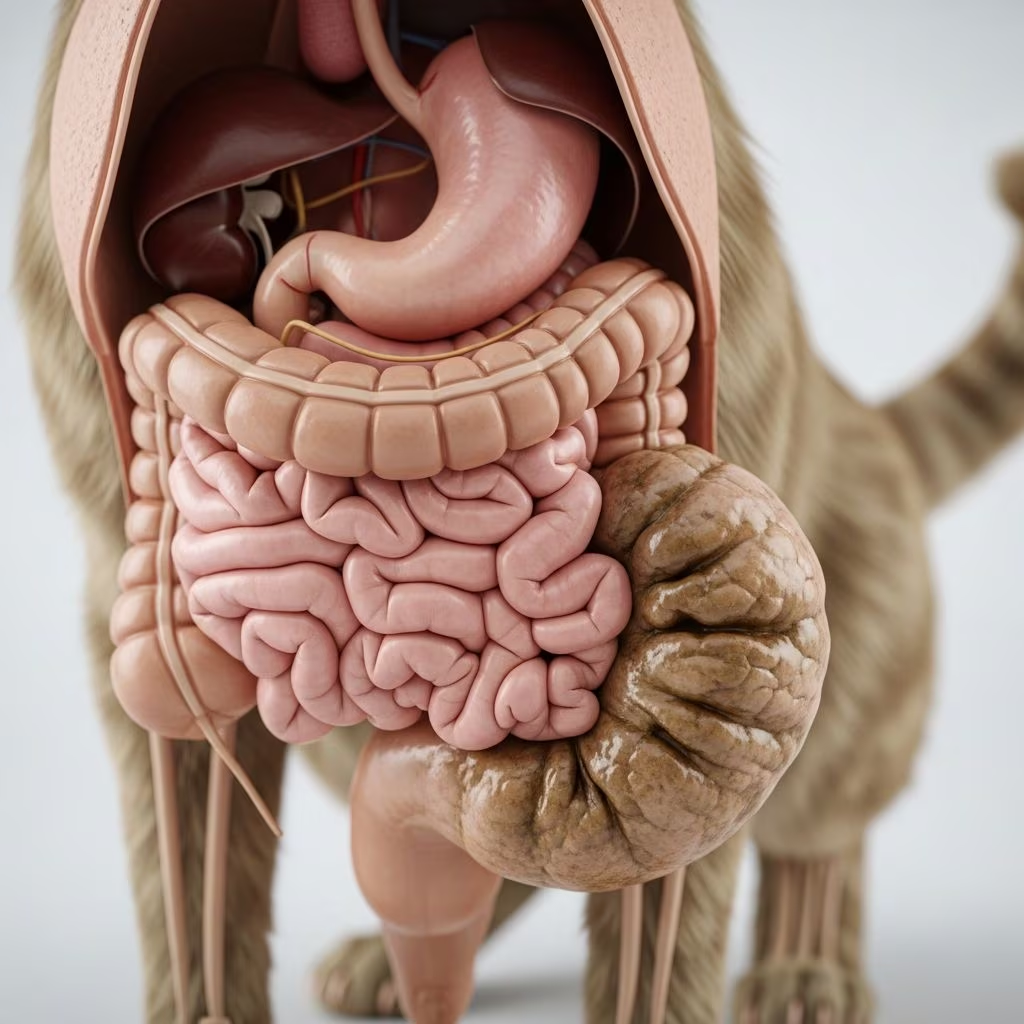
Megacolon in cats is a severe condition characterized by an enlarged colon that fails to function properly, leading to chronic constipation or obstipation. This dilation often results from prolonged untreated constipation, causing the colon to lose its ability to contract and move stool effectively.
What Is Megacolon in Cats?
Megacolon refers to the abnormal dilation and enlargement of the colon, the final section of a cat’s large intestine responsible for storing and expelling feces. In affected cats, the colon becomes stretched and hypomotile, accumulating hard fecal matter that cannot be passed naturally. This condition progresses from recurrent constipation to obstipation, a complete blockage, and is more common in cats than dogs due to their predisposition to idiopathic colonic dysfunction. The colon’s muscles weaken over time, creating a vicious cycle of fecal buildup and further dilation. Early intervention is crucial to prevent irreversible damage, as cases lasting over six months often show permanent colonic changes.
Idiopathic megacolon, where no specific cause is identified, accounts for over half of cases, particularly in middle-aged male domestic shorthairs and Siamese cats. The pathology involves progressive loss of motility, leading to fecal storage and dilation.
Symptoms of Megacolon in Cats
Cats with megacolon exhibit clear clinical signs, starting with severe constipation and progressing to systemic illness if untreated. Key symptoms include:
- Severe, painful straining to defecate (tenesmus), often without producing stool
- Fewer or absent bowel movements, transitioning to obstipation
- Unusually hard, dry feces when passed, sometimes with liquid diarrhea leaking around impactions
- Abdominal pain and distension, with a palpable firm mass in the abdomen
- Lethargy, weight loss, and anorexia (lack of appetite)
- Vomiting, associated with straining
- Dehydration signs like sunken eyes, dry gums, and skin tenting
As the condition advances, cats become depressed, dehydrated, and weak, hiding more than usual. Young kittens face higher risks, with devastating outcomes if not addressed promptly.
Causes of Megacolon in Cats
The primary cause of megacolon is unrelieved or recurrent constipation leading to colonic stretching and loss of function. Contributing factors fall into structural, functional, and idiopathic categories:
- Structural issues: Pelvic fractures from trauma (e.g., car accidents) causing narrowing, tumors, or congenital abnormalities
- Functional problems: Nerve dysfunction in the colon preventing proper muscle contraction, pelvic paralysis, or electrolyte imbalances like hypokalemia/hypercalcemia
- Idiopathic megacolon: Unknown origin, possibly congenital nervous system defects, most common in middle-aged males
- Other triggers: Dehydration, low-fiber diets, hypothyroidism in kittens, or hypertrophic changes from trauma
Prolonged obstipation irreversible damages the colon, with histologic evaluations often showing no abnormalities despite dysfunction.
Diagnosis of Megacolon in Cats
Diagnosis begins with clinical signs and physical exam, where veterinarians palpate an enlarged colon filled with hard feces and perform rectal exams revealing impactions. Supporting tests include:
- Abdominal radiographs (X-rays) to confirm colonic dilation and fecal loading
- Blood work (CBC, biochemistry) to check for dehydration, electrolytes (e.g., potassium, calcium), and thyroid levels (T4)
- Neurological assessment for anal tone and pelvic function
These confirm megacolon and rule out underlying issues like hypercalcemia or tumors.
Treatment for Megacolon in Cats
Treatment starts medically but may require surgery for refractory cases. Initial hospitalization addresses dehydration and impactions.
Medical Management
Medical therapy is palliative, focusing on hydration, evacuation, and prevention:
- IV or SC fluids to rehydrate and soften stool
- Enemas (warm water, lubricated) and manual deobstipation under anesthesia
- Laxatives/stool softeners like lactulose (0.5 mL/kg PO)
- Prokinetics such as cisapride (0.5–1 mg/kg PO q8-12h) to stimulate motility
- High-fiber or prescription diets to bulk stool and promote regularity
Cats may need feeding tubes for medications. Long-term, adjust laxatives for bowel movements every 1-2 days, reducing if diarrhea occurs.
Surgical Treatment
If medical management fails after months or severe dilation persists (>6 months), subtotal colectomy (removing most of the colon) is recommended. This resolves obstipation in most cases, though post-op loose stools last 2-3 months. Prognosis improves without complications.
Recovery and Management of Megacolon in Cats
Recovery varies: medical cases have recurrence risk, requiring vigilant monitoring of stool output. Long-term strategies include:
| Management Strategy | Details | Benefits |
|---|---|---|
| High-moisture diet (canned food >70% water) | Switch from dry kibble; add broth or fountains | Prevents dehydration, softens stool |
| Probiotics | Improve gut microbiota | Enhances motility |
| Prokinetics/laxatives | Cisapride, lactulose ongoing | Maintains regularity |
| High-fiber prescription diet | Minimize fecal volume | Promotes passage |
| Monitor bowel movements | Daily checks; vet adjustments | Prevents recurrence |
Post-surgery, cats adapt well with frequent loose stools initially. Kittens have poorer prognoses.
Prognosis for Cats with Megacolon
Prognosis depends on severity and response. Early medical treatment offers good outcomes if function returns, but recurrence is common. Surgical cases succeed long-term if no complications, though young cats fare worse. Chronic management is often lifelong.
Prevention of Megacolon in Cats
Prevent by addressing constipation early: provide ample water, high-fiber/moist diets, regular exercise, and prompt vet care for straining. Avoid dry food dominance and monitor at-risk breeds.
Frequently Asked Questions (FAQs)
What causes megacolon in cats?
Most cases stem from idiopathic factors or chronic constipation due to pelvic trauma, nerve dysfunction, or dehydration.
Can megacolon in cats be cured?
Medical management controls it but rarely cures; surgery like colectomy offers resolution for severe cases.
How is megacolon diagnosed in cats?
Via physical exam, X-rays showing dilation, and blood tests for underlying issues.
What is the treatment for megacolon in cats?
Initial fluids, enemas, laxatives; surgery if refractory.
What is the prognosis for cats with megacolon?
Good with early intervention; surgery improves severe cases, but monitoring is key.
Can megacolon be prevented?
Yes, through hydration, diet, and early constipation treatment.
References
- Megacolon in Cats — VCA Animal Hospitals. 2023. https://vcahospitals.com/know-your-pet/megacolon-in-cats
- Megacolon in Cats: Symptoms, Causes, Treatment, and FAQs — PetMD. 2024. https://www.petmd.com/cat/conditions/digestive/c_ct_megacolon
- Megacolon — Merck Veterinary Manual. 2023. https://www.merckvetmanual.com/digestive-system/surgical-problems-of-the-gastrointestinal-tract-in-small-animals/megacolon-in-cats
- Tackling Tummy Troubles: Helping Your Cat Overcome Megacolon — Texas A&M University College of Veterinary Medicine. 2023. https://vetmed.tamu.edu/news/pet-talk/help-your-cat-overcome-megacolon/
- Understanding Megacolon in Cats — Tri-County Animal Hospital. 2023. https://tricountyah.com/pet-health/megacolon/



