

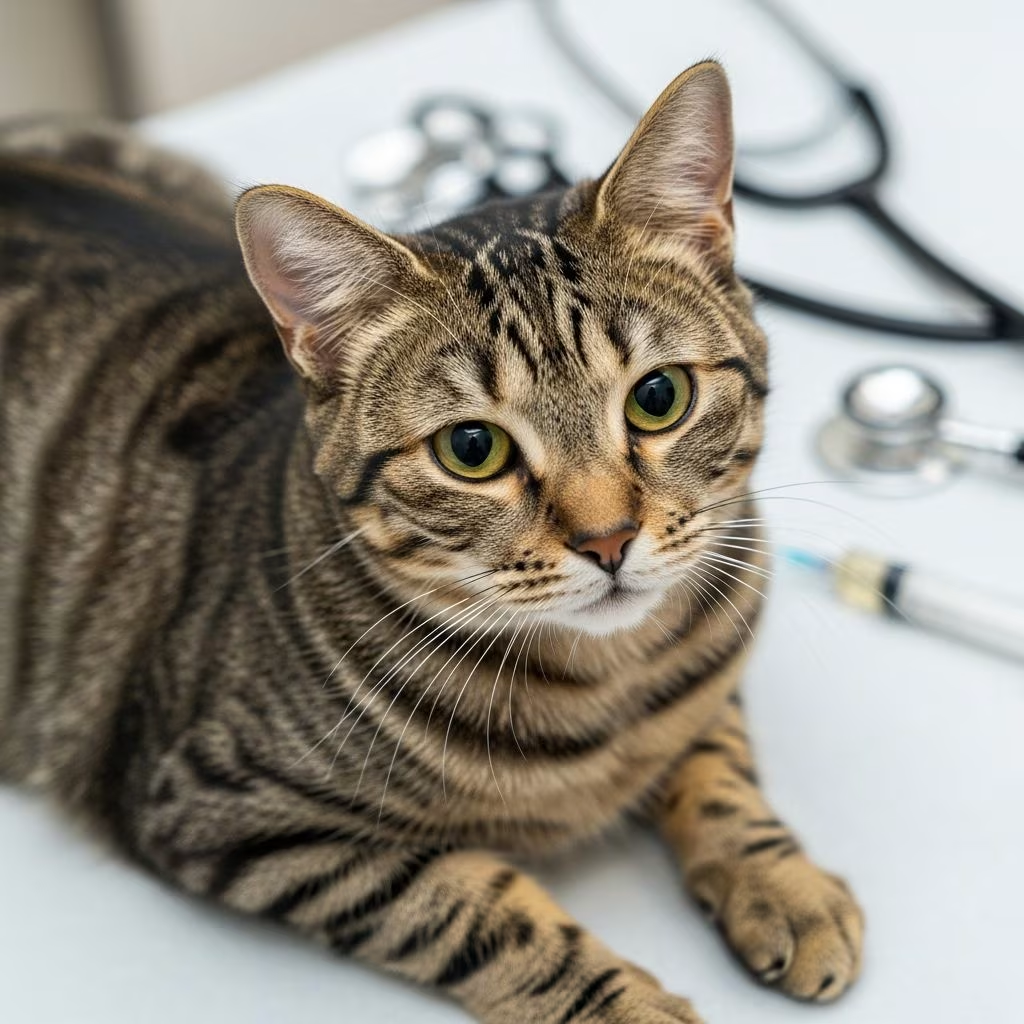
Understanding Megacolon in Cats
Megacolon is a serious gastrointestinal condition that affects cats of various ages and backgrounds. This condition involves a permanent enlargement of the colon that severely compromises its ability to function properly. When a cat’s colon becomes enlarged and loses its contractile strength, it can no longer effectively move stool through the digestive tract, leading to severe constipation and a host of related health problems. Understanding this condition is essential for cat owners, as early recognition and intervention can significantly improve outcomes and quality of life for affected felines.
The condition typically develops gradually over time, often following prolonged periods of untreated constipation. As the colon stretches repeatedly to accommodate accumulated fecal material, the muscular walls of the colon can become permanently damaged and lose their elasticity and contractile ability. This creates a vicious cycle where the cat becomes increasingly unable to defecate normally, leading to further complications if not properly managed.
What Causes Megacolon in Cats?
Megacolon develops after prolonged, untreated constipation that causes the colon to become permanently enlarged and lose its ability to contract and move stool effectively. The causes of constipation in cats generally fall into two main categories: structural and functional issues.
Structural Causes
Structural problems arise when something physically blocks the cat’s ability to defecate. These include:
- Pelvic injuries or fractures that cause abnormal narrowing of the pelvis (either congenital or resulting from trauma, such as a car accident)
- Tumors or large growths blocking the intestinal tract
- Severe anal region paralysis
Functional Causes
Functional issues occur when the colon’s neuromuscular function is compromised:
- Loss of proper nerve function within the colon, preventing muscles from functioning properly
- Chronic intestinal diseases affecting colon motility
- Constant dehydration from underlying conditions like kidney disease
- Idiopathic megacolon (enlarged colon of unknown cause)
It’s important to note that while dogs can develop constipation and megacolon, this condition is significantly more common in cats. In many cases, cats develop what veterinarians call idiopathic megacolon, meaning the exact cause remains unknown despite thorough examination and testing.
Recognizing the Symptoms
The clinical signs of megacolon in cats can vary depending on the severity of the condition. Early detection of these symptoms is crucial for successful treatment. Pet owners should watch for the following indicators:
- Absence of bowel movements or severe, painful constipation
- Straining to defecate (tenesmus)
- Fewer bowel movements than normal
- Unusually hard feces
- Weight loss despite normal eating patterns
- Lethargy and decreased energy levels
- Vomiting or regurgitation
- Anorexia (loss of appetite)
- Watery diarrhea when liquid stool is forced around a stuck fecal ball
- Abdominal discomfort or pain
- Dehydration (sunken eyes, dry gums, skin that remains tented when gently pulled)
- Depression or withdrawn behavior
As megacolon progresses, your cat may develop additional complications, including severe dehydration and a firm, palpable mass in their abdomen that can be detected during physical examination. A cat that is normally active but becomes withdrawn and lethargic requires immediate veterinary attention.
Diagnosis of Megacolon
Megacolon is often diagnosed through a combination of clinical signs and diagnostic procedures. The diagnostic process typically involves several steps to confirm the condition and determine its underlying cause.
Physical Examination
During the initial examination, the veterinarian will perform a thorough physical assessment, including:
- Observation of clinical symptoms and patient history
- Assessment of neurological function and hydration levels
- Palpation (feeling) of the abdomen to detect an enlarged colon filled with hard fecal material
- Rectal examination to assess impacted feces and colonic function
- Evaluation for signs of dehydration and depression
Additional Diagnostic Tests
To pinpoint underlying causes and assess the severity of the condition, veterinarians may recommend:
- Blood work: To evaluate overall health, kidney function, and identify any systemic conditions contributing to constipation
- X-rays: To visualize the colon’s size, shape, and the amount of fecal material present, confirming the diagnosis of megacolon
- Additional imaging: In some cases, ultrasound or other imaging techniques may be used to assess tissue damage
The diagnostic approach is tailored to each individual cat’s presentation, as the underlying cause can significantly influence treatment decisions and prognosis.
Treatment Options for Megacolon
Treatment for megacolon depends on how advanced the condition is and whether it is a first occurrence or a recurrent problem. The approach ranges from conservative medical management to more intensive interventions, including surgery.
Medical Management Approach
Usually, a medical approach is tried first for cats with megacolon. This comprehensive approach involves multiple therapeutic strategies designed to address the immediate problem while managing the underlying condition:
- Intravenous (IV) fluids: To restore normal hydration levels, which is often the first critical step in treatment
- Enemas: Warm water enemas or enemas with water-soluble jelly to help soften and mobilize impacted fecal material
- Laxatives: Medications such as lactulose to soften stool and promote bowel movements
- Stool softeners: Additional medications to make feces easier to pass
- Colon wall stimulants: Medications like cisapride (a prokinetic agent) to stimulate any remaining colonic motility and encourage natural contractions
- High-fiber diets: Dietary modifications to support healthy bowel function
- Manual fecal extraction: In severe cases, general anesthesia or heavy sedation may be used to manually remove feces after they have been partially softened by the above treatments
Often, cats need to be hospitalized for several days during the initial treatment phase. In some cases, a feeding tube may be required to administer high doses of stool softeners. These medical treatments do not correct the underlying cause of megacolon, but they allow fecal material to pass so the cat does not become further constipated and ill.
Long-term Medical Management
The medical approach may be successful for several months or years. To maintain improvement and prevent recurrence, long-term management typically includes:
- A prescription high-fiber diet continued indefinitely
- Ongoing stool softeners and laxatives at doses adjusted based on response
- Regular monitoring to ensure bowel movements occur at least once every other day
- Increased water consumption through canned food (containing more than 70% water), water fountains, or broth in the cat’s water bowl
- Medications that speed up intestinal movement to maintain colon motility
- Probiotics to help improve gut microbiota
- Increased activity and exercise to support digestive health
It is crucial to work closely with your veterinarian to adjust dosages of laxatives to find the optimal balance. If diarrhea occurs, reduce the dosage or frequency of administration. Conversely, if constipation recurs, adjustments may be needed to increase medication effectiveness.
Surgical Intervention
If medical management fails or if the condition becomes severe and recurrent, surgery must be considered. The presence of clinical signs of megacolon for longer than 6 months has been associated with irreversible colonic changes, making surgical intervention increasingly necessary. In cases of idiopathic megacolon or with severe colonic injury, medical treatment often becomes lifelong and can be frustrating, sometimes necessitating surgical correction.
The most effective surgical option is a subtotal colectomy, in which most of the affected colon is removed. This surgery usually cures all of your cat’s symptoms related to the megacolon. Following a subtotal colectomy, cats typically experience increased bowel movements and loose stools for two to three months during the recovery period. If no complications occur after surgery, most cats do quite well with significantly improved quality of life.
Recovery and Long-term Prognosis
Recovery for cats with megacolon that are treated medically is variable and best evaluated on a case-by-case basis. If muscle function returns and constipation resolves with therapy, the prognosis is fairly bright; however, recurrence is common in many cats. For these patients, pet parents must be diligent in monitoring stool output to prevent severe recurrence.
When the condition has progressed to the point of requiring surgery, the prognosis doesn’t necessarily worsen, but the road to recovery can be longer. Cats that are otherwise healthy and have some retained functional colon may benefit most from targeted or prescription diets and medications. Unfortunately, megacolon seems to be a particularly devastating condition for some young kittens who develop the condition.
Treatment of megacolon depends on the extent and severity of the condition. The longer it continues without intervention, the more aggressive the treatment must be. For many affected cats, chronic treatment may be required indefinitely to maintain quality of life and prevent complications.
Frequently Asked Questions About Megacolon in Cats
Q: Can megacolon in cats be cured?
A: Treatment of megacolon in cats depends upon the extent and severity of the condition. If caught early and the underlying cause is identified and treated, some cats may recover completely. However, chronic treatment may be required in most cases. Surgical removal of the affected colon (subtotal colectomy) often provides a permanent cure when medical management fails.
Q: What is the difference between constipation and megacolon?
A: Constipation is difficulty passing stool and can be acute or chronic. Megacolon develops when untreated constipation causes permanent enlargement and dysfunction of the colon. Megacolon represents the advanced stage of chronic constipation where the colon’s muscular function has been permanently compromised.
Q: How often should my cat have bowel movements?
A: Most healthy cats have at least one bowel movement daily. Cats being treated for megacolon should have a bowel movement at least once every other day when properly managed with medications and diet.
Q: Is surgery always necessary for megacolon?
A: No, surgery is not always necessary. Medical management is typically tried first and can be successful for extended periods. However, if medical therapy is no longer effective or if the condition becomes severe and recurrent, surgical intervention becomes necessary.
Q: Can I treat my cat’s megacolon at home?
A: While initial treatment requires veterinary care and often hospitalization, long-term management does involve home care including administering prescribed medications, maintaining a prescription diet, encouraging water consumption, and monitoring bowel movements. However, this should only be done under veterinary supervision and guidance.
Q: What should I feed a cat with megacolon?
A: Prescription high-fiber diets are typically recommended for cats with megacolon. Additionally, switching to a predominantly canned diet (which contains more than 70% water) can help increase water intake and support bowel regularity. Always consult your veterinarian before making dietary changes.
Prevention and Management Tips
While not all cases of megacolon can be prevented, several steps can help reduce the risk or manage the condition effectively:
- Ensure your cat maintains adequate hydration by providing fresh water daily and considering a water fountain
- Feed a high-quality diet appropriate for your cat’s age and health status
- Maintain regular veterinary check-ups to catch constipation issues early
- Encourage physical activity and exercise to support digestive health
- Avoid dehydrating conditions and manage underlying health problems like kidney disease
- Monitor your cat’s bowel movements regularly and report any changes to your veterinarian immediately
- Follow prescribed medication regimens exactly as directed by your veterinarian
Early intervention is key to preventing progression from simple constipation to full-blown megacolon, so prompt veterinary attention when constipation occurs is essential.
References
- Megacolon in Cats — VCA Animal Hospitals. 2025. https://vcahospitals.com/know-your-pet/megacolon-in-cats
- Helping Your Cat Overcome ‘Megacolon’ — Texas A&M Stories. 2024-10-17. https://stories.tamu.edu/news/2024/10/17/helping-your-cat-overcome-megacolon/
- Megacolon in Cats: Symptoms, Causes, Treatment, and FAQs — PetMD. 2025. https://www.petmd.com/cat/conditions/digestive/c_ct_megacolon
- Megacolon in Cats – Digestive System — Merck Veterinary Manual. 2025. https://www.merckvetmanual.com/digestive-system/surgical-problems-of-the-gastrointestinal-tract-in-small-animals/megacolon-in-cats
- Megacolon – American College of Veterinary Surgeons — ACVS. 2025. https://www.acvs.org/small-animal/megacolon/
- Is Megacolon Causing Your Cat’s Constipation? — WebMD Pets. 2025. https://www.webmd.com/pets/cats/what-is-megacolon-in-cats
- What Is Feline Megacolon? — Hill’s Pet Nutrition. 2025. https://www.hillspet.com/cat-care/healthcare/feline-megacolon



