

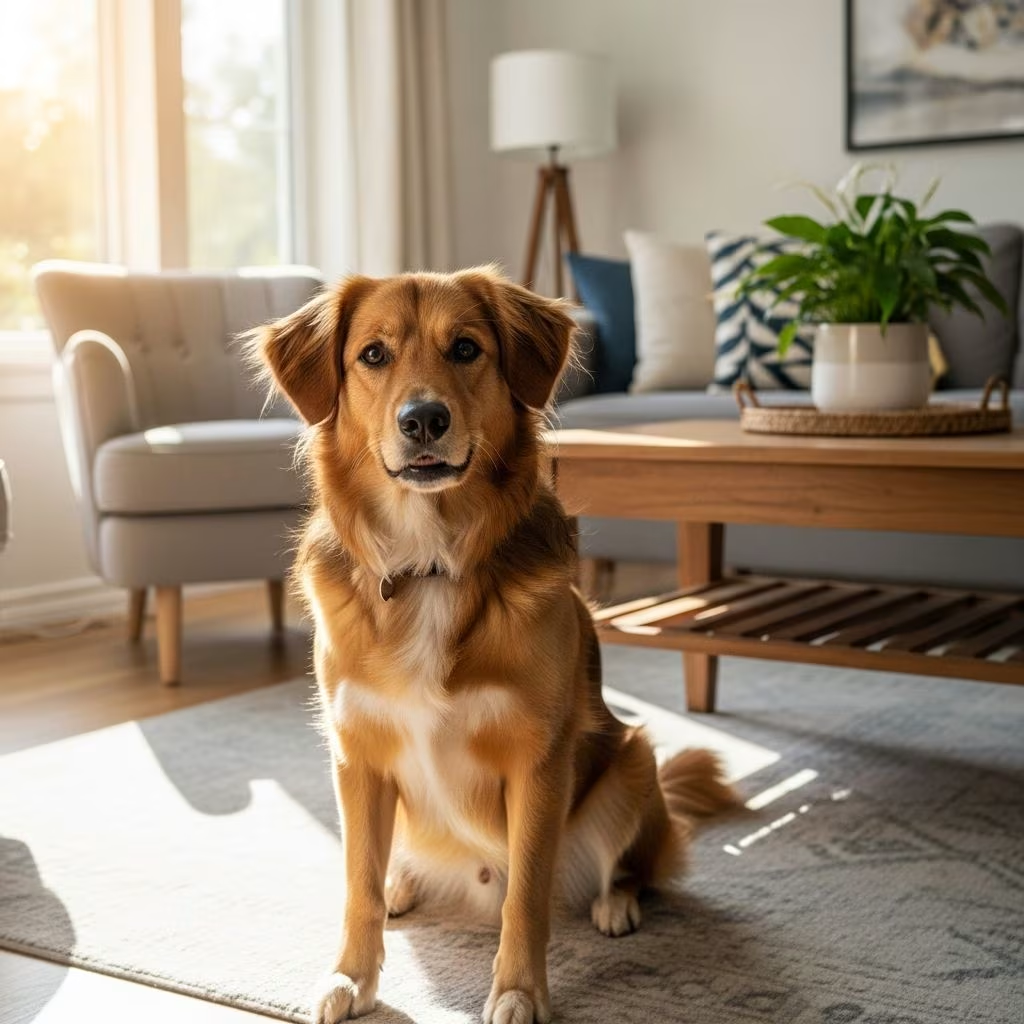
Medium-Sized Dogs: Just Right for Your Home
When it comes to choosing a canine companion, many pet owners find themselves caught between the appeal of small lap dogs and the commanding presence of large breeds. Medium-sized dogs represent the perfect middle ground, offering an ideal combination of manageability, personality, and capability that appeals to a wide variety of households. These versatile companions typically weigh between 20 to 60 pounds and stand 16 to 24 inches at the shoulder, making them substantial enough to be robust playmates yet small enough to comfortably live in most homes.
Understanding Medium-Sized Dogs: Size and Characteristics
Medium dog breeds occupy a unique position in the canine spectrum that brings numerous practical advantages. Their moderate size makes them large enough to be sturdy and resilient companions, yet small enough to be easily managed during walks, vet visits, and everyday life. This perfect middle ground offers several distinct benefits that make medium-sized dogs an increasingly popular choice for families and individuals alike.
Why Choose a Medium-Sized Dog?
Medium-sized dogs offer several compelling advantages:
Easier Handling and Management — Unlike large breeds that can weigh over 100 pounds, medium-sized dogs are significantly easier to control during walks, vet appointments, and grooming sessions. This manageability makes them suitable for various living situations and reduces the physical strain on owners of all ages and abilities.
Sturdiness and Resilience — Compared to small breeds, medium-sized dogs are generally more robust and less prone to injury during play or handling. They can withstand enthusiastic play with children and other pets without requiring the delicate care that toy breeds often need.
Adaptability to Various Living Situations — Whether you live in a spacious suburban home or a compact urban apartment, medium-sized dogs can adapt to your environment. Their size makes them suitable for diverse housing types as long as their exercise needs are met.
Cost-Effectiveness — Medium-sized dogs require less food than large breeds, resulting in lower monthly feeding costs. Additionally, their generally lower susceptibility to certain health conditions common in giant breeds can mean reduced veterinary expenses over their lifetime.
Key Benefits of Medium-Sized Dogs
Exercise Compatibility
Most medium-sized breeds have moderate to high energy levels, making them excellent companions for active individuals and families. Whether you enjoy hiking, running, playing in the backyard, or simply taking daily walks, medium-sized dogs can match your activity level. Their athletic build and endurance make them ideal for outdoor enthusiasts who want a dog capable of keeping up with their lifestyle without the extreme exercise demands of some larger working breeds.
Health and Longevity
Medium-sized dogs often enjoy longer lifespans compared to larger breeds, with many living 12 to 15 years or more. They are less prone to certain genetic disorders that frequently impact larger dogs, such as hip dysplasia, bloat, and joint problems. Their moderate size puts less stress on their bodies, contributing to improved overall health and a longer life expectancy with your family.
Balanced Temperament
Many medium dogs possess a balanced temperament that combines playful energy with a calm demeanor. This versatility makes them excellent companions for children and other pets, fostering a harmonious household. They typically have enough strength and size to handle rough play without being intimidating, yet they maintain the emotional intelligence to sense when gentleness is needed.
Grooming and Maintenance
While grooming requirements vary among breeds, many medium-sized dogs have shorter coats that require less maintenance compared to long-haired breeds. This can save considerable time and money in professional grooming costs and at-home maintenance. Even breeds with longer coats are often more manageable than the grooming demands of giant breeds.
Popular Medium-Sized Dog Breeds
Border Collie
Weight: 30-55 pounds | Height: 18-22 inches
Border Collies are deeply intelligent and energetic dogs that make exceptional companions for active owners. Widely regarded as the most intelligent dog breed, they excel in herding, obedience, and agility competitions. However, they require significant mental and physical stimulation daily. These dogs thrive with experienced owners who can provide structured training, regular exercise, and mental challenges. Their high energy and exceptional intelligence make them better suited for active individuals or families with ample time to dedicate to their care.
Australian Shepherd
Weight: 40-65 pounds | Height: 18-23 inches
Australian Shepherds are smart, work-oriented, and playful dogs that excel in obedience and agility training. These energetic herders require regular exercise and mental challenges to prevent boredom and behavioral issues. They are highly trainable and form strong bonds with their families, making them excellent choices for active households. Their striking appearance and engaging personality make them perennial favorites among dog enthusiasts.
Beagle
Weight: 20-30 pounds | Height: 13-15 inches
Beagles are happy, affectionate, and playful dogs that make excellent family pets. Known for their friendly and kind nature with children and other pets, Beagles are one of the most popular medium-sized breeds. They have an exceptional sense of smell and enjoy following scents during walks. While they require moderate exercise, they are generally more laid-back than herding breeds, making them suitable for various lifestyle types.
Cocker Spaniel
Weight: 20-30 pounds | Height: 13.5-15.5 inches
Gentle and joyful, Cocker Spaniels are known for being great family pets. These affectionate dogs get along well with kids, other pets, and strangers. Quick learners, they are highly trainable and eager to please during training and playtime. While they’re happy to relax at home, they enjoy regular exercise and mental stimulation. Their long, silky coats require near-daily brushing to stay tangle-free, so grooming commitment is important to consider.
Bulldog
Weight: 40-50 pounds | Height: 12-15 inches
Bulldogs are gentle, affectionate, and brave companions with distinctive wrinkled faces and stocky builds. They require moderate exercise and are prone to certain health issues, including breathing difficulties and joint problems, making regular veterinary check-ups essential. Despite their intimidating appearance, they are gentle with children and make excellent family dogs. Their laid-back nature makes them suitable for families seeking a more relaxed companion.
Basset Hound
Weight: 40-65 pounds | Height: Up to 15 inches
Easy-going and patient, Basset Hounds make excellent family dogs that are great with both children and other pets. With their distinctive droopy ears, wrinkled faces, and charming personality, these mid-size pups stand out on all fronts. They were originally bred as tracking dogs and possess exceptional scenting abilities. One of the lazier medium-sized dog breeds, they still need regular exercise to maintain healthy weight and prevent obesity.
Vizsla
Weight: 44-60 pounds | Height: 21-24 inches
Looking for an energetic, affectionate companion? The Vizsla might be your perfect match. Known for their close bond with their families, these loyal dogs are often called “Velcro dogs” because they love to stick by your side. With their high energy and athletic nature, Vizslas are ideal for active households that enjoy outdoor adventures like running and hiking. Their short, copper-colored coats require minimal grooming maintenance.
Irish Terrier
Weight: 25-27 pounds | Height: 18-20 inches
Known for their bold character and fearless loyalty, the Irish Terrier is a spirited medium-sized dog breed. These dogs are protective, making them both excellent family pets and reliable watchdogs. Irish Terriers are highly energetic and benefit from daily exercise and mental stimulation. While they can be independent, they respond well to firm and consistent training, making them lively and devoted companions for those up for the challenge. Their wiry red coats shed minimally but require regular grooming to maintain their texture.
Choosing the Right Medium-Sized Dog for Your Lifestyle
Consider Your Activity Level
High-energy breeds like Australian Shepherds and Brittanys thrive when they get mental and physical stimulation multiple times each day. If you lead an active lifestyle and enjoy outdoor activities, these breeds will be excellent matches. Conversely, if you prefer a more relaxed pace, breeds like Bulldogs enjoy moderate activity with plenty of downtime and couch time, making them better suited for your needs.
Evaluate Your Living Space
While medium-sized dogs are generally adaptable, some breeds have specific environmental preferences. Border Collies do well with large outdoor spaces to run and play, while other breeds like Whippets are at home in an apartment as long as they get some daily exercise. Consider your home type and available outdoor space when selecting a breed.
Training and Socialization
Medium breeds often excel in training, especially those bred for jobs like hunting or herding. Early socialization is key to channeling their instincts into positive, desired behaviors. If you enjoy training and working with your dog, breeds like Border Collies and Australian Shepherds offer rewarding challenges. If you prefer a more independent dog, some terrier breeds may be better suited.
Grooming Requirements
Different medium breeds have varying grooming needs. Some, like Cocker Spaniels, require regular professional grooming and daily coat maintenance. Others, like many Terriers, need minimal grooming. Factor in both the time and financial commitment associated with your chosen breed’s coat care.
Health Considerations for Medium-Sized Dogs
While medium-sized dogs generally enjoy good health, specific breeds may be prone to certain conditions. Bulldogs may experience breathing difficulties, while some active breeds can be susceptible to hip dysplasia. Regular veterinary check-ups, appropriate exercise, and a healthy diet are essential for maintaining optimal health. Understanding breed-specific health concerns allows you to provide preventive care and early intervention when needed.
Maintaining a healthy weight is particularly important for medium-sized dogs. Unlike large breeds that can develop severe joint problems from excess weight, medium dogs still benefit greatly from weight management. Provide measured portions, limit treats, and ensure regular exercise to keep your dog at a healthy weight throughout their life.
Nutrition and Feeding
Medium-sized dogs require quality nutrition appropriate for their age, activity level, and health status. Active breeds may need higher protein and calorie content, while less active dogs require fewer calories to prevent obesity. Consult with your veterinarian to determine the best diet for your specific dog’s needs. High-quality commercial dog foods formulated for medium-sized dogs provide balanced nutrition that supports optimal health and longevity.
Training and Socialization Tips
Medium-sized dogs benefit tremendously from early socialization and consistent training. Start socializing puppies at a young age to expose them to various people, animals, and environments. This foundation helps prevent fear-based aggression and behavioral issues later in life. Consistent, positive reinforcement-based training helps channel their natural instincts and energy into desired behaviors. Classes and activities like obedience training, agility, or scent work provide both mental stimulation and bonding opportunities.
Frequently Asked Questions
Q: What is the typical weight range for medium-sized dogs?
A: Medium-sized dogs typically weigh between 20 to 60 pounds, though this can vary slightly depending on the specific breed and breed organization standards.
Q: Are medium-sized dogs good for families with children?
A: Yes, many medium-sized dogs are excellent family companions. Their balanced temperament, combined with their sturdy build, makes them well-suited for families with children. Breeds like Beagles, Cocker Spaniels, and many others are particularly known for their family-friendly nature.
Q: How much exercise do medium-sized dogs need?
A: Exercise needs vary by breed. High-energy breeds like Border Collies and Australian Shepherds need 1-2 hours of daily exercise, while more relaxed breeds like Bulldogs need only 30-45 minutes of moderate activity daily.
Q: Are medium-sized dogs suitable for apartment living?
A: Many medium-sized dogs can adapt to apartment living if their exercise and mental stimulation needs are met. Breeds with lower energy levels and those that don’t require large outdoor spaces can thrive in apartments.
Q: What is the average lifespan of medium-sized dogs?
A: Medium-sized dogs often have longer lifespans than large breeds, typically living 12 to 15 years or more, depending on the specific breed and individual health factors.
Q: Do all medium-sized dogs require extensive grooming?
A: No, grooming requirements vary significantly among breeds. Some medium breeds have short coats requiring minimal maintenance, while others with longer or thicker coats need regular professional grooming and daily brushing.
Q: Which medium-sized breeds are best for first-time dog owners?
A: Beagles, Cocker Spaniels, and Bulldogs are often recommended for first-time owners due to their relatively lower training demands and forgiving temperaments. Breeds like Border Collies may require more experienced handling.
Q: Are medium-sized dogs prone to specific health issues?
A: While generally healthier than larger breeds, specific medium-sized breeds can be prone to particular conditions. Bulldogs may experience breathing difficulties, while active breeds can be susceptible to hip dysplasia. Regular vet check-ups help identify and manage potential issues early.
References
- Understanding Medium Dog Weight: What You Need to Know for Your Canine Companion — Houndsy. 2024. https://www.houndsy.com/blogs/modern-tails/understanding-medium-dog-weight-what-you-need-to-know-for-your-canine-companion
- The Ultimate Guide to Medium Dog Breeds: Perfect Balance of Size and Personality — PetsCare. 2024. https://www.petscare.com/news/post/ultimate-guide-medium-dog-breeds
- 21 Lovable Medium-Sized Dog Breeds — Pumpkin Pet Insurance. 2024. https://www.pumpkin.care/post/medium-sized-dog-breeds
- The Ultimate Guide to Medium-Sized Dog Breeds — Wisdom Panel. 2024. https://www.wisdompanel.com/en-us/blog/medium-sized-dog-breeds
- 20 Medium-Sized Dogs — PetMD. 2024. https://www.petmd.com/dog/general-health/medium-sized-dogs
- Medium Dog Breeds — American Kennel Club. 2024. https://www.akc.org/dog-breeds/medium-dog-breeds/
- All Medium-Sized Dog Breeds — Purina. 2024. https://www.purina.com/dogs/dog-breeds/collections/medium-sized-dog-breeds



