

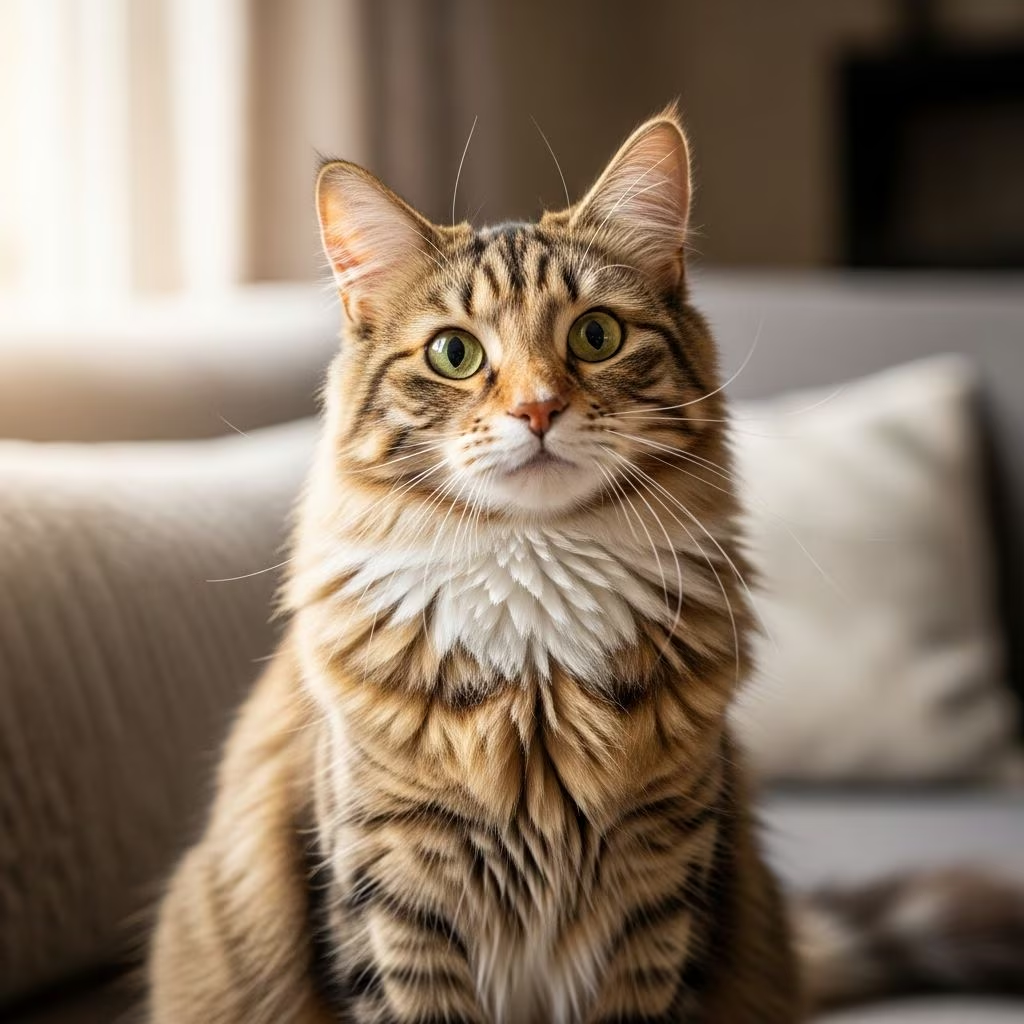
Medium-haired domestic cats represent one of the most prevalent feline types in homes worldwide, prized for their balanced fur length that strikes a perfect middle ground between low-maintenance short coats and high-effort long ones. These cats, often arising from mixed ancestry, showcase a plush double coat measuring roughly 1 to 2 inches, providing warmth and an elegant fluffiness without extreme grooming demands. Their popularity stems from diverse appearances, flexible temperaments, and robust health profiles derived from broad genetic pools.
Physical Characteristics and Appearance Variations
These cats typically feature a medium build, with males averaging 10 to 15 pounds and females 8 to 12 pounds, though ranges can extend to 11-22 pounds depending on lineage influences. Height at the shoulder spans 9-14 inches, creating a harmonious, athletic yet rounded silhouette. The coat, shorter along the spine and denser around the neck, chest, belly, and bushy tail, comes in endless colors and patterns: solids like black, white, or ginger; tabbies; tortoiseshells; smokes; bicolors; and more. This variability reflects their non-pedigreed status, allowing unique blends not tied to purebred standards.
| Feature | Typical Range | Notes |
|---|---|---|
| Weight (Males) | 10-15 lbs (4.5-6.8 kg) | Can reach up to 22 lbs with stockier builds |
| Weight (Females) | 8-12 lbs (3.6-5.4 kg) | Lighter, more slender frames common |
| Coat Length | 1-2 inches | Double-layered: plush undercoat, silky guard hairs |
| Colors/Patterns | All varieties | No restrictions; highly diverse |
Body types vary from muscular and agile to softer and cobby, influenced by ancestral breeds. Distinctive traits like full tails and expressive faces—ranging from wedge-shaped to round—add to their appeal. Unlike uniform purebreds, no two are exactly alike, making each a personalized companion.
Temperament and Behavioral Traits
Personality in medium-haired domestics is as varied as their looks, spanning independent aloofness to outgoing affection. Most exhibit a balanced nature: friendly toward humans, moderately playful, and comfortably independent. They adapt seamlessly to family life, coexisting with children, seniors, and fellow pets when properly socialized from kittenhood. Intelligence shines through in quick litter training and problem-solving antics like toy hunting or perch conquests.
- Affectionate yet autonomous: Enjoys lap time but respects personal space.
- Playful energy: Loves chasing, climbing, and interactive toys; moderate activity suits apartments or houses.
- Sociable flexibility: Bonds deeply with owners, tolerant of visitors and animals.
- Quiet communicators: Occasional meows or purrs; not overly vocal.
Early exposure shapes outcomes—kittens handled gently grow into confident adults. High-energy individuals thrive with puzzle feeders and scratching posts, while laid-back ones prefer sunny windowsills. Overall, their even-keeled demeanor positions them as ideal for first-time owners or multi-pet homes.
Grooming Essentials for Healthy Coats
The double coat demands weekly brushing to prevent mats, especially around the ruff and tail where fur lengthens. Tools like slicker brushes or de-shedding gloves remove loose undercoat, reducing shedding and hairballs. Bathing is rare—spot clean with wipes suffices unless soiled. Nail trims biweekly, ear checks monthly, and dental care via brushing or treats maintain hygiene.
- Brush 2-3 times weekly with a wide-tooth comb for tangles.
- Use shedding tools during seasonal molts (spring/fall).
- Monitor for mats; gently tease out or seek professional grooming.
- Provide self-grooming aids like licking pads to minimize ingestion.
Compared to shorthairs (minimal care) or longhairs (daily sessions), theirs is moderate, fostering bonding through routine petting sessions. Consistent care keeps coats glossy and skin irritation-free.
Ideal Living Environments and Daily Enrichment
Versatile adapters, they flourish in apartments, suburban homes, or rural settings with secure outdoor access like catios. Indoor life predominates for safety, supplemented by vertical spaces (cat trees, shelves) and interactive play. They tolerate solitude for workdays but relish evenings of companionship. A mix of solo toys, human games, and observation perches fulfills physical and mental needs.
- Space: Compact to spacious; perches essential.
- Climate: Insulated coat suits mild to cool areas.
- Activity: 15-30 minutes daily play prevents boredom.
- Compatibility: Excellent with kids, dogs, other cats.
For outdoor enthusiasts, harness walks or enclosed yards offer stimulation without risks. Their inquisitive nature suits puzzle toys mimicking hunts, promoting weight control and stress relief.
Nutrition and Feeding Best Practices
Balanced commercial cat food matching life stage (kitten, adult, senior) supports vitality. Aim for 200-300 calories daily, split into meals to curb obesity—a risk given hearty appetites. Wet food aids hydration and coat health; dry kibble aids dental scraping. Fresh water always, with fountains encouraging intake.
| Life Stage | Daily Calories | Key Nutrients |
|---|---|---|
| Kitten | 200-250 | High protein, DHA for growth |
| Adult | 200-300 | Balanced fat/protein for maintenance |
| Senior | 180-250 | Joint support, lower calories |
Portion control via measured scoops prevents issues like diabetes. Treats under 10% of intake; weight monitoring monthly ensures ideal body condition.
Health Considerations and Wellness Tips
Genetic diversity confers hardiness, with fewer breed-specific woes than purebreds. Common concerns include obesity, dental disease, urinary issues, and age-related joint stiffness. Annual vet visits, vaccinations, and parasite preventives safeguard longevity (12-18 years average). Spaying/neutering curbs cancers and behaviors.
- Obesity prevention: Activity and diet key.
- Dental health: Brushing thrice weekly.
- Screenings: Bloodwork for early detection.
Watch for lethargy, appetite shifts, or litter changes signaling issues. Their resilience makes proactive care rewarding.
Comparisons to Similar Feline Types
Versus Domestic Shorthairs: Fluffier coats demand more grooming. Longhairs: Less intensive daily care. Purebred analogs like Siberians (water-repellent triple coat, hypoallergenic lean) or Ragdolls (silky fur, blue eyes) share traits but with standardized looks and potentially higher needs. Turkish Angoras offer slimmer elegance; Balinese add vocal pointed patterns. These contrasts highlight DMHs’ accessible diversity.
Bringing Home Your Medium-Haired Companion
Adopt from shelters where most reside—age 1+ often suits families. Kittens need socialization; adults bring known temperaments. Budget for food ($30-50/month), litter ($20), grooming tools ($20), and vet ($200-500/year). Their loyalty repays investment manifold.
Frequently Asked Questions (FAQs)
Are medium-haired domestic cats hypoallergenic?
No, their double coats shed moderately; allergy sufferers should test exposure.
How often should I groom my medium-haired cat?
Weekly brushing suffices; increase during shedding seasons.
Do they get along with dogs?
Yes, with gradual introductions; many thrive in mixed homes.
What’s their average lifespan?
12-18 years with proper care.
Are they good for apartments?
Absolutely; adaptable and not overly demanding.
References
- Medium Hair Domestic Cat – Characteristics, Care, and Breed Guide — Pawmaw. 2023. https://www.pawmaw.com/blog/medium-hair-domestic-cat
- Domestic Medium Hair: Personality, Care, and More — ASPCA Pet Insurance. 2024. https://www.aspcapetinsurance.com/resources/domestic-medium-hair/
- Domestic Medium Hair Cat: Info, Pictures, Facts & Traits — Catster. 2024. https://www.catster.com/cat-breeds/domestic-medium-hair-cat/
- Domestic Medium Hair Cat Breed & Adoption Information — Petfinder. 2024. https://www.petfinder.com/cats-and-kittens/breeds/domestic-medium-hair/
- Medium Domesticated Cat: A Guide to Owning Medium-Haired Cats — WoPet. 2023. https://wopet.com/cats/medium-domesticated-cat/



