

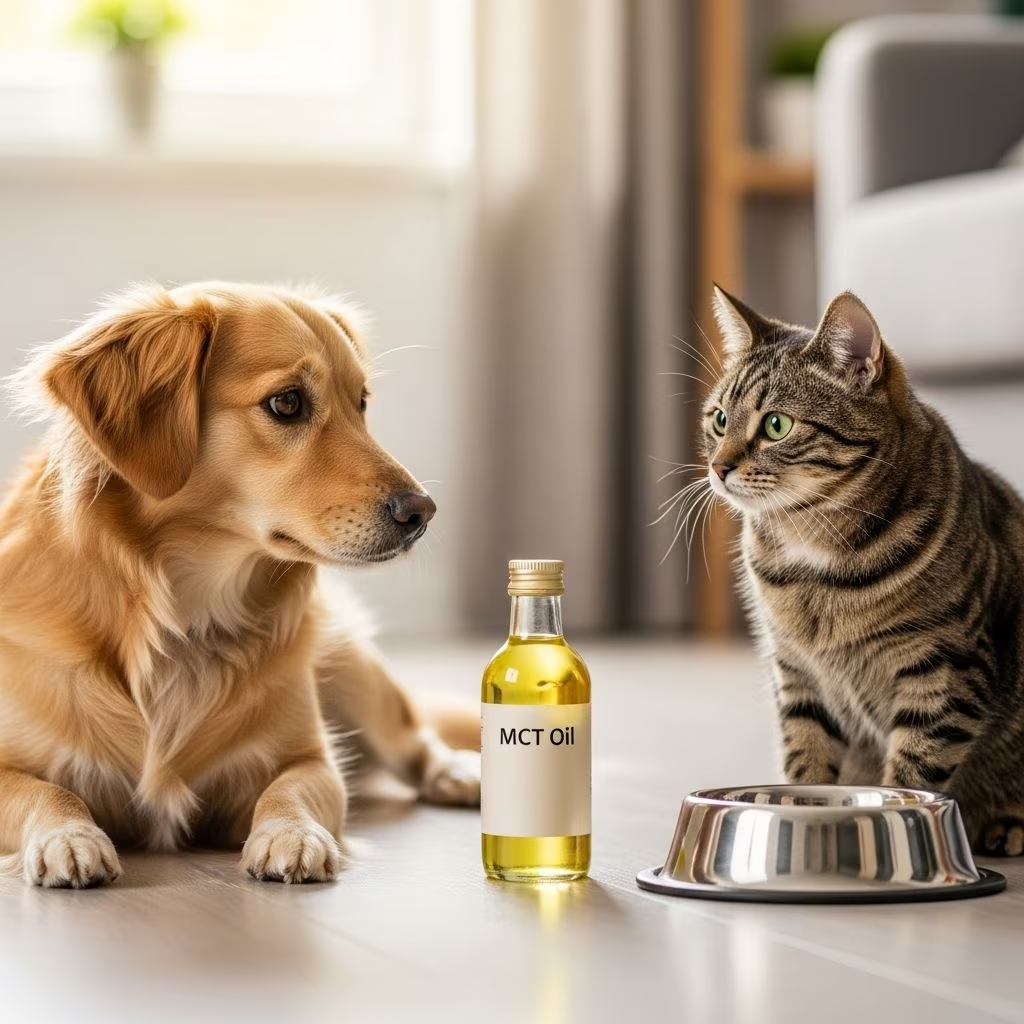
What Are Medium-Chain Triglycerides (MCT Oil)?
Medium-chain triglycerides, commonly abbreviated as MCTs, are a type of fatty acid found naturally in certain oils and foods. These fats are called “medium-chain” because of the length of their carbon atom chains, which typically contain between 6 and 12 carbon atoms. MCT oil is a concentrated source of these beneficial fats that has gained significant popularity in both human and veterinary nutrition circles.
MCT oil for pets is most commonly derived from coconut oil or palm kernel oil. Unlike long-chain triglycerides (LCTs) found in olive oil, canola oil, and fish oil, MCTs have unique properties that make them particularly valuable for pet nutrition. The composition of quality MCT oil supplements typically includes caprylic acid (C8:0) and capric acid (C10:0), which are the most bioavailable forms for animals.
How MCT Oil Works in Your Pet’s Body
The digestive process for MCT oil is fundamentally different from other dietary fats. When your pet consumes MCT oil, the body processes it much faster than long-chain triglycerides. This rapid metabolism offers several distinct advantages for pet health and wellness.
MCTs don’t require bile enzymes for digestion, which means they bypass the standard fat digestion pathway. Instead, they travel directly from the gut to the liver, where they are quickly converted into energy or ketones. This efficient processing is particularly beneficial for pets with pancreatic issues or sensitive digestive systems. Additionally, because MCTs are rapidly converted to energy rather than stored as fat, they provide a quick energy boost without taxing the pancreas.
Key Health Benefits of MCT Oil for Pets
Brain Health and Cognitive Function
One of the most researched and promising benefits of MCT oil for pets is its positive impact on brain health. MCTs produce ketones, which serve as an alternative energy source for the brain, particularly important for senior pets. As dogs age, their brains naturally become less efficient at utilizing glucose for fuel. MCT oil provides a solution by supplying ketones and lactic acid as alternative energy sources.
Studies demonstrate that supplementing with MCT oil improves canine cognitive performance on behavioral tasks within 2 to 8 weeks of starting supplementation, with improvements continuing for up to 6 months. For pets with canine cognitive dysfunction (CCD), this supplement can help restore mental clarity and maintain brain cell function. Phospholipids that protect brain cells increase when MCT oil is added to a pet’s diet, and MCTs help the omega-3 fatty acid DHA cross the blood-brain barrier, which is vital for proper brain function.
Heart Health Support
MCT oil shows considerable promise for supporting cardiovascular health in pets. The most common canine heart disease is myxomatous mitral valve disease (MMVD), in which the heart muscle lacks sufficient fuel for optimal function. Similar to what occurs with aging brains, MCTs provide the heart with ketones and lactic acid as alternative fuel sources. This alternative energy pathway has been shown to reduce damage from free radicals and support overall heart function in senior and diseased hearts.
Energy and Weight Management
Because MCTs are processed by the liver and rapidly converted to energy, they provide a quick energy boost while being less likely to be stored as fat compared to other dietary fats. This makes MCT oil particularly useful for pets needing to maintain or achieve a healthy weight. Additionally, MCTs have been shown to increase feelings of fullness, which may help prevent overeating and support weight management goals.
Improved Digestion
MCT oil supports digestive health without placing excessive burden on the digestive organs. Since MCTs don’t require bile enzymes for digestion, they gently incorporate fats into your pet’s diet without exhausting the pancreas or other digestive organs. The fats proceed directly to the liver to be digested and absorbed, promoting a healthy balance of normal intestinal flora and supporting optimal gastrointestinal function.
Skin and Coat Health
MCT oil promotes healthy skin and coat in pets by providing omega-3 fatty acids that help decrease normal inflammatory pathways. Regular supplementation can result in a softer, silkier, shinier, and overall healthier coat appearance. The anti-inflammatory properties of MCTs support skin health from the inside out.
Immune System Support
MCT fatty acids possess natural antimicrobial properties and help maintain a normal inflammatory response in the body. These properties act similarly to natural antibiotics, helping to fight off disease-inducing microorganisms and support overall immune system function. This immune-boosting effect makes MCT oil valuable for maintaining general pet health and wellness.
Blood Sugar Regulation
MCT oil can help support blood sugar levels within normal ranges by providing a quick source of energy that doesn’t rely on glucose. This characteristic makes it particularly beneficial for pets with metabolic concerns, as it may promote insulin sensitivity and support balanced blood sugar levels without spiking glucose.
Seizure Reduction in Epileptic Pets
Research shows that MCT oil significantly reduces seizures in dogs with epilepsy. Studies on epileptic dogs consuming a diet containing 9% MCTs demonstrated improved trainability, better memory, and enhanced problem-solving abilities compared to control groups. Pets with epilepsy-related complications that affect memory and learning showed substantial improvement with MCT supplementation.
MCT Oil for Specific Pet Conditions
Pancreatic Health
Pets suffering from pancreatic issues benefit significantly from MCT oil because the pancreas has little to no negative effect from these fats. Unlike other dietary fats that require extensive pancreatic enzyme involvement, MCTs bypass this burden, making them ideal for pets with pancreatitis or pancreatic insufficiency.
Senior Pet Wellness
Senior pets experience declining cognitive and physical function as they age. MCT oil serves as a game-changing supplement for aging pets by providing alternative energy sources for both the brain and heart. The cognitive improvements documented in studies make MCT oil an excellent addition to senior pet wellness routines.
Epilepsy Management
Beyond seizure reduction, MCT oil supports the cognitive complications often associated with canine epilepsy. Pets on MCT supplementation demonstrated improved trainability and problem-solving abilities, suggesting benefits beyond seizure control alone.
How to Administer MCT Oil to Your Pet
Dosage Guidelines
Proper dosing of MCT oil is essential for safety and efficacy. The appropriate dose depends on your pet’s weight, age, and overall health status. Always consult with your veterinarian before beginning MCT oil supplementation to determine the correct dosage for your individual pet. Most MCT oil supplements come with dosing recommendations based on body weight.
Administration Methods
MCT oil can be administered in several ways:
– Add it directly to your pet’s regular food- Mix it into wet food or treats- Administer it as a standalone supplement- Use MCT oil-infused kibble or treats
Palatability and Acceptance
Research from 2022 demonstrated that liquid MCT oil containing a combination of caprylic acid (C8:0) and capric acid (C10:0) is well-tolerated in dogs when added to kibble twice daily. Dogs showed no adverse reactions such as vomiting, diarrhea, or abdominal pain, indicating good palatability.
Safety Considerations and Potential Side Effects
MCT oil is generally safe for pets when used appropriately and under veterinary guidance. However, as with any dietary supplement, there are important safety considerations to keep in mind:
– Gradual Introduction: Always introduce MCT oil gradually to your pet’s diet to allow their digestive system to adjust- Digestive Upset: Some pets may experience mild digestive adjustments when first starting MCT oil supplementation- Appropriate Dosing: Exceeding recommended dosages may lead to digestive issues- Quality Selection: Choose MCT oil supplements specifically formulated for pets from reputable manufacturers- Veterinary Consultation: Discuss MCT oil use with your veterinarian, especially if your pet has existing health conditions or takes medications
Selecting Quality MCT Oil Products for Pets
Not all MCT oil products are created equal. When selecting an MCT oil supplement for your pet, consider the following factors:
– Source: Look for MCT oil derived from coconut or palm kernel oil- Composition: Quality products contain caprylic acid (C8:0), capric acid (C10:0), or a combination of both- Purity: Ensure the product is free from additives and contaminants- Formulation: Choose products specifically formulated and tested for pet safety- Third-Party Testing: Select brands that undergo independent verification and testing- Veterinary Recommendation: Ask your veterinarian for product recommendations they trust
MCT Oil Compared to Other Pet Supplements
| Supplement Type | Primary Benefits | Digestion | Best For |
|---|---|---|---|
| MCT Oil | Brain health, heart support, quick energy | Direct to liver, no bile needed | Senior pets, cognitive decline, seizures |
| Fish Oil (LCT) | Omega-3 support, joint health | Requires bile enzymes | Coat health, inflammation management |
| Coconut Oil | Contains MCTs plus other compounds | Slower than pure MCT | General wellness, coat health |
| Probiotics | Digestive health, immune support | Works in GI tract | Digestive issues, immune support |
Frequently Asked Questions About MCT Oil for Pets
Q: Is MCT oil safe for all pets?
A: MCT oil is generally safe for most dogs and cats, but it’s essential to consult with your veterinarian before starting supplementation, especially if your pet has existing health conditions or takes medications.
Q: How long does it take to see results from MCT oil supplementation?
A: Research shows that cognitive improvements can be observed within 2 to 8 weeks of starting MCT oil supplementation, with continued improvement up to 6 months after beginning treatment.
Q: Can MCT oil be used with other supplements?
A: MCT oil can often be combined with other supplements, but always consult your veterinarian before combining multiple supplements to ensure compatibility and prevent interactions.
Q: What is the difference between MCT oil and coconut oil?
A: MCT oil is a concentrated extract of medium-chain triglycerides, while coconut oil is a whole oil that contains MCTs plus other compounds. MCT oil provides a more potent and rapidly acting dose of MCTs.
Q: Can MCT oil help with weight loss in pets?
A: Yes, MCT oil can support weight management by providing quick energy that’s less likely to be stored as fat and by promoting feelings of fullness, helping prevent overeating.
Q: Are there any age restrictions for MCT oil use?
A: MCT oil can be beneficial for pets of various ages, from puppies to senior dogs. However, the specific benefits and appropriate dosing may vary by age, so veterinary guidance is important.
Q: What are the signs that MCT oil is working for my pet?
A: Depending on the reason for supplementation, you may notice improved alertness and cognitive function in senior pets, better coat quality, improved energy levels, or reduced seizure frequency in epileptic pets.
Q: Can I give MCT oil to my cat?
A: While MCT oil research focuses primarily on dogs, cats may also benefit from MCT supplementation. Consult your feline veterinarian for appropriate dosing and suitability for your individual cat.
Incorporating MCT Oil into Your Pet’s Wellness Routine
MCT oil represents a promising addition to comprehensive pet wellness strategies. Whether your goal is to support cognitive function in aging pets, manage seizures in epileptic dogs, support heart health, or simply enhance overall wellness, MCT oil offers multiple evidence-based benefits.
The key to successful MCT oil supplementation is working closely with your veterinarian to determine appropriate dosing, select high-quality products, and monitor your pet’s response to supplementation. With proper guidance and consistent use, MCT oil can contribute significantly to your pet’s long-term health and quality of life.
References
- MCT Powder for Pets: Health Benefits — Franklin TN Veterinary. 2024. https://franklintnvet.com/7-health-benefits-of-mct-powder-for-pets/
- MCT Oil for Dogs: A Versatile Supplement for Pets — Earth Buddy Pet. 2024. https://www.earthbuddypet.com/blogs/pet-care/mct-oil-for-dogs
- MCT Oil for Dogs Can Help Dogs with Dementia or Epilepsy — Toe Grips. 2024. https://toegrips.com/mct-oil-for-dogs/
- MCT Oil For Dogs: A Miracle Supplement For Brain And Heart Health? — Dogs Naturally Magazine. 2024. https://www.dogsnaturallymagazine.com/mct-oil-for-dogs/
- 3 Benefits of MCT Oil for Dogs — Happy Dog Baltimore. 2023. https://www.happydogbaltimore.com/happy-dogbaltimore.com/happy-dog-blog/2023/7/20/3-benefits-of-mct-oil-for-dogs-1
- Medium Chain Triglycerides (MCTGaiaTM): A Natural Solution for Optimal Pet Health and Vitality — NASC Technical Literature. 2024. https://www.nasc.cc/wp-content/uploads/2024/04/A4_Tech.-Lit.-Medium-Chain-Triglycerides-MCTGaiaTM_A-Natural-Solution-for-Optimal-Pet-Health-and-Vitality.pdf



