

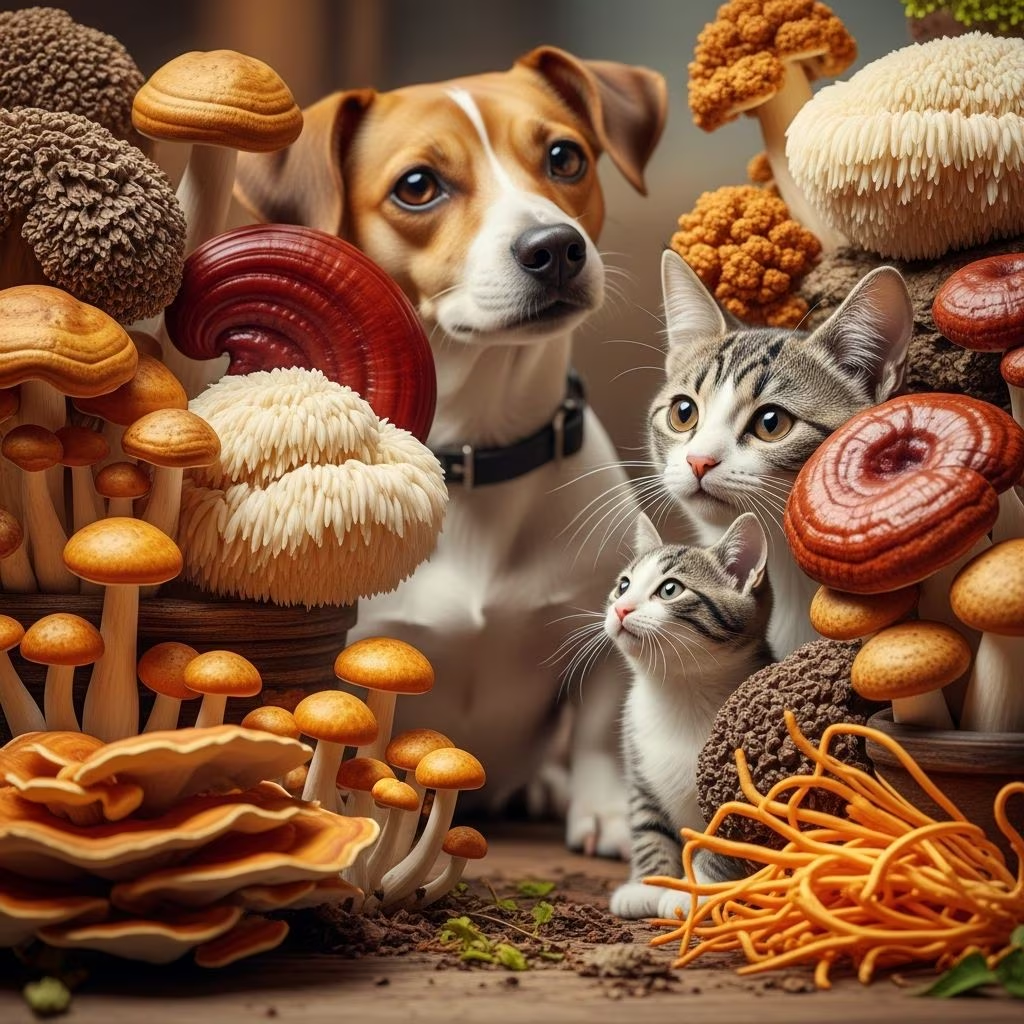
Understanding Medicinal Mushrooms for Pets
Medicinal mushrooms have been used in traditional medicine for centuries, and modern veterinary science is increasingly recognizing their potential benefits for our companion animals. Unlike wild mushrooms that may be toxic to pets, medicinal mushrooms are cultivated specifically for their health-enhancing properties and contain powerful bioactive compounds such as beta-glucans, polysaccharides, triterpenes, and lectins. These substances provide anti-bacterial, anti-viral, anti-cancer, and anti-tumor properties that can support various aspects of your pet’s health.
From a Traditional Chinese Veterinary Medicine (TCVM) perspective, mushrooms are considered warming and nourishing tonics, making them particularly beneficial for senior pets who need additional nutritional support. The growing body of scientific research now supports what traditional practitioners have known for generations: specific medicinal mushrooms can bolster immune function, reduce inflammation, serve as powerful antioxidants, and promote gut health in dogs and cats.
Popular Medicinal Mushrooms for Pets
Several species of medicinal mushrooms have shown particular promise in supporting pet health. Each offers unique therapeutic properties that can address specific health concerns.
Reishi Mushroom (Ganoderma lucidum)
Reishi, also known as Ling Zhi, is one of the most prevalent medicinal mushrooms used for pet cancer treatment. This powerful fungus stimulates the immune system, enabling “killer” cells to control the spread of cancer. Reishi contains anti-inflammatory, antioxidant, anti-viral, anti-fungal, and antibacterial properties, making it effective for treating a variety of illnesses including colds and infections. Reishi is known for improving quality of life in pets undergoing treatment and is particularly useful for addressing cancer, heart disease, immune problems, and liver detoxification.
Turkey Tail Mushroom (Trametes versicolor)
Turkey Tail is presumed to be a powerful immunity booster and comprehensive cancer support supplement. Rich in polysaccharides and beta-glucans, this mushroom can potentially help reduce tumor sizes and prevent new tumors from forming. Research has demonstrated improved survival time in canine hemangiosarcoma patients who receive Turkey Tail supplementation. Beyond cancer support, Turkey Tail is believed to aid digestion and serves as an adaptogenic herb, meaning it promotes homeostasis in the body and helps pets more effectively manage stress.
Shiitake Mushroom (Lentinula edodes)
Shiitake mushrooms contain over 30 enzymes, 10 amino acids, and various minerals that contribute to effective immune support. The lentinan compound found in shiitake has been studied for its potential anti-tumor and immune-enhancing effects. This mushroom can stimulate white blood cells to provide antibiotic effects, soothe inflammation, and reduce cholesterol and blood pressure. Shiitake is commonly used to mitigate the side effects of chemotherapy and radiation in pets undergoing cancer treatment.
Chaga Mushroom
Chaga is another excellent mushroom for bolstering your pet’s immunity due to its rich antioxidant compounds. This fungus is believed to improve strength, endurance, and energy, which can be instrumental in helping pets with cancer maintain good quality of life during traditional cancer treatment. Chaga may also possess anti-tumor and anti-cancer properties that aid in tumor size reduction, while supporting the immune system through its potent antioxidant content.
Cordyceps Mushroom
Cordyceps are known for their adaptogenic properties, meaning they help the body adapt to stress and support overall well-being. These mushrooms have proven beneficial in some human and animal asthma patients and may help strengthen a dog’s immune system and enhance its ability to fight off infections or diseases.
Maitake Mushroom (Grifola frondosa)
Abundant in beta-glucans, maitake mushrooms have been studied for their potential anti-inflammatory and immune-enhancing effects. They are sometimes included in holistic treatments for various health conditions in dogs and are recognized for their anti-cancer properties.
Key Health Benefits of Medicinal Mushrooms
Medicinal mushrooms offer a comprehensive range of health benefits that make them valuable additions to your pet’s wellness routine.
Immune System Support
The primary benefit of medicinal mushrooms lies in their ability to enhance immune function. Beta-glucans from mushrooms such as reishi and maitake can activate key immune cells like macrophages and natural killer cells, both of which play crucial roles in fighting infections and even cancer. This immune-modulating effect makes medicinal mushrooms particularly valuable for pets facing health challenges or entering their senior years.
Anti-inflammatory and Antioxidant Properties
Inflammation is a primary contributor to many chronic conditions in pets, including joint pain, skin disorders, and digestive issues. The beta-glucans in mushrooms help regulate inflammation, offering a natural approach to managing these conditions. Additionally, medicinal mushrooms contain powerful antioxidants that help neutralize harmful free radicals and reduce oxidative stress in the body, supporting long-term health and vitality.
Cancer Support and Prevention
One of the most researched applications of medicinal mushrooms in veterinary medicine involves cancer support. Multiple mushroom varieties contain compounds that may help inhibit tumor growth, reduce tumor sizes, and improve survival rates in pets with certain cancers. They also help reduce the side effects of chemotherapy and radiation, allowing pets to maintain better quality of life during treatment.
Digestive Health and Gut Flora
By promoting a healthy and balanced gut flora, medicinal mushrooms can improve digestion while simultaneously strengthening your pet’s immune system. A healthy gut is fundamental to overall wellness, as it influences nutrient absorption, energy levels, and immune response.
Liver and Kidney Protection
Certain medicinal mushrooms are said to have liver-protective and kidney-protective abilities, making them valuable for pets with hepatic or renal concerns. Some varieties may also help combat age-related cognitive decline in senior pets.
Conditions That May Benefit from Medicinal Mushrooms
Veterinarians suspect medicinal mushrooms may be helpful for several specific conditions:
- Chronic viral infections in cats, including herpes, calicivirus, and FIV, due to their immune-modulating and antiviral properties
- Cancer treatment in dogs and cats, where they provide antioxidant and liver-protective effects
- Senior dementia and debilitation, thanks to antioxidant, antimicrobial, and immune-boosting benefits
- Chronic diseases such as arthritis, bronchitis, and inflammatory bowel disease, due to anti-inflammatory properties
- Blood disorders and digestive problems
- Allergic reactions and urinary incontinence
- Bronchial irritation and respiratory conditions
How to Feed Medicinal Mushrooms to Your Pet
Feeding your pet medicinal mushrooms is simpler than you might think. Many pet owners are already familiar with culinary mushrooms found in supermarkets, such as white button or Swiss brown mushrooms, which are also safe for pets. While these common varieties offer health benefits, medicinal mushrooms like reishi, cordyceps, and turkey tail pack higher concentrations of bioactive compounds that provide more potent therapeutic effects.
Medicinal mushrooms can be incorporated into your pet’s diet through various methods. Many are available as supplements in powder, capsule, or tincture form specifically formulated for pets. Unlike CBD, which is typically used for targeted issues, medicinal mushrooms can easily be integrated into your pet’s daily diet for continuous support. Whether you aim to boost your pet’s immune system, reduce inflammation, or assist them during cancer treatment, medicinal mushrooms offer a wide array of benefits that can be maintained over time.
Important Safety Considerations
While medicinal mushrooms are generally recognized as safe for pets, certain precautions should be taken. Medicinal mushrooms should be used cautiously in pets with specific health conditions. Owners should consult with their veterinarian before starting any new supplement regimen, particularly for pets with:
- Bleeding disorders
- Low blood pressure
- Liver or kidney disease
- Immune-mediated disorders
Your veterinarian can help determine appropriate dosing and ensure that medicinal mushrooms won’t interact with any current medications or treatments your pet may be receiving. It is crucial to source medicinal mushrooms from reputable suppliers to ensure quality and safety.
Medicinal Mushrooms vs. Other Pet Wellness Options
| Feature | Medicinal Mushrooms | CBD | Traditional Supplements |
|---|---|---|---|
| Usage | Continuous daily support | Targeted issue management | Varies by type |
| Primary Benefit | Immune and overall wellness | Anxiety and pain relief | Specific nutrient support |
| Historical Use | Centuries in traditional medicine | Recent emergence | Varies widely |
| Scientific Research | Expanding significantly | Growing studies | Established research |
The Future of Medicinal Mushrooms in Pet Care
Medicinal mushrooms are an exciting new tool in the toolkit for keeping pets healthy. With their ability to support the immune system, reduce inflammation, fight oxidative stress, and promote gut health, they offer a natural, science-backed solution for improving overall well-being. Whether you’re feeding them through supplements or adding a few shiitake mushrooms to your pet’s dinner, incorporating mushrooms into your pet’s diet is a simple way to boost their health. As research continues to emerge, there is no doubt that medicinal mushrooms will become a staple in natural pet care, offering a wealth of benefits for pets of all ages and health statuses.
Frequently Asked Questions
Q: Are medicinal mushrooms safe for all pets?
A: Medicinal mushrooms are generally safe for most pets; however, they should be used cautiously in pets with bleeding disorders, low blood pressure, liver or kidney disease, or immune-mediated disorders. Always consult with your veterinarian before starting supplementation.
Q: How long does it take to see results from medicinal mushrooms?
A: The timeframe for seeing results varies depending on the condition being treated and your pet’s individual response. Some pets may show improvement within weeks, while others may require several months of consistent supplementation.
Q: Can medicinal mushrooms be used alongside conventional veterinary treatments?
A: Yes, medicinal mushrooms can often be used alongside conventional treatments like chemotherapy. However, your veterinarian should be informed of all supplements your pet is receiving to monitor for any potential interactions.
Q: What is the difference between culinary and medicinal mushrooms?
A: While culinary mushrooms like shiitake and oyster mushrooms offer health benefits, medicinal mushrooms are cultivated and processed specifically to concentrate their bioactive compounds for maximum therapeutic effect.
Q: How should medicinal mushrooms be stored?
A: Medicinal mushroom supplements should be stored in a cool, dry place away from direct sunlight. Follow the storage instructions provided by the supplement manufacturer to maintain potency.
Q: Are there any side effects from medicinal mushrooms?
A: Medicinal mushrooms are generally well-tolerated, but some pets may experience mild digestive upset initially. Start with smaller doses and gradually increase to the recommended amount to minimize potential side effects.
References
- 7 Medicinal Mushrooms and Their Incredible Benefits for Your Pets — Pet Wellbeing. 2024. https://petwellbeing.com/blogs/news/7-medicinal-mushrooms-and-their-incredible-benefits-for-your-pets
- The Power of Medicinal Mushrooms for Pets: A Veterinarian’s Guide — Big Dog Pet Foods. 2024. https://www.bigdogpetfoods.com/guides/benefits-of-medicinal-mushrooms-for-pets
- Medicinal Mushrooms For Dogs — PetMD. 2024. https://www.petmd.com/dog/general-health/medicinal-mushrooms-for-dogs
- Medicinal Mushrooms for Dogs: Uses, Side Effects, and Alternatives — American Kennel Club. 2024. https://www.akc.org/expert-advice/health/medicinal-mushrooms-for-dogs/
- Medicinal Mushrooms: Helpful or Just Hype? — Belton Veterinary Clinic. 2024. https://www.beltonvetclinic.com/services/cats/blog/medicinal-mushrooms-helpful-or-just-hype
- Medicinal Mushrooms for Pets — Hemopet. 2024. https://hemopet.org/medicinal-mushrooms-for-pets/



