

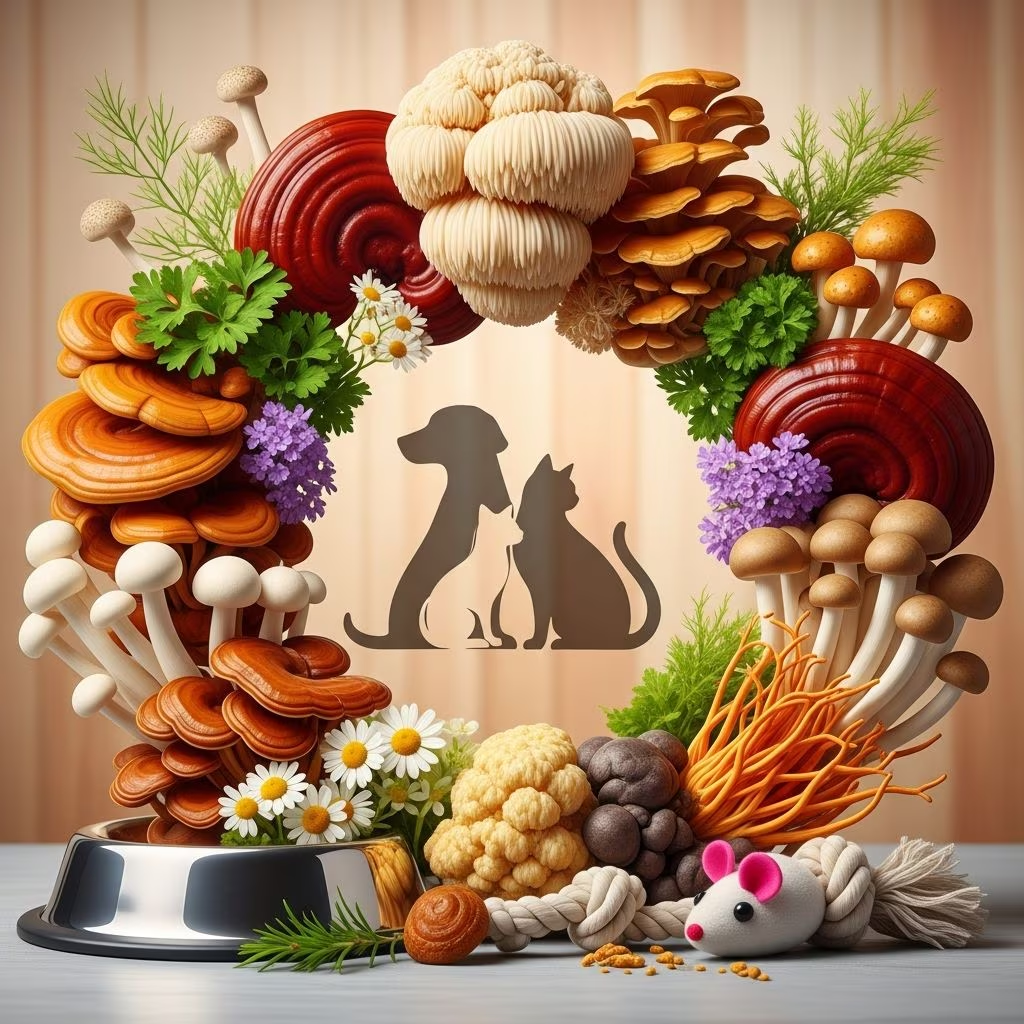
Medicinal Mushrooms for Pets: A Natural Approach to Health and Wellness
Medicinal mushrooms have gained significant recognition in veterinary medicine as a natural supplement to support pet health and wellness. Unlike common culinary mushrooms found in grocery stores, medicinal mushrooms contain concentrated bioactive compounds that offer therapeutic benefits for dogs, cats, and other pets. These fungi have been used in traditional medicine for centuries and are now supported by modern scientific research demonstrating their potential to enhance immune function, reduce inflammation, and support overall health.
Pet owners increasingly seek natural alternatives to complement conventional veterinary care. Medicinal mushrooms represent a safe, evidence-based option for supporting various health conditions, from immune deficiencies to chronic inflammation. Understanding the different types of medicinal mushrooms and their specific benefits can help you make informed decisions about your pet’s health regimen.
What Are Medicinal Mushrooms?
Medicinal mushrooms are fungi species that contain powerful bioactive compounds including beta-glucans, polysaccharides, and triterpenoids. These compounds work synergistically to provide anti-bacterial, anti-viral, anti-cancer, and anti-tumor properties. Unlike potentially toxic wild mushrooms, medicinal mushroom supplements are cultivated specifically for their health-enhancing properties and have been safely utilized in traditional medicine for centuries.
The key difference between medicinal mushrooms and common edible varieties lies in their concentration of bioactive compounds. While culinary mushrooms like shiitake offer nutritional value, medicinal-grade mushroom supplements contain significantly higher concentrations of therapeutically active ingredients, making them more potent for specific health applications.
Types of Medicinal Mushrooms for Pets
Several medicinal mushroom varieties have demonstrated particular benefits for pet health. Each type offers unique properties and is suited for different health concerns:
Reishi Mushroom (Ganoderma lucidum)
Reishi, also known as Ling Zhi, is among the most prevalent medicinal mushrooms for pet cancer treatment. This mushroom is renowned for its ability to stimulate the immune system, enabling “killer” cells to control cancer spread. Reishi contains multiple beneficial compounds including anti-inflammatory, antioxidant, anti-viral, anti-fungal, and antibacterial properties, making it a comprehensive remedy for various illnesses including colds and infections. It is particularly effective for treating cancer, heart disease, immune problems, and supporting liver detoxification while improving quality of life in affected pets.
Turkey Tail Mushroom (Trametes versicolor)
Turkey Tail is considered a powerful immunity booster and comprehensive cancer support supplement. Rich in polysaccharides and beta-glucans, this mushroom helps reduce tumor sizes and prevents new tumors from forming. Research has shown improved survival times in canine hemangiosarcoma patients who consume Turkey Tail supplements. Additionally, Turkey Tail functions as an adaptogenic herb, promoting homeostasis in the body and helping pets manage stress more effectively while supporting digestive health.
Shiitake Mushroom (Lentinula edodes)
Shiitake mushrooms are nutritionally dense, containing over 30 enzymes, 10 amino acids, and various minerals that contribute to excellent immune support properties. These mushrooms stimulate white blood cells to provide antibiotic effects, soothe inflammation, and reduce cholesterol and blood pressure. Shiitake also contains lentinan, a compound studied for its potential anti-tumor effects. They are commonly used to reduce the side effects of chemotherapy and radiation in pets, making them valuable for cancer support protocols.
Chaga Mushroom
Chaga is another excellent mushroom for bolstering pet immunity due to its rich antioxidant compounds. This mushroom is believed to improve strength, endurance, and energy levels, which is instrumental in helping pets with cancer maintain good quality of life during traditional cancer treatment. Chaga may possess anti-tumor and anti-cancer properties that aid in tumor size reduction. Additionally, Chaga shows particular promise for pets with allergies, immune deficiencies, diabetes, and digestive issues.
Maitake Mushroom (Grifola frondosa)
Abundant in beta-glucans, maitake mushrooms have been studied for their potential anti-inflammatory and immune-enhancing effects. These mushrooms are sometimes included in holistic treatments for various health conditions in dogs and are recognized for their anti-cancer properties. Maitake works by activating key immune cells like macrophages and natural killer cells, both crucial for fighting infections and even cancer.
Cordyceps Mushroom
Cordyceps are known for their adaptogenic properties, helping the body adapt to stress and support overall well-being. These mushrooms have proven beneficial in some human and animal asthma patients. They may help strengthen a dog’s immune system and enhance its ability to fight off infections or diseases while supporting kidney and liver function.
Health Benefits of Medicinal Mushrooms for Pets
Immune System Support
The primary benefit of medicinal mushrooms is their ability to strengthen and regulate the immune system. Beta-glucans from mushrooms such as reishi and maitake activate key immune cells like macrophages and natural killer cells, which play crucial roles in fighting infections and cancer. This immune-modulating effect helps pets maintain better overall health and resilience against disease.
Anti-Inflammatory and Antioxidant Properties
Inflammation is a primary contributor to many chronic conditions in pets, including joint pain, skin disorders, and digestive issues. The beta-glucans in medicinal mushrooms help regulate inflammation, offering a natural approach to managing these conditions. Research has highlighted the role of beta-glucans in treating common pet ailments such as skin diseases, osteoarthritis, and inflammatory bowel disease. Additionally, the high antioxidant content in mushrooms like Chaga helps neutralize harmful free radicals and reduce oxidative stress in the body.
Cancer Support and Anti-Tumor Properties
Multiple medicinal mushrooms have demonstrated anti-tumor and anti-cancer properties. A recent study demonstrated that Chaga exhibited anti-cancer activity against bladder cancer in dogs. Turkey Tail research showed improved survival times in canine hemangiosarcoma patients, making it particularly valuable for cancer-bearing pets. These mushrooms can be used alongside conventional cancer treatments to enhance efficacy and support overall health during therapy.
Gut Health and Digestive Support
Emerging evidence suggests that medicinal mushrooms play a key role in supporting gut health. Certain medicinal mushrooms act as prebiotics, providing essential nourishment for beneficial gut bacteria. By promoting a healthy and balanced gut flora, these mushrooms improve digestion while simultaneously strengthening the immune system, creating a solid foundation for overall health. A balanced gut microbiome influences everything from digestion to immune function, making this benefit particularly significant for long-term wellness.
Additional Health Benefits
Beyond their primary benefits, medicinal mushrooms offer additional health support. Shiitake mushrooms may help regulate urinary incontinence, soothe bronchial irritation, and lower cholesterol levels. Tremella mushrooms may protect the nervous system, fight aging, prevent skin damage, lower blood sugar, and reduce cholesterol. Poria mushrooms offer antioxidant and kidney protective abilities. These diverse benefits make medicinal mushrooms valuable for addressing multiple health concerns simultaneously.
How to Feed Medicinal Mushrooms to Your Pets
Feeding your pet medicinal mushrooms is straightforward and can be easily integrated into their daily routine. Medicinal mushroom supplements come in various forms, making administration convenient for pet owners:
– Supplement powders: Can be mixed directly into your pet’s food or water- Capsules: Can be given whole or opened and mixed with food- Tinctures: Liquid extracts that can be added to meals- Whole mushroom pieces: Some medicinal mushrooms can be served as treats or food additions
Many pet owners already use culinary mushrooms in their pets’ diets, such as white button or Swiss brown mushrooms, which are safe for pets. While these common varieties offer health benefits, medicinal mushrooms like reishi, cordyceps, and turkey tail pack higher concentrations of bioactive compounds, providing more potent therapeutic effects. The optimal feeding method depends on your pet’s preferences and your veterinarian’s recommendations.
Dosage Considerations
Proper dosing of medicinal mushroom supplements depends on several factors including your pet’s weight, age, health status, and the specific mushroom variety being used. Mushroom supplements are designed for continuous, long-term support rather than acute treatment. Your veterinarian can provide specific dosage recommendations tailored to your pet’s individual needs. It is important to follow label instructions and consult with your vet before starting any new supplement regimen, particularly if your pet is on other medications.
Safety Precautions and Contraindications
While medicinal mushrooms are generally safe for most pets, certain precautions should be observed. Medicinal mushrooms should be used cautiously in pets with specific health conditions:
– Bleeding disorders- Low blood pressure- Liver or kidney disease- Immune-mediated disorders
Pets with these conditions may be more sensitive to the immune-modulating effects of mushrooms, and careful monitoring is necessary. Always inform your veterinarian about any supplements your pet is taking, particularly if your pet is undergoing cancer treatment or taking other medications. Some mushroom supplements may interact with blood thinners or affect blood sugar levels.
Medicinal Mushrooms vs. Other Pet Supplements
| Aspect | Medicinal Mushrooms | CBD Supplements | Traditional Pharmaceuticals |
|---|---|---|---|
| Application | Daily wellness support and preventive care | Targeted issues like anxiety or pain | Specific disease treatment |
| Duration of Effects | Long-term cumulative benefits | Short-term relief (hours to days) | Varies by medication |
| Integration | Easy daily integration into diet | May require specific timing | Requires veterinary prescription |
| Research Support | Expanding scientific evidence | Growing research base | Extensive clinical trials |
Frequently Asked Questions About Medicinal Mushrooms for Pets
Q: Are medicinal mushrooms safe for all pets?
Medicinal mushrooms are safe for most pets; however, they should be used cautiously in pets with bleeding disorders, low blood pressure, liver or kidney disease, or immune-mediated disorders. Always consult your veterinarian before starting supplements.
Q: How long does it take to see results from medicinal mushroom supplements?
Medicinal mushrooms are designed for long-term, cumulative benefits rather than immediate results. Most pet owners notice improvements in immune function, energy levels, and overall wellness within 4-8 weeks of consistent use.
Q: Can medicinal mushrooms replace conventional veterinary treatment?
No. Medicinal mushrooms should be used to complement, not replace, conventional veterinary care. They are particularly valuable for supporting pets undergoing cancer treatment or managing chronic conditions alongside prescribed medications.
Q: Which mushroom is best for my pet’s specific condition?
Different mushrooms target different health concerns. Reishi and Turkey Tail excel for cancer support, Chaga for allergies and immune deficiencies, Shiitake for chemotherapy side effects, and Cordyceps for respiratory or stress-related issues. Your veterinarian can recommend the best option for your pet’s needs.
Q: Are there any side effects from medicinal mushroom supplements?
Medicinal mushrooms are generally well-tolerated with minimal side effects. Some pets may experience mild digestive adjustment when first introduced to mushroom supplements. High-quality, veterinary-approved supplements are formulated to minimize adverse reactions.
Q: Can I give my pet wild mushrooms instead of medicinal mushroom supplements?
No. Wild mushrooms can be toxic and potentially fatal to pets. Always use cultivated medicinal mushroom supplements specifically formulated for pet use rather than wild varieties.
Conclusion: Integrating Medicinal Mushrooms Into Your Pet’s Wellness Plan
Medicinal mushrooms represent an exciting natural tool for maintaining and enhancing your pet’s health. With their ability to support the immune system, reduce inflammation, fight oxidative stress, and promote gut health, they offer a science-backed solution for improving overall well-being. Whether you’re supplementing through specialized formulations or adding culinary varieties like shiitake to your pet’s meals, incorporating mushrooms into your pet’s diet is a simple yet effective way to boost their health.
As research continues to emerge demonstrating the therapeutic potential of medicinal mushrooms, these fungi will likely become increasingly common in natural pet care protocols. With proper guidance from your veterinarian and appropriate dosing, medicinal mushrooms can be a valuable addition to your pet’s wellness regimen, supporting healthy aging, disease prevention, and improved quality of life for pets of all ages and health statuses.
References
- 7 Medicinal Mushrooms and Their Incredible Benefits for Your Pets — Pet Wellbeing. 2024. https://petwellbeing.com/blogs/news/7-medicinal-mushrooms-and-their-incredible-benefits-for-your-pets
- The Power of Medicinal Mushrooms for Pets: A Veterinarian’s Guide — Big Dog Pet Foods. 2024. https://www.bigdogpetfoods.com/guides/benefits-of-medicinal-mushrooms-for-pets
- Medicinal Mushrooms For Dogs — PetMD. 2024. https://www.petmd.com/dog/general-health/medicinal-mushrooms-for-dogs
- Medicinal Mushrooms for Dogs: Uses, Side Effects, and Alternatives — American Kennel Club. 2024. https://www.akc.org/expert-advice/health/medicinal-mushrooms-for-dogs/
- Medicinal Mushrooms for Pets — Hemopet. 2024. https://hemopet.org/medicinal-mushrooms-for-pets/
- Mushroom Supplements For Pets — Whole Pet Wellness. 2024. https://wholepetwellness.com/mushroom-supplements-for-pets-2/
- Medicinal Mushrooms — VCA Animal Hospitals. 2024. https://vcahospitals.com/know-your-pet/medicinal-mushrooms



