Medication Poisoning in Dogs: Recognition and Emergency Response
Understand how common human medications harm dogs and what to do immediately.
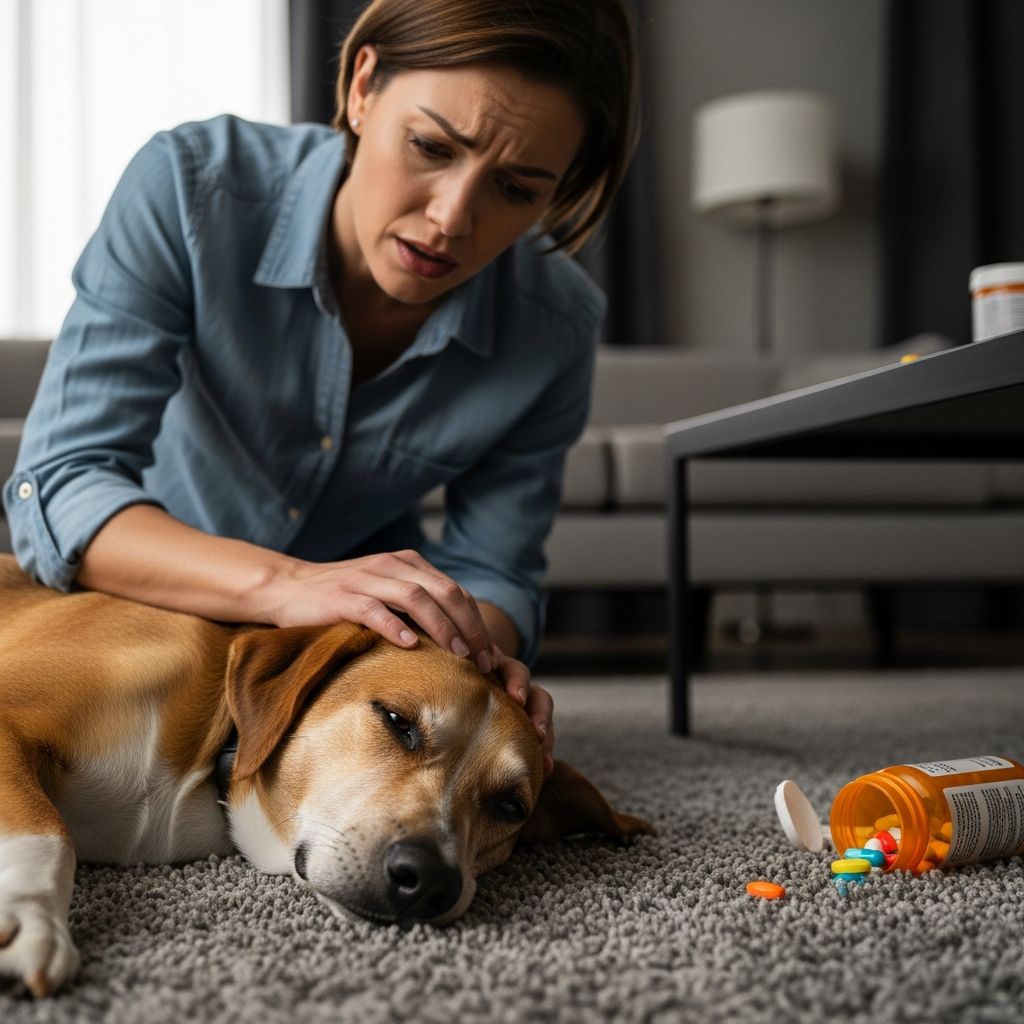
Every year, thousands of dogs suffer preventable injuries from ingesting medications intended for human use. These substances pose a serious threat because dogs lack the metabolic enzymes necessary to safely process pharmaceuticals designed for human physiology. Unlike humans, canines cannot efficiently detoxify many common over-the-counter and prescription medications, making even small doses potentially life-threatening. Understanding which medications pose risks, recognizing the signs of poisoning, and knowing how to respond can be the difference between a full recovery and a tragic outcome.
Why Human Medications Become Toxic in Canine Systems
The fundamental reason human medications harm dogs relates to biological differences in drug metabolism. Dogs possess a different enzymatic makeup than humans, meaning their bodies cannot break down certain pharmaceutical compounds effectively. This metabolic gap creates a dangerous scenario where doses safe for humans can cause severe organ damage in pets. The liver and kidneys bear the brunt of this toxic burden, as these organs work overtime attempting to filter substances they are not equipped to process.
Medications commonly stored in home medicine cabinets represent the highest risk category. Pain relievers, cold medicines, allergy medications, and anti-inflammatory drugs frequently end up in a dog’s system through accidental exposure or curious exploration. A single tablet of certain pain medications can trigger life-threatening complications in a medium-sized dog. The potency and rapid absorption of these substances mean that by the time symptoms appear, significant damage may already be occurring internally.
Recognizing the Immediate Warning Signs
Drug toxicity manifests through a range of observable symptoms that vary depending on which substance the dog ingested. Recognizing these signs promptly enables faster intervention and better treatment outcomes. The following symptoms should trigger immediate veterinary contact:
- Gastrointestinal distress: Vomiting, diarrhea, and loss of appetite are often the first indicators of poisoning. Dogs may also display abdominal pain, excessive drooling, or appear unwilling to eat.
- Neurological changes: Depression, lethargy, lack of coordination, tremors, or seizures suggest the medication is affecting the nervous system.
- Respiratory symptoms: Rapid or labored breathing, panting, and increased breathing sounds can indicate systemic stress from the toxin.
- Cardiovascular signs: Abnormal heart rhythms, slow or rapid heart rate, and changes in blood pressure may develop within minutes to hours.
- Physical manifestations: Discoloration of mucous membranes (bluish or chocolate-brown coloring), facial or paw swelling, and general weakness are additional warning signs.
- Behavioral abnormalities: Hyperactivity, nervousness, confusion, or unresponsiveness may indicate severe central nervous system involvement.
The timeline for symptom onset varies significantly depending on the toxic substance and dose. Some medications produce observable effects within 30 minutes, while others require several hours to manifest. This variability underscores why immediate professional evaluation is essential whenever accidental medication exposure is suspected.
Commonly Problematic Medications for Dogs
Certain medication categories appear repeatedly in veterinary poisoning cases. Understanding which substances pose the greatest danger helps pet owners implement better prevention strategies.
| Medication Category | Common Examples | Primary Health Effects | Typical Timeline |
|---|---|---|---|
| Pain Relievers | Ibuprofen, Acetaminophen | Liver and kidney damage, methemoglobin formation, organ failure | Effects within hours; serious damage possible with small doses |
| Decongestants | Pseudoephedrine | Heart arrhythmias, elevated blood pressure, nervous system stimulation | 30 minutes to 4 hours after exposure |
| Antihistamines | Diphenhydramine | CNS depression or hyperactivity, tremors, coordination loss | Variable; depends on dose and formulation |
| Sedatives/Tranquilizers | Benzodiazepines | Excessive sedation, respiratory depression, hypothermia | Rapid onset within 30-90 minutes |
The Acetaminophen Crisis: A Detailed Case Study
Acetaminophen, commonly known by the brand name Tylenol, deserves specific attention due to its prevalence in households and severe toxicity profile in dogs. This pain reliever and fever reducer works differently in canine metabolism than in humans, leading to dangerous accumulation of toxic byproducts.
When a dog ingests acetaminophen, the liver attempts to process the substance but cannot complete the detoxification cycle efficiently. This incomplete metabolism produces methemoglobin, a form of hemoglobin that cannot carry oxygen effectively through the bloodstream. As methemoglobin levels rise, the dog’s tissues become increasingly starved of oxygen, leading to the characteristic chocolate-brown discoloration of mucous membranes and gums.
Additionally, acetaminophen directly damages the liver and can cause hepatic failure. Dogs may develop swelling in the face, paws, and forelimbs as the liver’s ability to process fluids diminishes. Combined with the oxygen transport failure caused by methemoglobin formation, the body’s multiple organ systems begin failing in rapid succession.
The concerning reality is that even a single dose of acetaminophen can trigger severe complications in a medium-sized dog. This makes accidental exposure particularly dangerous, as a pet owner might underestimate the danger of a single tablet.
Emergency Response Protocol: What To Do Immediately
The moments immediately following suspected medication ingestion are critical. The proper response sequence can dramatically improve survival chances and reduce long-term complications.
Step One: Contact Professional Help Immediately
The first action should be calling your veterinarian or an emergency veterinary hospital without delay. If a veterinarian is unavailable, contact the ASPCA Animal Poison Control Center at (888) 426-4435 or the Pet Poison Helpline at (855) 764-7661. These specialized services can provide immediate guidance specific to the ingested substance and your dog’s size and health status.
Step Two: Gather Essential Information
Before calling, collect specific details that will help veterinary professionals assess the situation:
- Exact name of the medication ingested (if the bottle is available)
- Estimated amount consumed
- Time of ingestion
- Your dog’s current weight and age
- Any observed symptoms
- Your dog’s medical history and current medications
Step Three: Do Not Induce Vomiting Without Veterinary Guidance
Many pet owners instinctively attempt to induce vomiting when they discover medication ingestion. However, this can cause severe complications. Inducing vomiting at home may cause irritation or perforation of the stomach, aspiration of vomit into the lungs, and other harmful consequences. Only veterinarians should make the decision to induce vomiting, and only if the ingestion occurred within a narrow time window (typically 15–20 minutes) and the dog shows no signs of distress.
Professional Veterinary Treatment Approaches
Once at a veterinary facility, dogs with suspected medication toxicity undergo a systematic treatment protocol designed to remove the toxin and minimize damage.
Decontamination Methods
If the veterinarian determines that vomiting induction is appropriate and safe, this procedure occurs early in treatment. Following successful vomiting (or in cases where vomiting is unsafe), veterinarians may administer activated charcoal to block further absorption of the medication by the gastrointestinal tract. Activated charcoal functions as a binding agent, trapping drug molecules and preventing them from crossing into the bloodstream. This treatment must be performed by veterinary professionals, as improper administration can lead to aspiration pneumonia or dangerous electrolyte imbalances.
In cases where the dog is unconscious or severely affected, a stomach lavage (gastric pumping) may be performed instead of inducing vomiting. This procedure involves passing a tube into the stomach and flushing out contents mechanically.
Supportive Care and Monitoring
Depending on the medication ingested and the dose, hospitalization may be necessary. During hospitalization, dogs receive intravenous fluids to support kidney and liver function and to facilitate toxin elimination through urine. Veterinarians continuously monitor heart rate, blood pressure, body temperature, and electrolyte levels, adjusting treatment as needed.
Specific Antidotes and Protective Medications
Certain medications have specific antidotes that can reverse or mitigate poisoning effects. For acetaminophen poisoning, N-acetylcysteine is available as a direct antidote that helps the body process the toxic substance more effectively. Additional liver-protective medications may also be administered to minimize organ damage.
For poisonings affecting the central nervous system, medications to control seizures may be administered rectal or intravenously. Medications to stabilize heart rhythm, regulate blood pressure, or manage other symptoms are provided based on the individual dog’s condition.
Advanced Interventions
In severe cases, dogs may require blood or plasma transfusions to address dangerous bleeding or to restore critical blood proteins. Continuous monitoring allows veterinarians to detect organ damage early and escalate care as needed.
Recovery Timeline and Long-Term Considerations
Recovery from medication poisoning varies dramatically based on the substance involved, the dose ingested, how quickly treatment was initiated, and the dog’s overall health status. Some dogs may recover within 24–48 hours with supportive care, while others require weeks of monitoring and treatment. Certain medications, particularly those causing liver or kidney damage, may result in permanent organ function loss requiring lifelong dietary management or medication.
Follow-up veterinary visits are essential after a poisoning incident. Bloodwork may reveal organ damage that requires ongoing monitoring even after the dog appears to have recovered clinically.
Prevention: The Most Effective Strategy
While understanding treatment is important, prevention remains the most reliable way to protect dogs from medication toxicity. Store all medications in secure locations inaccessible to curious pets, keep medication bottles clearly labeled and in their original containers, and educate family members about the dangers. When taking medications, immediately secure empty bottles, as dogs may investigate discarded containers. Be particularly vigilant about medications left on nightstands, bathroom counters, or in purses, as these areas are frequent sites of accidental exposure.
Frequently Asked Questions
How quickly do symptoms of medication poisoning appear in dogs?
Symptom onset depends on the specific medication. Some substances like decongestants cause observable effects within 30 minutes to 4 hours, while others may take longer to manifest. This variability means that absence of immediate symptoms does not guarantee safety.
Can a single dose of pain medication harm a dog?
Yes. A single tablet of certain pain relievers like acetaminophen can cause severe organ damage in a medium-sized dog. Never assume that a single dose is harmless.
What should I do if I find an empty medication bottle near my dog?
Contact your veterinarian or poison control center immediately, even if your dog appears normal. Provide the medication name and estimated ingestion time. Early intervention dramatically improves outcomes.
Is activated charcoal safe to give at home?
No. Activated charcoal should only be administered by veterinary professionals. Improper dosing or administration can cause aspiration pneumonia or life-threatening electrolyte imbalances.
What is methemoglobin and why is it dangerous?
Methemoglobin is a modified form of hemoglobin (the protein carrying oxygen in blood) that cannot effectively transport oxygen. When acetaminophen causes methemoglobin formation, tissues become oxygen-starved, causing tissues and mucous membranes to develop a chocolate-brown or bluish discoloration.
Conclusion: Acting Swiftly Saves Lives
Medication poisoning in dogs represents a preventable tragedy in most cases. By understanding which substances pose risks, recognizing early warning signs, and knowing how to respond immediately, pet owners can protect their dogs from serious harm. Every minute counts when toxicity is suspected—professional veterinary intervention during the critical early window of exposure can mean the difference between a complete recovery and permanent organ damage or death. Keep emergency contact numbers accessible, store medications securely, and never hesitate to seek professional guidance when medication exposure is suspected.
References
- Acetaminophen Toxicity in Dogs — VCA Animal Hospitals. Accessed April 2026. https://vcahospitals.com/know-your-pet/acetaminophen-toxicity-in-dogs
- Poisoning from Human Over-the-Counter Drugs — Merck Veterinary Manual. Accessed April 2026. https://www.merckvetmanual.com/special-pet-topics/poisoning/poisoning-from-human-over-the-counter-drugs
- What Are The Symptoms Of Poisoning In Dogs — Vets Now. Accessed April 2026. https://www.vets-now.com/pet-care-advice/dog-poisoning/
- Intoxication in Dogs: Health A-Z — Joii Pet Care. Accessed April 2026. https://www.joiipetcare.com/blogs/poisons/intoxication-in-dogs
- Drug Poisoning in Dogs — PetMD. Accessed April 2026. https://www.petmd.com/dog/emergency/digestive/e_multi_drug_poisoning
- Dog Poisoning: Signs and Symptoms — American Red Cross. Accessed April 2026. https://www.redcross.org/take-a-class/resources/learn-pet-first-aid/dog/poisoning
- ASPCA Poison Control — ASPCA. Accessed April 2026. https://www.aspca.org/pet-care/aspca-poison-control
- 24/7 Animal Poison Control Center — Pet Poison Helpline. Accessed April 2026. https://www.petpoisonhelpline.com
Similar Articles








Read full bio of Sneha Tete