

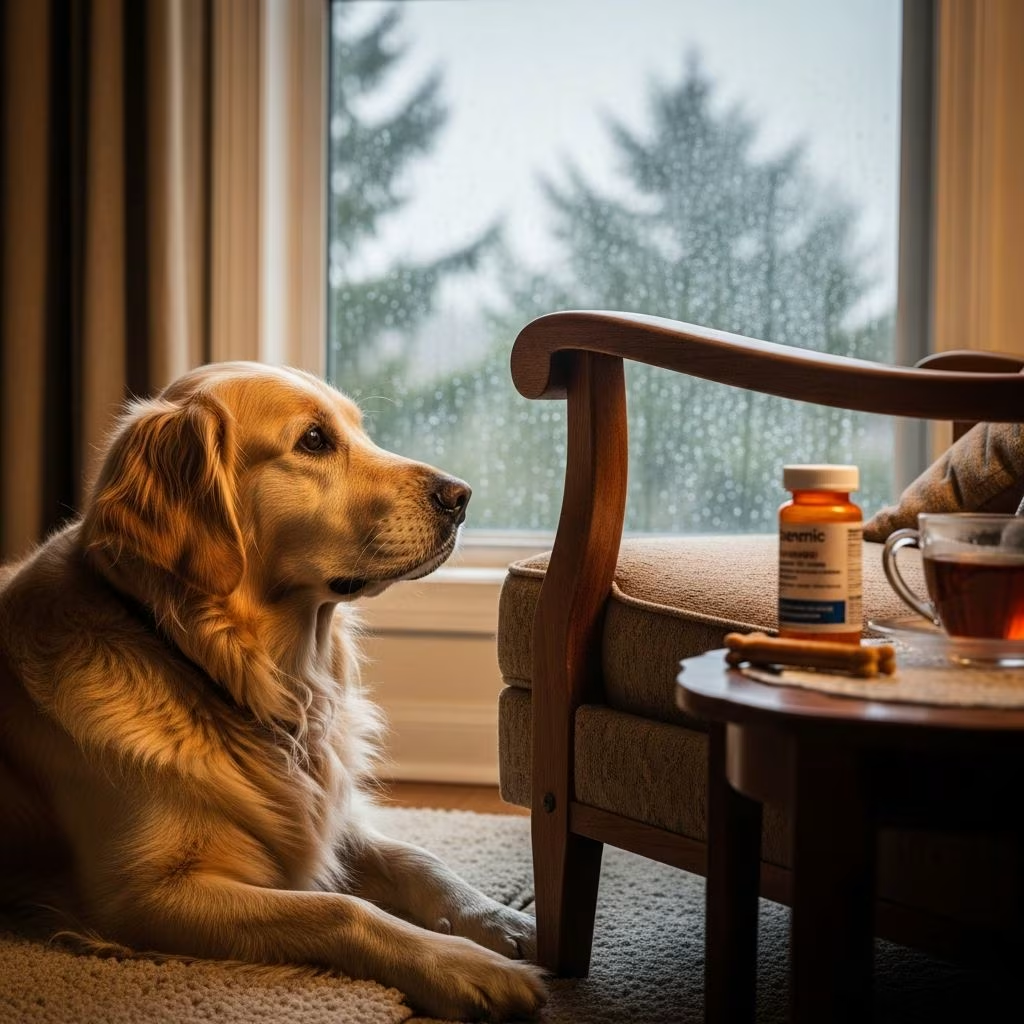
Dogs experiencing intense fear during thunderstorms and fireworks displays often struggle with significant emotional and physical distress. Unlike mild nervousness that resolves on its own, severe phobias can escalate into destructive behaviors, self-injury, and long-term anxiety disorders. Modern veterinary medicine offers a multi-faceted approach to addressing these fears, combining pharmaceutical interventions with behavioral strategies and environmental modifications. Understanding the available treatment options empowers pet owners to make informed decisions with their veterinarians.
Recognizing Severe Weather and Noise-Related Anxiety in Dogs
Dogs experiencing storm or fireworks-related phobia display a range of behavioral and physical symptoms that distinguish genuine fear from normal caution. These indicators help veterinarians assess severity and determine whether medication is warranted.
- Destructive behaviors: Chewing on furniture, walls, door frames, or attempting to escape confined spaces
- Vocalization: Excessive barking, whining, or howling that continues throughout the event
- Physical stress responses: Trembling, panting, drooling, and muscle tension
- Elimination problems: Urinating or defecating indoors despite house-training
- Self-soothing behaviors: Excessive licking, pacing, or repetitive movements
- Avoidance and hiding: Seeking shelter in bathrooms, basements, or under furniture
- Loss of appetite: Refusing food or treats during anxiety episodes
- Behavioral changes: Aggression, tail-tucking, or complete withdrawal from family activities
When these symptoms persist or intensify, medical intervention becomes necessary to prevent escalation into chronic anxiety disorders.
The Comprehensive Treatment Model
Veterinary professionals increasingly recognize that medication alone cannot resolve deep-seated phobias. The most effective outcomes emerge from a layered approach addressing three interconnected components: neurochemical balance, behavioral learning, and environmental restructuring.
This integrated model acknowledges that fear responses involve both brain chemistry and learned behavioral patterns. Medication helps stabilize the neurochemical foundation, while behavioral training rewires the dog’s emotional association with triggering stimuli. Environmental modifications reduce stress exposure and create safe spaces where recovery can occur.
FDA-Approved Medications for Canine Phobia Management
Two primary pharmaceutical interventions have received regulatory approval specifically for treating separation anxiety and related anxiety conditions in dogs, though veterinarians frequently prescribe them for weather and noise-related phobias.
Fluoxetine (Reconcil)
Fluoxetine belongs to the selective serotonin reuptake inhibitor (SSRI) class of antidepressants. This medication increases serotonin availability in the brain, helping regulate mood and emotional responses. Research demonstrates that fluoxetine can improve anxiety-related behaviors even when administered without concurrent behavioral therapy, though combined approaches yield superior outcomes.
Typical dosing: Approximately 1 milligram per kilogram of body weight administered once daily.
Onset of action: Four to six weeks before maximum therapeutic benefit becomes apparent. This delayed response requires commitment to the treatment plan before judging effectiveness.
Clomipramine (Clomicalm)
Clomipramine functions as a tricyclic antidepressant with additional anti-anxiety properties beyond simple serotonin reuptake inhibition. Veterinary studies show effectiveness comparable to fluoxetine, with some dogs responding better to one medication over the other.
Advantage: Some veterinarians report more rapid symptom improvement with clomipramine compared to SSRIs, though individual variation remains significant.
Short-Acting Medications for Predictable Events
For dogs with well-timed anxiety triggers like Fourth of July fireworks or seasonal thunderstorms, veterinarians may prescribe fast-acting medications taken only when needed rather than maintaining daily medication regimens.
Benzodiazepines
These anti-anxiety medications work rapidly—typically within 30 minutes to one hour—by enhancing gamma-aminobutyric acid (GABA) neurotransmission, which promotes relaxation and reduces fear responses. Common benzodiazepines for canine anxiety include diazepam.
Application: Administered on the day of expected anxiety-triggering events rather than as ongoing daily medication.
Consideration: Benzodiazepines work optimally when combined with long-acting antidepressants rather than used alone. Research indicates that combining fluoxetine with benzodiazepines produces greater anxiety reduction than either medication independently.
Trazodone
This medication possesses sedative properties alongside anti-anxiety effects, making it suitable for dogs requiring both anxiety reduction and behavioral calm during acute stress episodes. Trazodone’s faster onset compared to SSRIs makes it valuable for situational anxiety.
Advanced Medication Combinations
Veterinary research documents several combination protocols that improve treatment outcomes beyond single-medication approaches. These combinations address multiple neurochemical pathways simultaneously.
Fluoxetine plus benzodiazepine: Research demonstrates that pairing a long-acting SSRI with a short-acting benzodiazepine reduces anxiety signs more effectively than either drug alone. This approach provides sustained anxiety reduction (via fluoxetine) with acute symptom relief (via benzodiazepine) during specific triggering events.
Clomipramine plus additional agents: Some veterinarians prescribe supplemental medications alongside clomipramine for dogs with inadequate single-medication response. One study found that seven of ten dogs receiving clonipramine plus low-dose clonidine showed improved behavior, though the medication combination warrants careful veterinary monitoring.
Behavioral Modification: The Essential Foundation
Medication creates an optimal neurochemical environment for learning, but behavioral training transforms that opportunity into lasting change. Two evidence-based behavioral techniques form the cornerstone of effective phobia treatment.
Systematic Desensitization
This technique gradually exposes dogs to progressively intense versions of their fear stimulus while maintaining a relaxed state. For storm phobia, desensitization might involve:
- Beginning with recordings of distant thunder at minimal volume
- Pairing sound exposure with strongly positive experiences (high-value treats, favorite toys, affectionate interaction)
- Incrementally increasing volume and intensity over weeks or months
- Advancing to recordings of closer thunder and heavier rain sounds
- Eventually transitioning to real storm exposure during actual weather events
Success requires patience; research shows 100% of dogs treated with systematic desensitization plus counterconditioning achieved significant improvement.
Counterconditioning
While desensitization gradually increases stimulus intensity, counterconditioning changes the emotional response by pairing the feared stimulus with highly positive experiences. Rather than tolerating fear in the presence of thunder, the dog learns to expect something wonderful.
Practical application: When thunder occurs, immediately offer the dog’s most coveted treat, toy, or affection. Over time, the dog’s brain reframes thunder as a reliable predictor of positive events rather than danger.
Environmental Management Strategies
Creating a safe, low-stress environment reduces baseline anxiety and minimizes phobia triggers. These modifications work synergistically with medication and behavioral training.
Establishing a Safe Retreat Space
Dogs experiencing anxiety benefit from identifying a specific room or area where they feel secure. This space should feature:
- Solid walls (interior rooms with fewer windows reduce storm-related stimuli)
- Comfortable bedding and familiar toys
- Access to water and escape routes (preventing the dog from feeling trapped)
- Minimal external noise (a white noise machine can mask thunder and fireworks)
Sensory Minimization During Events
Reducing sensory overwhelm helps anxious dogs remain calmer. Strategies include closing curtains and blinds to reduce lightning exposure, playing calming music to mask storm sounds, and creating white noise through fans or specialized anxiety-reducing soundscapes.
Physical Exercise and Mental Enrichment
Dogs experiencing anxiety often benefit from increased daily physical activity and cognitive stimulation. Exercise reduces excess energy that fuels anxiety while releasing neurochemicals that promote calm.
- Daily walks and play: Regular structured exercise maintains emotional balance and prevents anxiety escalation
- Puzzle toys and treat dispensers: Mental engagement redirects anxious focus and provides constructive outlet for nervous energy
- Training sessions: Brief, positive training exercises strengthen the owner-dog bond while building confidence
- Interactive play: Games requiring participation maintain dogs’ mental and emotional engagement
Working with Veterinary Behaviorists
While general practitioners can initiate medication and basic behavioral guidance, board-certified veterinary behaviorists provide specialized expertise for complex or severe cases.
Veterinary behaviorists offer comprehensive assessments identifying specific fear triggers, underlying medical conditions mimicking anxiety, and customized treatment plans tailored to individual dogs. They also manage medication protocols, monitor progress, and adjust prescriptions based on observed improvement.
Frequently Asked Questions
How long does medication take to work?
SSRIs like fluoxetine typically require four to six weeks before achieving full therapeutic effect. Short-acting benzodiazepines work within 30 minutes to one hour. Patience with long-acting medications is essential; many owners report improvement becomes noticeable after three to four weeks of consistent administration.
Can dogs remain on anxiety medication long-term?
Yes, SSRIs and other psychiatric medications have safety profiles supporting extended use in dogs. Veterinarians monitor liver and kidney function through periodic bloodwork to ensure ongoing safety. Many dogs benefit from remaining on medication through their lifetime or until behavioral training produces sustained improvement.
What if my dog doesn’t respond to the first medication?
Individual dogs respond differently to various medications. If the initial prescription provides insufficient benefit after adequate trial duration, veterinarians may switch to alternative medications, adjust dosages, or implement combination therapy.
Are natural products effective alternatives to medication?
Products utilizing pheromones and aromatherapy can provide supplementary benefit and work best in combination with behavioral training and environmental modifications. However, severe phobias typically require pharmaceutical intervention for meaningful improvement.
Should I comfort my anxious dog during storm events?
Excessive comforting may inadvertently reinforce anxious behavior. Instead, maintain calm demeanor, offer neutral support, and allow the dog access to their safe space without over-coddling[10].
Developing Your Dog’s Treatment Plan
Effective phobia management requires collaboration between pet owner and veterinarian. The initial consultation should address:
- Detailed history of anxiety symptoms and their progression
- Identification of specific triggers and seasonal patterns
- Assessment of any underlying medical conditions potentially contributing to anxiety
- Evaluation of current home environment and daily routine
- Discussion of realistic treatment expectations and timeline
- Commitment to behavioral training alongside medication
Your veterinarian should explain medication selection, expected timeline for improvement, potential side effects, monitoring requirements, and long-term management strategies. Clear communication ensures compliance and optimal outcomes.
Building Long-Term Success
Dogs experiencing storm and fireworks phobia can achieve significant improvement through comprehensive treatment combining medication, behavioral modification, and environmental management. Success requires patience, consistency, and ongoing veterinary partnership. Many dogs progress from severe panic during triggering events to calm, manageable anxiety within weeks to months of treatment.
By addressing both the neurochemical and behavioral components of phobia, pet owners can help their dogs navigate previously overwhelming situations with confidence and reduced suffering.
References
- Recognizing the Signs of Pet Anxiety and How to Help — Black Mountain Animal Hospital. 2024. https://sandiegovets.com/recognizing-the-signs-of-pet-anxiety-and-how-to-help/
- Dog Anxiety: Signs, Causes, and Treatment — PetMD. 2024. https://www.petmd.com/dog/conditions/behavioral/dog-anxiety
- Understanding Pet Anxiety: Signs and Vet Treatments — Bliss Animal Hospital. 2024. https://blissanimalhospital.com/blog/understanding-pet-anxiety-symptoms-causes-treatment-orange-county-ca/
- Canine Separation Anxiety: Strategies for Treatment and Management — National Center for Biotechnology Information (PubMed Central). 2020. https://pmc.ncbi.nlm.nih.gov/articles/PMC7521022/
- Managing Anxiety in Dogs — Small Door Veterinary. 2024. https://www.smalldoorvet.com/learning-center/wellness/managing-anxiety-in-dogs
- Anxiety in Dogs: Signs, Symptoms, and Treatment — American Kennel Club (AKC). 2024. https://www.akc.org/expert-advice/health/treating-dog-anxiety/
- Anxious Behavior: How to Help Your Dog Cope with Unsettling Situations — Cornell University College of Veterinary Medicine. 2024. https://www.vet.cornell.edu/departments-centers-and-institutes/riney-canine-health-center/canine-health-topics/anxious-behavior-how-help-your-dog-cope-unsettling-situations
- Signs Your Dog is Stressed and How to Relieve It — VCA Hospitals. 2024. https://vcahospitals.com/know-your-pet/signs-your-dog-is-stressed-and-how-to-relieve-it



