

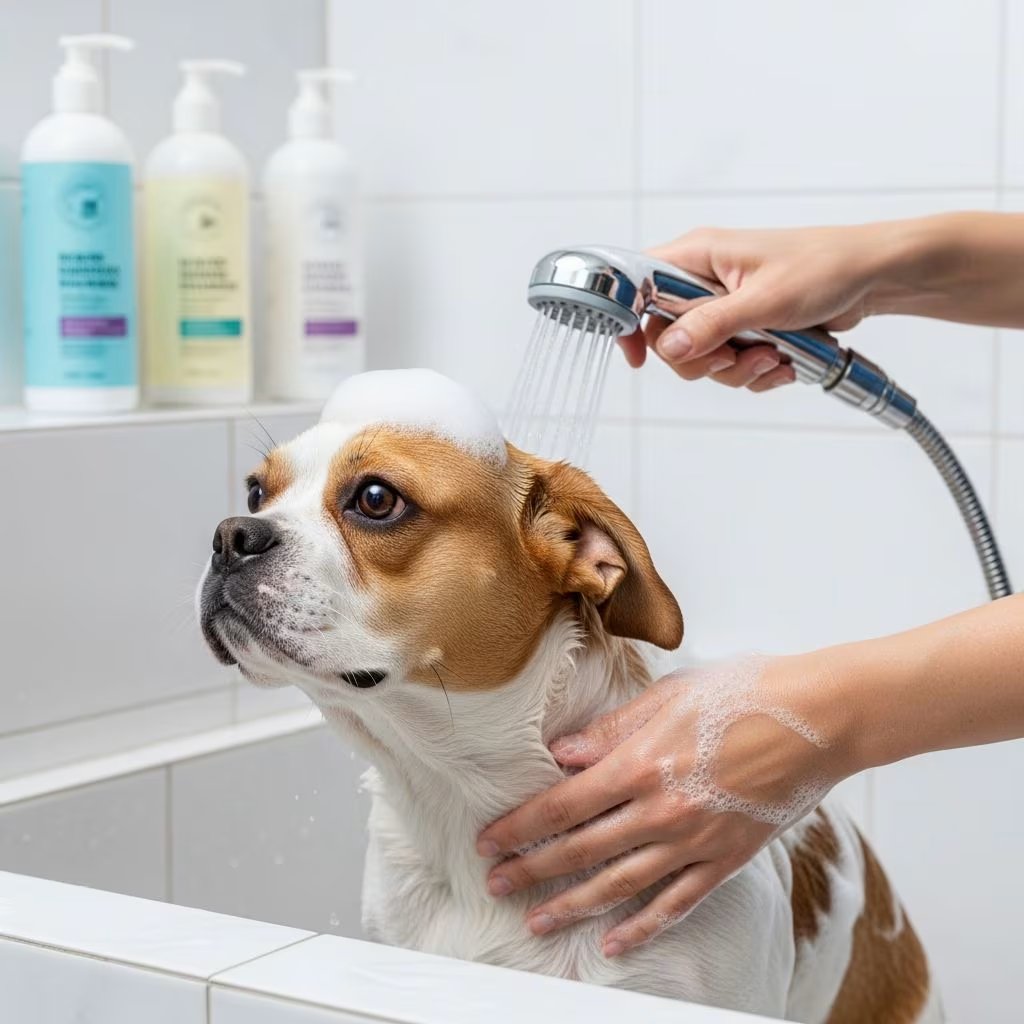
Medicated shampoos serve as targeted treatments for various dermatological problems in pets, particularly dogs and cats, by incorporating active pharmaceutical ingredients that combat infections, reduce inflammation, and alleviate itching.These products are regulated by the FDA for their drug components, making them essential tools in veterinary care for conditions like bacterial overgrowth, yeast dermatitis, and allergic reactions.
Understanding the Role of Medicated Shampoos in Pet Care
Pet skin differs significantly from human skin, with a more neutral pH that human products can disrupt, leading to dryness, irritation, and increased susceptibility to infections. Medicated shampoos are formulated specifically for this delicate balance, providing therapeutic benefits beyond basic cleansing. They target underlying pathogens and soothe symptoms, often prescribed alongside oral medications for comprehensive treatment.
Historically, the pet medicated shampoo market has expanded rapidly since the 1990s, driven by over-the-counter availability and e-commerce growth. This surge coincides with more pet owners turning to these products for quick relief from chronic skin issues, though long-term use without veterinary oversight can lead to complications.
Common Skin Conditions Requiring Medicated Shampoos
Several prevalent issues prompt the use of these specialized shampoos:
- Bacterial Infections: Manifest as red, pustular skin, hair loss, and foul odors. Antibacterial agents in shampoos help control these secondary invaders.
- Yeast and Fungal Infections: Cause greasy, smelly skin, especially in skin folds. Antifungals like ketoconazole address these overgrowths effectively.
- Allergies and Atopy: Environmental or food-related triggers lead to intense itching and inflammation. Medicated baths remove allergens and calm the skin barrier.
- Parasitic Infestations: Mites or fleas exacerbate dermatitis; shampoos with antiparasitic properties aid in management.
- Seborrhea and Dandruff: Flaky, oily skin responds to keratolytic ingredients that exfoliate and normalize skin turnover.
For mild cases, shampoos alone may suffice, but severe infections often require combined therapy with antibiotics or antifungals.
Key Active Ingredients and Their Functions
Medicated shampoos feature potent actives tailored to specific needs. Here’s a breakdown:
| Ingredient | Primary Function | Common Uses |
|---|---|---|
| Chlorhexidine | Antiseptic and antibacterial | Bacterial pyoderma, wound cleaning |
| Ketoconazole or Miconazole | Antifungal | Yeast dermatitis, ringworm |
| Hydrocortisone | Anti-inflammatory steroid | Itching, allergic flares |
| Salicylic Acid | Keratolytic (exfoliant) | Dandruff, hyperkeratosis |
| Benzoyl Peroxide | Antibacterial, follicular flushing | Acne-like lesions, deep infections |
These ingredients work by disrupting microbial cell walls, reducing inflammation via hormone modulation, or promoting skin shedding to clear debris. Concentrations vary (e.g., 2-4% chlorhexidine), and FDA oversight ensures accurate labeling of these drugs.
Potential Risks and Side Effects of Medicated Shampoos
While effective, these shampoos are not without hazards, particularly from non-drug additives and improper use.The FDA regulates only active drugs, leaving other ingredients unchecked, which can introduce toxins.
- Skin Reactions: Irritation, dryness, or paradoxical worsening of itching from sensitivity.
- Systemic Effects: Absorption through damaged skin may cause vomiting, lethargy, or hormonal shifts from steroids.
- Toxic Additives: Surfactants like cocamidopropyl betaine, preservatives releasing formaldehyde (e.g., DMDM hydantoin, quaternium-15), and fragrances linked to allergies, dermatitis, and endocrine disruption.
- Eye and Mucous Membrane Irritation: Harsh formulas can cause corneal damage if rinsed inadequately.
- Environmental Concerns: Runoff contaminates waterways, harming aquatic ecosystems.
Overuse fosters resistance in bacteria and yeast, diminishing efficacy over time. Short-term application (e.g., twice weekly for 2-4 weeks) is ideal; chronic use demands root-cause investigation like allergy testing.
Proper Application Techniques for Maximum Efficacy
To harness benefits safely:
- Consult a Vet: Obtain a prescription or recommendation based on diagnosis.
- Pre-Bath Prep: Brush out tangles; use lukewarm water.
- Double Rinse Method: Wet thoroughly, apply shampoo, lather for 5-10 minutes (per label), rinse; repeat if directed.
- Contact Time: Allow actives to penetrate—essential for medicated efficacy.
- Post-Bath Care: Towel dry gently; avoid blow-drying unless specified. Monitor for redness (normal circulation boost) vs. adverse reactions.
- Frequency: Typically 1-2 times weekly; pair with routine shampoo for cleansing.
Improvement often appears within weeks; persistent issues warrant re-evaluation.
Alternatives to Traditional Medicated Shampoos
For milder cases or sensitive pets, consider:
- Oatmeal-Based Formulas: Soothe without drugs; ideal for allergies.
- Tea Tree or Natural Antiseptics: Gentle antimicrobial action.
- Holistic Blends: Herbal extracts free of synthetics, reducing toxicity risks.
- Dry Shampoos or Wipes: For spot treatment between baths.
Always verify compatibility with flea preventives. Preventive measures like hypoallergenic diets and regular grooming bolster skin health.
Choosing the Right Medicated Shampoo for Your Pet
Selection hinges on diagnosis, coat type, and sensitivities:
- Short-haired breeds: Opt for moisturizing add-ins.
- Long-coated: Ensure rinseability to prevent residue.
- Puppies/Seniors: Milder concentrations.
Read labels for FDA-regulated actives; avoid products with known irritants like artificial colors (FD&C Blue #1) or nitrosamine-formers.
Frequently Asked Questions (FAQs)
Can I use medicated shampoo as a regular bath product?
No. They lack cleansing power for dirt/oils; precede with routine shampoo.
How long should I leave medicated shampoo on my pet?
Follow label instructions, typically 5-15 minutes for therapeutic contact.
Is it safe for puppies or pregnant dogs?
Consult a vet; some actives may not be suitable.
What if my pet’s skin worsens after use?
Discontinue and seek veterinary advice—could indicate allergy or incorrect diagnosis.
Are natural alternatives as effective?
For mild issues, yes; severe cases need pharmaceuticals.
Long-Term Management Strategies
Beyond shampoos, address root causes:
- Allergy testing and immunotherapy.
- Dietary trials for food sensitivities.
- Environmental controls (e.g., air purifiers).
- Probiotics for gut-skin axis support.
Regular vet check-ups ensure sustained remission. The pet medicated shampoo market continues evolving, emphasizing safer formulations amid rising demand.
References
- Understanding Medicated Dog Shampoo and the Dangers of Toxic Ingredients — 4-Legger. 2023. https://www.4-legger.com/blogs/fetch-the-dog-blog/understanding-medicated-dog-shampoo-and-the-dangers-of-toxic-ingredients
- Shampoo For Your Pet – Which to Use and NOT Use — Preventive Vet. 2023. https://www.preventivevet.com/pets/dog-and-cat-shampoo-which-to-use
- Do You Need a Medicated Dog Shampoo? — PetMD. 2023. https://www.petmd.com/dog/grooming/do-you-need-medicated-dog-shampoo
- How to Bathe Dogs with Medicated Shampoo — VCA Animal Hospitals. 2023. https://vcahospitals.com/know-your-pet/how-to-bathe-dogs-with-medicated-shampoo
- Do You Really Need a Medicated Dog Shampoo? — 4-Legger. 2023. https://www.4-legger.com/blogs/fetch-the-dog-blog/do-you-really-need-a-medicated-dog-shampoo
- Pet Medicated Shampoo Market Trends and Forecast Analysis — Introspective Market Research. 2023. https://introspectivemarketresearch.com/reports/pet-medicated-shampoo-market/
- Medicated Shampoo or Dip for Dogs — WagWalking. 2023. https://wagwalking.com/treatment/medicated-shampoo-or-dip



