

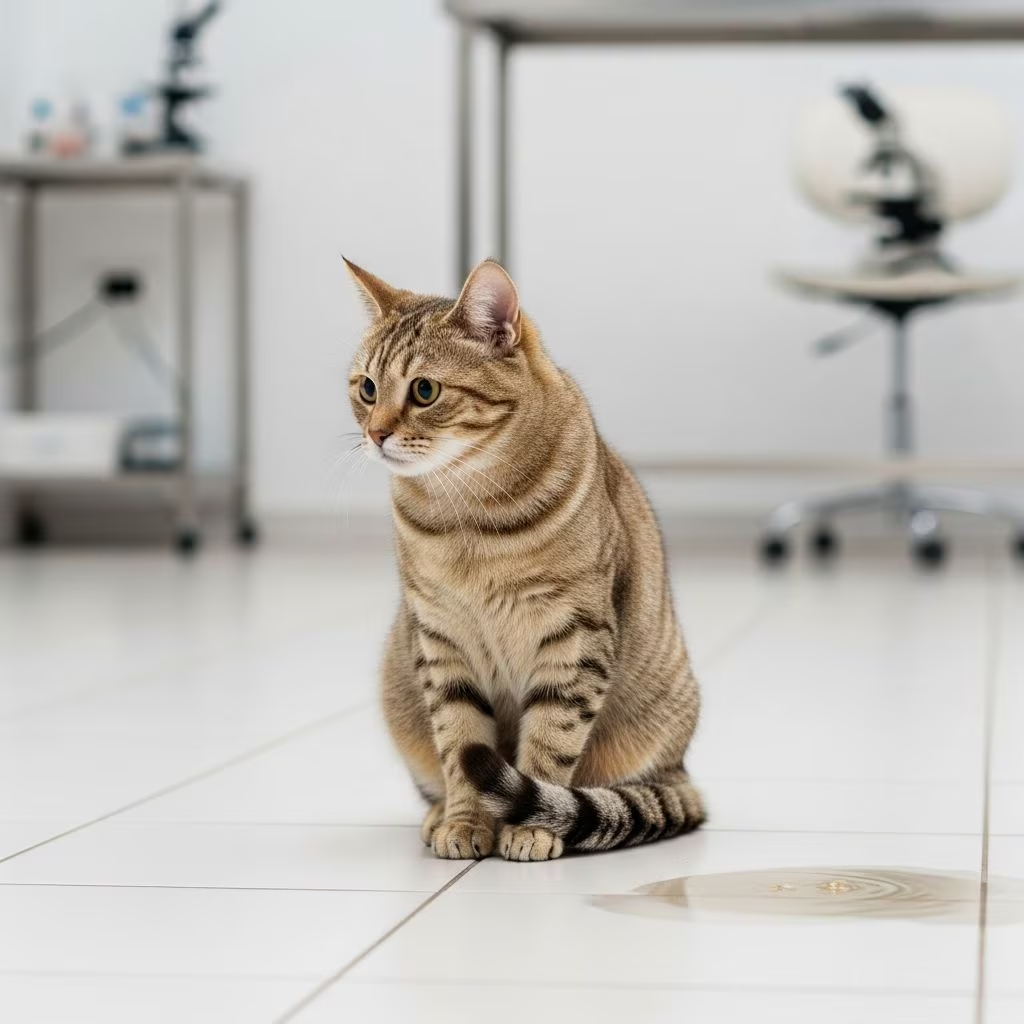
House soiling in cats, where they eliminate outside the litter box, often signals underlying medical problems rather than behavioral defiance. Conditions causing pain, urgency, or discomfort during elimination prompt cats to avoid the litter box, even after recovery, due to negative associations.Always consult a veterinarian first to rule out health issues before addressing behavioral factors.
Why Medical Issues Cause House Soiling
Cats instinctively hide illness, so house soiling may be the only visible sign of disease. Medical conditions increase urination or defecation frequency, volume, or pain, making the litter box uncomfortable. For instance, urinary tract diseases lead to frequent, urgent needs that cats can’t reach the box in time for, while mobility issues from arthritis prevent easy access.
Post-recovery aversion is common: a cat associating the box with pain may continue soiling elsewhere. Studies show litter box attributes are not primary risk factors compared to social and medical elements, emphasizing vet checks.
Common Medical Causes of Urinary House Soiling
Urinary issues top the list for house soiling, often life-threatening if ignored. Key conditions include:
- Urinary Tract Infections (UTIs) and Bacterial Cystitis: Cause painful, frequent urination with blood or straining. Cats may vocalize, lick genitals excessively, or release small urine amounts on walls.
- Bladder Stones or Crystals (Urolithiasis): Irritate the bladder, leading to urgency and discomfort. Common in males, risking blockages—a veterinary emergency.
- Feline Idiopathic Cystitis (FIC): Inflammation without infection, stress-linked, causing urgency and box avoidance. Multi-cat homes increase risk.
- Urinary Blockage: Males can’t urinate, leading to straining and distress. Symptoms: frequent attempts, vocalizing, blood in urine—seek immediate vet care.
Research identifies multi-cat households and outdoor access as risk amplifiers for marking or latrine behaviors, but medical exams are crucial regardless.
Medical Causes of Fecal House Soiling
Less common than urinary but equally disruptive, fecal soiling stems from gastrointestinal or mobility problems:
- Constipation or Megacolon: Hard stools cause pain, leading to box avoidance or incomplete evacuation.
- Colitis or Inflammatory Bowel Disease (IBD): Increases defecation frequency with diarrhea or urgency.
- Anal Sac Disease: Impact bowel control, causing leakage or discomfort.
- Diabetes or Hyperthyroidism: Boost drinking/urination but also affect bowels via increased metabolism.
Systemic Diseases Contributing to House Soiling
Beyond direct elimination issues, whole-body conditions alter habits:
| Condition | Symptoms Leading to Soiling | Risk Factors |
|---|---|---|
| Chronic Kidney Disease (CKD) | Increased thirst/urination volume overwhelms box access. | Older cats, poor hydration. |
| Diabetes Mellitus | Excessive urination (polyuria), incontinence-like effects. | Obesity, age. |
| Hyperthyroidism | Heightened metabolism increases elimination frequency. | Senior cats. |
| Arthritis or Mobility Issues | Pain/stiffness prevents entering high-sided boxes. | Aging, obesity. |
| Liver Disease | Alters urination patterns via toxin buildup. | Variable. |
Age-related cognitive decline mimics incontinence, with cats forgetting box locations.
Diagnosing Medical Causes
Step one: Veterinary exam. Expect:
- Physical check for pain, dehydration, obesity.
- Urinalysis for infections, crystals, blood.
- Bloodwork for kidney, thyroid, diabetes markers.
- Imaging (X-rays, ultrasound) for stones, tumors.
- Fecal analysis for parasites, colitis.
Distinguish spraying (vertical, small amounts) from puddles via observation or cameras. Individual signs poorly predict diagnosis; holistic assessment needed.
Treatment and Management
Treatment targets the root:
- Antibiotics/Anti-inflammatories: For UTIs/FIC.
- Diet Changes: Prescription foods dissolve crystals, manage IBD/diabetes.
- Pain Relief: NSAIDs for arthritis; mobility aids like low boxes.
- Fluid Therapy/Surgery: For blockages, stones.
- Medications: Anti-anxiety drugs aid spraying but pair with environmental tweaks; monitor side effects.
Post-treatment, rebuild box trust gradually. Studies show social factors like multi-cat tension persist, so combine medical fixes with behavior plans.
Preventing Recurrence
- Multiple boxes (one per cat +1), low-sided for seniors.
- Stress reduction: pheromone diffusers, routine stability.
- Regular vet checkups, especially for seniors.
- Weight management to curb diabetes/arthritis.
Frequently Asked Questions (FAQs)
Q: Is house soiling always medical?
A: No, but rule out medical first—up to 70% of cases have health links. Social stressors like multi-cat homes contribute too.
Q: How do I know if it’s a urinary emergency?
A: Straining without urine, vocalizing, excessive licking, blood—rush to vet immediately.
Q: Will medication alone fix it?
A: Rarely; combine with litter tweaks and environment changes. Anti-anxiety helps spraying most.
Q: Why does my recovered cat still avoid the box?
A: Pain association lingers; use positive reinforcement and clean boxes.
Q: Are older cats more prone?
A: Yes, due to CKD, arthritis, hyperthyroidism. Annual exams essential.
Conclusion: Act Promptly for Your Cat’s Health
House soiling distresses owners but often resolves with vet intervention. Prioritize medical evaluation to restore your cat’s comfort and cleanliness.
References
- Cat Behaviour Guide House Soiling in Cats — Edmonton Humane Society. 2024-12-01. https://www.edmontonhumanesociety.com/wp-content/uploads/2024/12/2024-house-soiling-in-cats-EHS-Resources.pdf
- Common Risk Factors for Urinary House Soiling (Periuria) in Cats — PMC (PubMed Central). 2018-06-01. https://pmc.ncbi.nlm.nih.gov/articles/PMC5985598/
- Cat Behavior Problems: House Soiling — Humane Society of Harrisburg Area. 2020-01-01. https://humanesocietyhbg.org/wp-content/uploads/2020/01/ResourceLibrary-Cat-HouseSoiling.pdf
- Cat Behavior Problems — House Soiling — Humane Society of Missouri. 2023-01-01. https://hsmo.org/portfolio-item/cat-behavior-problems-house-soiling/
- Feline Behavior Problems: House Soiling — Cornell University College of Veterinary Medicine. 2023-01-01. https://www.vet.cornell.edu/departments-centers-and-institutes/cornell-feline-health-center/health-information/feline-health-topics/feline-behavior-problems-house-soiling



