

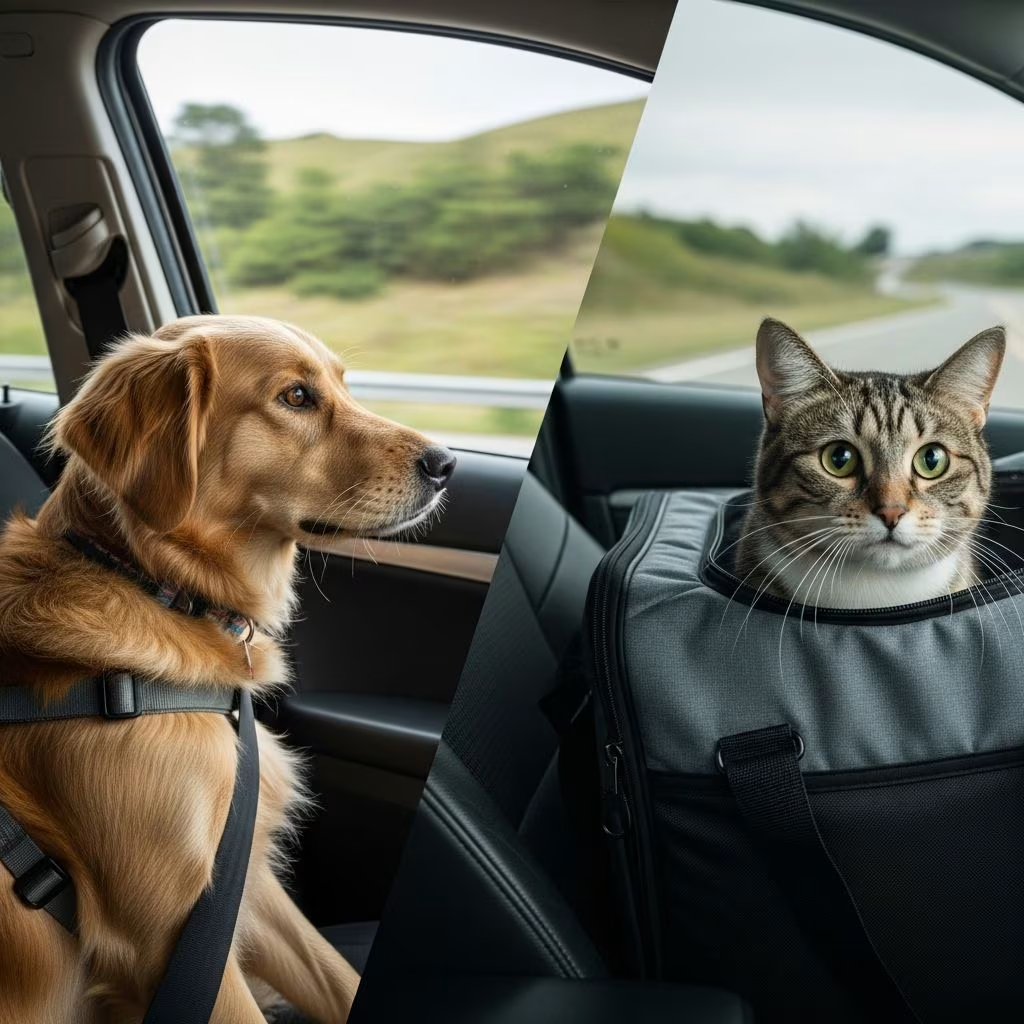
Meclizine for Dogs and Cats: Motion Sickness and Vestibular Disease Treatment
Motion sickness and vestibular disorders can significantly impact your pet’s quality of life, making car rides stressful and preventing them from enjoying activities with their families. Meclizine is a commonly prescribed medication that veterinarians use to help manage these conditions in both dogs and cats. As a first-generation antihistamine, meclizine works by targeting the vestibular system in the inner ear, helping to reduce nausea, dizziness, and other symptoms associated with motion sickness and inner ear disorders. Understanding how meclizine works, proper dosing, potential side effects, and important safety considerations can help you make informed decisions about your pet’s health and well-being.
What is Meclizine?
Meclizine is an antihistamine that inhibits stimulation of the vestibular system of the brain. The vestibular system is located within the inner ear and is responsible for detecting motion and maintaining balance. Excessive or overstimulation of the vestibular system can result in dizziness, nausea, and stumbling. By reducing this overstimulation, meclizine helps prevent and alleviate the symptoms associated with motion sickness and vestibular disease.
This medication is available over the counter for human use under brand names such as Bonine® and Antivert®, though it is not officially approved for use in animals by the Food and Drug Administration. However, veterinarians can legally prescribe it as an extra-label drug to treat pets experiencing motion sickness or vestibular disorders. No veterinary formulations of meclizine are currently available, so veterinarians recommend using the human formulations under their supervision.
How Does Meclizine Work?
Meclizine functions as a piperazine-derivative antihistamine that interrupts the signal from the vestibular system to the portion of the brain that controls vomiting. When a pet travels in a moving vehicle or experiences inner ear problems, the vestibular system sends signals that can trigger nausea and vomiting responses. By blocking these signals, meclizine reduces nausea, prevents vomiting, and helps your pet feel more comfortable during travel or while dealing with vestibular disease. The medication takes effect quickly, typically within one to two hours of administration.
Uses of Meclizine for Dogs and Cats
Veterinarians prescribe meclizine for several conditions affecting both dogs and cats:
Motion Sickness Prevention
The most common use for meclizine is to reduce symptoms associated with motion sickness in dogs or cats. Many pets experience nausea, vomiting, and general discomfort during car rides or travel. By administering meclizine before travel, pet owners can help their companions feel more comfortable and reduce anxiety associated with car rides.
Vestibular Disease Treatment
Meclizine can also be used to help with nausea unrelated to motion sickness, such as that related to inner ear (vestibular) disease. Vestibular disease, sometimes called “old dog syndrome,” causes dizziness, loss of balance, and nausea. This condition is particularly common in senior dogs and can significantly impact their quality of life. Meclizine helps manage the associated symptoms, allowing affected pets to maintain better quality of life.
Dosing Information for Dogs and Cats
Proper dosing is essential for the safe and effective use of meclizine in your pet. Medication should never be administered without first consulting your veterinarian, as individual pet needs may vary based on size, age, health status, and the condition being treated.
Standard Dosing Guidelines
For dogs, a common dose is 25 mg per dog once daily. The recognized dosage range in dogs is 12.5 mg to 50 mg per 25 lbs bodyweight given every 8 to 24 hours. For cats, 12.5 mg total dose per cat once daily is the standard recommendation. According to veterinary manuals, therapeutic doses for cats range from 6.25 to 12.5 mg per cat every 24 hours.
Dosing for Puppies
Puppies require adjusted dosing based on their weight. For puppies under ten pounds, administer 6.25 to 12.5 mg (1/4 to 1/2 tablet if using a 25 mg tablet). For puppies weighing ten to twenty pounds, give 12 to 25 mg (1/2 to 1 tablet if using a 25 mg tablet). For puppies over twenty pounds, one whole 25 mg tablet is appropriate.
Duration of Treatment
The duration of administration depends on the condition being treated, response to the medication, and the development of any adverse effects. Be certain to complete the prescription unless specifically directed by your veterinarian. Even if your pet feels better, the entire treatment plan should be completed to prevent relapse. For motion sickness prevention during a single trip, meclizine is given once before travel. For vestibular disease, your pet may require daily medication for an extended period.
How is Meclizine Given?
Meclizine is given by mouth in the form of a tablet. It can be given with or without food; however, giving this medication with a treat or small meal may help prevent vomiting. This is particularly helpful for pets that have sensitive stomachs or are prone to digestive upset.
Administration for Motion Sickness Prevention
If using this medication to prevent motion sickness during travel, give the medication at least 30-60 minutes prior to travel. The anti-nausea effects typically last three to six hours. For pets that refuse to take pills, you can dissolve the tablet in a small amount of water and administer it using a liquid medication syringe. Never give your pet two doses at once or give extra doses.
Administration for Vestibular Disease
If your dog is taking meclizine for vestibular disease, you will likely be giving the medication daily. Your vet will tell you how often you can give your dog meclizine—usually either once or twice a day. Plus, your vet will instruct you about how long to give the meclizine for your dog’s vertigo. Sometimes your dog will only need meclizine for a short time. But in other situations, your dog may end up being on meclizine long-term.
Potential Side Effects
While meclizine is generally safe for use in pets, it may cause certain side effects. Meclizine may cause sedation or drowsiness in some pets. This is typically not a serious concern and often diminishes as the pet’s body adjusts to the medication. Other possible side effects may include dry mouth, urinary retention, or mild gastrointestinal upset. Most side effects are mild and temporary, but you should contact your veterinarian if your pet experiences any concerning symptoms or if side effects persist.
Risk Factors and Contraindications
Meclizine should not be used in pets that are allergic to it. Before administering this medication, inform your veterinarian of any known allergies or previous adverse reactions to antihistamines.
Conditions Requiring Caution
Meclizine should be used with caution in pets that have certain medical conditions:
- Prostatic hypertrophy (enlarged prostate)
- Bladder neck obstruction
- Severe heart failure
- Angle-closure glaucoma
- Pyloroduodenal obstruction (obstruction between the stomach and small intestine)
- Pregnancy or nursing
Pregnant dogs should not receive meclizine as it caused birth defects in laboratory animals. Nursing dogs should also avoid this medication as it may reduce milk supply. Additionally, if your dog has spinal disease and is experiencing trouble urinating, meclizine should be avoided.
Drug Interactions
Meclizine may interact with certain medications. Inform your veterinarian if your pet is taking fluoxetine (Prozac®), metoclopramide, cisapride, other antihistamines, tricyclic antidepressants, or sedatives. Your veterinarian will determine whether meclizine is safe to use alongside these medications or if adjustments are necessary.
Allergy Testing Considerations
This medication may interfere with allergy skin testing. If your pet is scheduled for allergy testing, discontinue meclizine administration 3-7 days before the test to ensure accurate results.
Frequently Asked Questions
Q: Is meclizine approved for use in animals?
A: Meclizine is not officially approved by the Food and Drug Administration for use in animals. However, veterinarians can legally prescribe it as an extra-label drug to treat motion sickness and vestibular disease in dogs and cats.
Q: How quickly does meclizine work?
A: Meclizine takes effect quickly, typically within one to two hours of administration, with improvement in clinical signs following shortly thereafter.
Q: Can I buy meclizine without a prescription?
A: While meclizine is available over the counter for human use, it should not be administered to pets unless under the supervision and guidance of a veterinarian.
Q: How long will my pet need to take meclizine?
A: The duration depends on the condition being treated. For motion sickness prevention during travel, it’s a single dose. For vestibular disease, treatment duration varies and should be determined by your veterinarian.
Q: Can meclizine be given with food?
A: Yes, meclizine can be given with or without food. However, giving it with a small meal or treat may help prevent vomiting and gastrointestinal upset.
Q: What should I do if I accidentally give my pet a double dose?
A: Never give your pet two doses at once or give extra doses. If you accidentally administer a double dose, contact your veterinarian or poison control immediately for guidance.
Q: Are there any breed-specific considerations for meclizine use?
A: Meclizine dosing is primarily based on weight and the condition being treated rather than breed. However, your veterinarian should be aware of any breed-specific health conditions your pet may have, as these could affect whether meclizine is appropriate.
References
- Meclizine (Bonine®, Antivert®) for Cats and Dogs — PetPlace.com. Accessed 2025. https://www.petplace.com/article/drug-library/drug-library/library/meclizine-bonine-antivert-for-cats-and-dogs
- Meclizine for Vestibular Disease in Dogs — Veterinary Neurology Training and Specialty Services. Accessed 2025. https://ntvs.my.site.com/s/article/How-to-use-Dramamine-or-Meclizine-for-Vestibular-Disease-in-Dogs
- Meclizine for Dogs: Solutions for Motion Sickness or Vertigo — Toe Grips. Accessed 2025. https://toegrips.com/meclizine-for-dogs/
- Motion Sickness — Milford Animal Hospital. Accessed 2025. https://www.milfordanimalhospital.com/motion-sickness
- Meclizine — VCA Animal Hospitals. Accessed 2025. https://vcahospitals.com/know-your-pet/meclizine
- Table: First-Generation Antihistamines — MSD Veterinary Manual. Accessed 2025. https://www.msdvetmanual.com/multimedia/table/first-generation-antihistamines
- Meclizine (NausX®) for Dogs and Cats — PetMD. Accessed 2025. https://www.petmd.com/pet-medication/meclizine-nausx-dogs-and-cats



