

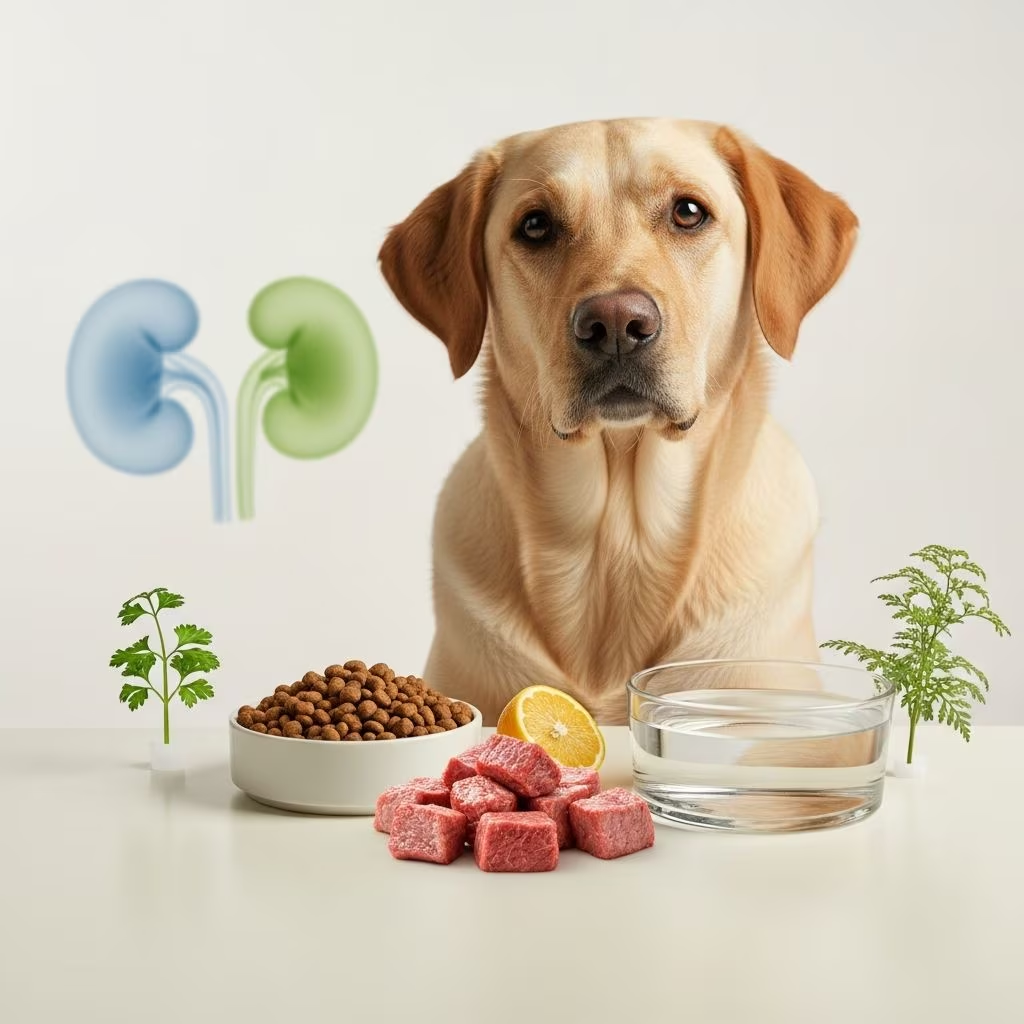
When feeding our canine companions, few topics generate as much concern among dog owners as the relationship between dietary choices and organ health. A common question that emerges is whether consuming meat, particularly certain types, can compromise your dog’s kidneys. Understanding this connection requires examining the scientific evidence, recognizing the differences between meat sources, and learning how to make informed nutritional decisions for your pet.
Understanding Canine Kidney Function and Disease
The kidneys serve as vital filtration organs in dogs, removing waste products from the bloodstream and maintaining proper fluid balance. When kidney function deteriorates, waste accumulates in the body, leading to a condition known as chronic kidney disease (CKD). This progressive condition becomes increasingly common as dogs age, affecting millions of pets worldwide.
Kidney disease in dogs can develop from various causes, including genetics, infections, toxins, high blood pressure, and certain dietary factors. However, the relationship between diet and kidney disease is complex and often misunderstood by pet owners.
The Role of Protein in Renal Function
Protein has long been central to discussions about kidney health in dogs. Traditional veterinary guidance once recommended restricting protein for dogs with kidney disease, based on the theory that lower protein intake would reduce the workload on damaged kidneys. However, contemporary research presents a more nuanced picture.
Recent studies demonstrate that the total amount of protein is less critical than the source and quality of that protein. Excessive protein restriction can actually harm dogs by contributing to muscle wasting and nutritional deficiencies. The key distinction lies in understanding which protein sources support kidney health and which may pose risks.
Red Meat Consumption and Kidney Disease Risk
Scientific investigation has identified a connection between red meat consumption and increased kidney disease risk in humans, with studies showing that individuals consuming the highest amounts of red meat demonstrated significantly elevated risks for developing end-stage renal disease (ESRD). These findings raise important questions about whether similar patterns exist in canine nutrition.
While direct research on dogs mirrors the human studies remain limited, the biochemical mechanisms identified in human studies provide valuable insights for understanding potential risks in our pets:
- Dietary acid load: Red meat metabolism produces greater acid in the body, which studies have linked to increased kidney disease risk
- Advanced glycation end products (AGEs): When meat is cooked at high temperatures, it develops compounds that can adversely affect kidney function
- High sodium content: Processed red meats often contain substantial sodium levels, which can stress kidney function and elevate blood pressure
- Phosphorus concentration: Red meats contain elevated phosphorus levels that require filtration by compromised kidneys
Processed Meat Products and Kidney Health Concerns
The distinction between fresh red meat and processed meat products becomes particularly important when examining kidney health. Processed meats such as hot dogs, bacon, deli meats, and canned products present additional concerns beyond those associated with unprocessed red meat.
Processed meats contain added sodium and nitrates for preservation purposes. These additives can be particularly problematic for dogs with existing kidney compromise, as damaged kidneys struggle to regulate sodium balance effectively. Additionally, the combination of high sodium, nitrates, and phosphorus in processed meats creates a compound burden on renal function.
Research indicates that processed red meat consumption carries substantially greater risk than unprocessed varieties, with studies showing a 99% increased odds of chronic kidney disease in humans with highest processed meat intake compared to lowest intake.
Alternative Protein Sources for Kidney-Conscious Dogs
For dog owners concerned about kidney health, exploring alternative protein sources offers a practical approach to supporting renal function. Research on dietary substitution demonstrates that replacing red meat with other protein sources can provide meaningful protection.
Consider these kidney-supportive protein alternatives:
- Poultry: Chicken and turkey provide high-quality protein with lower phosphorus and acid content than red meat
- Fish: Particularly fatty fish like salmon contain omega-3 fatty acids that support kidney health and reduce inflammation
- Plant-based proteins: Legumes, lentils, and whole grains offer base-producing proteins that reduce dietary acid load
- Low-fat dairy: When appropriate for individual dogs, low-fat dairy products provide amino acids with reduced kidney burden
- Eggs: Offer complete protein with excellent digestibility and controlled phosphorus levels
Research on human subjects indicates that replacing one serving of red meat with legumes, nuts, whole grains, or low-fat dairy was associated with decreased chronic kidney disease risk. While direct canine studies are limited, these principles likely apply to dog nutrition as well.
Cooking Methods and Kidney Impact
Beyond the meat type itself, how meat is prepared significantly influences its kidney effects. Cooking methods that involve high-temperature processing create advanced glycation end products (AGEs), compounds that research has linked to kidney damage.
Dogs consuming meat prepared through methods like grilling, pan-frying, or charring at high temperatures may be exposed to elevated AGE levels. In contrast, gentler cooking methods such as boiling, steaming, or slow-cooking produce fewer harmful compounds. For dogs with kidney concerns or at elevated risk, choosing appropriately prepared protein sources becomes an important consideration.
Individual Risk Factors and Susceptibility
Not every dog will develop kidney disease from meat consumption. Individual susceptibility depends on multiple factors that interact to determine overall kidney disease risk:
- Genetics: Certain breeds show higher predisposition to kidney disease
- Age: Senior dogs face elevated kidney disease risk
- Pre-existing conditions: Diabetes, hypertension, and other diseases increase kidney vulnerability
- Overall diet quality: Sodium, phosphorus, and mineral balance throughout the entire diet matters significantly
- Hydration status: Adequate water intake supports kidney filtration and function
- Body weight: Obesity increases strain on renal systems
Dogs with existing kidney disease or those at elevated risk require more careful dietary management than healthy dogs consuming typical amounts of red meat.
Reading Pet Food Labels for Kidney Health
Making informed dietary choices requires understanding how to evaluate pet food ingredient lists and nutritional information. When selecting foods for dogs concerned about kidney health, examine:
- Protein source ranking (ingredients are listed by weight)
- Phosphorus and sodium levels in guaranteed analysis
- Presence of processed meat ingredients
- AAFCO certification and appropriateness for life stage
- Absence of artificial additives and preservatives
Premium quality foods typically offer more controlled phosphorus and sodium levels compared to budget options, which often rely on processed meat by-products and excessive mineral supplementation.
Frequently Asked Questions About Meat and Canine Kidney Health
Can my dog eat red meat if they have kidney disease?
Dogs with diagnosed kidney disease can consume moderate amounts of high-quality, unprocessed red meat, but portion control and frequency matter significantly. Many veterinarians recommend prioritizing poultry and fish while minimizing red meat intake. Consultation with a veterinary nutritionist helps determine appropriate amounts for individual cases.
Is all processed meat dangerous for dogs with kidney concerns?
Processed meats present greater risks than fresh meat due to high sodium and nitrate content. Dogs with kidney disease should avoid or severely limit processed meat products, though occasional small amounts in otherwise balanced diets may not cause immediate harm.
How much protein does my dog actually need?
Adult dogs require minimum crude protein of 18% on a dry matter basis, while senior or kidney-compromised dogs may benefit from moderate protein levels around 14-18%. Rather than drastically reducing protein, focus on protein quality and appropriate phosphorus balance.
Should I switch my healthy dog to a kidney-protective diet?
Healthy dogs with no kidney disease risk factors can enjoy varied diets including moderate red meat consumption. However, maintaining overall dietary balance with adequate hydration, controlled sodium, and appropriate mineral ratios supports lifelong kidney health.
What are signs my dog might have kidney problems?
Early signs include increased thirst, increased urination, weight loss, lethargy, and poor coat condition. Any combination of these symptoms warrants veterinary evaluation including blood work and urinalysis.
Creating a Kidney-Supportive Diet for Your Dog
Developing appropriate nutrition for your dog involves balancing nutritional needs with kidney health considerations. A practical approach includes:
- Selecting high-quality protein sources with emphasis on poultry and fish
- Minimizing processed meat products and high-sodium ingredients
- Ensuring adequate hydration through fresh water access and moisture-rich foods
- Maintaining appropriate phosphorus levels through careful ingredient selection
- Incorporating antioxidant-rich vegetables and fruits
- Avoiding excessive mineral supplementation
- Regular veterinary monitoring of renal function through blood work
For dogs with diagnosed kidney disease, working with a veterinary nutritionist to develop a specifically formulated therapeutic diet often provides the best outcomes, as these diets are carefully balanced for kidney function while maintaining nutritional adequacy.
The Importance of Individual Assessment
While research increasingly documents links between certain dietary patterns and kidney disease risk, individual dogs respond differently to identical diets. Genetic predisposition, overall health status, activity level, and metabolic factors all influence how a particular dog processes various protein sources.
Rather than applying universal dietary rules, effective kidney health management involves assessing your individual dog’s circumstances, understanding their risk factors, and making evidence-based choices in consultation with veterinary professionals.
Moving Forward with Informed Choices
The relationship between meat consumption and kidney health in dogs is real but not absolute. Scientific evidence supports limiting red meat and processed meat products, particularly for dogs at elevated kidney disease risk or those with existing kidney compromise. However, healthy dogs can typically tolerate moderate amounts of high-quality, appropriately prepared meat as part of balanced diets.
Pet owners who prioritize kidney health can make meaningful dietary adjustments by emphasizing poultry and fish, avoiding processed meat products, selecting foods with controlled phosphorus and sodium levels, and ensuring adequate hydration. These evidence-based strategies support kidney function while maintaining nutritional adequacy throughout your dog’s life.
Understanding the nuances of meat’s impact on kidney health empowers dog owners to move beyond oversimplified dietary advice and make thoughtful nutritional decisions that support their individual pet’s long-term wellness.
References
- Chronic Kidney Disease Again Tied to High Consumption of Red Meat — Renal and Urology News. 2020. https://www.renalandurologynews.com/news/chronic-kidney-disease-again-tied-to-high-consumption-of-red-meat/
- Red and Processed Meat Increases Kidney Disease Risk — Physicians Committee for Responsible Medicine. 2020. https://www.pcrm.org/news/health-nutrition/red-and-processed-meat-increases-kidney-disease-risk
- Is Dietary Red Meat Kidney Toxic? — National Center for Biotechnology Information (NIH). 2016. https://pmc.ncbi.nlm.nih.gov/articles/PMC5198296/
- Red meat consumption linked to kidney failure — Medical News Today. 2016. https://www.medicalnewstoday.com/articles/311664
- Keep Your Kidneys Healthy: 5 Foods To Avoid — National Kidney Foundation. https://www.kidney.org/kidney-topics/keep-your-kidneys-healthy-5-foods-to-avoid
- Study: How you cook meat can affect your kidney cancer risk — MD Anderson Cancer Center. https://www.mdanderson.org/cancerwise/study-how-you-cook-meat-can-affect-your-kidney-cancer-risk.h00-158992179.html



