

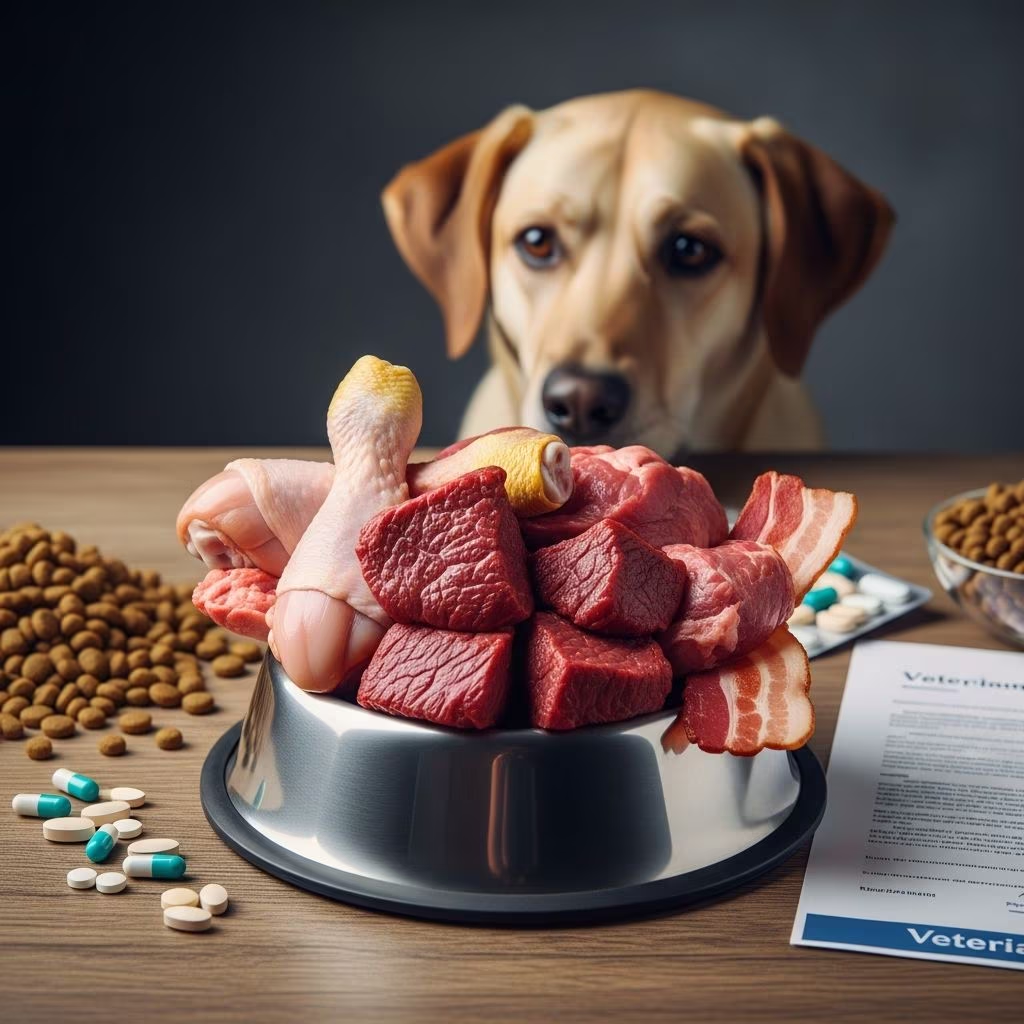
Many dog owners are drawn to the idea of feeding their pets an all-meat or predominantly meat-based diet, believing it mimics what wolves eat in the wild and provides superior nutrition compared to commercial kibble. However, this assumption overlooks critical differences between domestic dogs and their wild ancestors, as well as significant health risks associated with such feeding practices. Understanding the distinction between marketing claims and scientific evidence is essential for making informed decisions about your dog’s nutrition.
The Genetic Shift: Why Dogs Are Not Wolves
A fundamental misunderstanding underlying the appeal of all-meat diets stems from the belief that dogs are essentially domesticated wolves with identical nutritional requirements. This assumption is scientifically inaccurate. Dogs became genetically distinct from wolves thousands of years ago through a process of domestication alongside humans. During this evolutionary period, dogs developed the ability to digest and utilize a diverse range of food sources, including starches and vegetables, that wolves cannot efficiently process.
Genetic research published in peer-reviewed studies demonstrates that dogs have adapted over millennia to metabolize plant-based carbohydrates effectively. This adaptation means that a diet consisting exclusively of meat deprives dogs of nutrients they have evolved to obtain from diverse food sources. Contemporary canine nutrition should account for these genetic adaptations rather than attempting to recreate a wolfish diet that contradicts thousands of years of evolutionary change.
Bacterial Contamination and Pathogenic Risks
One of the most significant concerns with all-meat diets is the high likelihood of pathogenic bacterial contamination. Raw and undercooked meat commonly harbors disease-causing organisms that pose serious health threats to both dogs and their human companions.
Primary Bacterial Threats
- Salmonella: This bacterium is frequently present in raw meat products and can cause severe gastrointestinal illness. Research indicates that dogs fed raw meat diets have significantly elevated rates of Salmonella shedding in their feces. Troublingly, a 2011 study found that Salmonella strains isolated from raw-fed dogs often display antibiotic resistance, complicating treatment if infection occurs.
- Listeria monocytogenes: This pathogen causes foodborne illness and can be particularly dangerous for immunocompromised individuals in a household.
- E. coli: Multiple strains of this bacterium can cause severe gastrointestinal distress and systemic infection.
- Campylobacter: Direct links have been established between dogs fed raw chicken and campylobacter infection, demonstrating the significant pathogenic contamination risk associated with raw feeding practices.
The FDA and CDC have issued formal warnings against feeding raw meat-based diets to pets due to these documented contamination risks. While dogs’ stomach acid may neutralize some infectious bacteria before illness develops in the animal itself, this provides no guarantee of safety. Dogs can become asymptomatic carriers, shedding dangerous pathogens through their feces while appearing perfectly healthy.
Human Health Implications
Perhaps more concerning than risks to the dog itself are the documented threats to human household members. When a dog consumes contaminated raw meat, bacteria are subsequently shed in its feces, saliva, and potentially vomit. Family members who handle the dog, clean up after it, or fail to practice rigorous hygiene protocols face elevated infection risk. This concern is particularly acute for vulnerable populations including pregnant women, young children, elderly individuals, and immunocompromised persons.
Multiple veterinary organizations, including the Canadian Veterinary Medical Association, American Veterinary Medical Association, and American Animal Hospital Association, explicitly recommend against raw meat-based diets largely due to these documented human health risks.
Nutritional Imbalances and Deficiencies
Beyond bacterial contamination, all-meat diets frequently fail to provide balanced nutrition essential for canine health. One comprehensive analysis of 200 homemade raw diet recipes found that 95 percent contained at least one essential nutrient below the recommended minimum amount, with many recipes exhibiting multiple nutritional imbalances.
Common Nutritional Problems
| Nutrient Issue | Health Impact | Why It Occurs in All-Meat Diets |
|---|---|---|
| Mineral Imbalances | Bone disease, metabolic dysfunction | Meat lacks proper calcium-to-phosphorus ratios |
| Vitamin Deficiencies | Immune suppression, neurological issues | Vitamins A, D, E not present in adequate quantities in muscle meat |
| Essential Amino Acid Gaps | Poor coat quality, muscle wasting | Limited variety in meat sources fails to provide complete amino acid profiles |
| Inadequate Fiber | Gastrointestinal dysfunction | Meat contains no dietary fiber |
Formulating a nutritionally complete home-prepared diet requires expertise in canine nutrition science. The complexity of balancing macronutrients and micronutrients to meet AAFCO (Association of American Feed Control Officials) standards means that veterinary nutritionists should always be consulted before implementing any homemade feeding protocol.
Physical Injury Risks Associated with Bones
Many all-meat diet advocates include raw or partially cooked bones, believing they provide nutritional benefits and promote dental health. However, bones present multiple serious injury risks that warrant veterinary concern.
Documented Complications
- Fractured or broken teeth from chewing on hard bone material
- Penetration of the digestive tract by bone splinters or fragments
- Gastrointestinal impaction requiring emergency surgical intervention
- Foreign body obstruction necessitating exploratory surgery
Veterinary surgical records document numerous cases requiring intensive care and risky exploratory procedures to remove bone fragments lodged in the gastrointestinal tract of dogs fed raw diets. These complications carry substantial costs, recovery time, and potential for serious complications including peritonitis or sepsis.
Claimed Benefits vs. Scientific Evidence
Proponents of all-meat diets frequently cite several purported health benefits including improved coat quality, reduced body odor, cleaner teeth, and smaller stool volume. While some dog owners report subjective improvements in these areas, scientific evidence provides a more nuanced picture.
Research Findings on Claimed Benefits
A peer-reviewed study examining clinical health markers in dogs fed raw meat-based diets versus kibble found that while integument (skin and coat) health showed modest improvement in raw-fed dogs, this advantage was not clinically significant. Additionally, the widely cited benefits of improved dental health were not supported by objective measurement in the study—no difference in dental scores was observed between raw-fed and kibble-fed dogs when evaluated by blinded veterinary assessors.
The study did note some biochemical differences, including lower alkaline phosphatase activity and altered globulin concentrations in raw-fed dogs, though the clinical relevance of these findings remains unclear and requires further investigation.
Most importantly, the research concluded that there are limited data supporting clinically relevant beneficial impacts in dogs fed raw meat diets compared to appropriate conventional cooked diets.
Gastrointestinal Complications Beyond Bacterial Infection
Beyond pathogenic bacterial contamination, all-meat diets can trigger gastrointestinal inflammation and dysfunction through their high fat content. Studies have documented that excessive dietary fat is a known cause of gastrointestinal tract inflammation in dogs, potentially leading to conditions such as pancreatitis or chronic inflammatory bowel disease.
Additionally, the absence of dietary fiber in all-meat diets can disrupt normal gastrointestinal function, affecting digestive transit time and microbial balance in the colon. While some owners report reduced stool volume on meat-based diets, this may reflect incomplete digestion or altered gut flora rather than optimal gastrointestinal health.
Professional Veterinary Organization Positions
Major veterinary organizations worldwide have examined the scientific evidence regarding all-meat and raw meat-based diets and issued formal position statements recommending against these feeding practices:
- The American Veterinary Medical Association (AVMA) recommends against feeding raw meat-based diets
- The American Animal Hospital Association (AAHA) formally opposes raw meat-based feeding practices
- The Canadian Veterinary Medical Association (CVMA) finds compelling evidence for health risks to pets fed raw meat-based products
- The British Veterinary Association (BVA) has documented health risks surrounding raw meat feeding
- The FDA issued an official warning regarding public health risks of raw pet food diets
- The Delta Society’s Pet Partners Program excludes animals consuming raw meat-based diets from therapy animal programs due to disease transmission risk
These organizations base their recommendations on documented evidence of risks to animal health, human health, and broader public health concerns.
Regulatory and Safety Standards
Unlike commercial pet food manufacturers who must meet stringent AAFCO nutritional standards and FDA safety requirements, home-prepared and commercially produced raw diets are not subject to equivalent oversight or testing. The FDA conducted studies specifically comparing pathogenic contamination across pet food types and found that raw pet food was significantly more likely to be contaminated with disease-causing bacteria compared to other pet food categories.
Frequently Asked Questions
Q: Can dogs digest raw meat better than cooked meat?
A: Dogs can digest both raw and cooked meat, but cooking eliminates pathogenic bacteria that pose health risks. The digestive advantage some owners perceive may be attributable to other factors such as diet quality or individual animal variation rather than inherent superiority of raw meat digestion.
Q: Will feeding raw meat improve my dog’s dental health?
A: Despite common claims, scientific studies do not demonstrate superior dental health in raw-fed dogs compared to those consuming conventional diets. Professional dental cleanings and regular oral hygiene remain the evidence-based approaches to canine dental health.
Q: Is my dog a carrier of Salmonella from a raw meat diet?
A: Dogs fed raw meat diets have significantly elevated rates of Salmonella shedding. Your dog may appear healthy while transmitting this pathogen to household members or other animals, making this a particular concern for vulnerable individuals.
Q: What about commercially produced raw dog food?
A: While some commercial raw diets undergo testing, contamination risk remains elevated compared to cooked pet foods. Additionally, nutritional imbalances frequently occur even in commercial formulations. Consultation with a veterinary nutritionist is recommended before feeding any raw diet product.
Safer Nutritional Alternatives
If you wish to incorporate more meat into your dog’s diet or prepare homemade meals, consult with a veterinary nutritionist to develop balanced recipes that include appropriate proportions of protein, carbohydrates, healthy fats, vitamins, and minerals. Commercial diets formulated by veterinary nutrition specialists and meeting AAFCO standards provide a safer alternative while still offering meat as a primary ingredient. High-quality cooked diets eliminate bacterial contamination risks while maintaining nutritional completeness.
Conclusion: Making Informed Nutritional Decisions
While the concept of an all-meat diet appeals to the romantic notion of providing dogs with “natural” food, scientific evidence reveals significant risks outweighing claimed benefits. Documented bacterial contamination, nutritional imbalances, gastrointestinal complications, and potential harm to human household members represent substantial concerns that cannot be dismissed. Professional veterinary organizations worldwide recommend against these feeding practices based on comprehensive risk assessment.
Dog owners seeking to provide optimal nutrition should consult with veterinary professionals, particularly veterinary nutritionists, to develop feeding protocols appropriate for their individual dog’s age, health status, and nutritional needs. Well-formulated commercial diets or professionally designed home-prepared cooked diets represent safer alternatives that can incorporate meat while maintaining nutritional adequacy and safety standards.
References
- The Risks and Benefits of Raw Meat Diets for Dogs — PetMD. 2014-03. https://www.petmd.com/blogs/nutritionnuggets/dr-coates/2014/march/risks-and-benefits-raw-meat-diets-dogs-31455
- Raw Diet Poses Health Risks — Jones Veterinary Clinic. https://jonesvetclinic.com/raw-diet/
- Dangers of Raw Diets for Dogs — Hill’s Pet Nutrition. https://www.hillspet.com/dog-care/nutrition-feeding/dangers-of-raw-diets-for-dogs
- Clinical health markers in dogs fed raw meat-based or commercial kibble diets — National Center for Biotechnology Information (NCBI). 2021. https://pmc.ncbi.nlm.nih.gov/articles/PMC8174467/
- Safety of Raw Meat-Based Pet Food Products — Canadian Veterinary Medical Association (CVMA). https://www.canadianveterinarians.net/policy-and-outreach/position-statements/statements/safety-of-raw-meat-based-pet-food-products/
- Raw Pet Food Diets can be Dangerous to You and Your Pet — U.S. Food and Drug Administration (FDA). https://www.fda.gov/animal-veterinary/animal-health-literacy/get-facts-raw-pet-food-diets-can-be-dangerous-you-and-your-pet
- Raw foods for dogs: Evidence-based advice from the Riney Canine Health Center — Cornell University College of Veterinary Medicine. https://www.vet.cornell.edu/departments-centers-and-institutes/riney-canine-health-center/canine-health-topics/raw-foods-dogs-evidence-based-advice-riney-canine-health-center



