

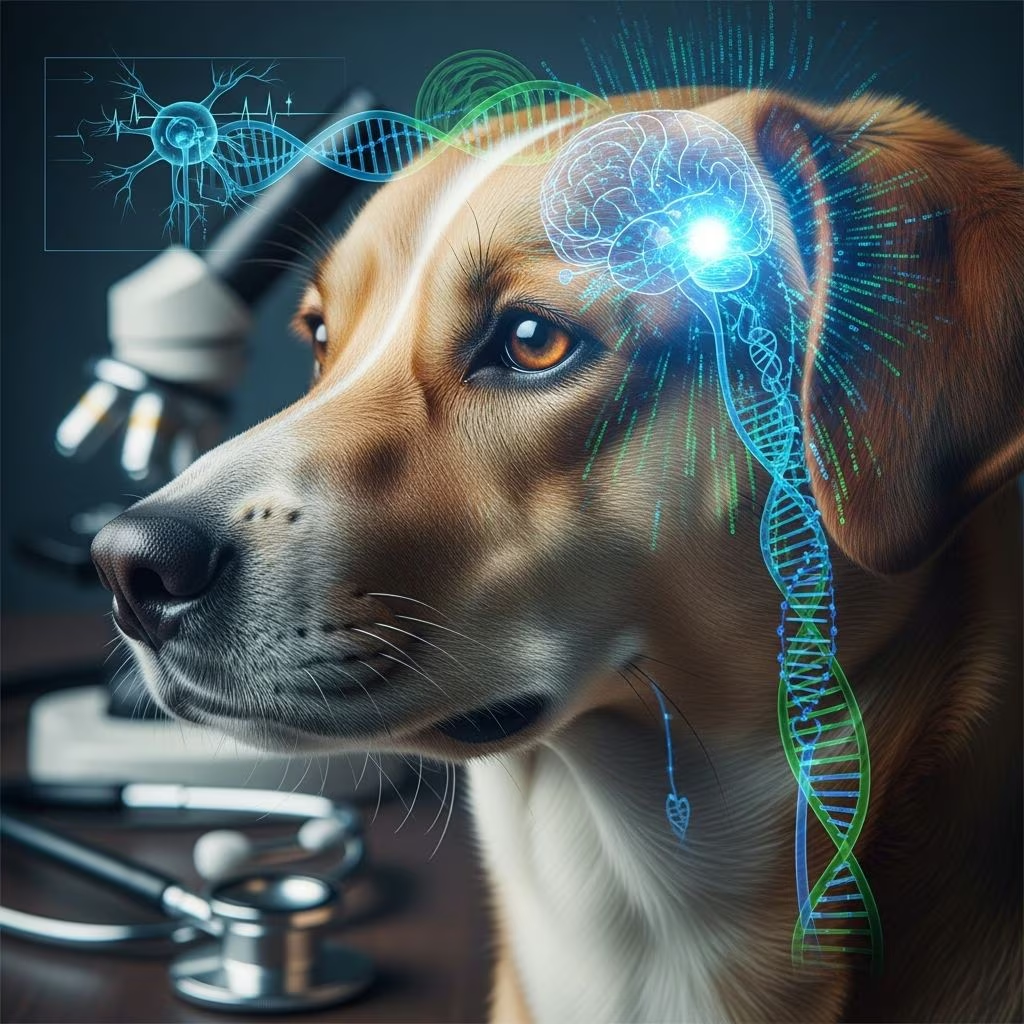
Understanding the MDR1 Gene Mutation in Dogs
The MDR1 gene mutation is a significant genetic condition that affects thousands of dogs worldwide, particularly those from herding breed lineages. This inherited disorder causes affected dogs to have severe reactions to certain medications that would normally be safe at standard doses. Understanding this mutation is crucial for dog owners and veterinarians to ensure proper medical management and prevent potentially life-threatening drug toxicity.
In 2001, a groundbreaking discovery by veterinary pharmacologists revealed that numerous herding-breed dogs carried a genetic mutation in the MDR1 gene, also known as the ABCB1 gene. This mutation fundamentally alters how a dog’s body processes and eliminates certain medications, leading to dangerous accumulation of drugs in the bloodstream and brain.
What Is the MDR1 Gene and How Does It Work?
The MDR1 gene is responsible for producing a protective protein called P-glycoprotein (P-gp), which plays a vital role in protecting the body from harmful substances. Under normal circumstances, P-glycoprotein works as a defense mechanism by actively removing drugs and toxins from the brain and other sensitive organs. It also helps eliminate medications from the body after they have completed their therapeutic purpose.
The blood-brain barrier is a sophisticated network of tightly connected blood vessels and cells designed to prevent harmful substances from entering the brain. P-glycoprotein is one of the key mechanisms that maintains this protective barrier. However, when dogs have the MDR1 mutation, the P-glycoprotein becomes defective or severely reduced in function.
The specific mutation involves a 4-base pair deletion at nucleotide position 230 in the fourth exon of the MDR1 gene, scientifically designated as MDR1 nt230(del4). This deletion causes a shift in the reading frame that produces a premature stop codon, resulting in a severely shortened and nonfunctional P-glycoprotein protein. Without adequate functioning P-glycoprotein, affected dogs cannot properly eliminate certain medications, and these drugs can cross into the brain, causing serious neurological damage.
Inheritance Patterns and Genetic Status
The MDR1 mutation is hereditary and follows predictable inheritance patterns. Each dog inherits two copies of the MDR1 gene, one from each parent. Understanding these inheritance patterns helps predict which dogs are at risk and which dogs may pass the mutation to offspring.
There are three possible genetic statuses for dogs:
- Homozygous (+/+): Dogs with two normal copies of the gene have no risk of MDR1-related drug sensitivity and cannot pass the mutation to offspring.
- Heterozygous (+/–): Dogs carrying one normal copy and one mutated copy are carriers of the mutation. These dogs may show some effects of drug sensitivity, though typically less severe than homozygous affected dogs. Heterozygous dogs have a 50% chance of passing the defective gene to their offspring.
- Homozygous (–/–): Dogs with two copies of the mutated gene are most severely affected by MDR1 drug sensitivity. These homozygous dogs will exhibit strong reactions to P-glycoprotein substrates and will always pass the gene to their offspring.
The toxicity risk directly correlates with the number of mutant alleles present. Homozygous dogs develop more severe clinical signs from drug intoxication compared to heterozygous dogs, and affected dogs may experience life-threatening reactions even at standard therapeutic doses.
Which Dog Breeds Are Affected?
While the MDR1 mutation was originally identified in Collies, it has since been discovered in numerous other breeds, particularly those with herding ancestry. Interestingly, all dogs affected by the MDR1 mutation are believed to be descendants of a single dog that lived in Great Britain before breed isolation.
The most commonly affected breeds include:
- Collies (approximately 70% of tested Collies carry the mutation)
- Australian Shepherds and Miniature Australian Shepherds (approximately 50% affected)
- Shetland Sheepdogs
- Old English Sheepdogs
- Border Collies
- Long-haired Whippets
- Silken Windhounds
- McNab Shepherds
- English Shepherds
- German Shepherds
- White Swiss Shepherds
- Thai Ridgeback dogs
Research has shown significant variation in mutation frequency among breeds. In a study of herding breeds in Thailand, Rough Collies showed the highest mutant allelic frequency at 57.14%, followed by Australian Shepherds at 12.82%, Shetland Sheepdogs at 11.28%, and Old English Sheepdogs at 8.33%.
Medications That Pose Risks to Dogs with MDR1 Mutation
Dogs with MDR1 mutations are sensitive to the toxic effects of numerous medications that are normally safe for unaffected dogs. These medications are classified as P-glycoprotein substrates, meaning they are normally eliminated from the body by functioning P-glycoprotein. When this protective mechanism fails, drug levels become dangerously high.
High-Risk P-glycoprotein Substrate Medications:
- Antiparasitic drugs: Ivermectin, moxidectin, and doramectin—used for treating heartworm and internal parasites
- Anti-motility agents: Loperamide (Imodium), used for treating diarrhea
- Cardiac medications: Digoxin, used for heart conditions
- Anesthetic agents: Acepromazine, used for sedation
- Anti-nausea medications: Ondansetron (Zofran)
- Chemotherapy drugs: Vincristine, vinblastine, and doxorubicin
- Other medications: Apomorphine and various non-specific P-glycoprotein substrates
Among these, ivermectin is particularly notorious for causing severe reactions in affected dogs. Many Collie owners are aware that ivermectin-based heartworm preventatives can be dangerous for their dogs when used at non-FDA-approved doses.
Clinical Signs of Drug Toxicity
When dogs with MDR1 mutations are exposed to dangerous medications, they can experience a range of clinical signs varying from mild to severe and life-threatening. These symptoms typically appear within hours to days of medication administration.
Neurological Symptoms:
- Tremors and muscle twitching
- Loss of coordination and ataxia
- Seizures
- Blindness or vision problems
- Disorientation and confusion
- Coma (in severe cases)
- Death (in untreated severe cases)
Gastrointestinal and General Symptoms:
- Excessive drooling
- Nausea and vomiting
- Diarrhea
- Loss of appetite
- Lethargy and depression
- Prolonged sedation
- Weakness
The severity of symptoms depends on several factors, including the specific drug involved, the dose administered, the dog’s body weight, the dog’s genetic status (homozygous versus heterozygous), and the individual dog’s sensitivity. Some heterozygous dogs may show only mild symptoms, while homozygous dogs typically experience severe reactions.
Testing for MDR1 Gene Mutation
Genetic testing is the only definitive way to determine whether a dog carries the MDR1 mutation. Testing is particularly important for dogs of at-risk breeds, especially those intended for breeding programs. The information obtained from testing has dual purposes: it helps veterinarians make appropriate medical management decisions for affected dogs and identifies dogs that could potentially pass the mutation to offspring.
Several veterinary laboratories offer MDR1 testing, including the Veterinary Clinical Pharmacology Laboratory (VCPL) at Washington State University, which was instrumental in the original discovery of the mutation. More recently, the Veterinary Genetics Laboratory at UC Davis and other facilities have made testing more accessible to pet owners.
Testing typically involves a simple blood sample or buccal swab that is sent to the laboratory for genetic analysis. Results clearly indicate whether the dog is homozygous normal (+/+), heterozygous (+/–), or homozygous affected (–/–).
Managing Dogs with MDR1 Mutations
Dogs with MDR1 mutations can live normal, healthy lives with proper management and precautions. The key to successful management is awareness and communication with your veterinarian.
Essential Management Steps:
- Inform your veterinarian: Always inform your veterinarian about your dog’s MDR1 status before administering any medications.
- Request alternative medications: Many medications have safer alternatives for MDR1-affected dogs. Your veterinarian can suggest appropriate substitutes.
- Adjust dosing: For some medications that must be used despite MDR1 status, dosage adjustment may be possible to reduce toxicity risk.
- Use FDA-approved heartworm preventatives: Several heartworm prevention medications are safe for MDR1-affected dogs when used at FDA-approved doses.
- Maintain updated medical records: Keep copies of your dog’s MDR1 test results and share them with all veterinary providers.
- Emergency precautions: Inform emergency veterinary clinics about your dog’s MDR1 status in case of accidents or urgent care needs.
Safe Alternatives and Treatment Options
Modern veterinary medicine has developed numerous safe alternatives for dogs with MDR1 mutations. For heartworm prevention, several FDA-approved products are safe at approved doses, including selamectin-based products and other non-ivermectin preventatives. For treating diarrhea, alternatives to loperamide include dietary management and other safer medications. For anesthesia and sedation, veterinarians can select drugs outside the P-glycoprotein substrate category.
Determining the MDR1 status before administering medications is strongly recommended, particularly P-glycoprotein substrates. This proactive approach prevents adverse drug reactions and provides a useful guideline for veterinarians in adjusting dosing regimens for individuals carrying the mutated allele.
Breeding Considerations
For breeders, MDR1 testing is essential for developing responsible breeding programs. Dogs with the homozygous mutation will always pass the mutation to offspring, while heterozygous carriers have a 50% chance of passing it on. Breeders are increasingly encouraged to test their breeding stock and consider this genetic information in their breeding decisions to reduce the prevalence of this mutation in future generations.
Frequently Asked Questions
Q: Can my dog with the MDR1 mutation ever receive ivermectin?
A: Homozygous dogs with the MDR1 mutation should never receive ivermectin or other high-risk drugs. Heterozygous dogs should only receive these medications under strict veterinary supervision with careful dose adjustment, and safer alternatives should be preferred. FDA-approved heartworm preventatives at recommended doses are generally safe options.
Q: How much does MDR1 testing cost?
A: MDR1 testing typically costs between $50 to $200, depending on the laboratory and testing method used. Many breeders and concerned dog owners find this cost worthwhile for the valuable health information it provides.
Q: Can environmental factors trigger MDR1 sensitivity?
A: No, the MDR1 mutation itself is purely genetic and cannot be triggered by environmental factors. However, the severity of reactions to medication exposure depends on dose and individual sensitivity. Environmental stressors can potentially worsen overall health outcomes but do not cause the underlying genetic mutation.
Q: If my dog is heterozygous, will it show symptoms?
A: Heterozygous dogs may show some effects of drug sensitivity, though typically less severe than homozygous dogs. Some heterozygous dogs show minimal symptoms, while others may be quite sensitive. Your veterinarian should treat heterozygous dogs cautiously regarding P-glycoprotein substrates.
Q: What should I do if my dog was accidentally given a dangerous medication?
A: Contact your veterinarian or emergency veterinary clinic immediately. Do not wait for symptoms to develop. Early intervention with supportive care, including fluid therapy and monitoring, can be lifesaving in cases of drug overdose.
Q: Are mixed-breed dogs affected by the MDR1 mutation?
A: Yes, the MDR1 mutation has been identified in mixed-breed dogs, particularly those with herding breed ancestry. Testing mixed-breed dogs with herding breed background is recommended, especially if they will receive medications known to be problematic in affected dogs.
References
- Prevalence of the MDR1 gene mutation in herding dog breeds and Thai Ridgebacks — National Center for Biotechnology Information (NCBI). 2022. https://www.ncbi.nlm.nih.gov/pmc/articles/PMC8743763/
- MDR1 Gene in Dogs — PetMD. 2024. https://www.petmd.com/dog/general-health/mdr1-gene-in-dogs
- Drug sensitivity: MDR1 — Cornell University College of Veterinary Medicine. 2024. https://www.vet.cornell.edu/departments-centers-and-institutes/riney-canine-health-center/canine-health-topics/drug-sensitivity-mdr1
- MDR1 (Multi-Drug Resistance) Gene Mutation — MSPCA-Angell. 2024. https://www.mspca.org/angell_services/mdr1-multi-drug-resistance-gene-mutation/
- Multidrug Sensitivity (MDR1) — University of California Davis Veterinary Genetics Laboratory. 2024. https://vgl.ucdavis.edu/test/multidrug-sensitivity-mdr1



