

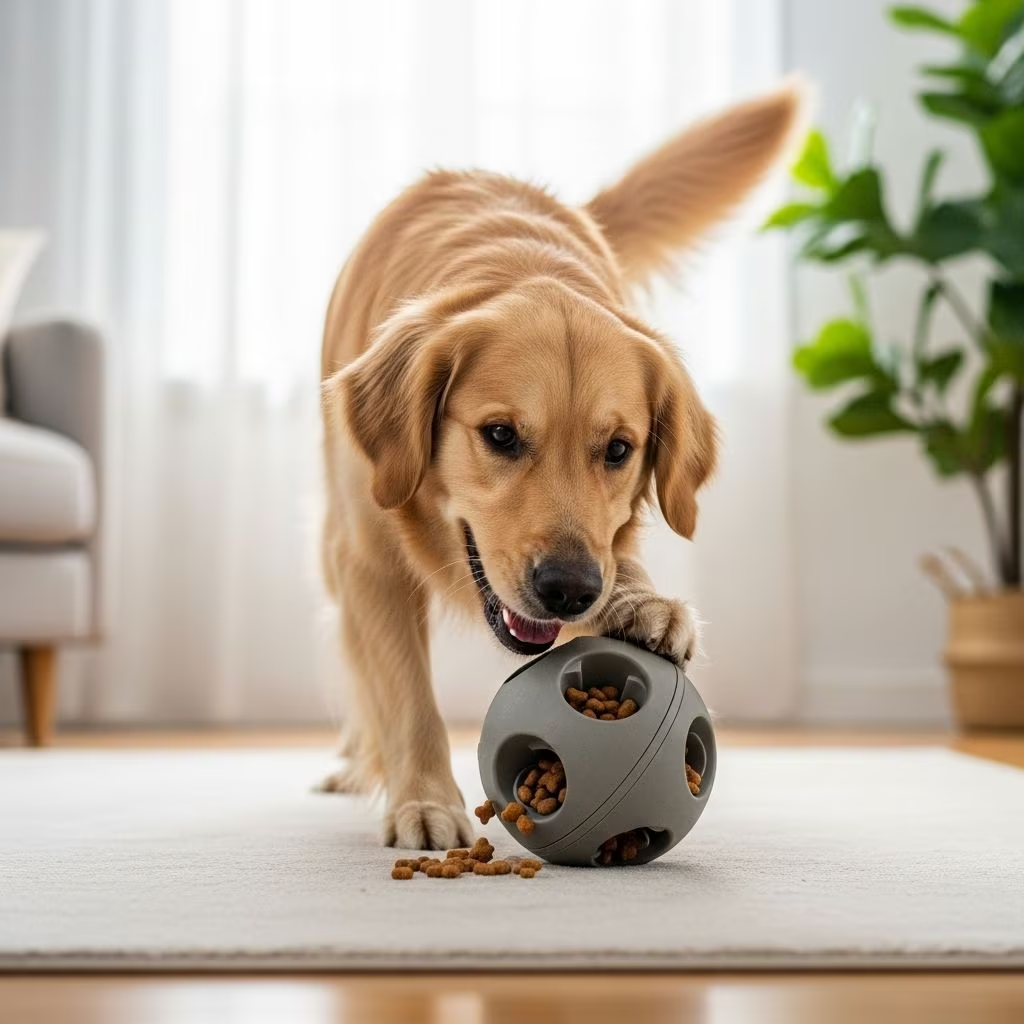
Food-filled dog toys offer an excellent way to combine mental stimulation, physical activity, and tasty rewards, helping to curb destructive behaviors and keep pets engaged. These interactive playthings encourage dogs to work for their food, mimicking natural foraging instincts while providing hours of entertainment.
Why Food-Stuffed Toys Transform Dog Playtime
Interactive toys stuffed with food tap into a dog’s innate drive to hunt and solve problems, promoting cognitive development and reducing anxiety. Unlike plain chew toys, these options extend mealtime into engaging sessions that can last 30 minutes or more, depending on the design and contents. Veterinary experts note that such enrichment reduces boredom-related issues like excessive barking or digging, fostering a calmer household environment.
Dogs of all ages benefit, from puppies learning focus to seniors maintaining dexterity. The scent of food draws attention immediately, creating positive associations with the toy and encouraging repeat use. Studies from animal behavior specialists highlight how puzzle-like feeding reduces stress hormones, improving overall well-being.
Selecting the Perfect Toys for Food Stuffing
Choose durable, non-toxic toys made from food-grade rubber or thick silicone to withstand chewing. Look for designs with accessible cavities, adjustable difficulty levels, and dishwasher-safe materials for easy cleaning. Toys should match your dog’s size—larger for big breeds to prevent swallowing risks, smaller for toys breeds to avoid frustration.
- Beginner-friendly options: Soft rubber balls with hollow centers for easy access.
- Advanced puzzles: Multi-chamber dispensers that require manipulation.
- Heavy chewers: Reinforced Kong-style toys with thick walls.
Avoid thin plastics or fabric toys that tear easily, as they pose ingestion hazards. Test toys under supervision initially to gauge interest and durability.
Best Food Choices for Safe and Appealing Stuffing
Opt for high-value, appropriately sized treats that release gradually without crumbling into small pieces. Dry kibble works for beginners, while softer options like peanut butter or yogurt add stickiness for prolonged engagement. Freeze wet foods for extended play, as thawing slows extraction.
| Toy Type | Recommended Fillings | Benefits | Prep Tips |
|---|---|---|---|
| Basic Hollow Toys | Kibble, small treats | Quick rewards, low mess | Pack loosely for easy dispensing |
| Puzzle Feeders | Peanut butter, cheese | Sticky hold, scent appeal | Layer with dry food for variety |
| Frozen Treat Toys | Yogurt, pureed veggies | Long-lasting, cooling effect | Freeze 4-6 hours before use |
Ensure all fillings are dog-safe: no xylitol, chocolate, or grapes. Rotate flavors to maintain excitement and match dietary needs, consulting vets for allergies.
Step-by-Step Techniques for Effective Stuffing
Start by warming the toy slightly in warm water to expand openings, then layer fillings from dense at the bottom to loose at the top. Use a spoon or chopstick for precision in tight spaces. For advanced users, create ‘recipes’ like mixing kibble with broth-soaked veggies, then freezing for a multi-stage challenge.
- Clean and dry the toy thoroughly.
- Insert a base layer of sticky food (e.g., cream cheese).
- Add bulk with kibble or treats.
- Top with a plug like a large treat or frozen mix.
- Let rest or freeze as needed.
Adjust difficulty by packing tighter for smart dogs or looser for novices. Introduce gradually to build problem-solving skills without frustration.
Essential Safety Protocols for Worry-Free Play
Supervise all sessions to monitor chewing intensity and prevent overeating. Teach ‘leave it’ and ‘drop it’ commands for quick intervention. Inspect toys daily for cracks or wear, discarding damaged ones immediately to avoid choking or blockages.
Match toy difficulty to your dog’s skill level—too hard leads to abandonment, too easy to boredom. For aggressive chewers, select extra-tough materials and limit session times to 20-30 minutes. Hydration is key; provide water nearby as working for food can be tiring.
Regular checks ensure toys remain intact, preventing ingestion of pieces that could cause intestinal issues.
Training Dogs to Love Their Food Toys
Begin with hands-on guidance: hold the toy, show the food, and encourage licking or nosing. Reward successes with praise or extra treats. Gradually reduce assistance over days, using high-value stuffings initially to hook interest. Short, positive sessions build confidence.
For reluctant dogs, demonstrate by playing alongside or using familiar scents. Consistency pays off—most dogs master basics in a week. Incorporate into routines like post-walk rewards to associate with good times.
Customizing for Different Dog Personalities and Ages
Puppies need soft, simple toys with large openings to develop teeth and jaws safely. Adults thrive on complex puzzles challenging their intellect. Seniors benefit from easy-access designs promoting gentle activity without strain.
- High-energy breeds: Fast-dispensing toys for active engagement.
- Laid-back types: Scent-focused stuffings for low-effort fun.
- Heavy chewers: Double-layered durable options.
Tailor to health needs: low-calorie fillings for weight management, soft textures for dental issues.
Maintenance and Longevity Tips
Wash toys after every 2-3 uses with hot soapy water or in a dishwasher (top rack). Air dry completely to prevent mold. Rotate 5-7 toys to extend life and prevent overuse wear. Store in a cool, dry place away from sunlight.
Track usage: replace every 1-3 months based on condition. Budget-friendly tip: buy multiples and swap as needed.
Common Mistakes and How to Avoid Them
Overstuffing leads to frustration; understuffing to quick boredom. Neglecting supervision risks accidents. Using human foods introduces toxins. Solution: follow size-appropriate portions and vet-approved lists.
Frequently Asked Questions (FAQs)
Can all dogs use food-stuffed toys?
Most can, but consult a vet for puppies under 6 months, seniors, or those with health issues. Start simple and observe.
How often should I stuff the toys?
1-2 times daily as meal replacements, totaling daily food intake to prevent weight gain.
What if my dog destroys the toy?
Upgrade to tougher models and supervise closely. Discard immediately if broken.
Are frozen stuffings safe?
Yes, they soothe gums and last longer, but thaw partially if too hard for your dog’s teeth.
Can I use these for training?
Absolutely—pair with commands for better obedience and impulse control.
Food-filled toys elevate play from mere amusement to essential enrichment tools. By selecting wisely, stuffing creatively, and maintaining rigorously, you provide safe, stimulating fun that strengthens your bond.
References
- Dog Toys and How to Use Them — Seattle Humane. Accessed 2026. https://www.seattlehumane.org/resource-library/dog-toys-and-how-to-use-them/
- Which Toys and Bones Are Best to Skip for Your Dog — AMC Vet Med. Accessed 2026. https://www.amcvetmed.com/post/toys-bones-avoid-giving-dog
- What to Do if Your Dog Swallows Stuffing From His Toy — Pet Assure. 2024-06-06. https://www.petassure.com/maxscorner/what-to-do-if-your-dog-swallows-stuffing-from-his-toy/
- Dog Toy Safety — Reed Animal Hospital. Accessed 2026. https://www.reedanimalhospital.com/blog/dog-toy-safety/
- Dog Toys and How to Use Them [PDF] — San Antonio Humane Society. 2012. https://sahumane.org/wp-content/uploads/2016/03/dog_toys_how_to_use_them_2012.pdf



