

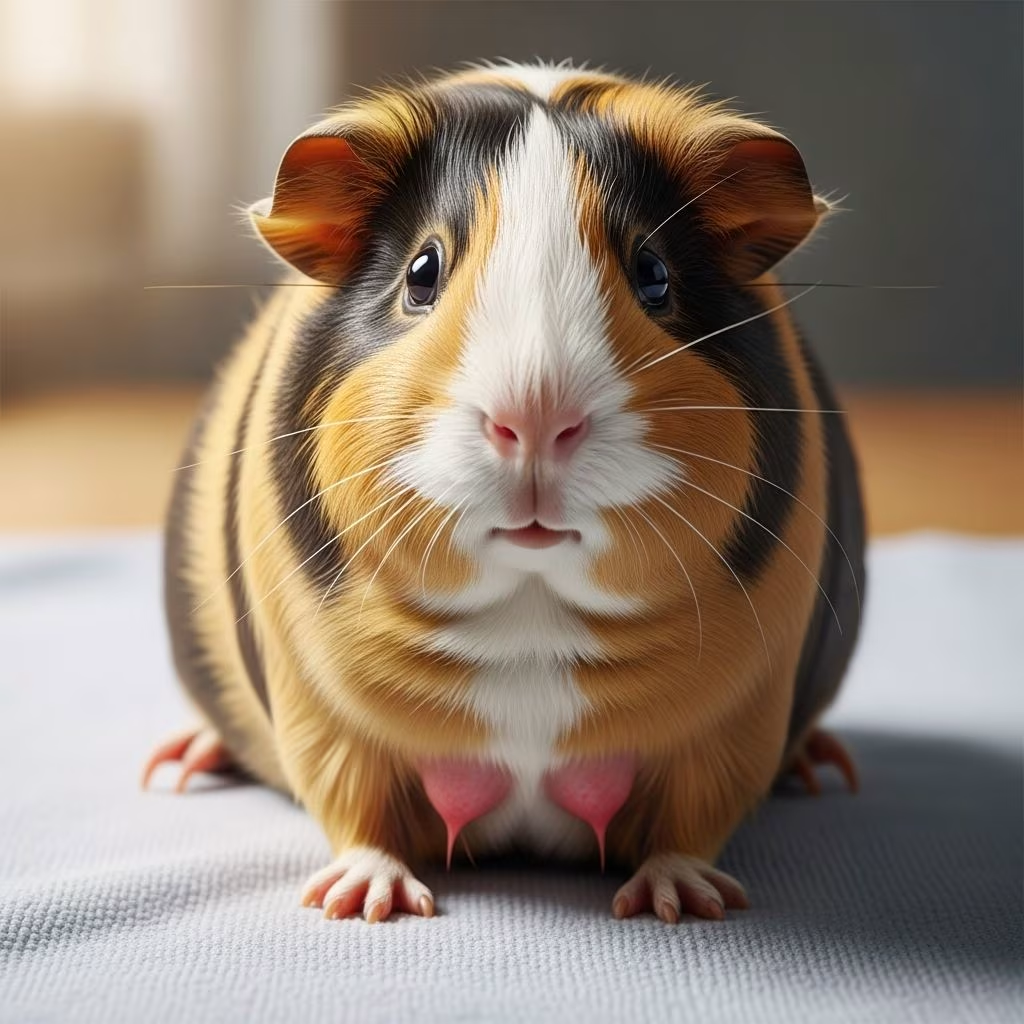
Mastitis refers to the inflammation of the mammary glands in female small animals, most commonly dogs and cats, often occurring during lactation. This condition demands prompt veterinary attention to safeguard both the mother and her offspring.
Understanding the Basics of Mammary Gland Inflammation
The mammary glands in small pets produce milk to nourish newborns, but they can become vulnerable to inflammation due to various triggers. In dogs, it typically arises postpartum when milk stasis or bacterial entry occurs through the teat canal. Cats experience it less frequently, but similar principles apply. Recognizing early signs is crucial as untreated cases can escalate to severe infections affecting the entire system.
Unlike humans, small pets have multiple glands along their abdomen, making localized issues possible while others remain functional. This anatomy allows for targeted care, but monitoring all glands is essential during nursing periods.
Primary Causes Behind Mastitis Development
Several factors contribute to mastitis onset. Bacterial infections from E. coli, Staphylococcus, or Streptococcus species are predominant, entering via cracked teats or unclean environments. Non-infectious causes include trauma from puppy bites or excessive milk buildup after sudden weaning or puppy loss.
- Bacterial invasion: Pathogens ascend from the skin or environment into milk ducts.
- Milk accumulation: Occurs post-weaning, leading to pressure and inflammation without microbes.
- Environmental risks: Dirty whelping areas promote fungal or bacterial growth.
- Trauma: Physical injury to glands during nursing or rough play.
In rare instances, hormonal imbalances in non-pregnant pets cause false lactation and subsequent mastitis.
Recognizing Symptoms: From Mild to Severe
Symptoms vary by stage. Acute mastitis presents with hot, swollen, painful glands; discolored, pus-filled milk; fever; lethargy; and reduced interest in puppies. The mother may refuse to nurse, impacting litter health.
Subclinical forms are subtler, showing only poor puppy weight gain despite normal maternal behavior. Chronic cases might involve firm nodules without overt pain.
| Symptom Type | Acute Mastitis | Subclinical/Chronic |
|---|---|---|
| Gland Appearance | Red, hot, swollen | Firm, possibly normal |
| Milk Quality | Bloody, purulent | Clotted or normal |
| Maternal Signs | Fever, anorexia | None or mild |
| Puppy Impact | Neglect, failure to thrive | Slow weight gain |
Visual checks reveal darkened teats or abscesses in advanced stages.
Diagnostic Approaches in Veterinary Practice
Vets start with physical exams, palpating glands for hardness or heat. Key tests include:
- Milk cytology: Microscopic exam for white blood cells and bacteria.
- Blood work: Elevated white cells indicate infection severity.
- Culture and sensitivity: Identifies specific bacteria for targeted antibiotics.
Imaging like ultrasound may detect abscesses. Puppy monitoring via daily weights confirms subclinical cases.
Treatment Strategies: Tailored to Severity
Treatment hinges on mastitis type. Outpatient care suits mild cases with oral antibiotics like cephalexin (15-30 mg/kg every 8 hours) or amoxicillin-clavulanate, safe for nursing. Supportive measures include:
- Warm compresses to reduce swelling.
- Gentle gland stripping every 4-6 hours to drain milk and boost circulation.
- Pain relief, choosing pup-safe options.
Severe septic mastitis requires hospitalization: IV fluids, injectable antibiotics, and possible surgery for necrotic tissue removal. Puppies nurse unaffected glands or receive supplements.
Therapy duration is 2-3 weeks; full courses prevent resistance.
Complications and When to Escalate Care
Untreated mastitis risks gland rupture, gangrene, sepsis, or mammary cancer links in chronic cases. Systemic spread causes shock, demanding emergency intervention.
Owners should watch for worsening fever, vomiting, or puppy distress, seeking immediate vet help.
Prognosis and Recovery Expectations
Most cases resolve fully within 2-3 weeks with prompt care, allowing normal nursing resumption. Severe infections carry guarded outlooks, especially with sepsis.
Follow-up exams ensure clearance; monitor for recurrence in future litters.
Prevention Tips for Breeding Pet Owners
Proactive steps minimize risks:
- Maintain clean, dry whelping areas.
- Monitor puppies for even nursing distribution.
- Gradual weaning prevents milk stasis.
- Inspect teats daily postpartum.
- Limit litter size in high-risk breeds.
Healthy dams with optimal nutrition resist infections better.
Mastitis in Other Small Animals
Beyond dogs, cats, and occasionally rodents like hamsters face mastitis, though rarer. Rodent cases mirror bacterial etiologies but lack extensive data; vets adapt canine protocols cautiously. Goats and sheep inform management but differ anatomically.
FAQs on Mastitis in Small Pets
Can mastitis resolve without antibiotics?
Non-infectious cases may improve with stripping and compresses, but bacterial ones require meds.
Is home treatment safe?
No; vet diagnosis is essential to avoid harming pups or worsening infection.
How long until puppies can nurse affected glands?
Typically after 24-48 hours of treatment, once milk clears.
Does mastitis affect future pregnancies?
Rarely, if fully resolved; scarring may occur in severe cases.
What if only one gland is affected?
Treat aggressively; it can spread. Puppies use others.
Long-Term Mammary Health Monitoring
Post-recovery, annual exams screen for tumors, as mastitis history elevates risks. Spaying non-breeding pets prevents recurrence.
References
- Mastitis in Dogs — VCA Animal Hospitals. 2023. https://vcahospitals.com/know-your-pet/mastitis-in-dogs
- Mastitis in Small Animals — Merck Veterinary Manual. 2023. https://www.merckvetmanual.com/reproductive-system/reproductive-diseases-of-the-female-small-animal/mastitis-in-small-animals
- Mastitis in Dogs: Everything You Should Know — RHPCH. 2024-02-15. https://www.rhpch.com/site/blog/2024/02/15/mastitis-dogs
- Mastitis in Dogs — PetMD. 2023. https://www.petmd.com/dog/conditions/endocrine/c_dg_mastitis
- Decoding Mastitis in Small Rodent Pets — PMC – NIH. 2024. https://pmc.ncbi.nlm.nih.gov/articles/PMC12562073/



