

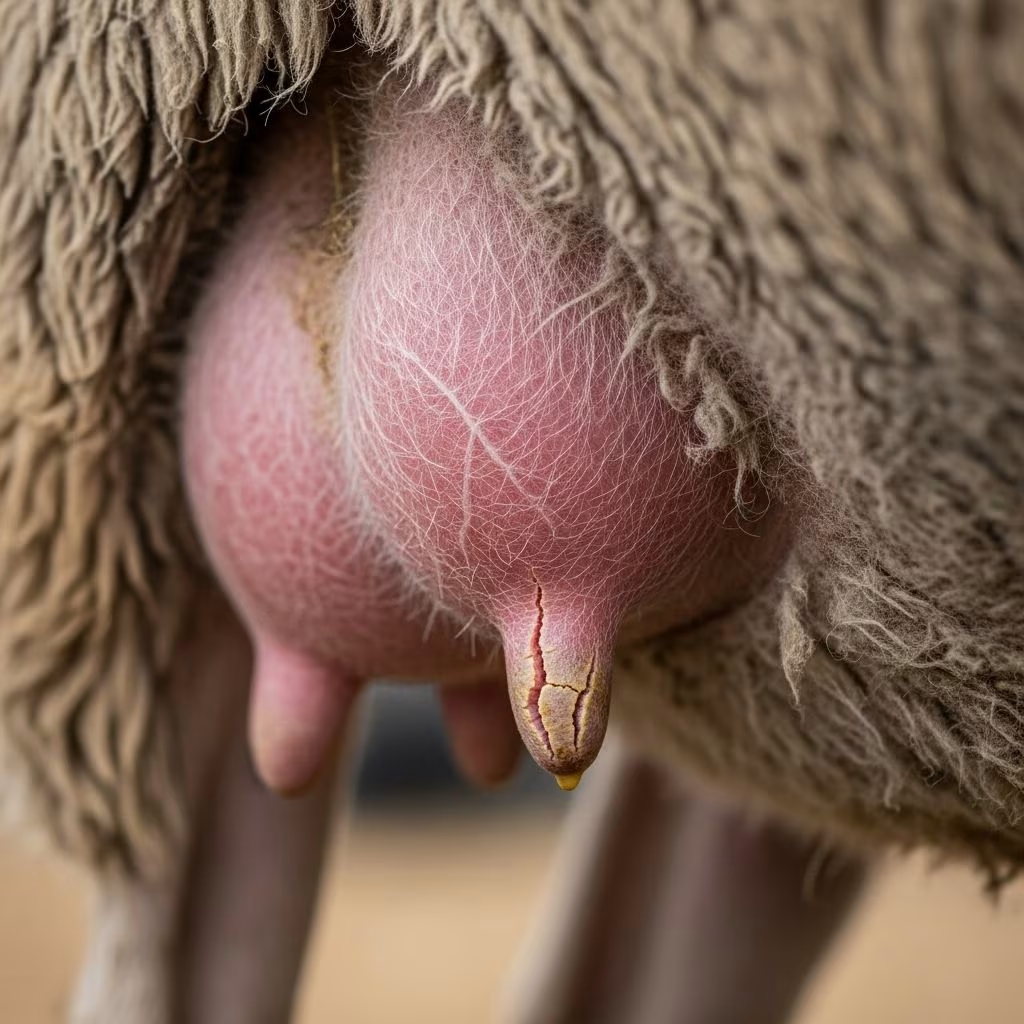
Mastitis represents a major health challenge for sheep producers, particularly affecting ewes during the lactation period. This condition involves inflammation of the udder due to bacterial invasion, leading to painful swelling, reduced milk yield, and potential death of the ewe or her lambs. Early recognition and intervention are crucial to limit spread and economic impact in flocks.
Understanding the Disease and Its Impact
In sheep farming, mastitis disrupts normal milk production essential for lamb growth. Acute forms can kill ewes rapidly, while chronic cases result in permanent udder damage, forcing culling and lowering flock productivity. Lambs suffer from malnutrition if denied access to milk, increasing their mortality risk. Producers face costs from treatments, lost performance, and replacement animals. In intensive systems like indoor lambing, outbreaks spread quickly due to close contact and poor hygiene.
Primary Pathogens Responsible
Several bacteria drive mastitis in ewes. Mannheimia haemolytica (formerly Pasteurella hemolytica), common in lamb throats, causes acute outbreaks in meat flocks, leading to gangrenous udder changes known as ‘blue bag.’ Staphylococcus aureus triggers clinical mastitis in dairy sheep, while coagulase-negative staphylococci (CNS) cause subtler subclinical infections. Streptococcus species appear sporadically, often linked to housing flaws. Coliforms like E. coli arise from fecal soiling in confined areas. Other factors include orf virus lesions on teats, allowing bacterial entry, and ovine progressive pneumonia (OPP) virus affecting both udder halves.
Recognizing Clinical Signs
Symptoms vary by severity. In peracute cases, ewes show systemic illness: high fever, depression, anorexia, and lameness from udder pain. The affected gland swells markedly, feels hot initially then cold and clammy, turning blue or purple as necrosis sets in. Milk becomes watery, clotted, or bloody. Ewes isolate from the flock and kick at lambs attempting to nurse. Acute cases feature red, warm swelling with abnormal secretions. Chronic mastitis presents as hard lumps, abscesses, or shrunken tissue, often detected post-weaning. Subclinical forms reduce milk without visible signs, detectable only by lower yield or somatic cell counts.
Diagnosis Methods for Accurate Identification
Diagnosis starts with clinical exam: palpate udders for heat, swelling, pain, or lesions; check rectal temperature; observe gait and behavior. Milk inspection reveals clots or discoloration. For confirmation, collect samples for bacterial culture and sensitivity testing to guide antibiotic choice. Somatic cell count (SCC) screening of bulk or individual milk flags subclinical cases. In high-incidence flocks, regular udder checks post-lambing aid early detection. Advanced tests rule out viral contributors like OPP.
Treatment Protocols for Affected Ewes
Isolate sick ewes immediately to curb spread via cross-nursing. Provide supportive care: anti-inflammatory drugs for pain and fever, fluids if dehydrated. Antibiotics are cornerstone—systemic injections plus intramammary infusions, selected via culture results. Common choices target gram-positive and negative bacteria. Bottle-feed lambs colostrum and milk replacer. Prognosis improves with prompt action, but severe necrosis often dooms the udder half. Chronic cases warrant culling as recovery is poor.
| Type | Signs | Common Causes | Treatment Outlook |
|---|---|---|---|
| Peracute | Blue udder, toxemia, death | Mannheimia haemolytica | Poor; focus on ewe survival |
| Acute | Swollen, hot udder; fever | Staph aureus, coliforms | Good if early |
| Subclinical | Reduced milk, lumps | CNS | Manageable with hygiene |
| Chronic | Abscesses, fibrosis | Untreated acute | Cull recommended |
Prevention Through Management Practices
Control hinges on hygiene, nutrition, and genetics. Maintain clean lambing pens, refresh bedding frequently, and turn ewes outdoors promptly to avoid coliform buildup. Treat orf lesions topically to block entry points. At weaning, separate lambs abruptly, restrict ewe feed/water for 1-2 days to dry off milk safely. Inspect udders routinely; cull ewes with lumps, single functional glands, or repeat infections. In dairy operations, sanitize milking gear, train staff, dip teats post-milking, and monitor vacuum settings.
- Provide adequate vitamin A and selenium via balanced rations to bolster immunity.
- Select for udder conformation: avoid pendulous shapes prone to trauma or poor milking.
- Vaccinate against associated diseases like pneumonia if endemic.
- Minimize stress around lambing when immunity dips (peri-parturient relaxation).
Nutritional and Genetic Strategies
Deficiencies exacerbate risk. Vitamin A shortages link to clinical cases; selenium aids udder health. Feed high-quality forage and supplements during late pregnancy. Genetic selection reduces incidence—breed lines show heritability. Cull multi-lambing ewes beyond 5-6 crops and those with poor udder scores. Track flock records to identify high-risk animals.
Special Considerations in Dairy vs. Meat Systems
Dairy sheep face CNS and Staph from milking; prioritize machine maintenance and SCC monitoring. Meat flocks battle Mannheimia from lambs; focus on weaning hygiene and orf control. Both benefit from biosecurity: quarantine new stock, limit visitors.
Frequently Asked Questions (FAQs)
What is the most common cause of acute mastitis in meat sheep flocks?
Mannheimia haemolytica from lamb saliva during nursing.
Can subclinical mastitis be treated effectively?
Yes, with improved hygiene and targeted antibiotics, but prevention is key to avoid progression.
How do I dry off ewes post-weaning to prevent mastitis?
Remove lambs suddenly, cut feed/water sharply for 48 hours, and monitor for engorgement.
Is mastitis contagious between ewes?
Indirectly via shared equipment or cross-suckling lambs; isolation prevents spread.
Should I cull all mastitis cases?
Chronic or recurrent yes; acute survivors assess udder function before deciding.
Long-Term Flock Health Monitoring
Implement routine SCC testing, culture surveillance, and udder scoring at key times: pre-breeding, post-weaning, early lactation. Log incidence rates; aim below 5-10% annually. Collaborate with vets for tailored plans. Economic analysis justifies investments—prevented cases save on drugs, culls, and lamb supplements. Sustainable practices enhance welfare and profitability.
References
- Mastitis In Ewes and Does — Cornell University Animal Health Diagnostic Center. Accessed 2026. https://www.vet.cornell.edu/animal-health-diagnostic-center/programs/nyschap/modules-documents/mastitis-ewes-and-does
- Mastitis in Ewes — Farm Health Online. Accessed 2026. https://www.farmhealthonline.com/US/disease-management/sheep-diseases/mastitis-in-ewes/
- Mastitis in Ewes Factsheet — Calweton Vets. Accessed 2026. https://calwetonvets.com/sites/calwetonvets.com/files/uploads/factsheets/cis/mastitis%20ewes%20factsheet1.pdf
- Understanding Mastitis in Sheep — AHDB (via Project Blue). 2018-11-22. https://projectblue.blob.core.windows.net/media/Default/Imported%20Publication%20Docs/BRP+%20Understanding%20mastitis%20in%20sheep1674_2018-11-22_WEB.pdf
- Mastitis in Sheep and Goats — Michigan State University. Accessed 2026. https://www.canr.msu.edu/news/mastitis-in-sheep-and-goats
- Mastitis in Sheep — Cornell Small Farms. 2021-10. https://smallfarms.cornell.edu/2021/10/mastitis-in-sheep/



