
Mastitis In Large Animals: 5 Essential Prevention Steps
Comprehensive guide to understanding, diagnosing, treating, and preventing mastitis in cattle and other large livestock for optimal herd health.
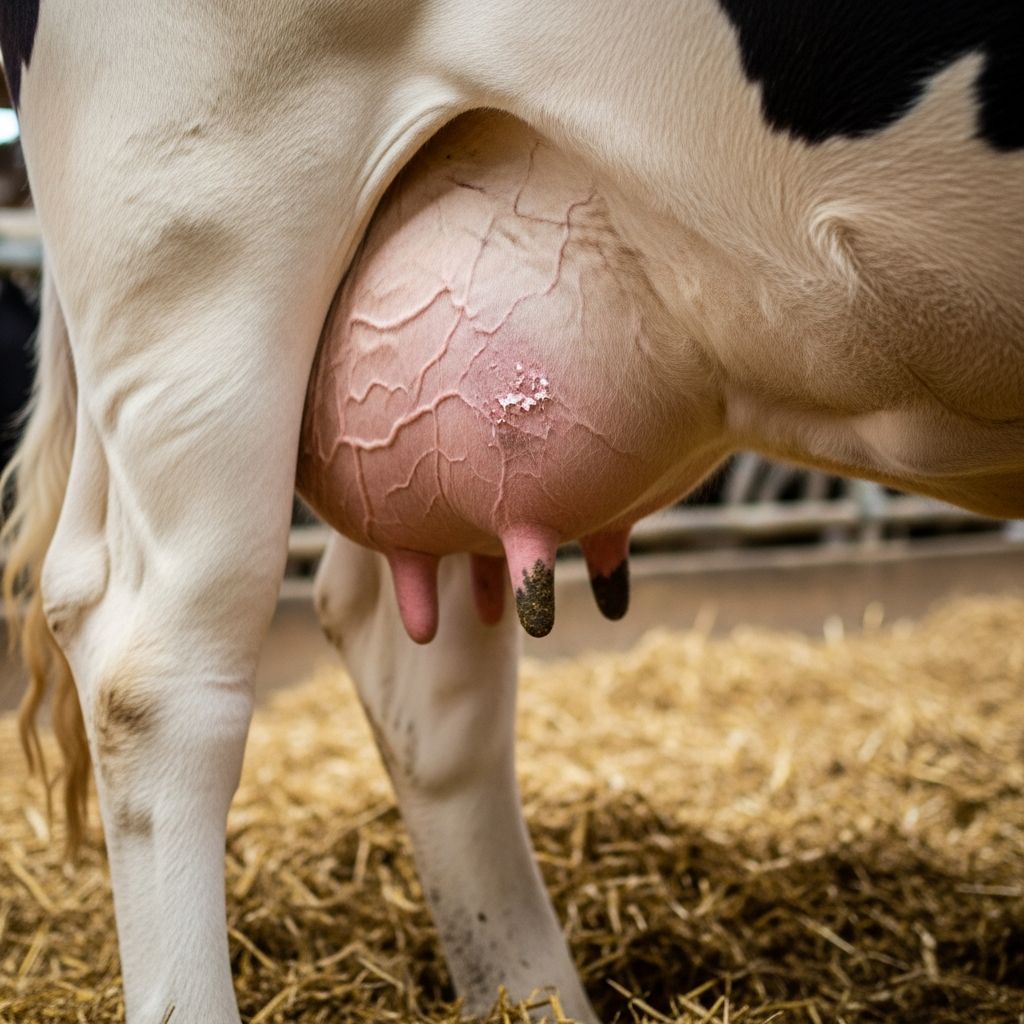
Mastitis represents one of the most prevalent and economically devastating diseases affecting dairy cattle and other large ruminants, characterized by inflammation of the mammary gland due to microbial invasion or physical injury. This condition leads to reduced milk production, increased veterinary costs, and potential culling, impacting herd productivity worldwide.
Understanding the Nature of Mammary Inflammation
The mammary gland in large animals like cows serves as a critical organ for milk secretion, but it is highly susceptible to infections entering through the teat canal. Pathogens such as coliform bacteria, streptococci, and staphylococci exploit opportunities during milking or environmental exposure to trigger an immune response, resulting in varying degrees of inflammation.
Mastitis manifests in multiple forms: subclinical, where no visible changes occur but somatic cell counts (SCC) in milk elevate; clinical, with noticeable milk abnormalities and udder swelling; and severe cases involving systemic illness like fever and shock. Coliforms, particularly gram-negative rods from the Enterobacteriaceae family, dominate severe outbreaks, often leading to toxemia and high mortality rates of 30-50% in affected cows.
Primary Causes and Risk Factors
Microbial agents are the chief culprits, categorized into contagious pathogens spread between cows during milking and environmental ones from bedding or manure. Contagious types include Staphylococcus aureus and Streptococcus agalactiae, while environmental pathogens like E. coli and Klebsiella thrive in unhygienic conditions.
- Contagious spread: Poor milking hygiene allows bacteria to transfer via hands, equipment, or milk splashes.
- Environmental exposure: Wet bedding, overcrowding, and poor teat disinfection increase invasion risks.
- Host factors: Early lactation cows, high-producing animals, and those with compromised immunity are more vulnerable.
- Mechanical trauma: Improper milking machine function or physical injuries weaken teat defenses.
Studies highlight that herds with annual severe coliform mastitis exceeding 1% face significant losses, emphasizing the need to profile at-risk animals by lactation stage and milk yield.
Recognizing Clinical Presentations
Early detection hinges on observing udder changes and milk quality. In mild cases, milk may show flakes or clots without overt swelling. Moderate forms involve quarter inflammation, heat, and pain, while severe acute mastitis presents with watery, bloody, or pus-laden milk, alongside systemic signs like depression, rapid breathing, and dehydration.
| Mastitis Type | Milk Changes | Udder Signs | Systemic Effects |
|---|---|---|---|
| Subclinical | Normal appearance, high SCC | None visible | Absent |
| Mild/Moderate Clinical | Clots, discoloration | Swelling, firmness | Rare |
| Severe/Acute | Serous, bloody, foul-smelling | Hot, painful, edematous | Fever, shock, anorexia |
Infected animals often kick during milking, reduce feed intake, and exhibit sunken eyes or diarrhea in advanced stages, potentially progressing to bacteremia or death.
Diagnostic Approaches for Accurate Identification
Timely diagnosis differentiates pathogen types, guiding therapy. On-farm tools like the California Mastitis Test (CMT) detect subclinical cases by gel formation correlating with SCC, offering high sensitivity for early screening.
Advanced methods include somatic cell count analysis, bacterial culture, polymerase chain reaction (PCR), and matrix-assisted laser desorption/ionization-time of flight (MALDI-TOF) mass spectrometry for precise pathogen speciation. CMT remains the gold standard for cow-side use, outperforming alternatives in speed and cost for dry-off predictions.
- CMT: Screens for SCC >200,000 cells/mL, ideal for subclinical detection.
- Milk culture: Identifies gram-positive vs. gram-negative bacteria.
- MALDI-TOF: Rapid genus/species ID in labs.
Regular monitoring via bulk tank SCC and individual cow tests is essential for herd-level management.
Therapeutic Interventions and Supportive Care
Treatment protocols prioritize supportive measures for severe cases, as antimicrobials alone may not suffice against coliform endotoxins. Fluid therapy restores hydration, while non-steroidal anti-inflammatory drugs (NSAIDs) like flunixin meglumine (1.1-2.2 mg/kg IV) alleviate fever, pain, and toxemia, though field trials show mixed survival benefits.
Intramammary (IMM) antimicrobials target gram-positive infections, but systemic use lacks FDA approval in the US, relying on extra-label protocols under veterinary oversight. Of treated cases, 66% receive IMM only, with 16% combining systemic options.
For chronic or persistent infections like those from Mycoplasma, culling is often recommended, as recovery is rare.
Prevention Strategies for Herd Health
Proactive measures form the cornerstone of control, building on the classic five-point plan: rapid clinical case treatment, post-milking teat dips, dry cow therapy (DCT), chronic cow culling, and milking equipment maintenance. This effectively curbs contagious mastitis but requires augmentation for environmental pathogens.
- Implement pre- and post-milking teat disinfection with effective antiseptics.
- Maintain dry, clean bedding to minimize environmental bacteria.
- Ensure proper milking parlor hygiene and machine calibration.
- Administer DCT to all cows at dry-off.
- Monitor SCC routinely and cull high offenders.
Additional tactics include fly control, nutrition optimization for immunity, and selective breeding for mastitis resistance.
Economic Implications and Farm Management
Mastitis costs dairy operations billions annually through discarded milk, vet fees, and lost productivity. Severe cases double culling risks, particularly with Klebsiella, underscoring the value of prevention over cure.
Herd managers should track incidence by parity and stage, aiming for <1% severe cases yearly. Integrating diagnostics like CMT with culture data optimizes decisions, reducing unnecessary treatments and residues.
Emerging Tools and Future Directions
Innovations such as biosensors, machine learning for SCC prediction, and 16S rRNA sequencing promise faster, on-site diagnostics. These could revolutionize early intervention, curbing transmission in high-density herds.
Frequently Asked Questions (FAQs)
What is the most common cause of severe mastitis in cattle?
Coliform bacteria, especially gram-negative Enterobacteriaceae like E. coli and Klebsiella, trigger most severe cases with systemic toxemia.
How do I test for subclinical mastitis on my farm?
Use the California Mastitis Test (CMT) on individual quarters; a trace or higher reaction indicates elevated SCC and potential infection.
Is systemic antibiotic treatment approved for mastitis?
No FDA-approved systemic regimens exist in the US; use IMM therapies and supportive care under vet guidance.
Can mastitis be prevented entirely?
Not entirely, but the five-point plan combined with hygiene drastically reduces incidence, especially contagious forms.
What are signs my cow needs immediate treatment?
Watery or bloody milk, hot swollen udder, fever, lethargy, or shock signal severe mastitis requiring urgent fluids and NSAIDs.
References
- Mastitis in Cattle – Reproductive System — MSD Veterinary Manual. 2023. https://www.msdvetmanual.com/reproductive-system/mastitis-in-large-animals/mastitis-in-cattle
- Bovine mastitis: risk factors, therapeutic strategies, and alternative… — PMC (NIH). 2020-11-01. https://pmc.ncbi.nlm.nih.gov/articles/PMC7649072/
- A practical guide to diagnosing bovine mastitis: a review — Frontiers in Animal Science. 2024. https://www.frontiersin.org/journals/animal-science/articles/10.3389/fanim.2024.1504873/full
- Mastitis in Cows: Causes, Symptoms, Prevention and Treatment — Cargill Animal Nutrition. 2023. https://www.cargill.co.in/en/mastitis-in-cows-causes,-symptoms,-prevention-and-treatment
- Cow Talk with an Expert: Mastitis Treatments — University of Wisconsin Dairy Science. 2014-08-29. https://andysci.wisc.edu/2014/08/29/cow-talk-with-an-expert-mastitis-treatments/
Similar Articles








Read full bio of Sneha Tete


