

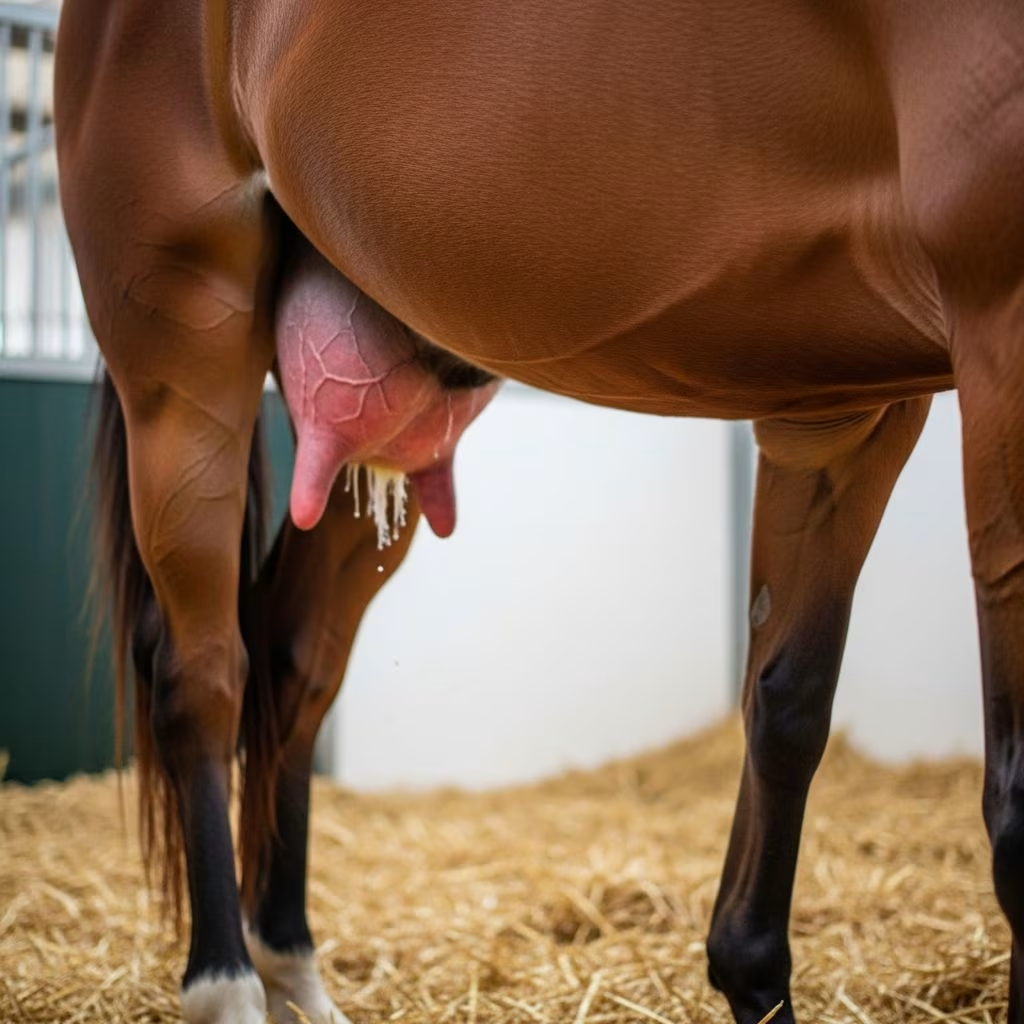
Mastitis represents a significant health challenge for lactating mares, involving inflammation of the mammary glands typically triggered by bacterial invasion. This condition demands prompt recognition and intervention to safeguard both the mare’s well-being and her foal’s nutrition.
Recognizing the Signs of Mammary Gland Inflammation
Early identification of mastitis hinges on observing distinct physical changes in the mare’s udder. Owners often notice one or both mammary glands becoming markedly enlarged, firm to the touch, and radiating heat, accompanied by acute sensitivity that causes the mare to flinch or kick when approached. The skin over the affected area may appear taut and shiny, signaling substantial fluid buildup.
Milk production alters noticeably; it may turn thick and clumpy, adopt a yellowish-green hue, or contain flecks of blood and pus, rendering it unsuitable for foal consumption. Behavioral cues include the mare’s aversion to allowing her foal to nurse, potentially leading to foal weight loss or dehydration if prolonged. Systemic indicators such as elevated body temperature, lethargy, reduced appetite, and in severe instances, hindlimb stiffness from abdominal swelling, further confirm the issue.
- Udder swelling: Asymmetric enlargement, usually unilateral in 59-78% of cases
- Pain response: Mare resists touch or movement near hindquarters
- Abnormal milk: Viscous, discolored, or pus-laden discharge
- Foal impact: Nursing refusal leading to poor foal gains
- Secondary signs: Fever above 101.5°F, prominent ventral veins
Root Causes Behind Equine Udder Infections
Bacterial pathogens predominate as culprits, with Streptococcus species leading, entering via the narrow teat canals during nursing or environmental contamination post-weaning. Other contributors include Staphylococcus, coliforms like E. coli, and occasionally Pseudomonas, thriving in unclean stables or from cracked teat skin.
Predisposing factors encompass poor hygiene in foaling areas, abrupt weaning without gradual feed reduction, and trauma to teats from rough foal nursing or injuries. Non-infectious triggers like retained placentas or metritis can indirectly promote bacterial ascent, while dry, cracked teats from frequent milking exacerbate vulnerability. Unlike dairy cows, equine mastitis rarely stems from chronic milking stress but correlates strongly with periparturient neglect.
| Causative Agent | Frequency | Entry Route |
|---|---|---|
| Streptococcus spp. | Most common | Teat canal |
| Staphylococcus spp. | Common | Skin cracks |
| Gram-negative bacteria | Less frequent | Environmental |
Diagnostic Approaches for Accurate Confirmation
Veterinary assessment begins with a thorough physical exam, palpating the udder for heat, firmness, and pain, while sampling milk for cytological and bacteriological analysis. Milk smears reveal elevated white blood cells, and culture identifies the pathogen with sensitivity testing to guide therapy.
Ultrasound imaging delineates abscesses or ductal blockages, and blood panels check for leukocytosis or dehydration, though often normal in mild cases. Differentiating from agalactia or ventral edema involves saline infusion to assess gland patency, crucial for breeding prospects.
Effective Treatment Strategies for Recovery
Treatment protocols integrate antimicrobial assault, inflammation control, and mechanical evacuation. Systemic antibiotics like sulfamethoxazole-trimethoprim (30 mg/kg PO q12h for 3-5 days) target most isolates, with alternatives such as penicillin or gentamicin for resistant strains based on cultures.
Local measures prove indispensable: milk the affected gland 2-3 times daily to expel infected material, aided by oxytocin (10-20 IU IV/IM) for let-down. Hydrotherapy alternates hot compresses for vasodilation and cold hosing for vasoconstriction, reducing edema. NSAIDs like flunixin meglumine (1.1 mg/kg IV q12-24h) or phenylbutazone (2.2 mg/kg PO q12h) alleviate pain and fever.
Intramammary infusions demand caution due to equine teat anatomy; veterinarians sedate mares (e.g., alpha-2 agonists) and apply petroleum jelly post-milking to prevent fissures. Severe abscesses necessitate surgical drainage under ultrasound guidance, followed by prolonged antibiotics.
Typical 7-Day Recovery Protocol
- Day 1-2: Initiate antibiotics, NSAIDs, frequent milking, hydrotherapy; monitor fever
- Day 3-5: Culture-guided antibiotic adjustment, oxytocin support, sedation if needed
- Day 6-7: Taper milking to twice daily, assess milk quality, foal reintegration
Most mares recover fully within a week, retaining lactation capacity unlike bovines. Fluid therapy supports dehydrated cases, and feed restriction aids non-lactating mares.
Preventive Measures to Minimize Risk
Proactive management curtails incidence: maintain immaculate foaling stalls, gradually wean foals over 7-10 days while slashing mare concentrates to suppress milk yield, and inspect udders daily post-partum. Teat dips with antiseptics post-milking and prompt treatment of minor injuries avert bacterial ingress.
Farms benefit from biosecurity, isolating affected mares, and culturing milk from high-risk individuals like those with weaning issues. Nutritional balance prevents obesity-related edema, and routine veterinary checks during lactation flag subclinical problems.
Effects on Foals and Management Options
Mastitis disrupts colostrum and milk supply, risking foal failure to thrive. Owners must supplement with mare milk replacers or donor milk, bottle or bucket-feeding small frequent volumes to mimic nursing. Monitor foal hydration via skin tenting and gum moisture; orphaned foals may require plasma transfusions for immunoglobulins if early-onset.
Gradual udder reintegration post-treatment ensures safe nursing resumption, preventing re-infection.
Potential Complications and Long-Term Outlook
Untreated mastitis fosters fibrosis, curtailing future production and complicating breeding via ductal scarring detectable by saline distension. Chronic carriers pose herd risks, necessitating culling in endemic settings. Prognosis excels with early care, boasting over 90% resolution sans sequelae.
Frequently Asked Questions (FAQs)
What triggers mastitis most often in mares?
Bacterial entry through teat canals, especially Streptococcus, during lactation or weaning.
Can I treat mastitis at home without a vet?
No; antibiotics and infusions require professional oversight to avoid complications.
How long until a mare’s udder returns to normal?
Typically 5-7 days with compliant therapy.
Is mastitis contagious to other horses?
Possible via shared equipment; isolate and disinfect.
What if my foal refuses the affected milk?
Immediately supplement and consult a vet for alternatives.
References
- Mastitis in Mares: Causes, Symptoms and Treatment — Mad Barn. 2023. https://madbarn.com/mastitis-in-mares/
- Diagnosis and Treatment of Mastitis in Mares — American Board of Veterinary Practitioners (ABVP). 2021-11. https://www.abvp.com/wp-content/uploads/2021/11/EQUINE-NOVDiagnosis-and-Treatment-of-Mastitis-in-Mares-EVE.pdf
- Mastitis in Mares — Kentucky Equine Research (KER). 2023. https://ker.com/equinews/mastitis-in-mares/
- EP. 158: Mastitis in Horses | Causes, Signs, Diagnosis & Treatment — Pet Care Partners (YouTube). 2023. https://www.youtube.com/watch?v=He9xoYrLCbg
- Mastitis and Other Mammary Gland Problems in the Mare — WestVets. 2023. https://www.westvets.com.au/mastitis-and-other-mammary-gland-problems-in-the-mare/
- Mastitis in Mares – Reproductive System — MSD Veterinary Manual. 2023. https://www.msdvetmanual.com/reproductive-system/mastitis-in-large-animals/mastitis-in-mares



